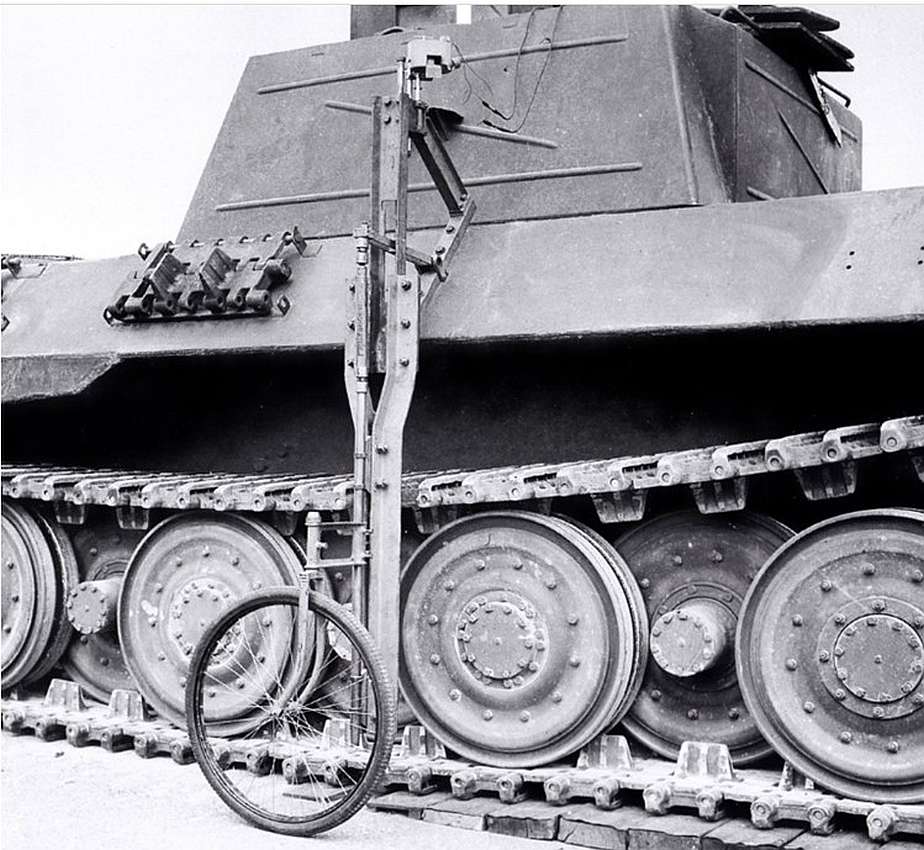
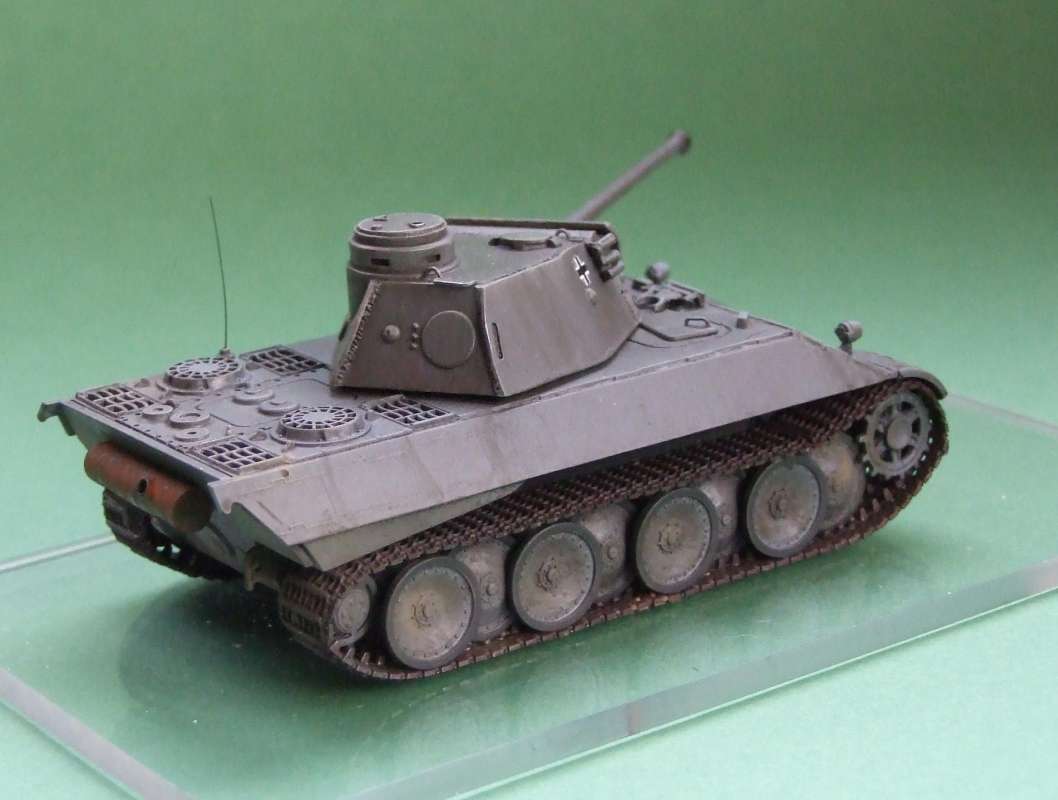
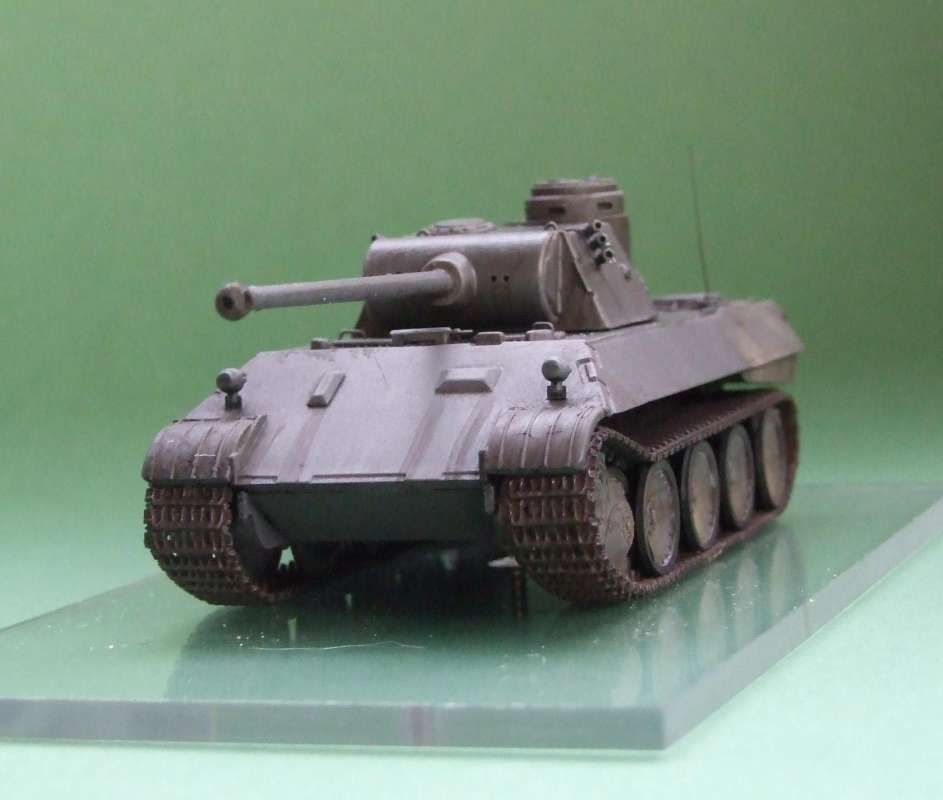
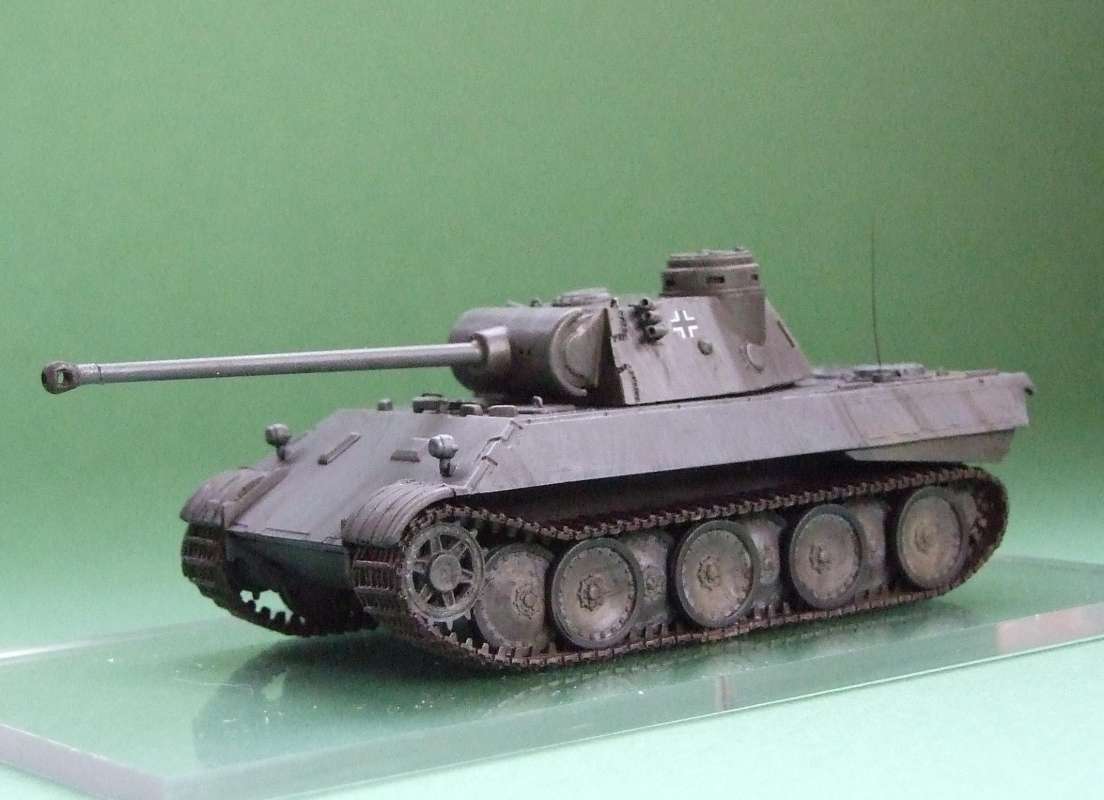
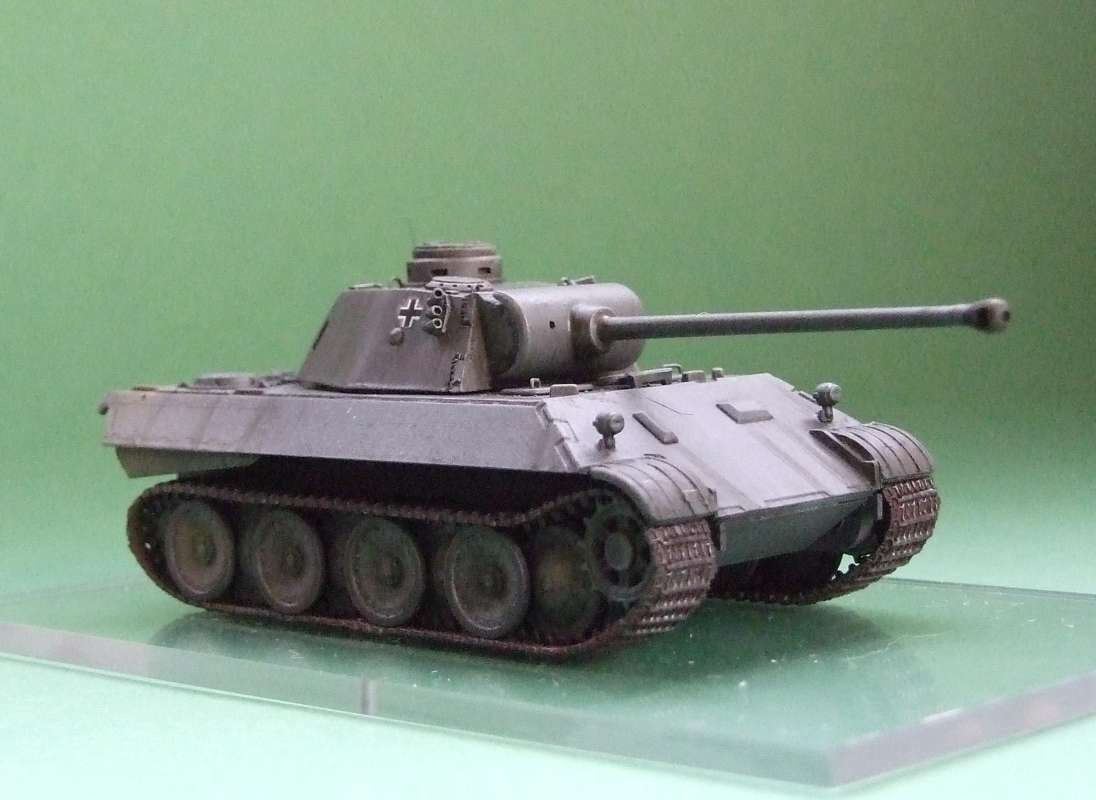
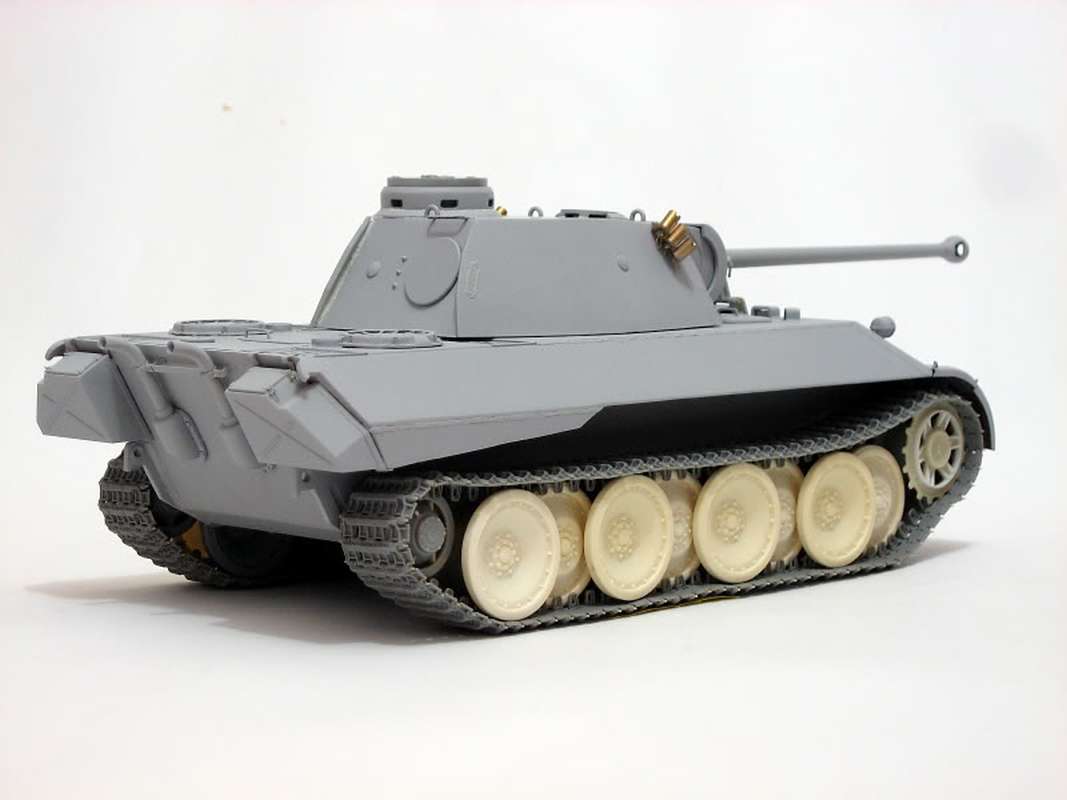
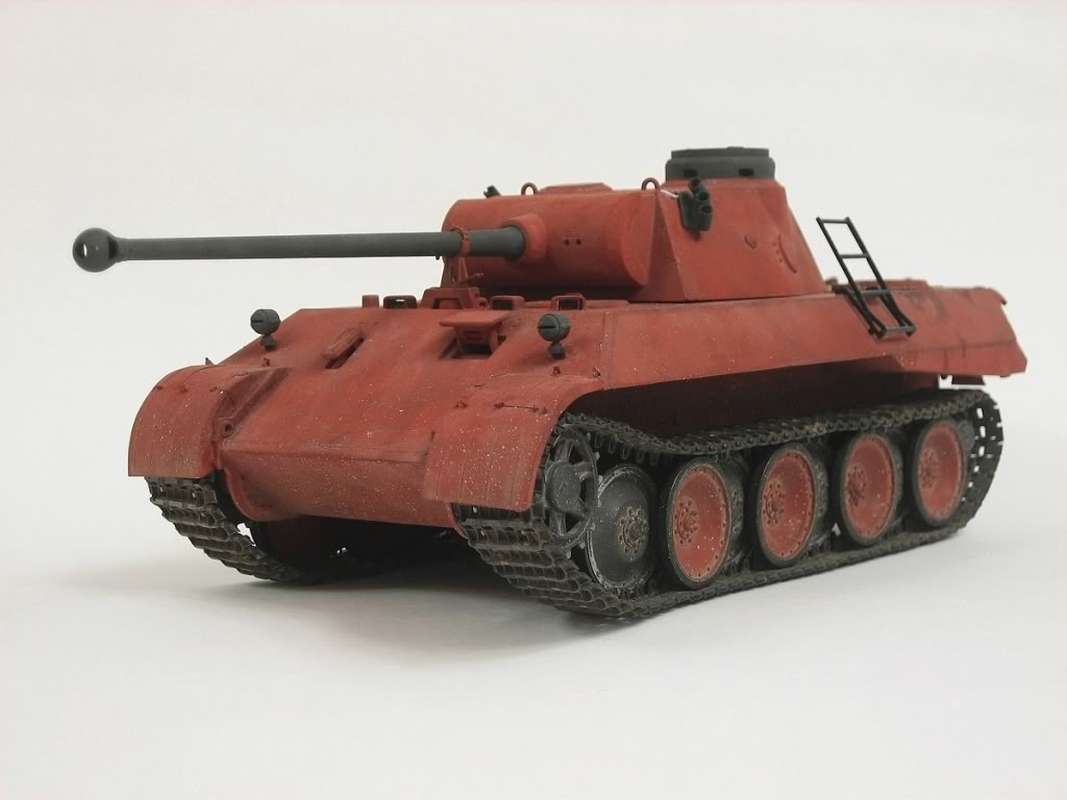
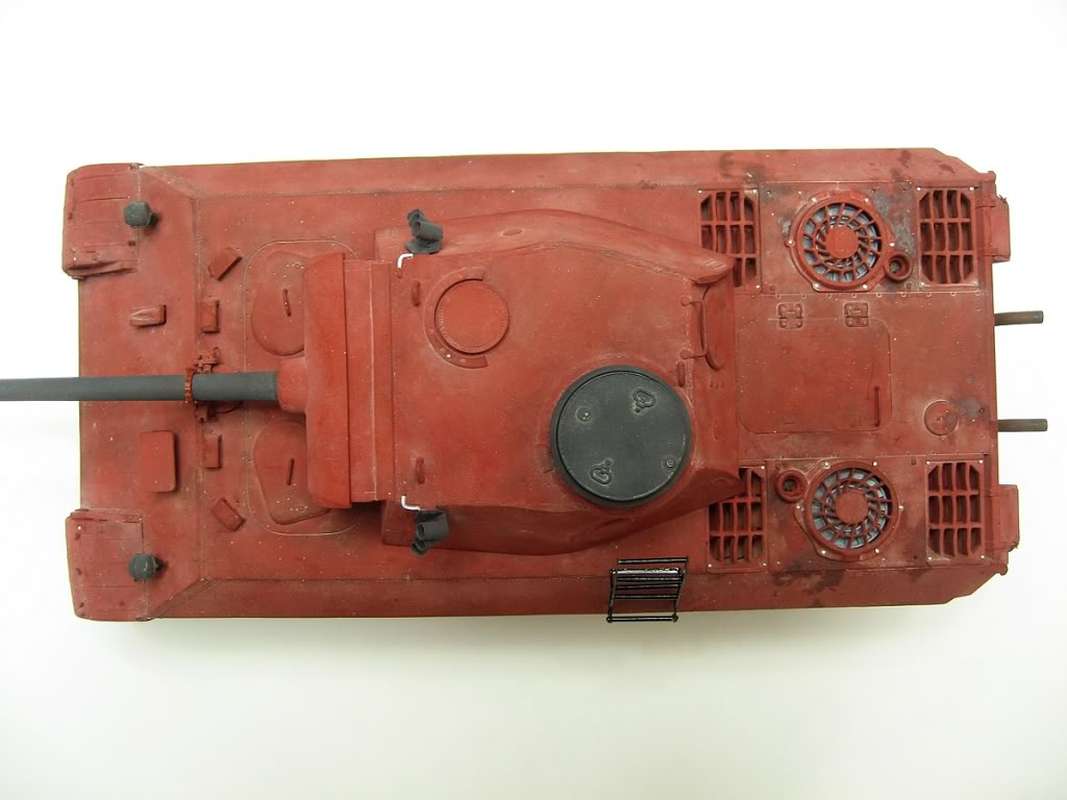
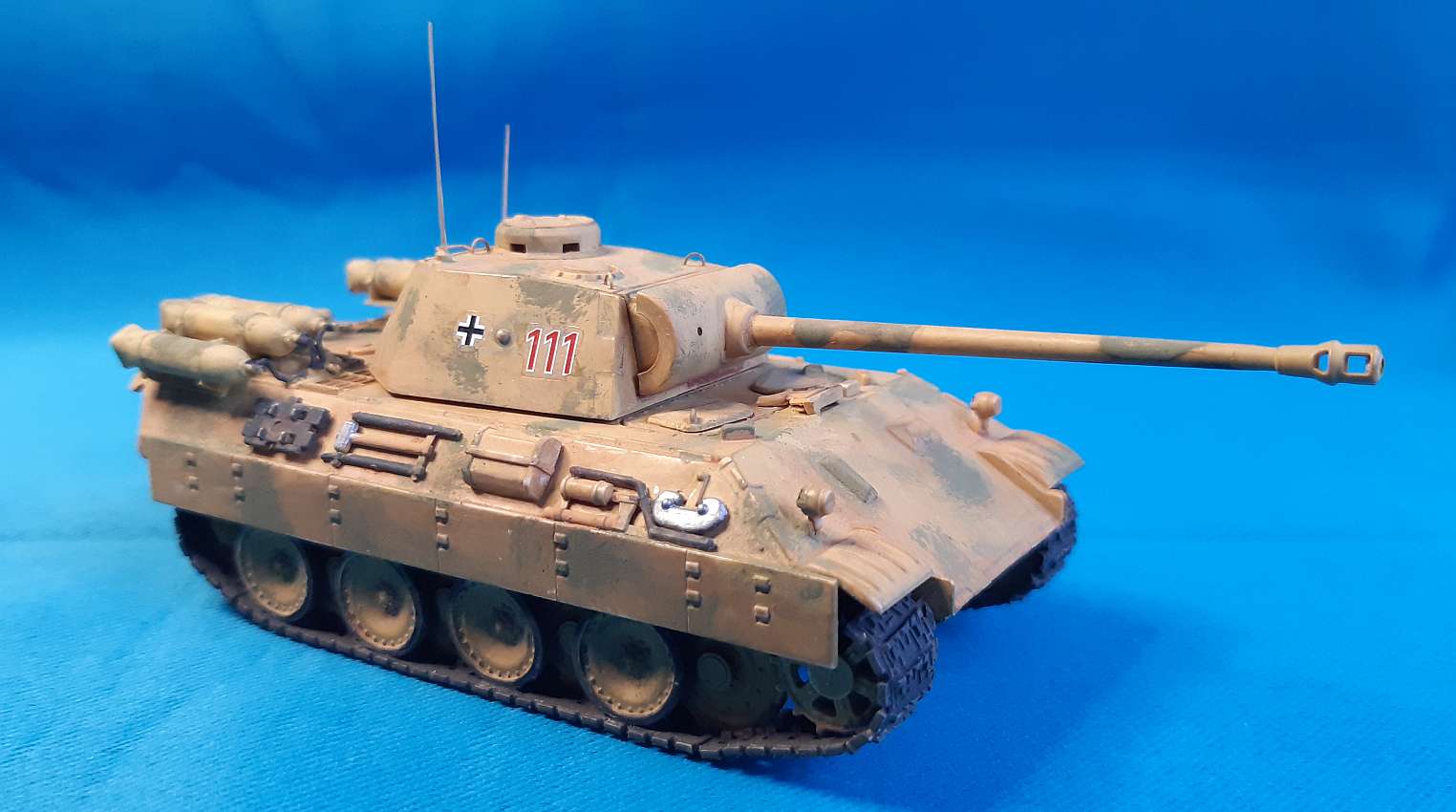
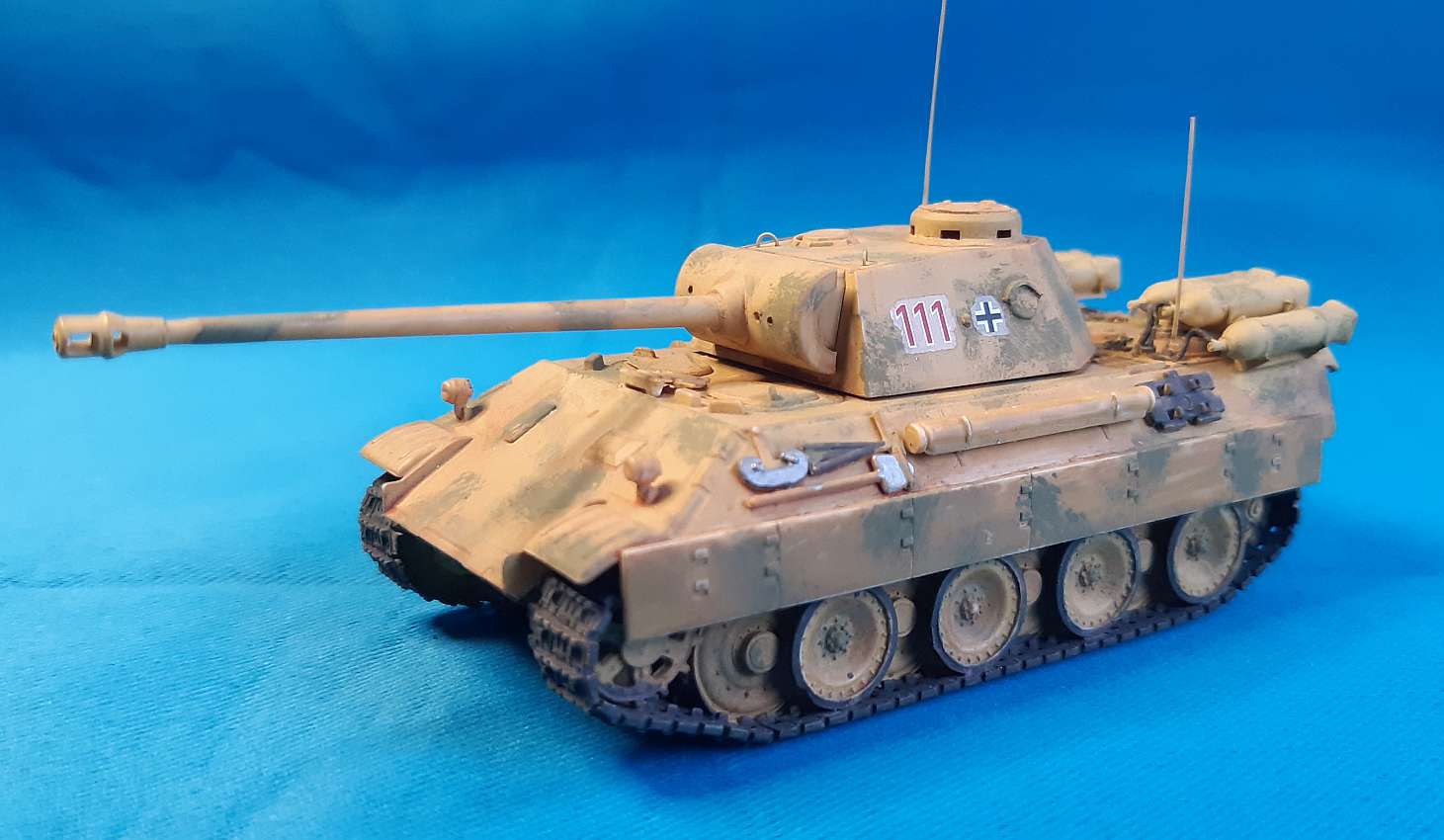
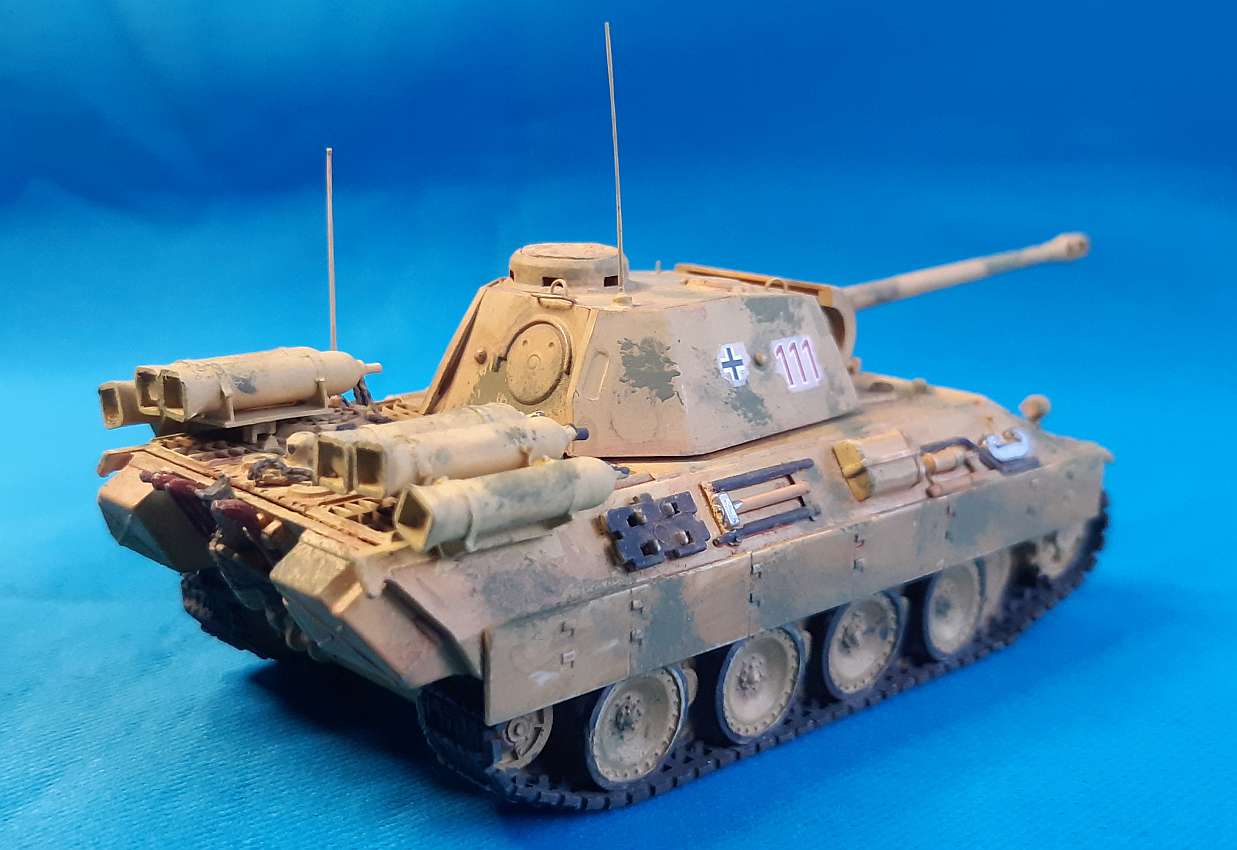
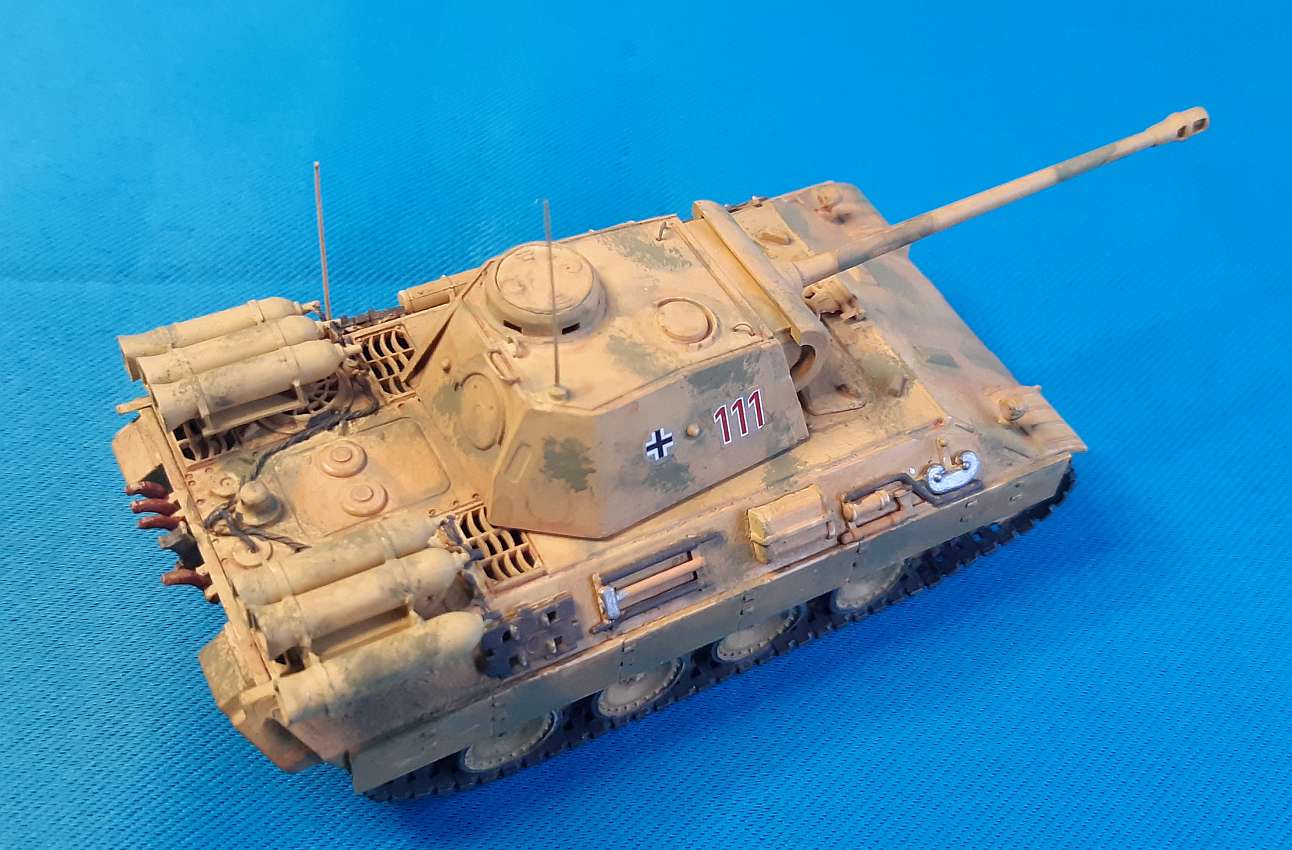
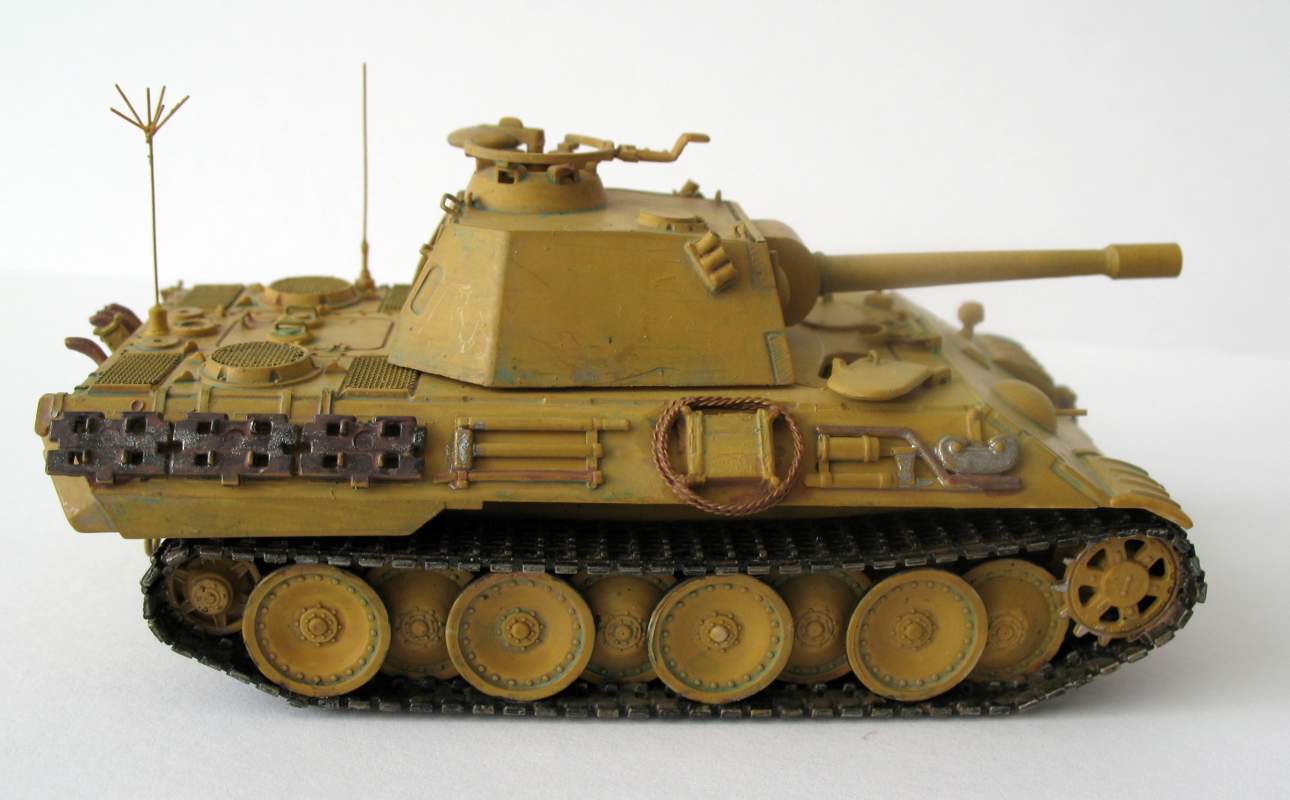
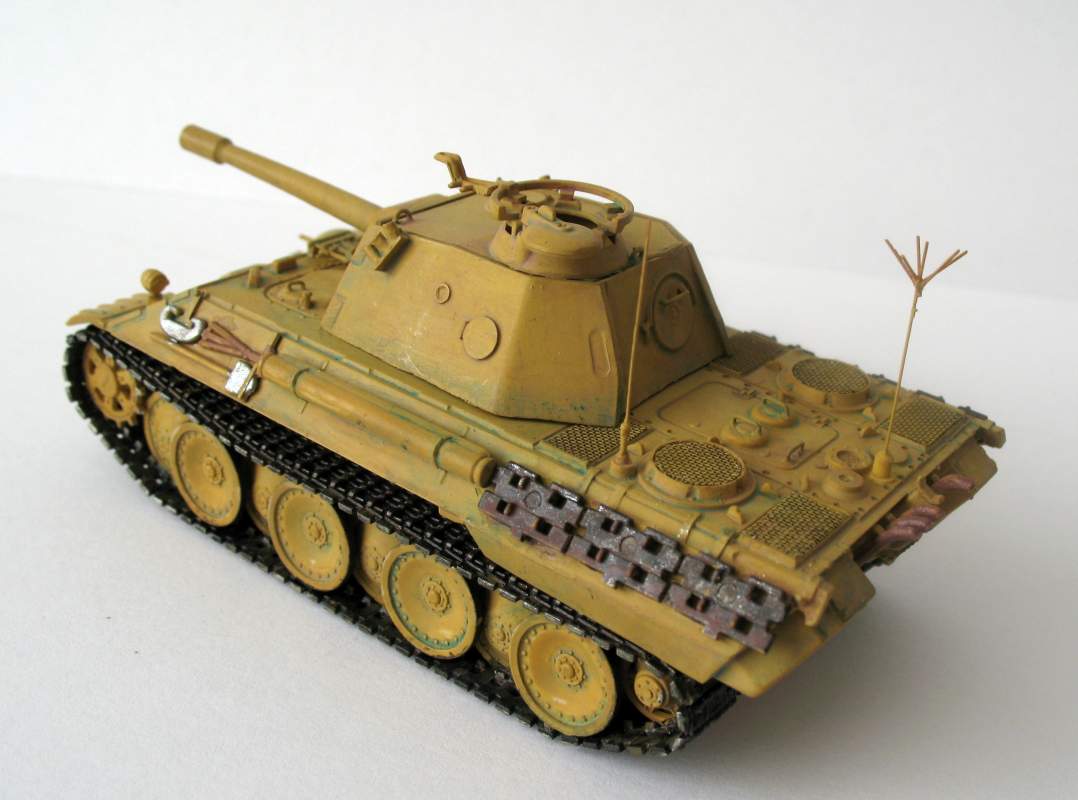
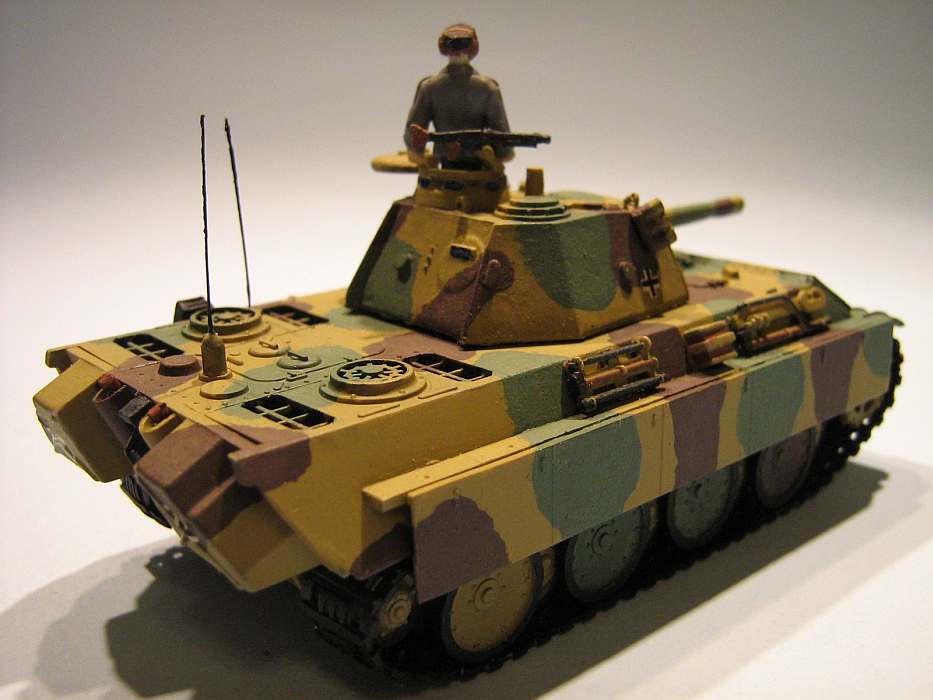
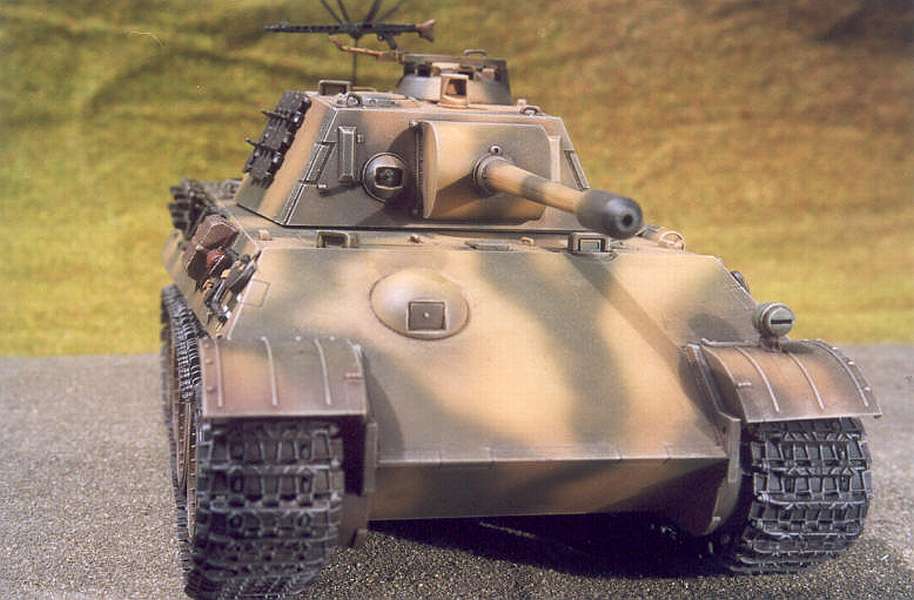
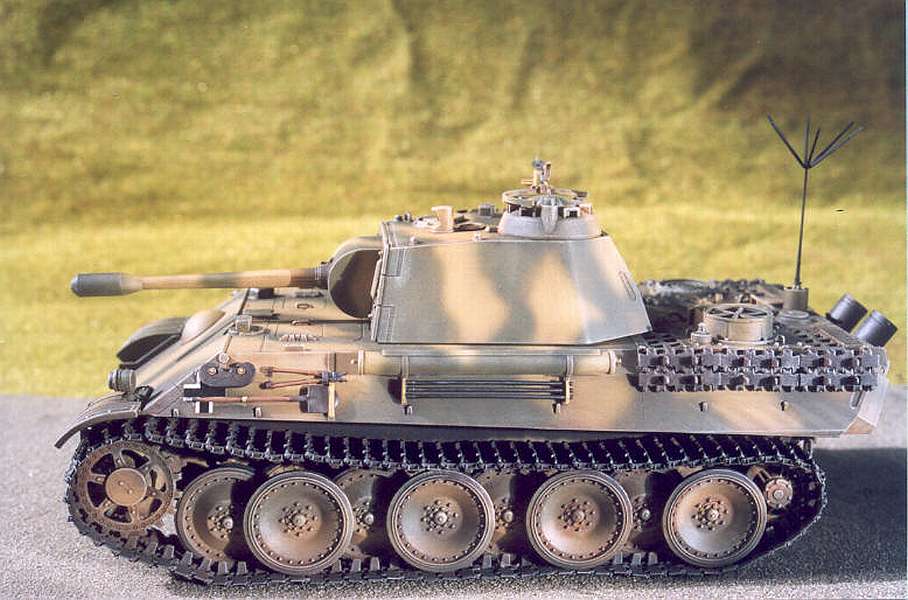
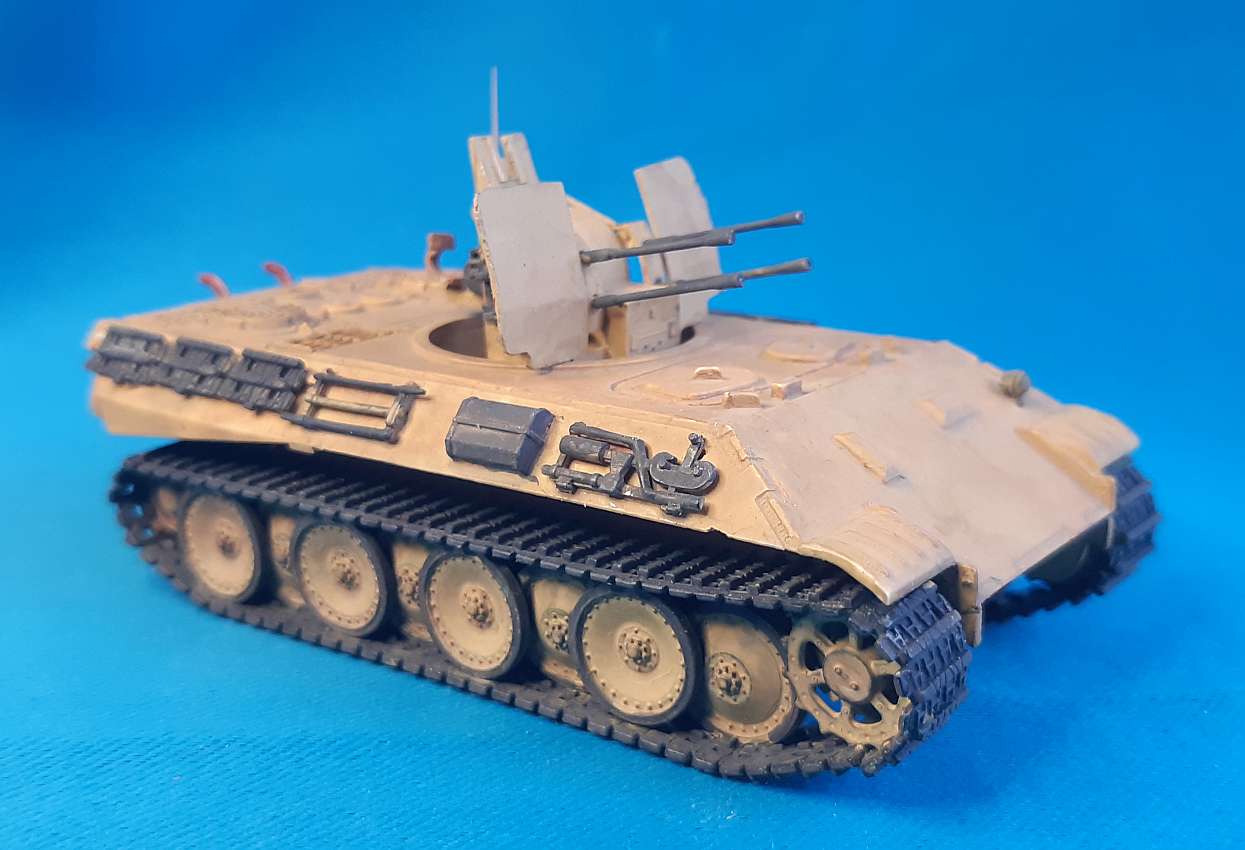
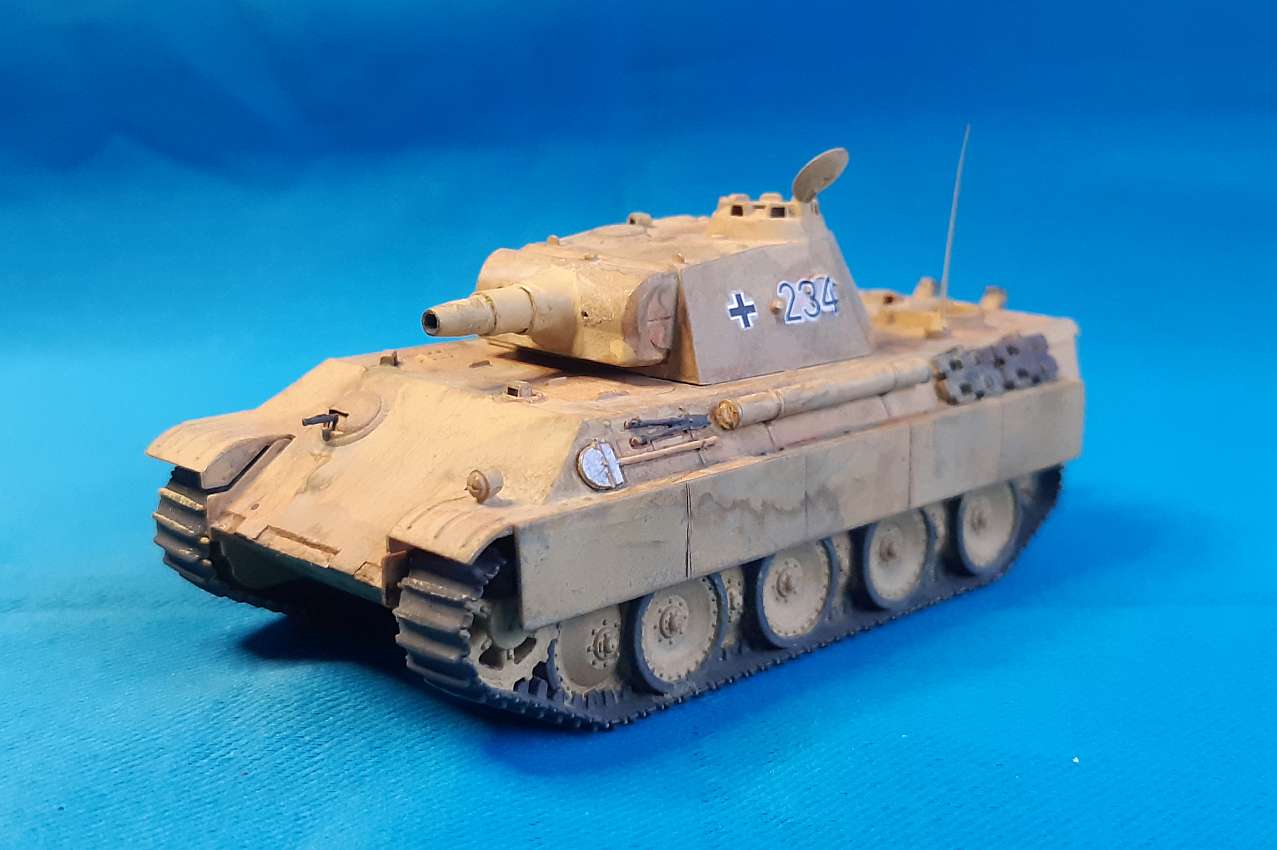
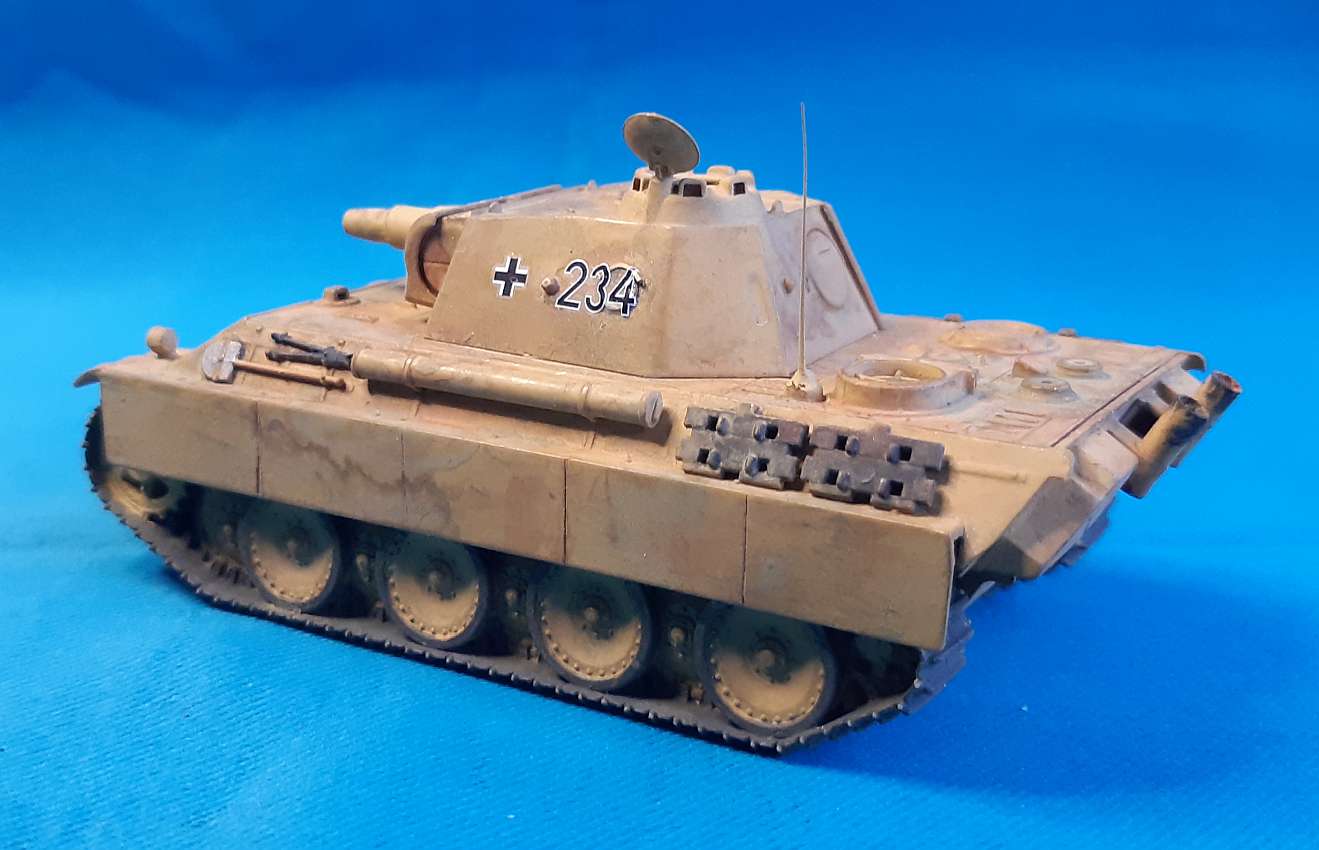
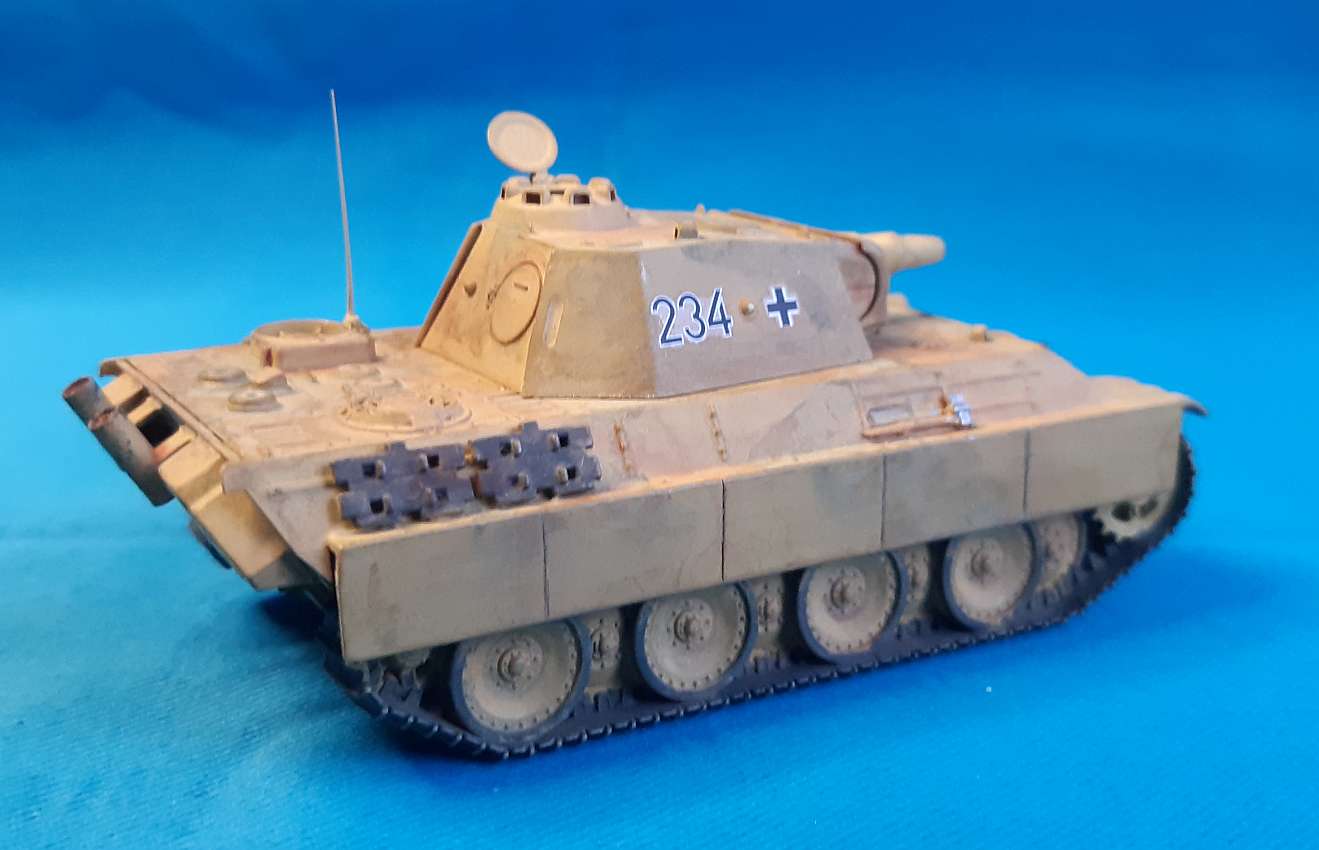
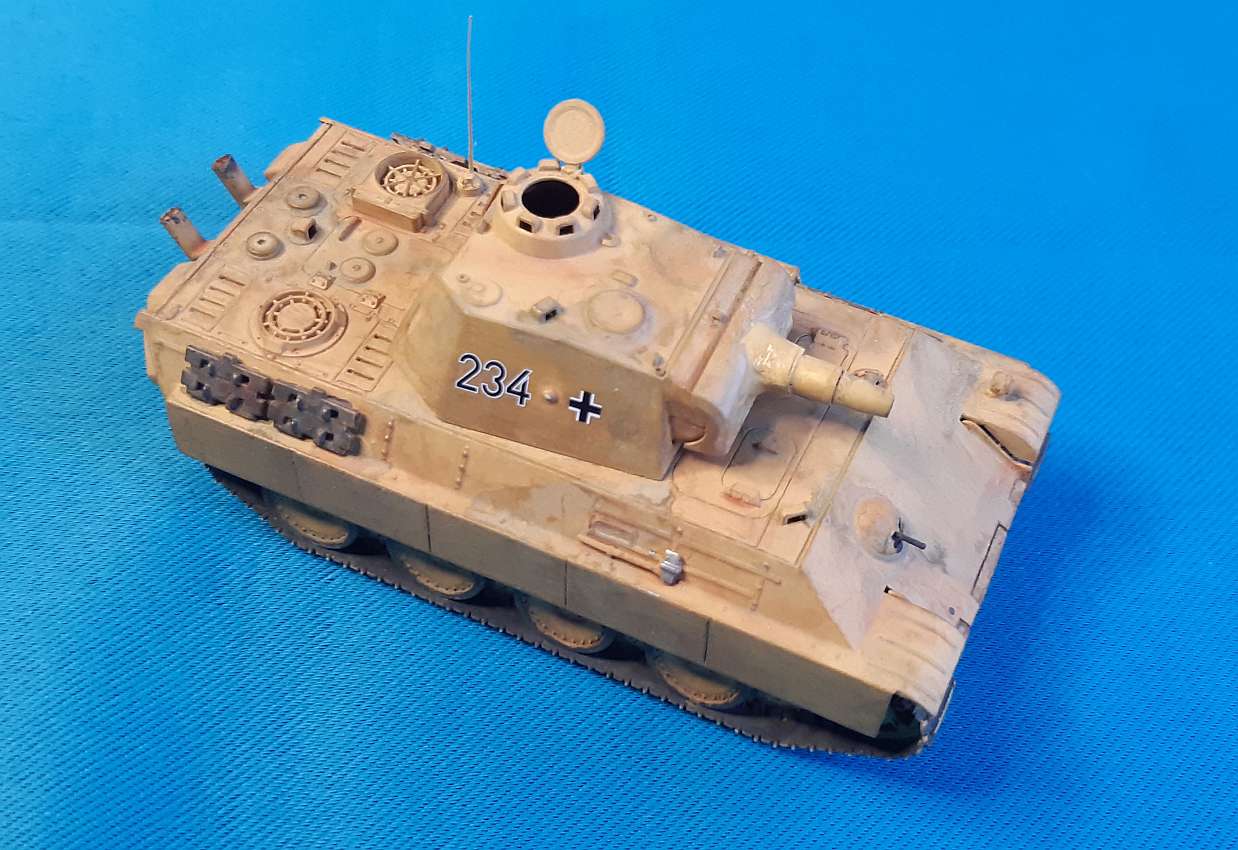
Panzer V - "Panther" and their VARIANTS
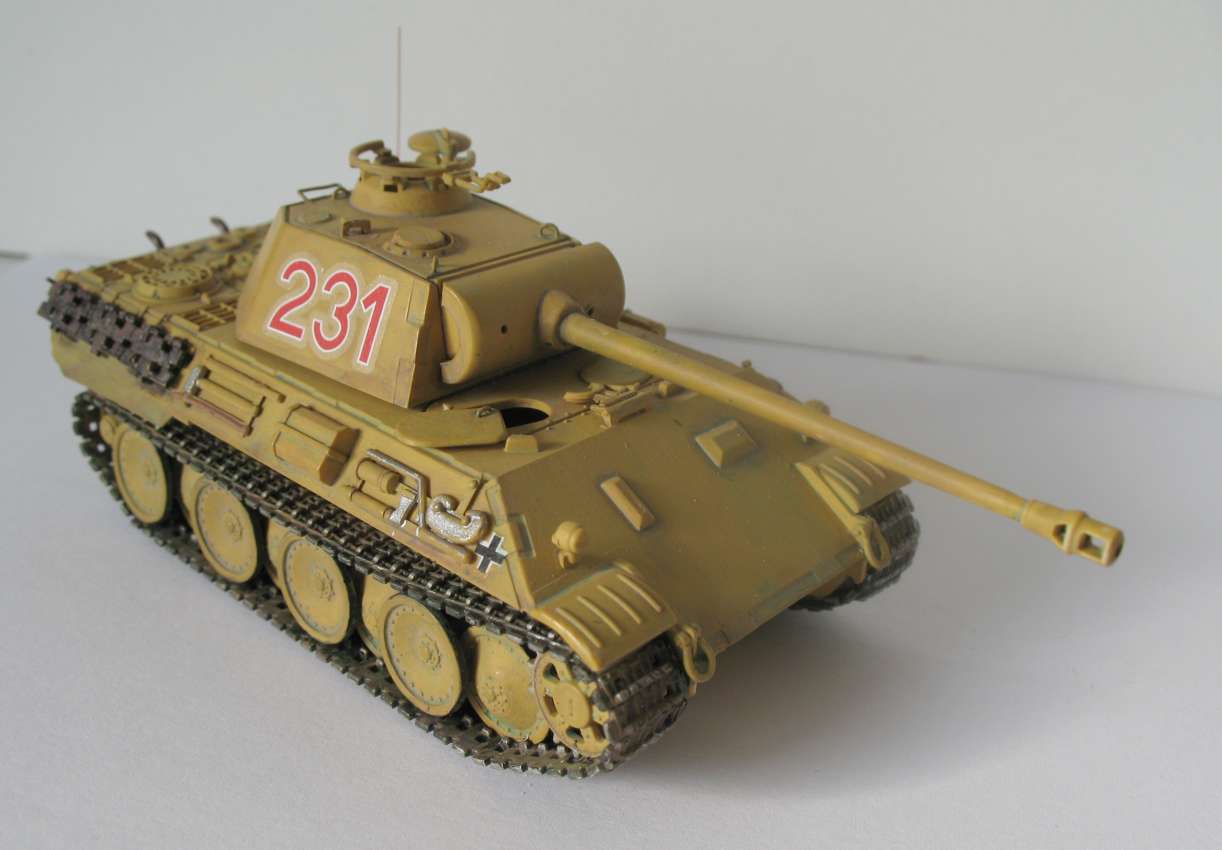
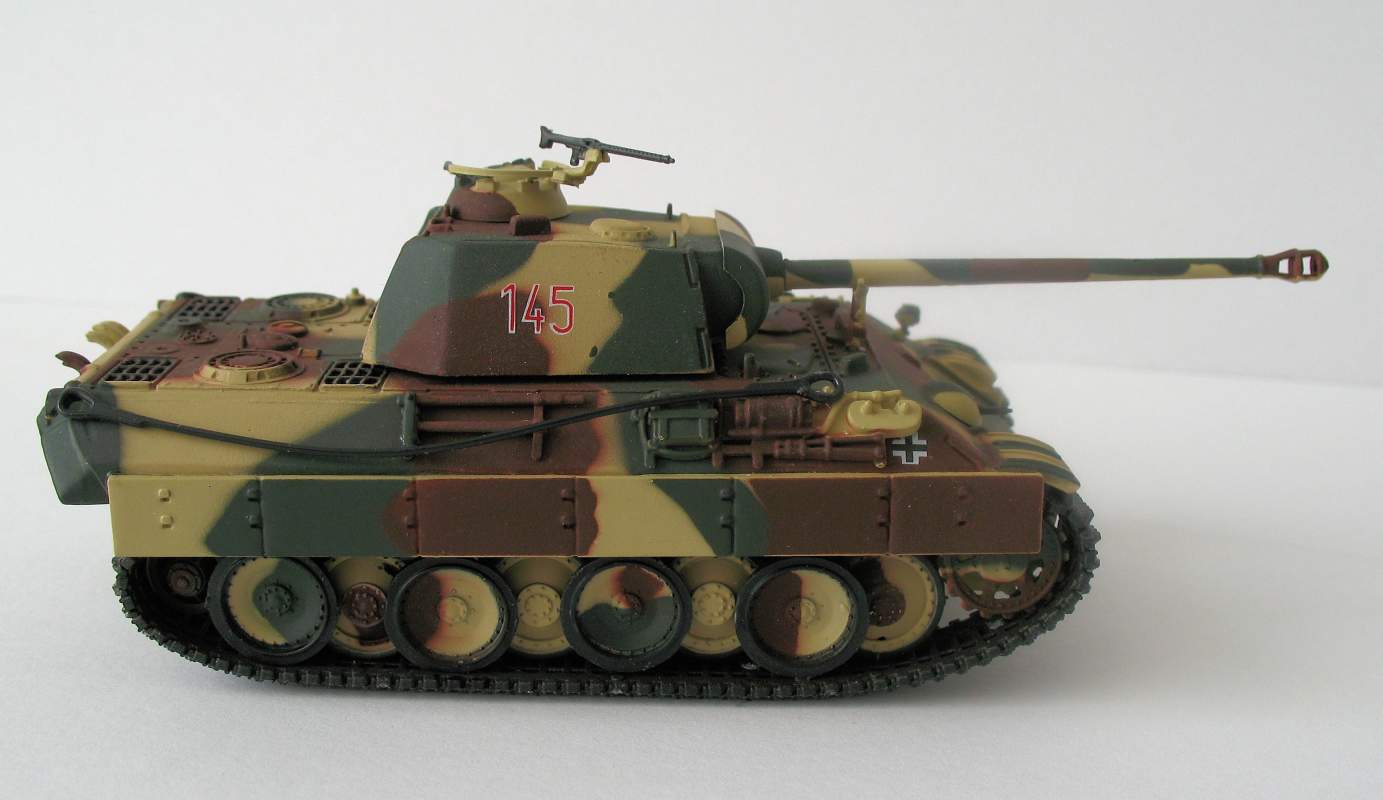
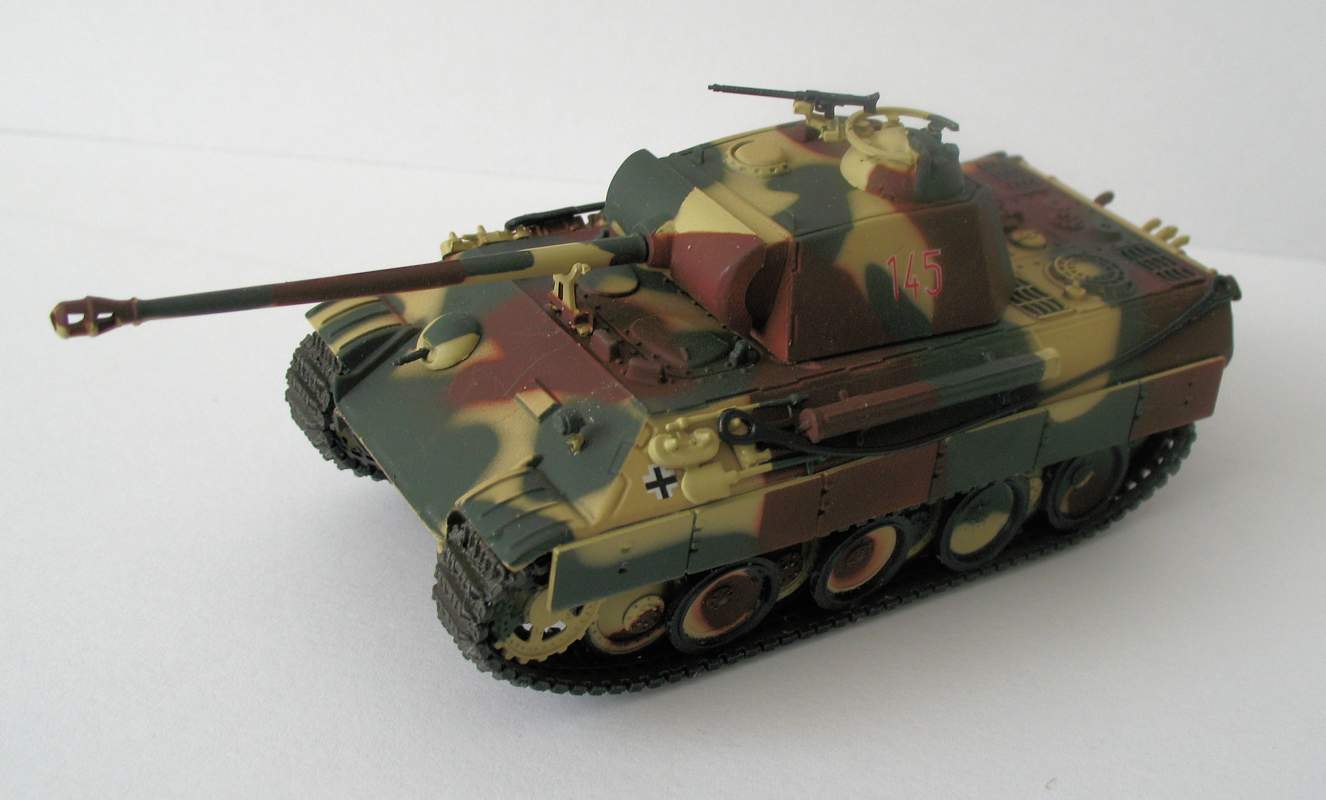
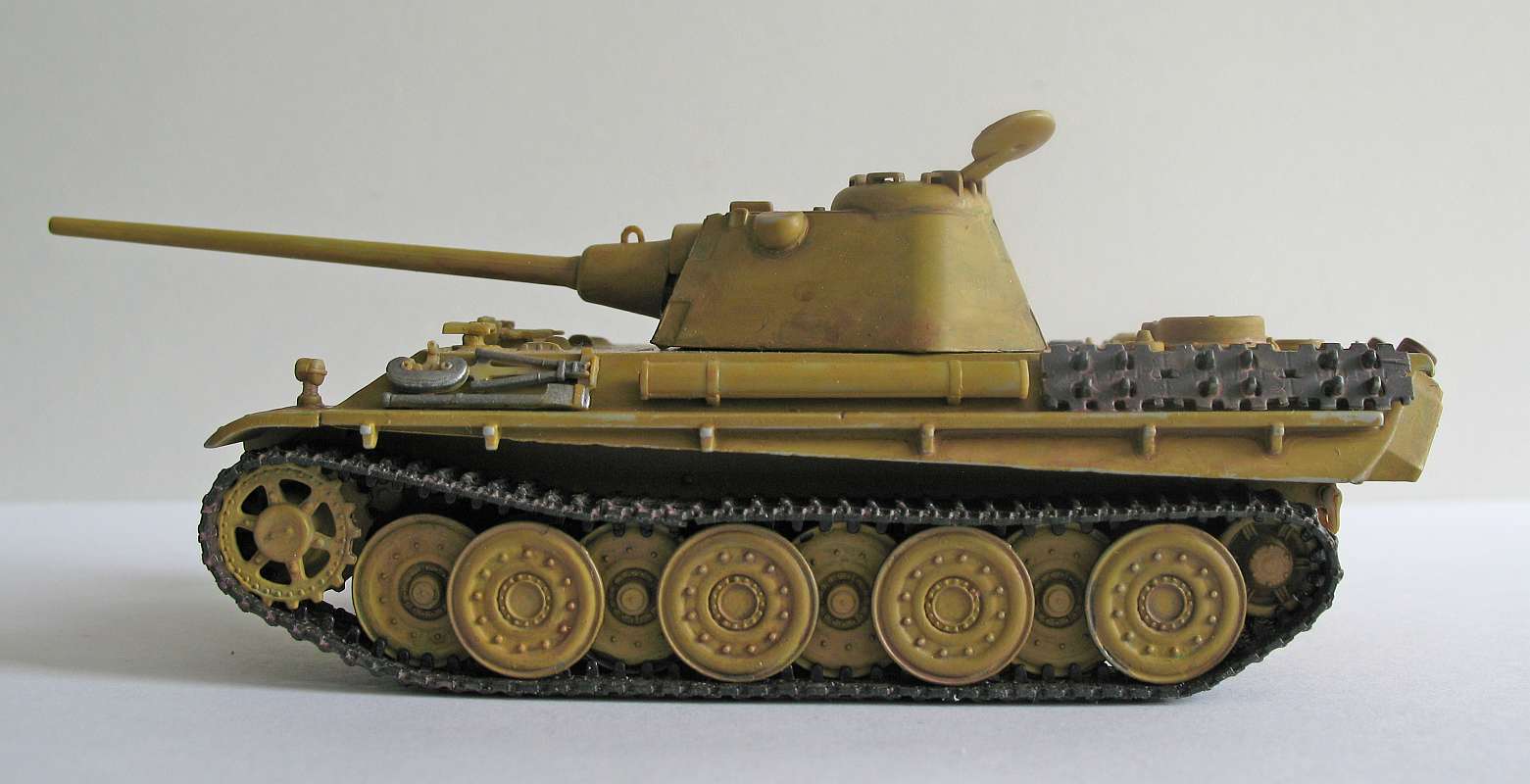
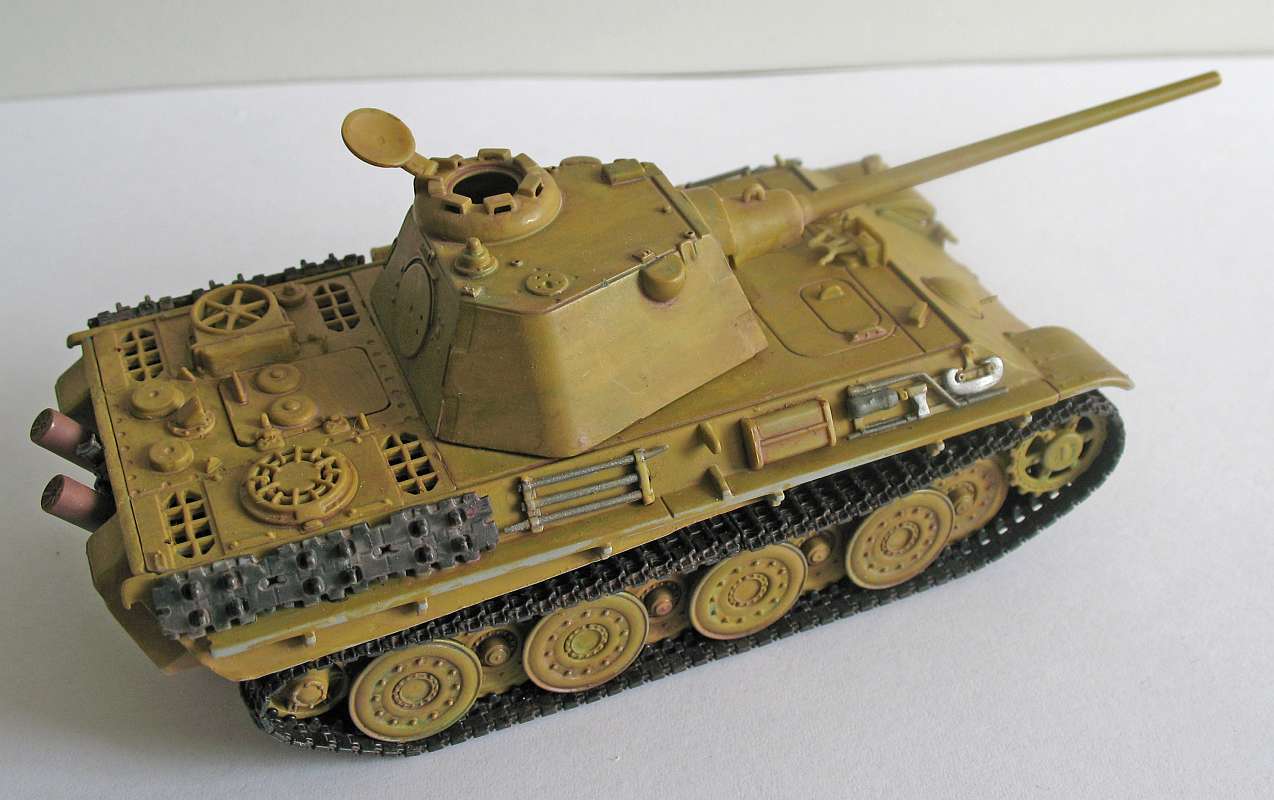
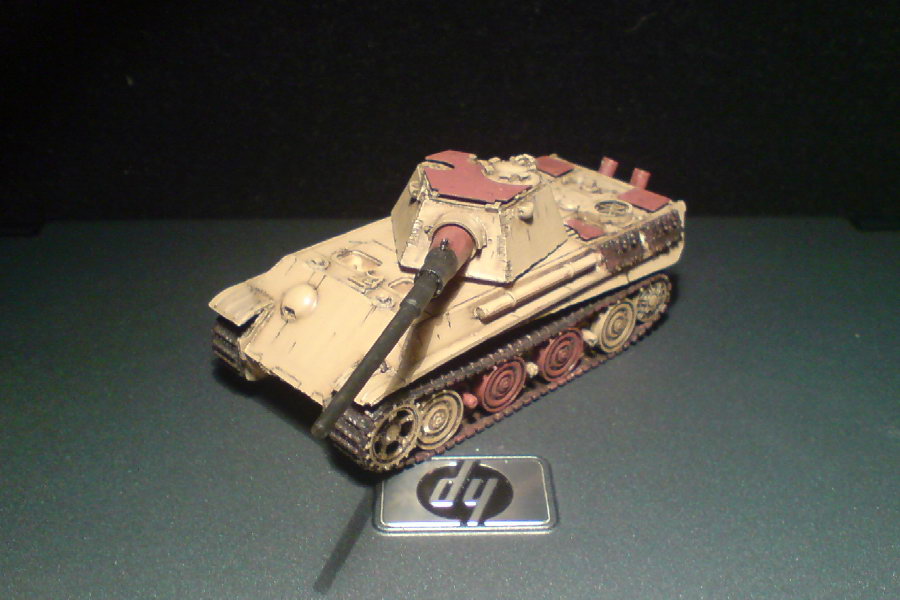
The models below are based on the 1/72 scale Revell, Italeri and Dragon Panthers
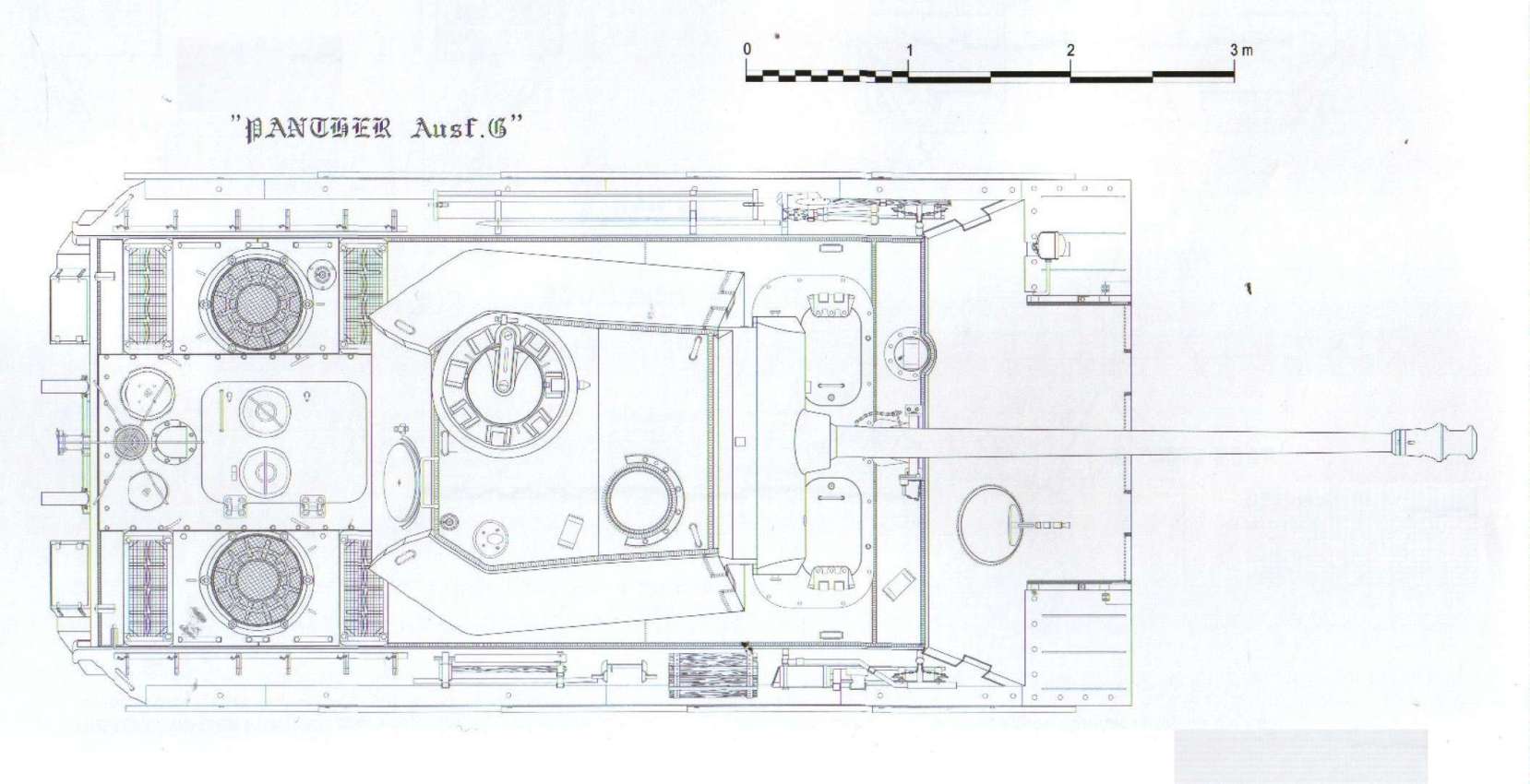
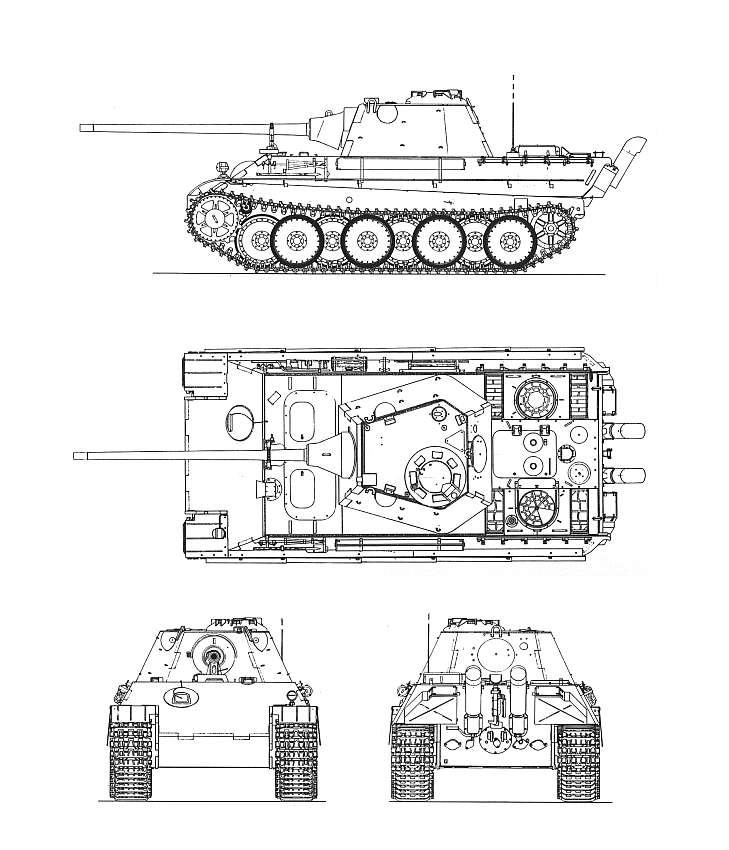
Drawing sources - Tankpower/Trojca books and books from W.J. Spielberger & H.L. Doyle



Click on the Pictures
For "Tanks-Encyclopedia.org" Information about development VK30.01/2 DB (Daimler Benz) and VK30.01/2 (MAN) visit
 "Tanks-Encyclopedia.org", website
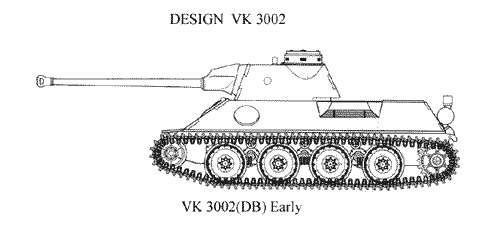
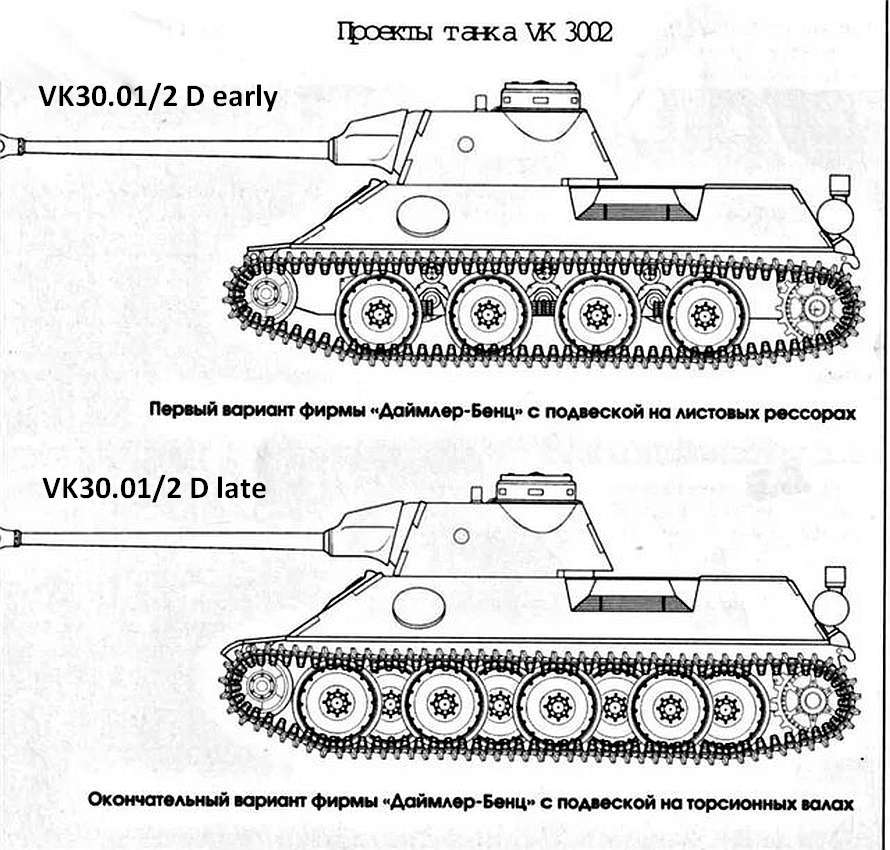
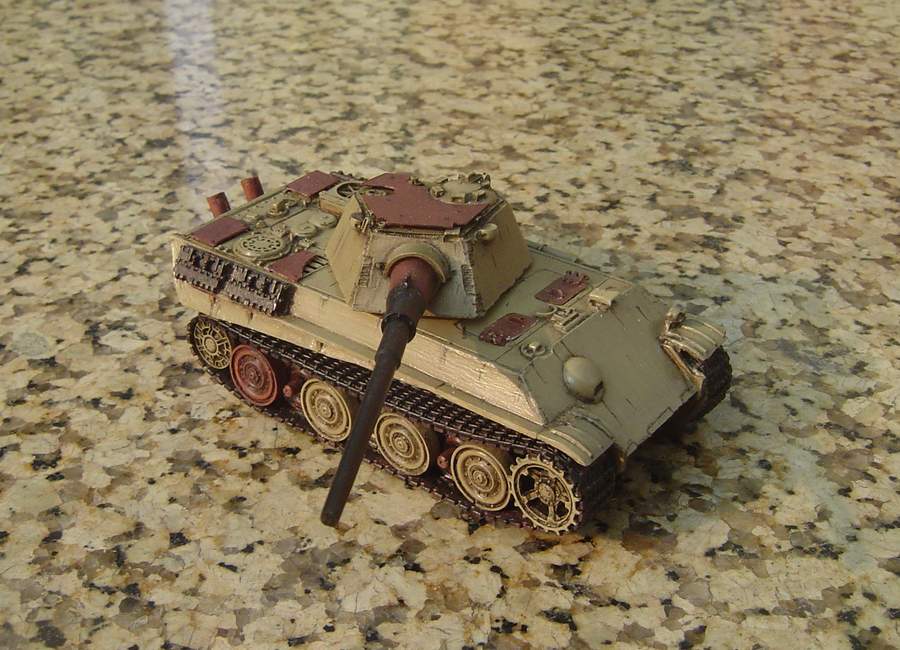
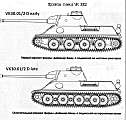
VK30.01 DB - DaimlerBenz proposal - initial version - proposal (1) - (big wheels with returnrollers)
The VK 30.01 (D) was Daimler-Benz's early 1941 proposal for a new 30-ton tank to replace the Panzer III and IV. The design was a direct response to the superior Russian T-34 and bore striking similarities to it.



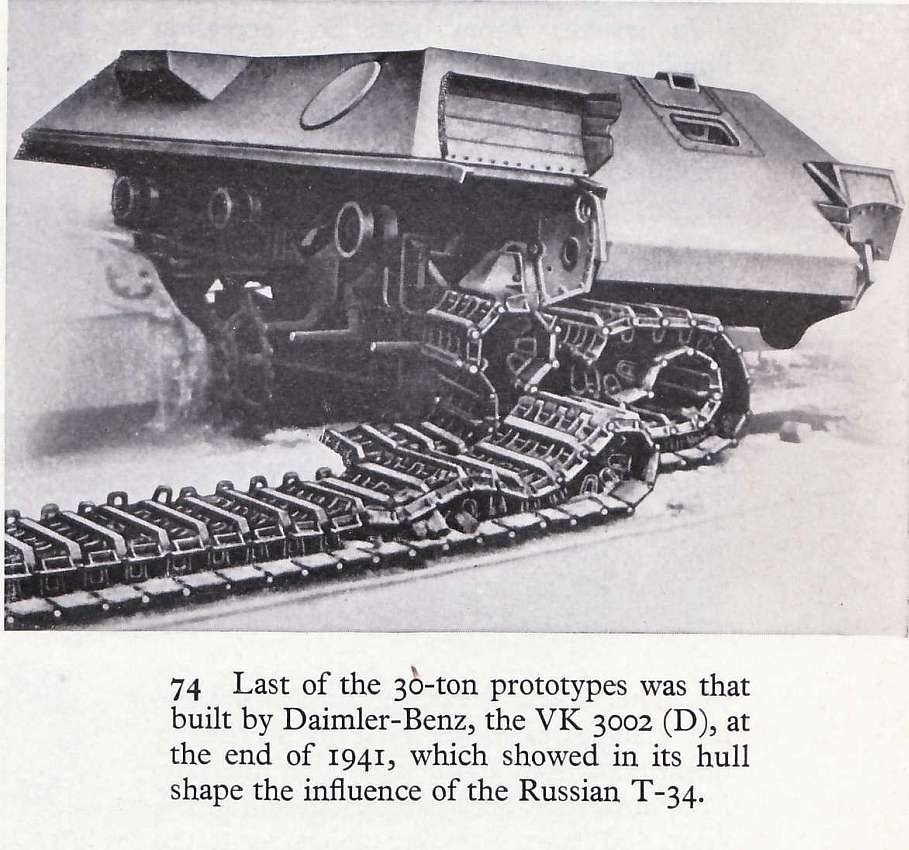
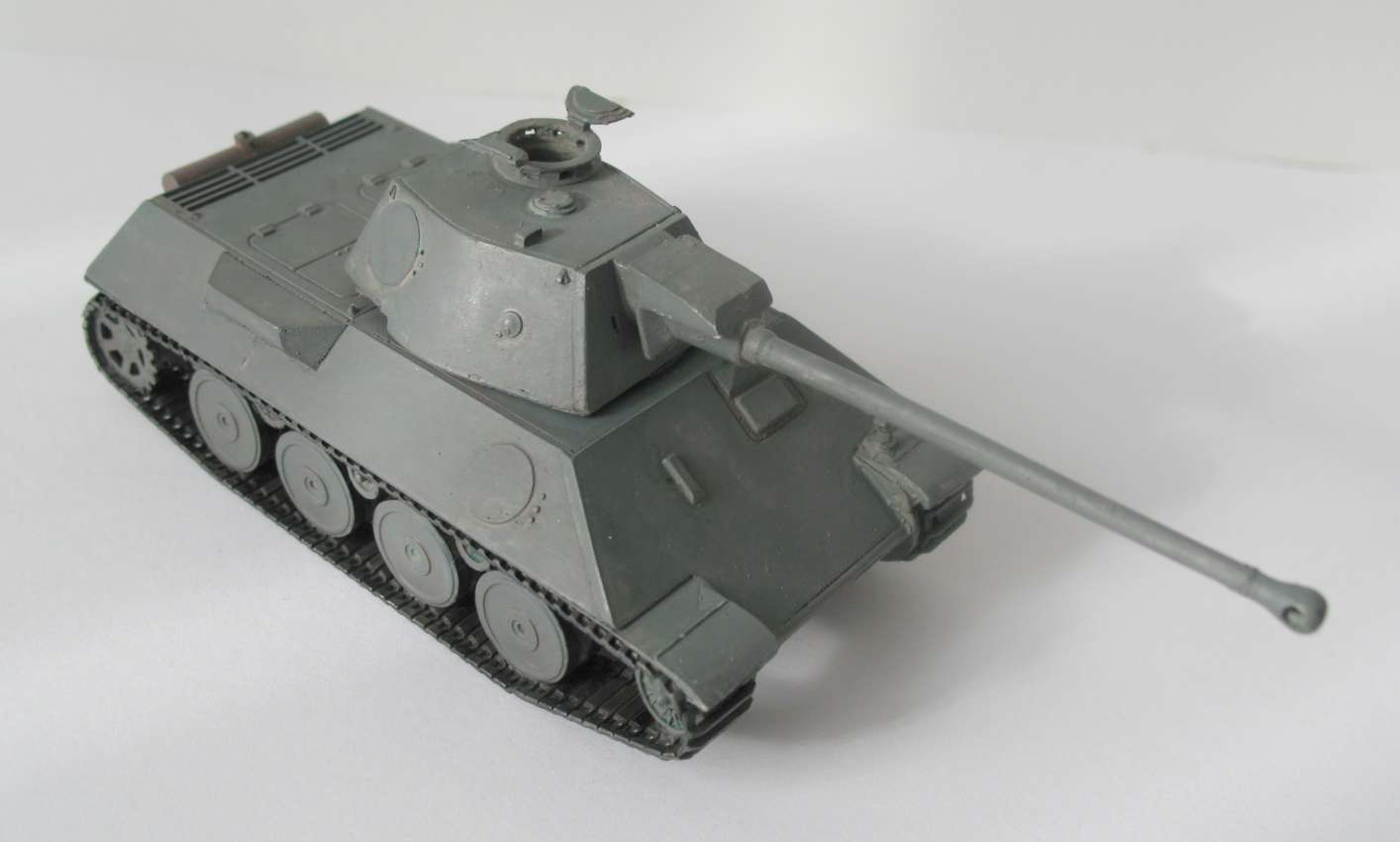
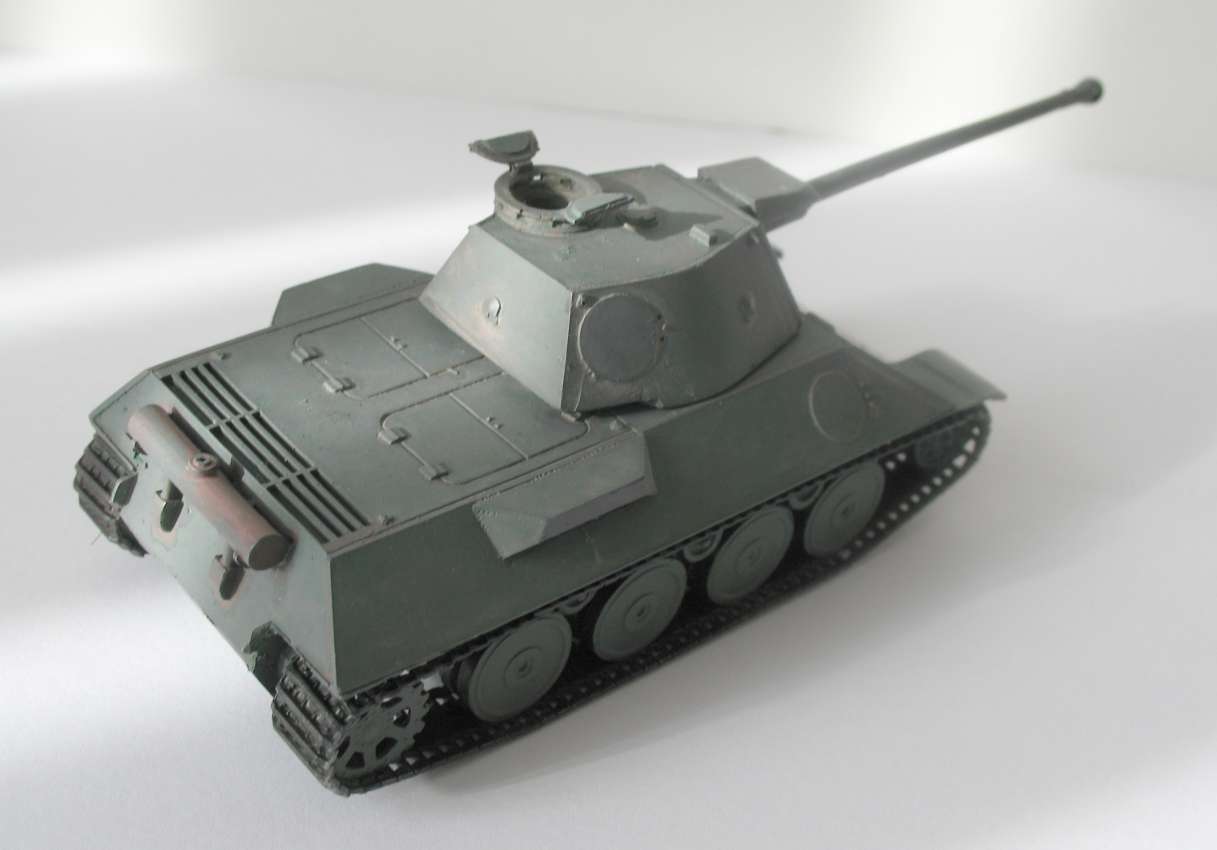
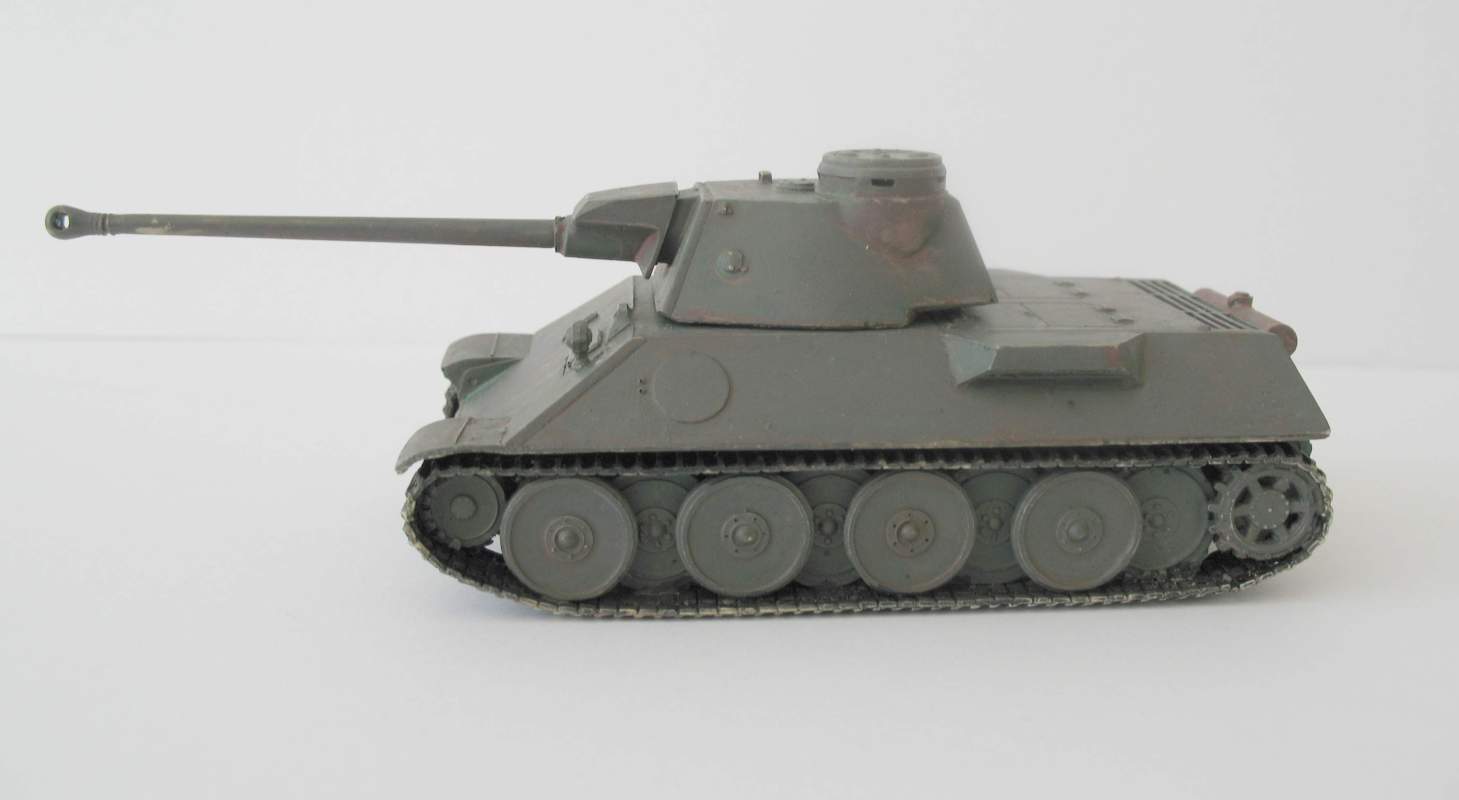
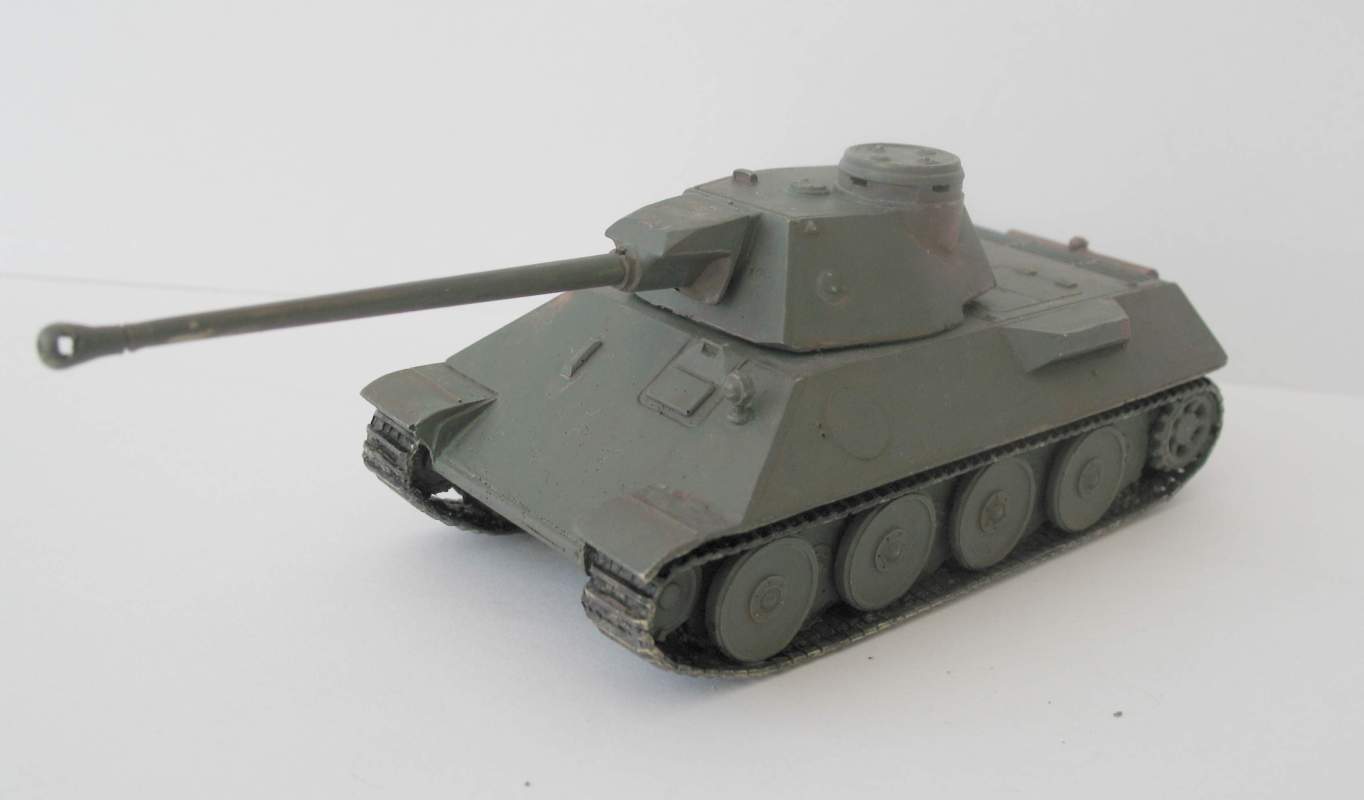
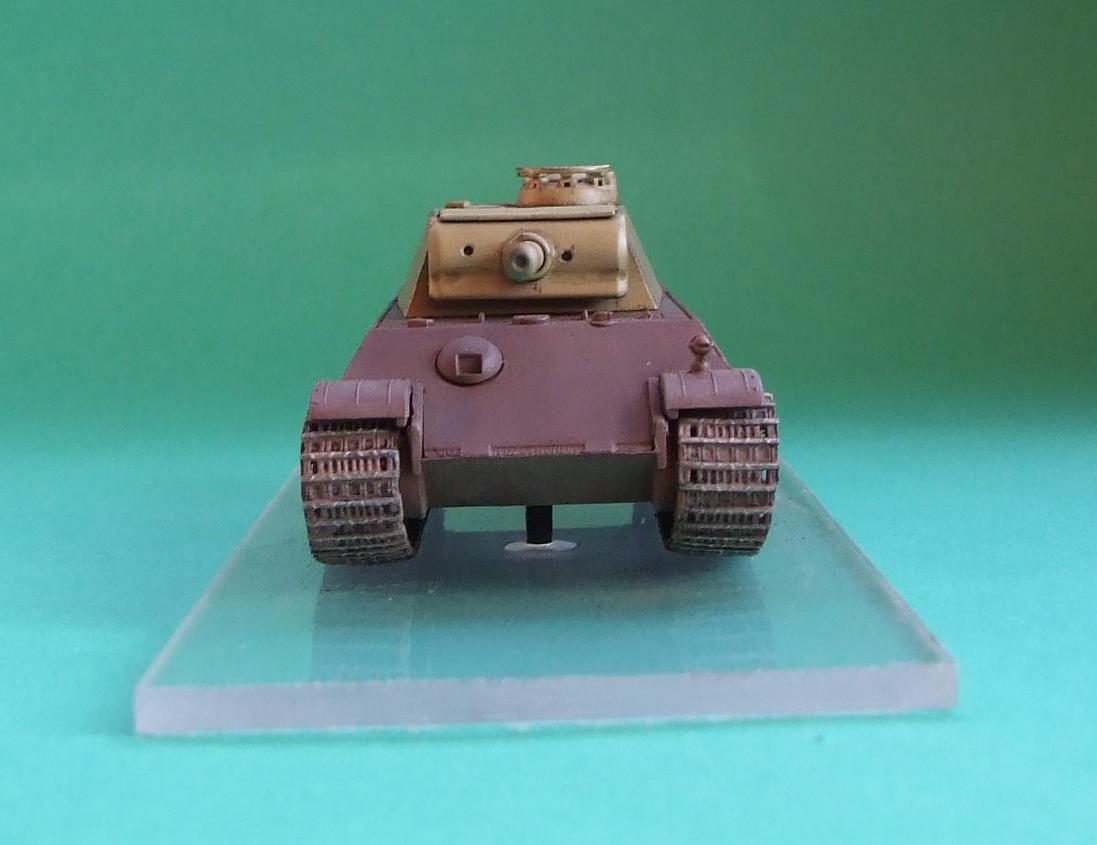
VK30.02 DB - (DaimlerBenz) proposal (2)
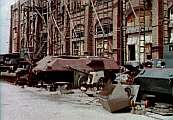
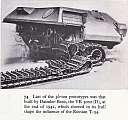
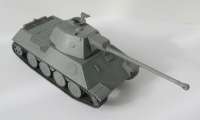
The VK 30.02 (D) (Daimler-Benz) was a German medium tank prototype of World War II, developed in response to the Soviet T-34. The design was rejected in favor of the competing MAN design, which eventually became the Panzerkampfwagen V Panther. Only one incomplete prototype was built

For "Wikipedia.org" Information about VK30.01/2 DB (Daimler Benz), visit
 "Wikipedia", website


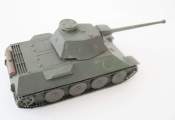


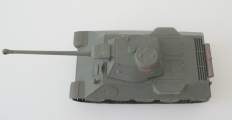
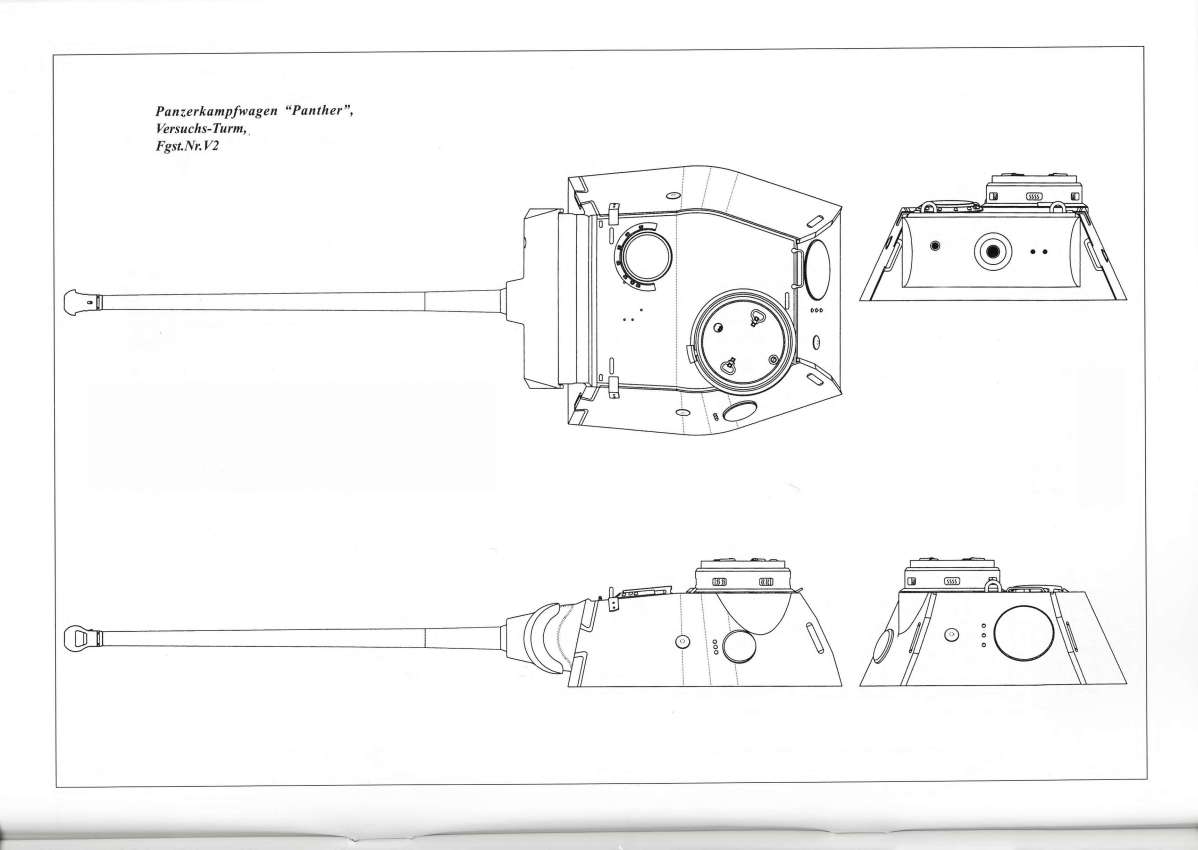
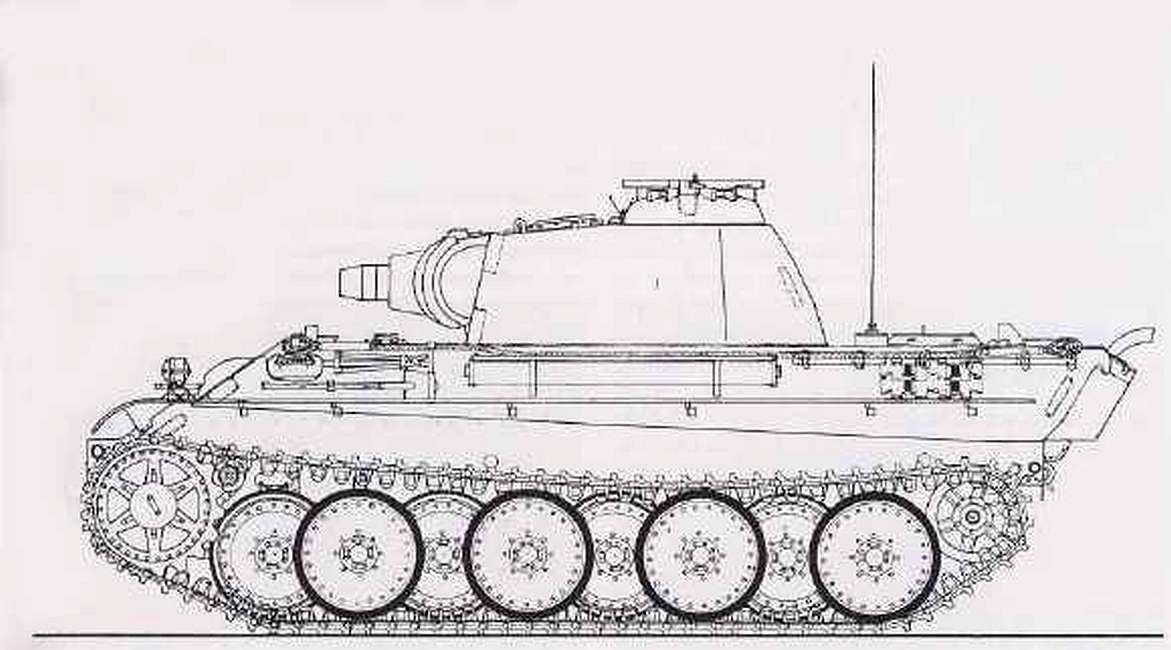
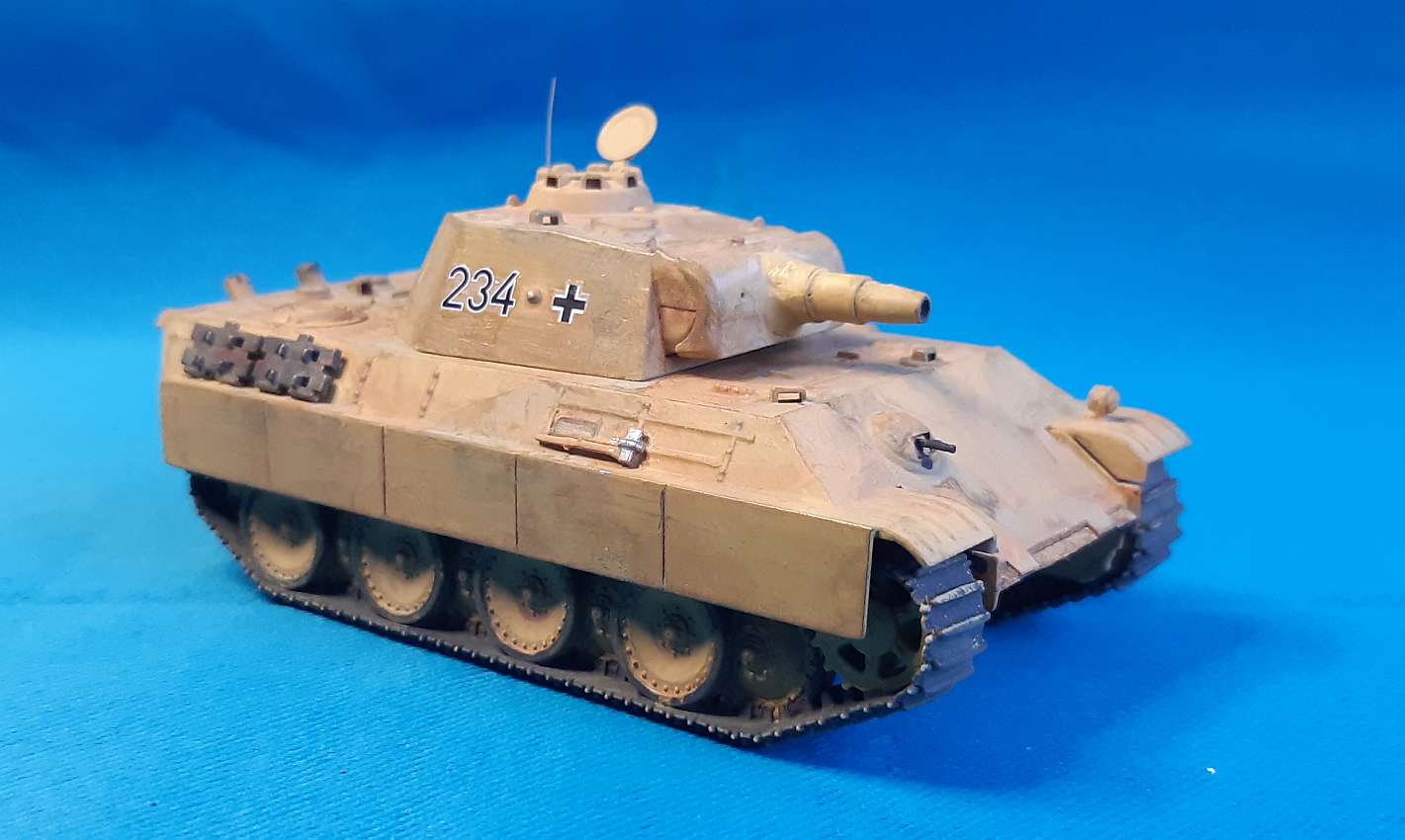
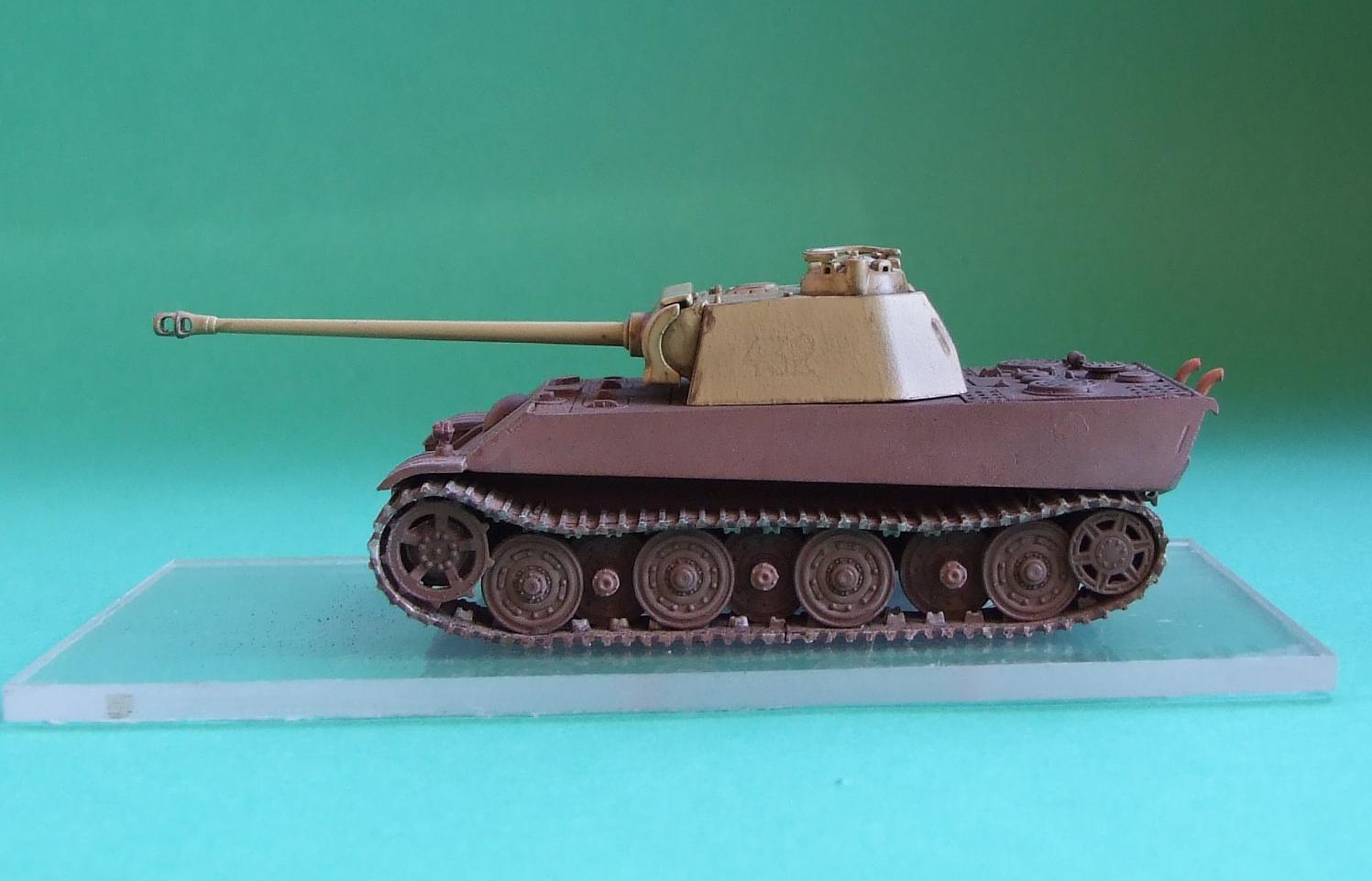
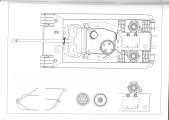
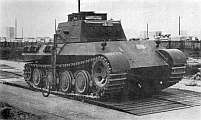
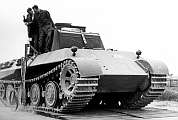
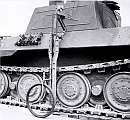
VK3002 M (MAN) - Accepted Panther D1 version
The VK 30.02 M (MAN) was a prototype medium-weight German tank of World War II that ultimately led to the production of the iconic Panzerkampfwagen V Panther. It was characterized by its innovative sloped armor and powerful armament, designed as a response to the Soviet T-34.


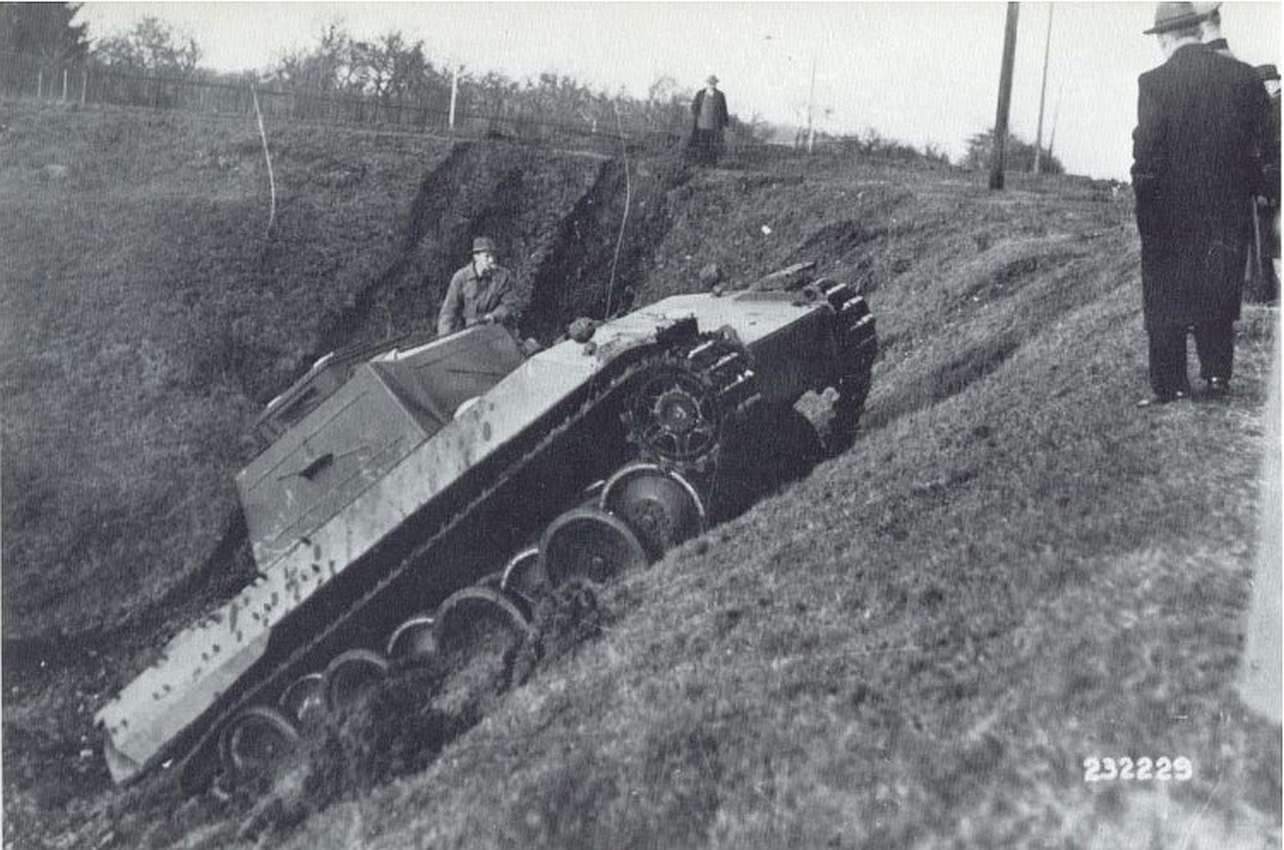
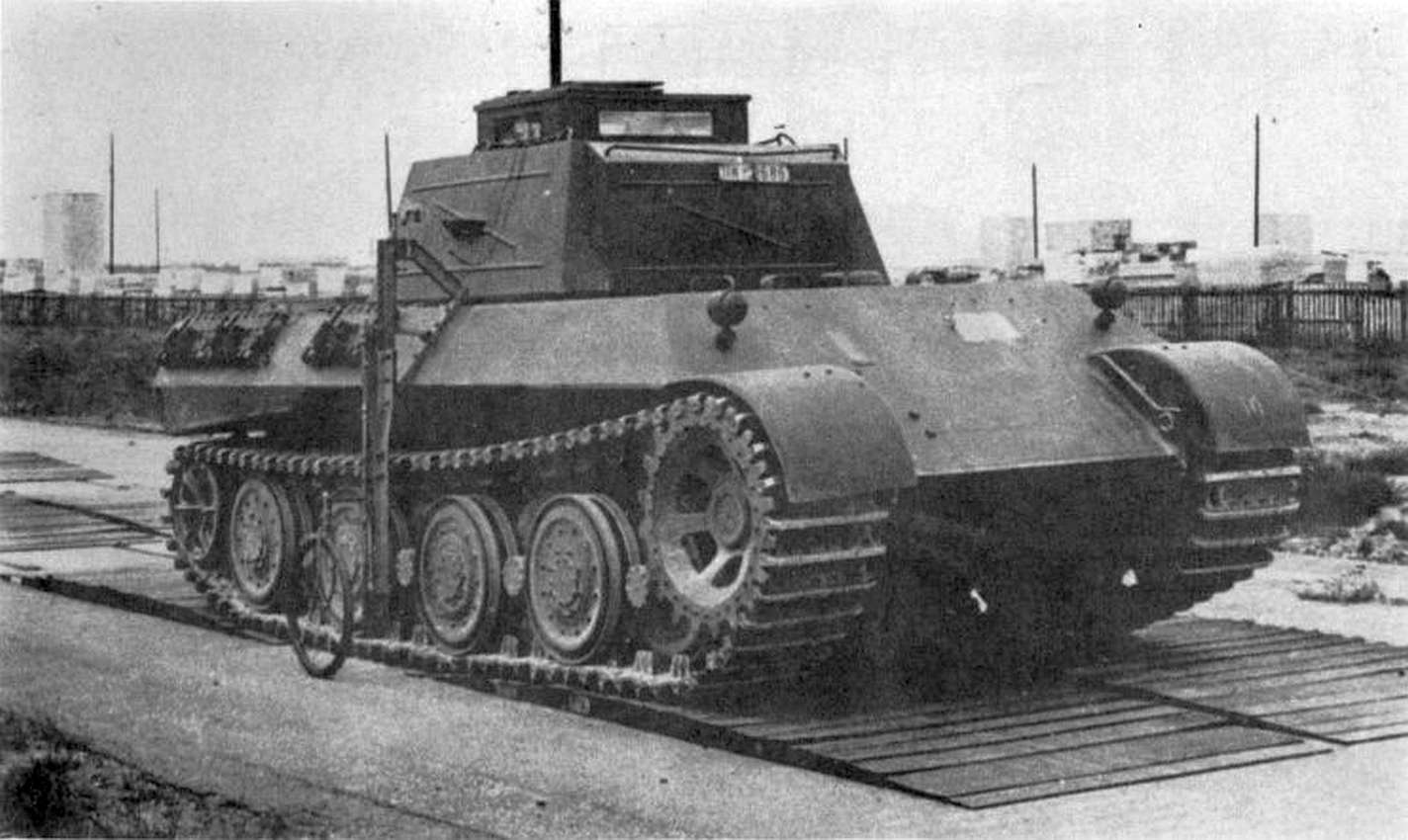
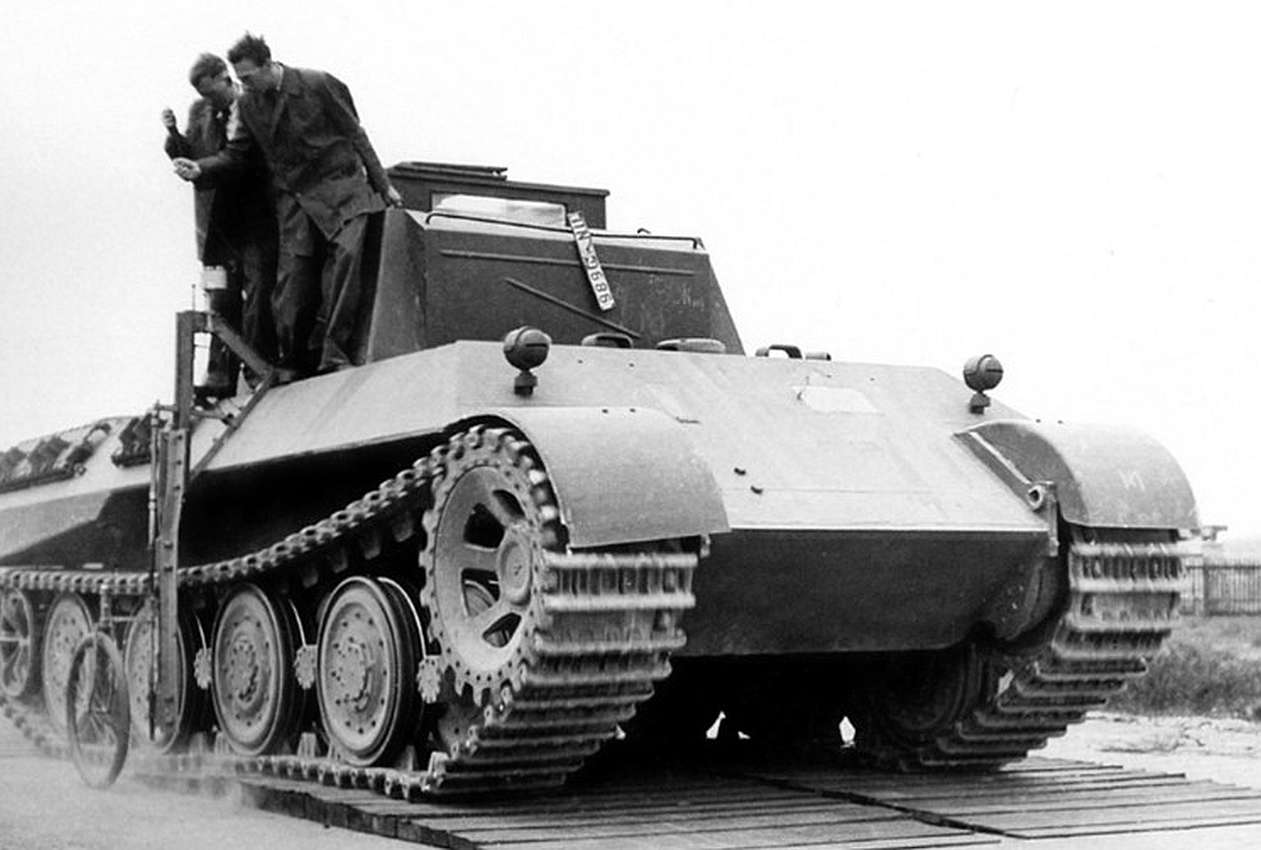
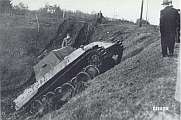
Trials pictures VK3002(Man)
For "Wiki WarThunder" Information about VK3002 M (MAN), visit
 "Wiki WarThunder", website
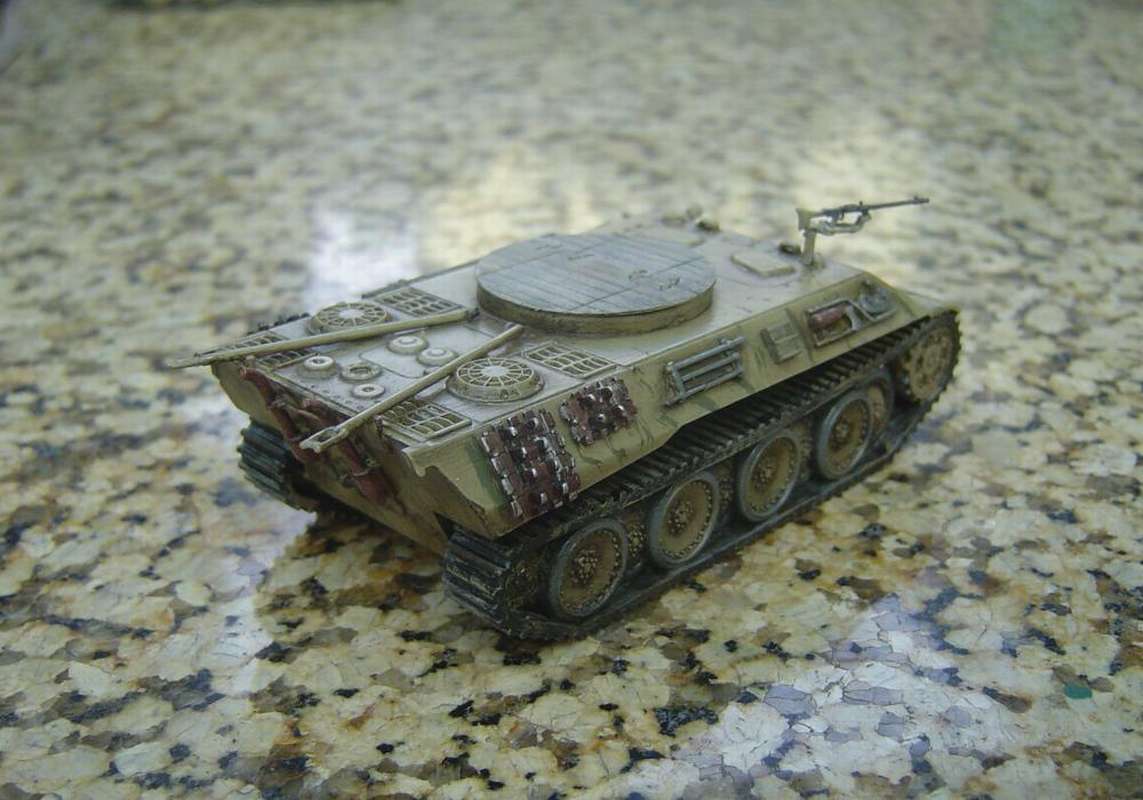
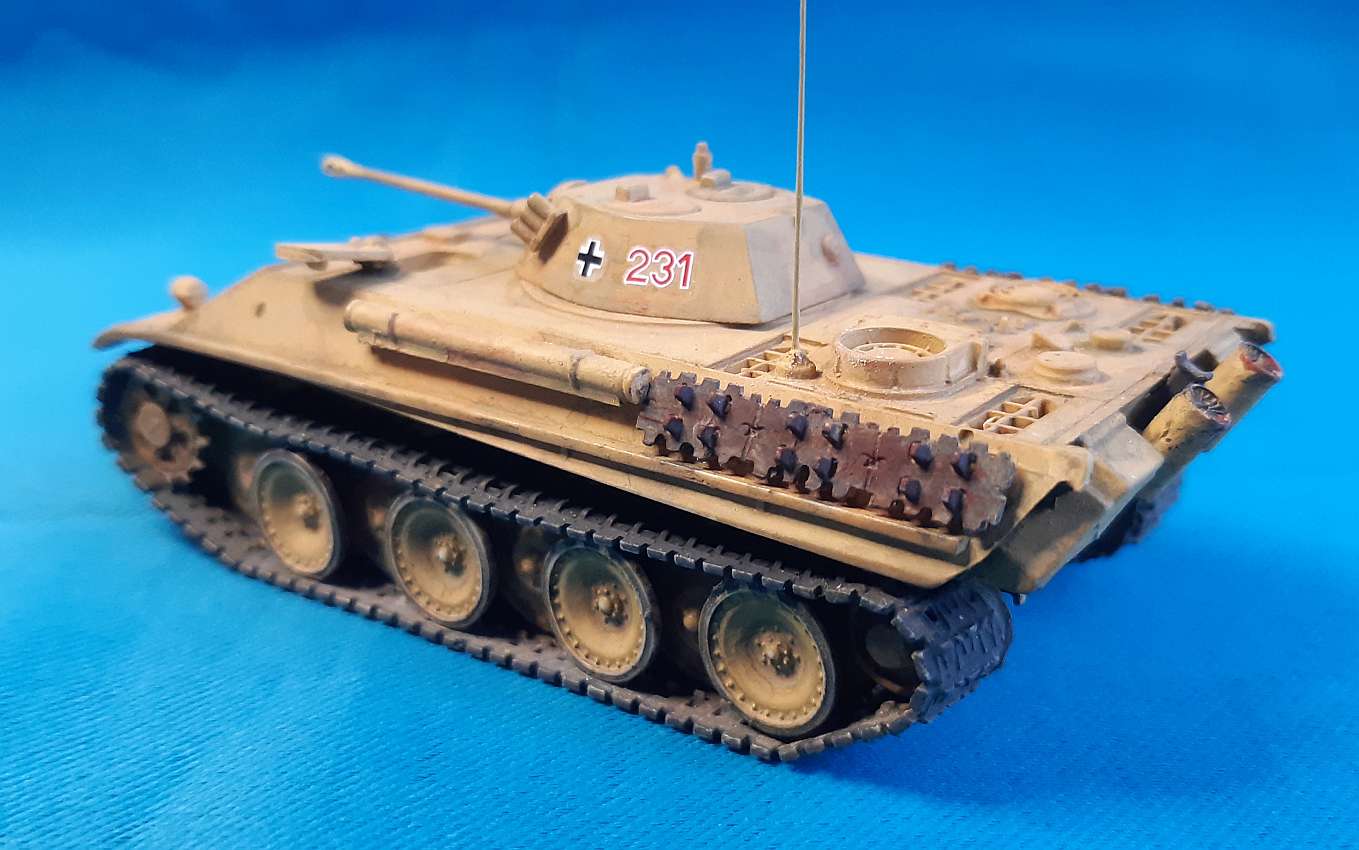
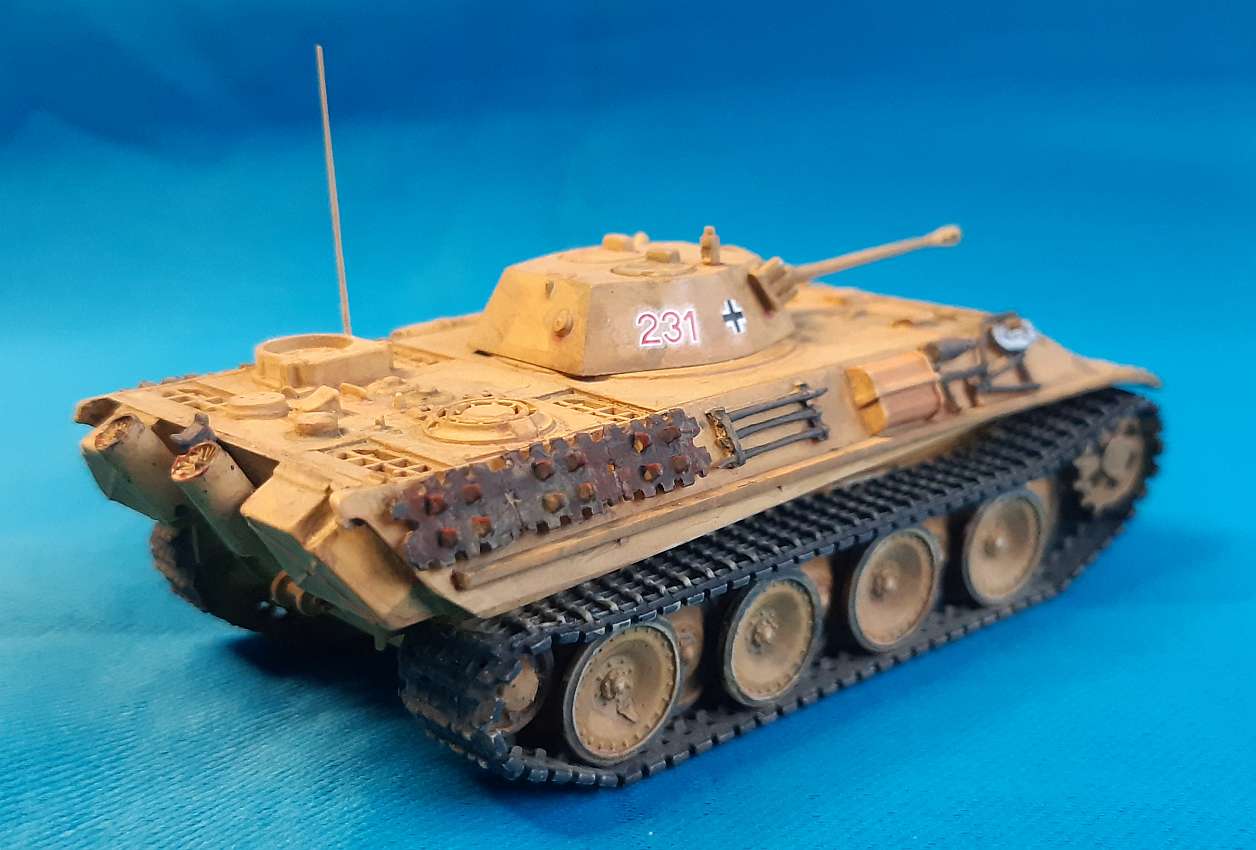
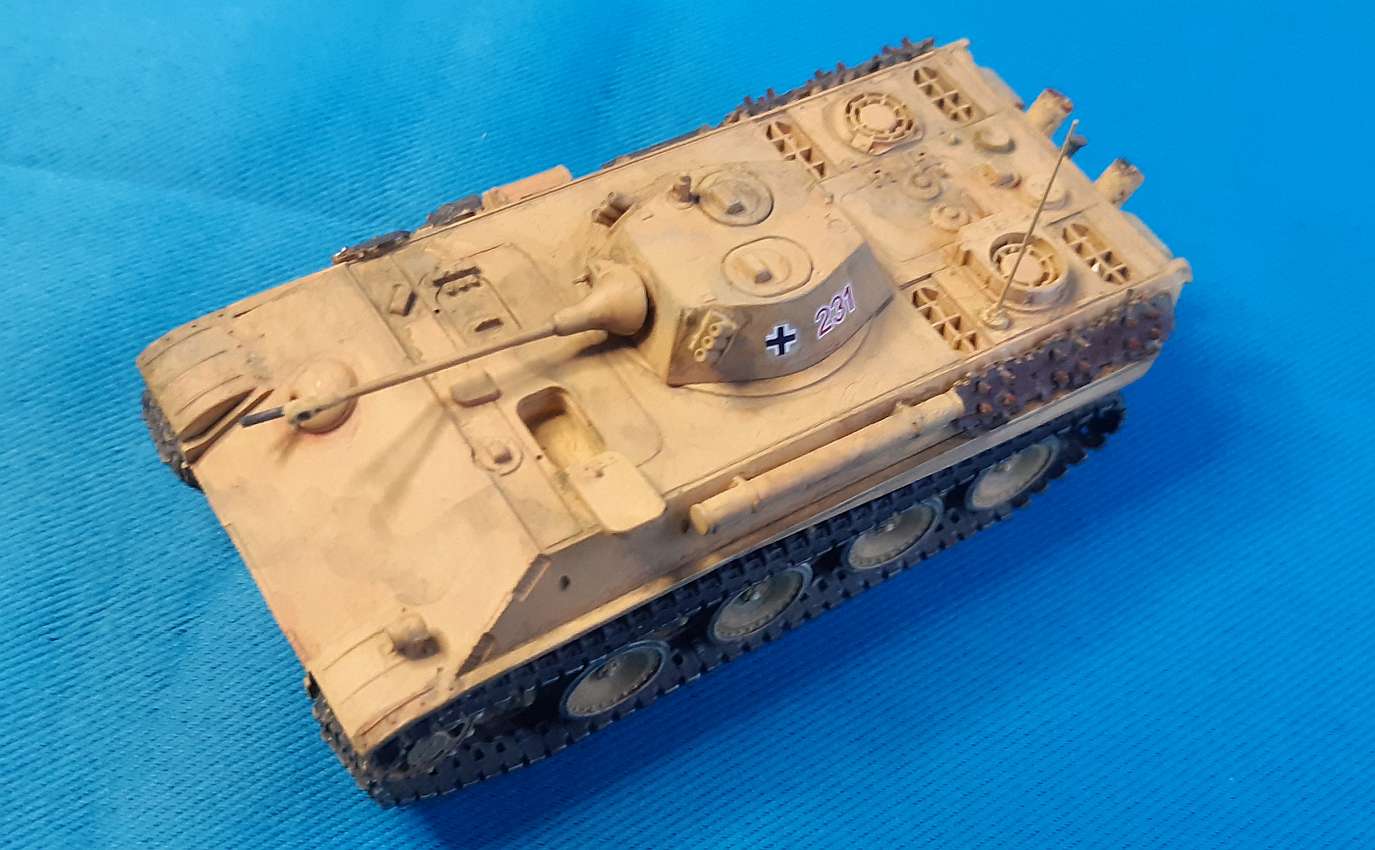
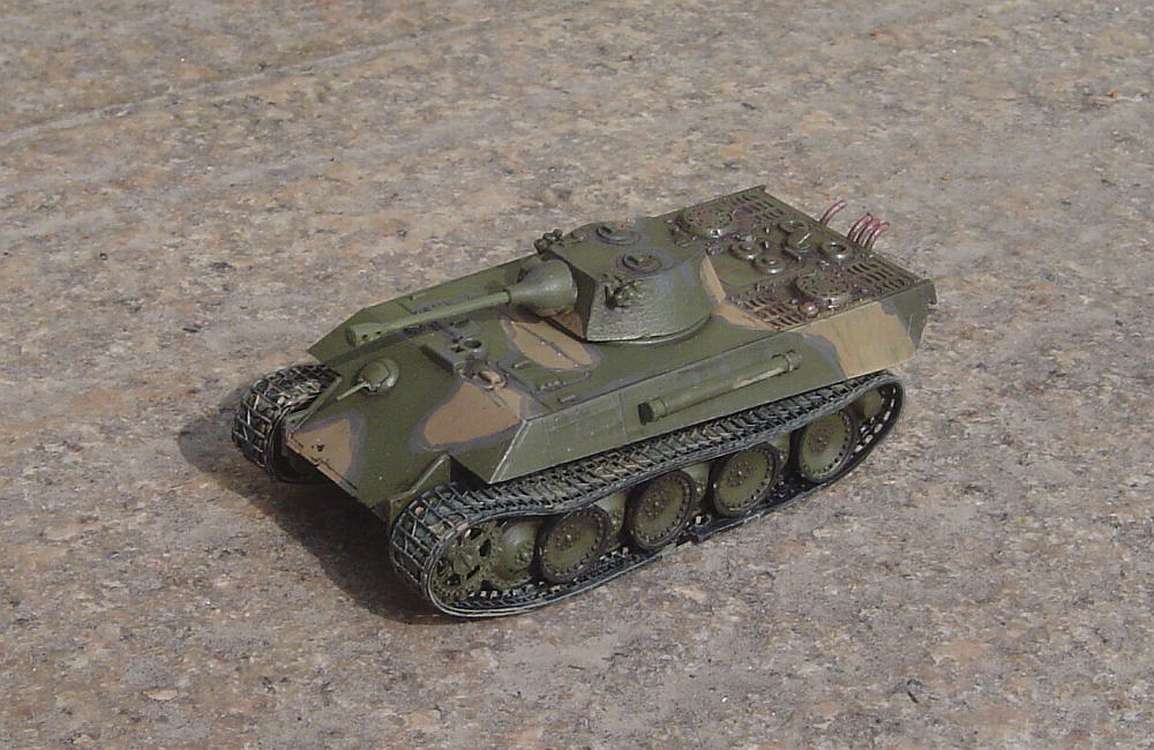
Built model by Sandor Nagy - Versuchs-Serie Fgst.Nr. V1)
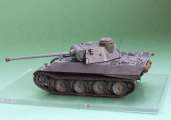
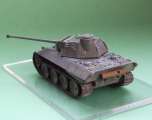
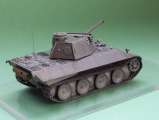

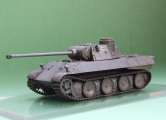

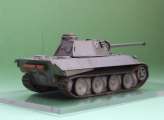

Built model by unknown - Versuchs-Serie Fgst.Nr. V2)
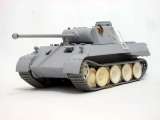


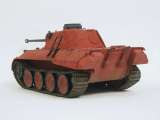

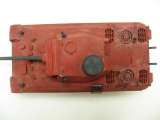

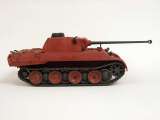
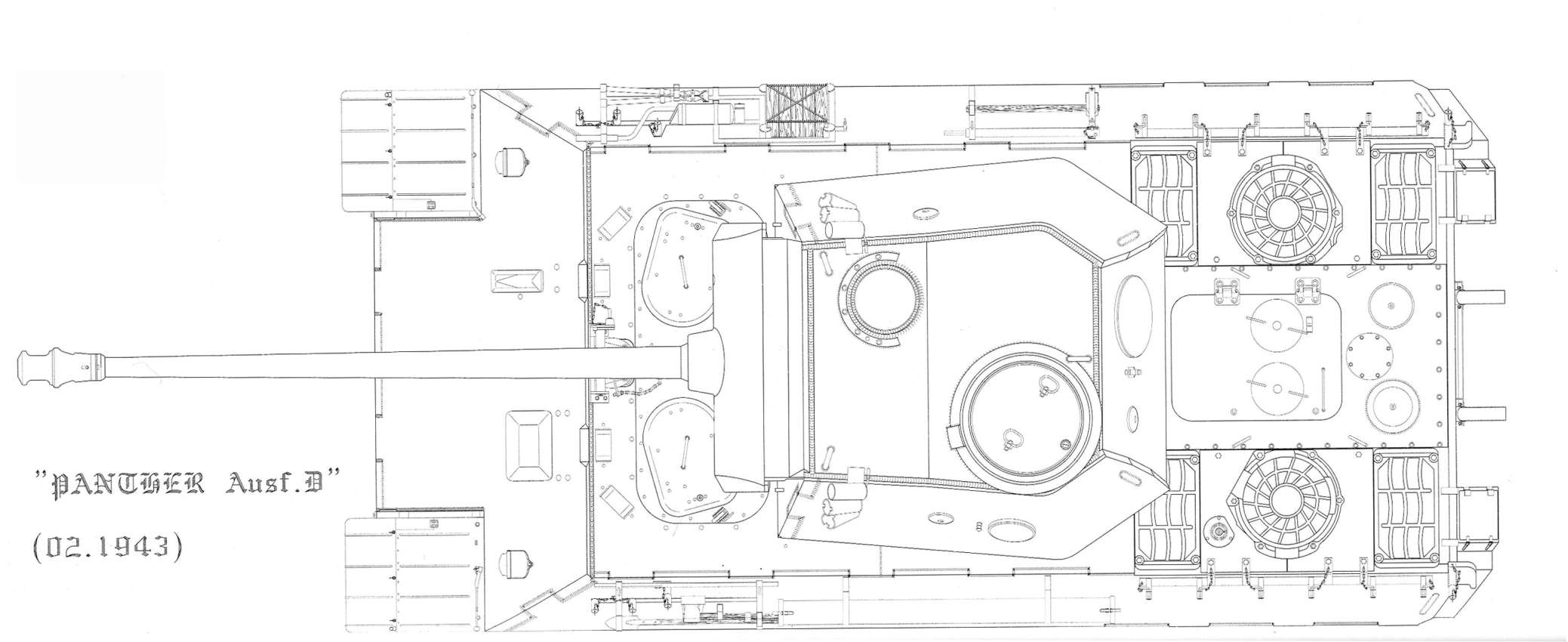
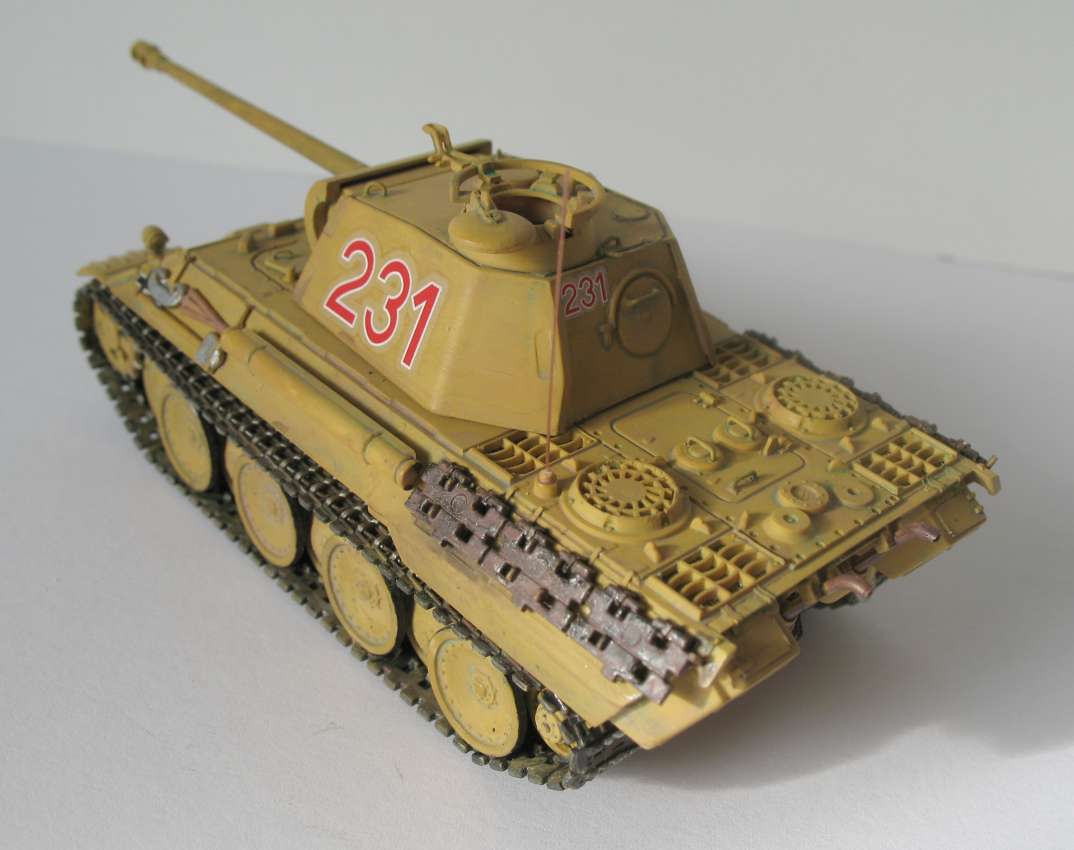
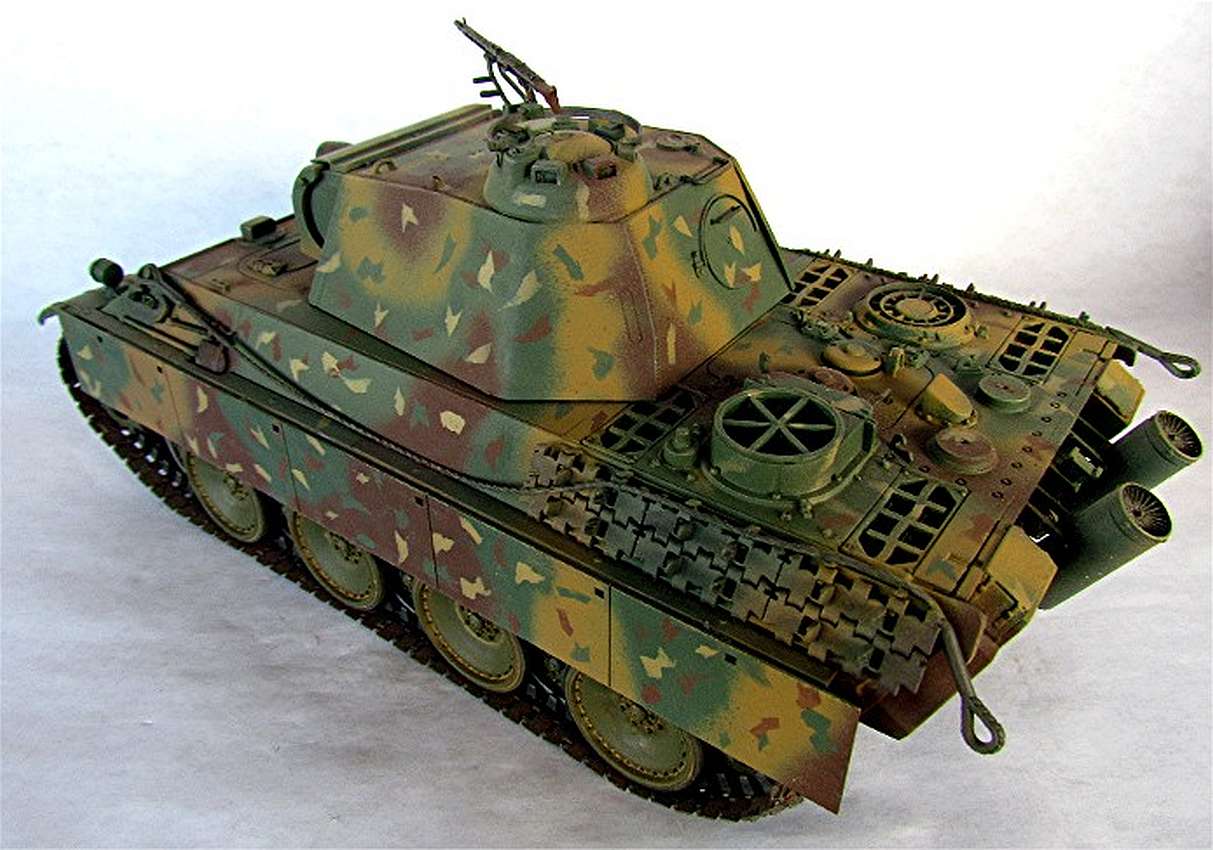
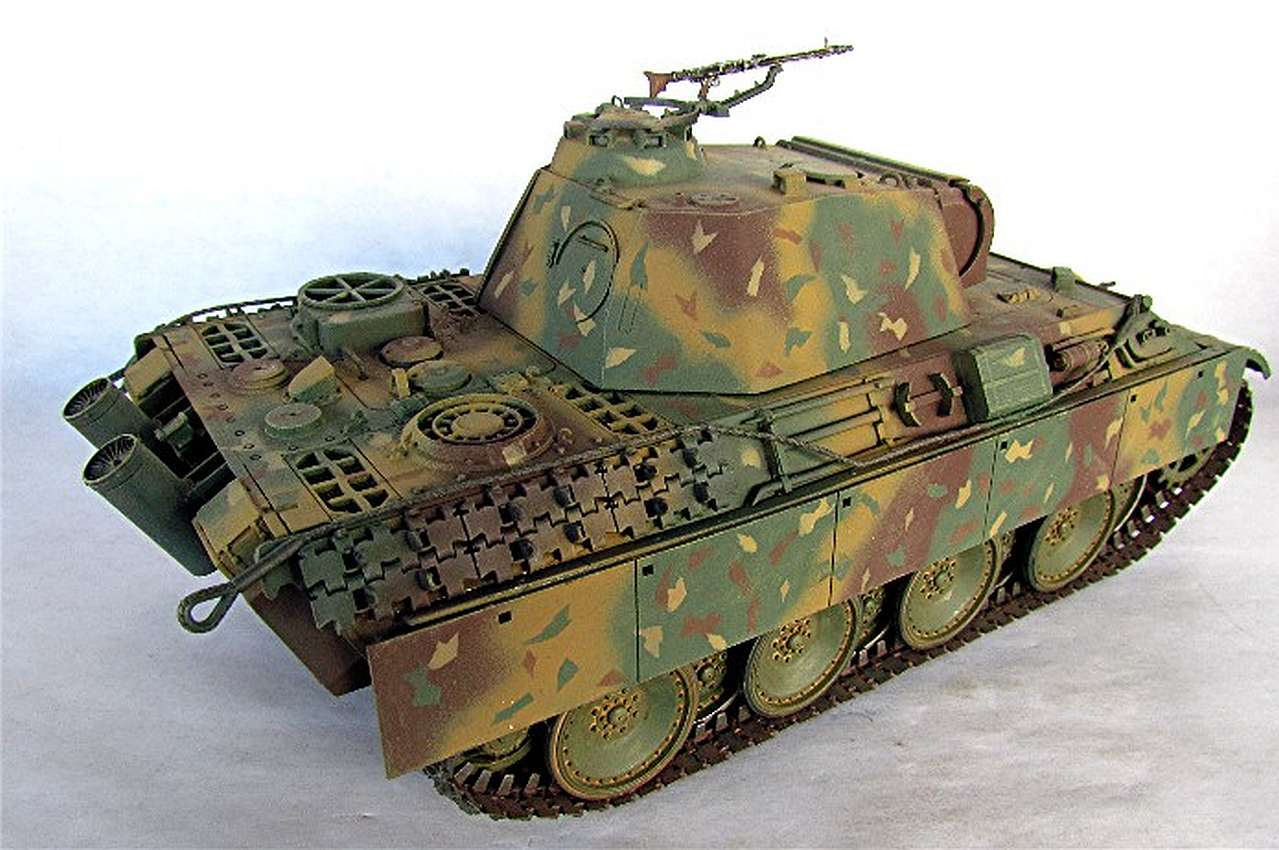
Panther - D (D2) - production version
The Panther Ausf. D (Sd.Kfz. 171) was the first production variant of the famous German Panther tank, built between January and September 1943. Despite its name, the 'D' preceded the later 'A' and 'G' variants.
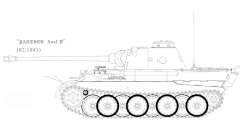
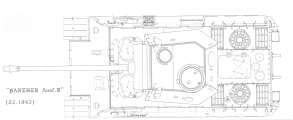

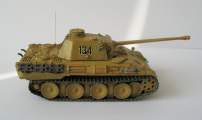
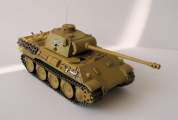
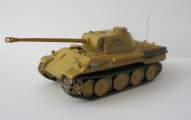


replaced commander turret
circular fan covers on enginedeck
pistolports and loaderhatch on turret
wheels with 16 bolts
front mg in slit mounting
For "Tanks-Encyclopedia.org" Information about Panzer V Panther Ausf.D, A, and G visit
"Tanks-Encyclopedia.org", website
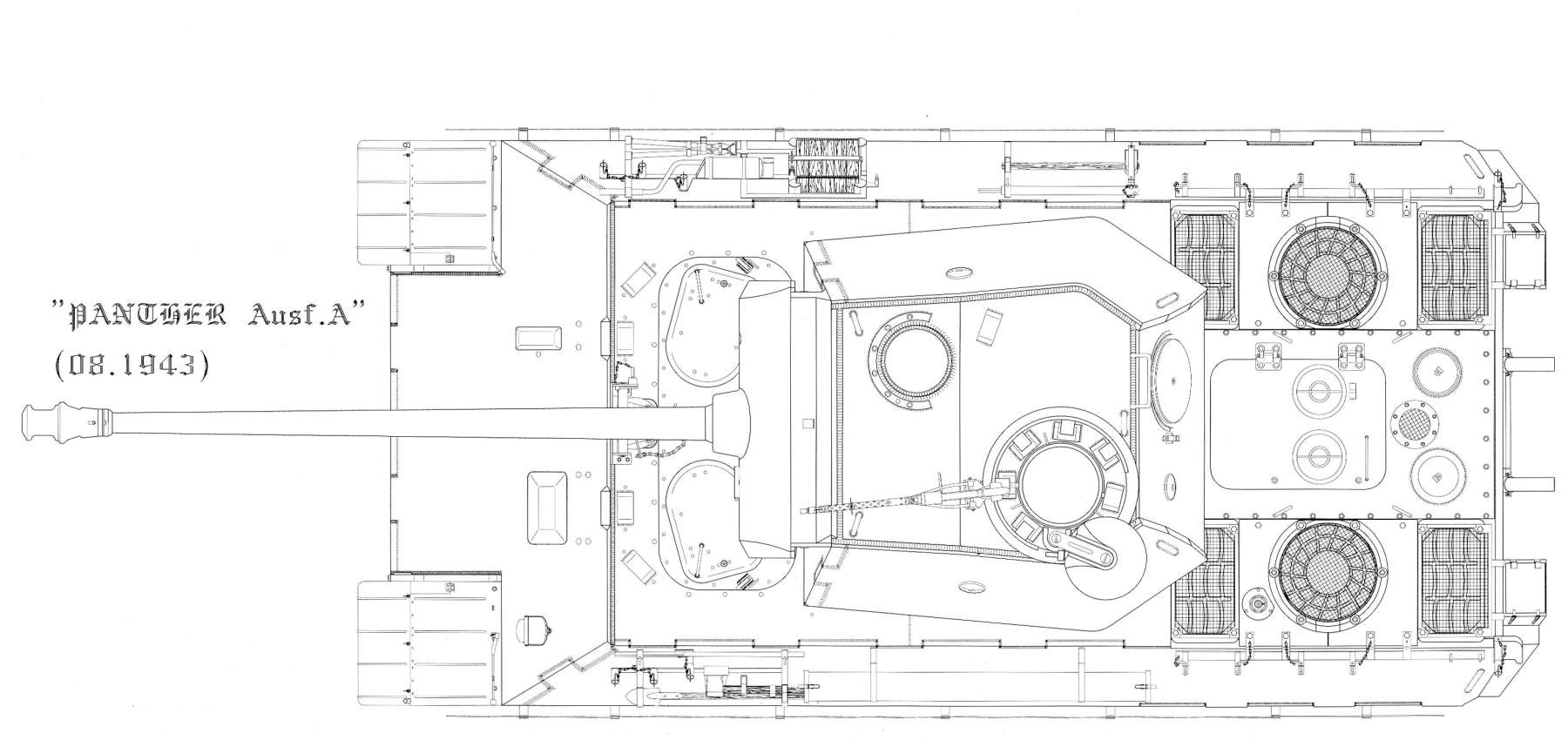
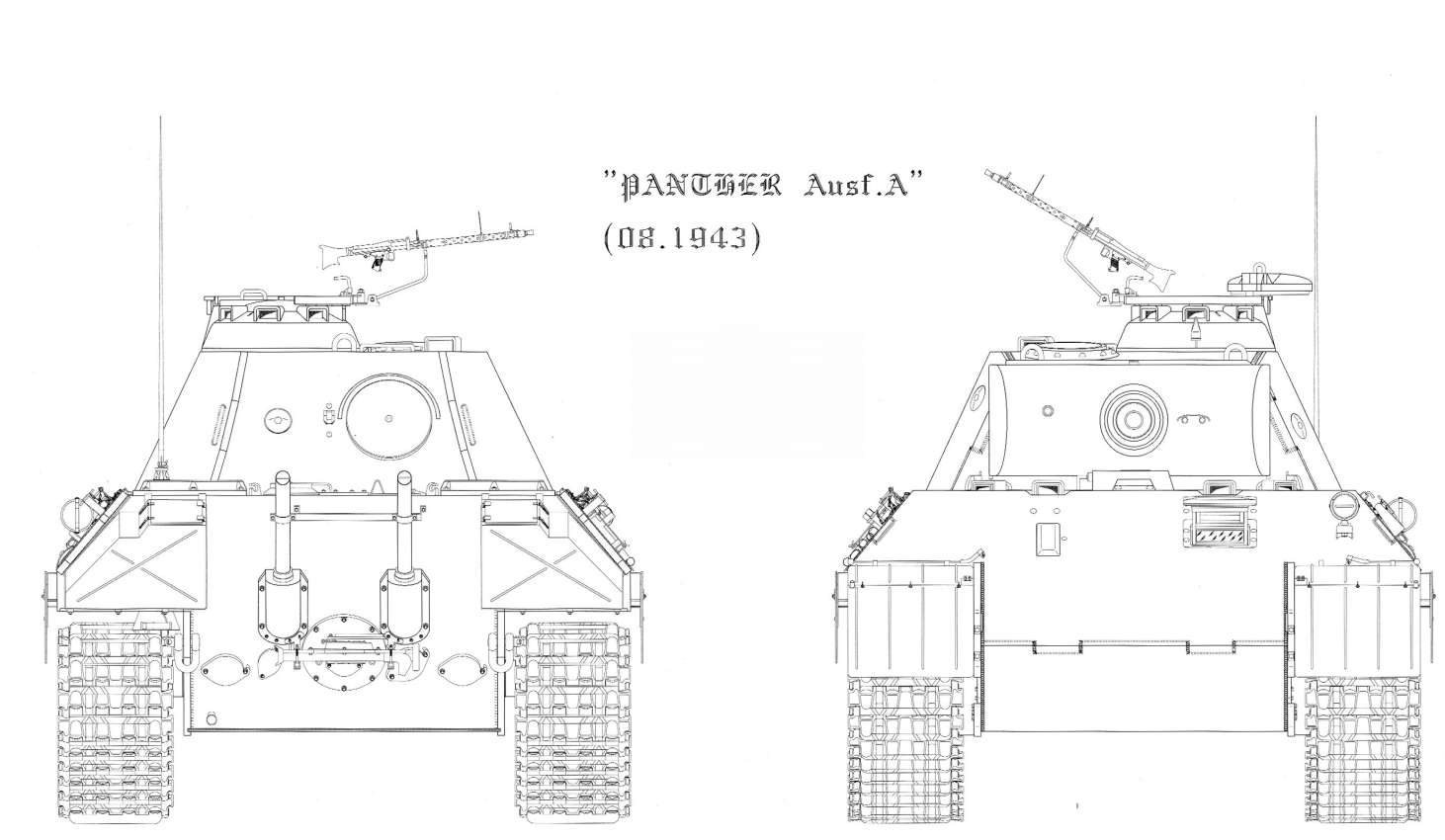
Panther - A (early)
The Panther Ausf. A (Panzerkampfwagen V Panther Ausfuhrung A) was the second production version of the iconic German medium tank of World War II. Despite the letter 'A', this model succeeded the Ausf. D.
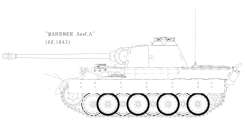


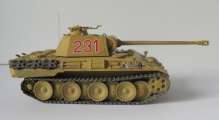
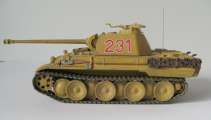
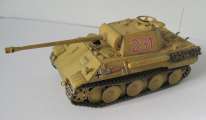

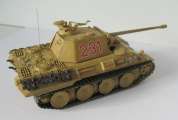
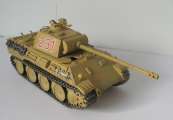

new commander turret
deleted pistolports and loaderhatch on turret
wheels with 16 or 24 bolts
Panther - A (late)


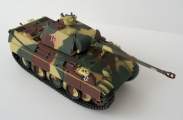
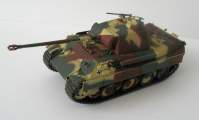


new fan covers on enginedeck
front mg in ballmounting
wheels with 24 bolts
For "Tanks-Encyclopedia.org" Information about Panzer V Panther Ausf.D, A, and G visit
"Tanks-Encyclopedia.org", website
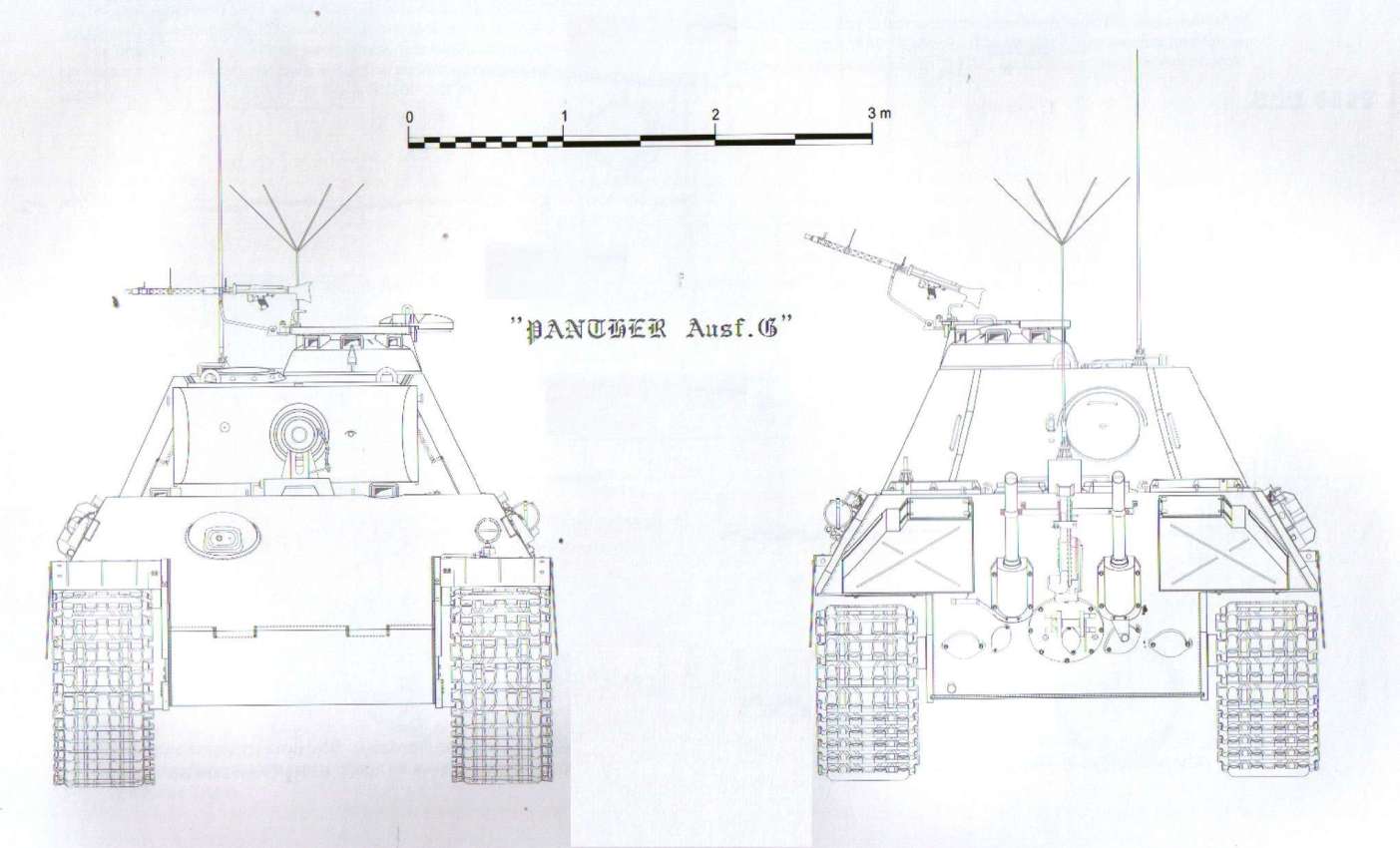
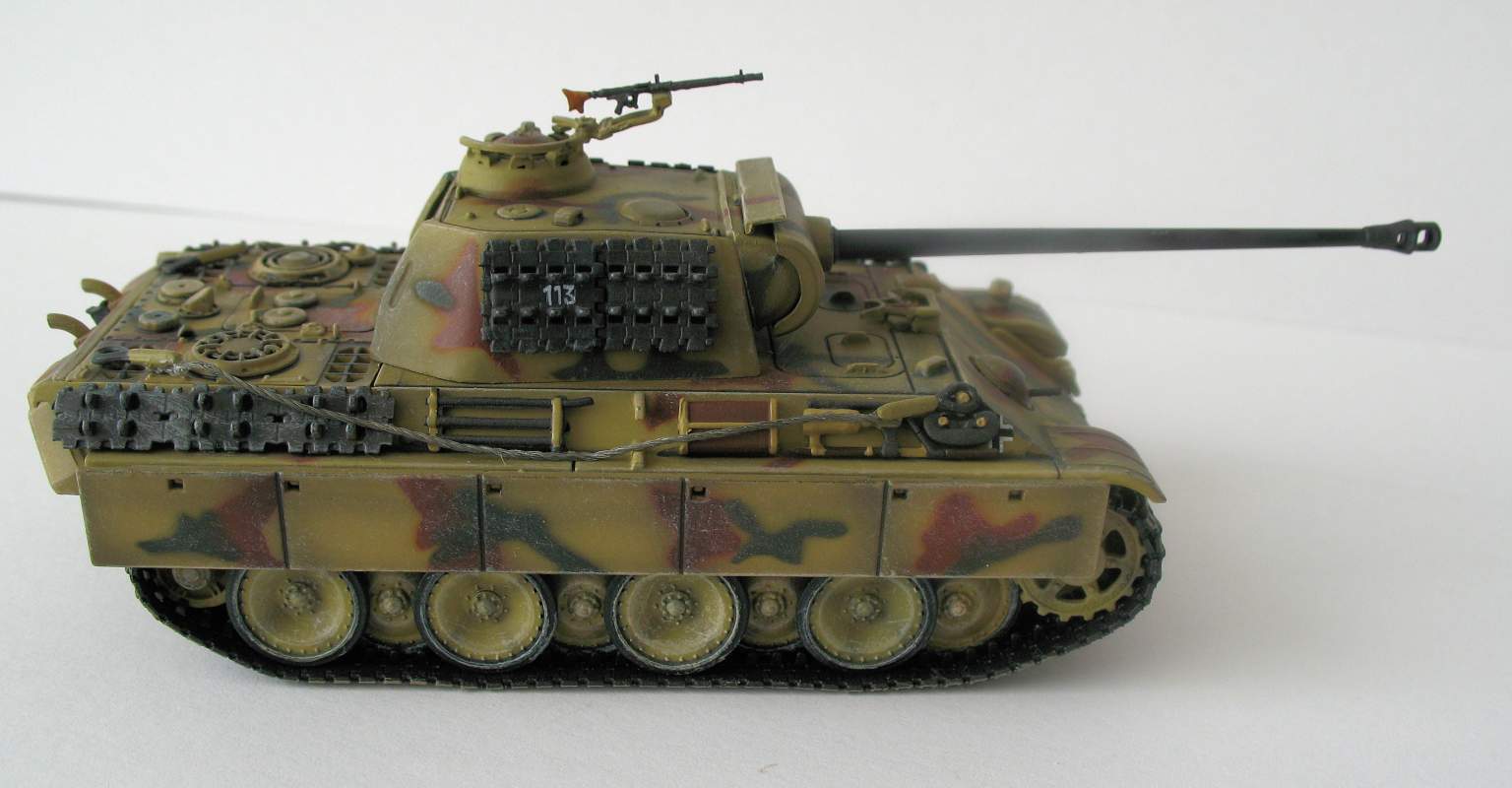
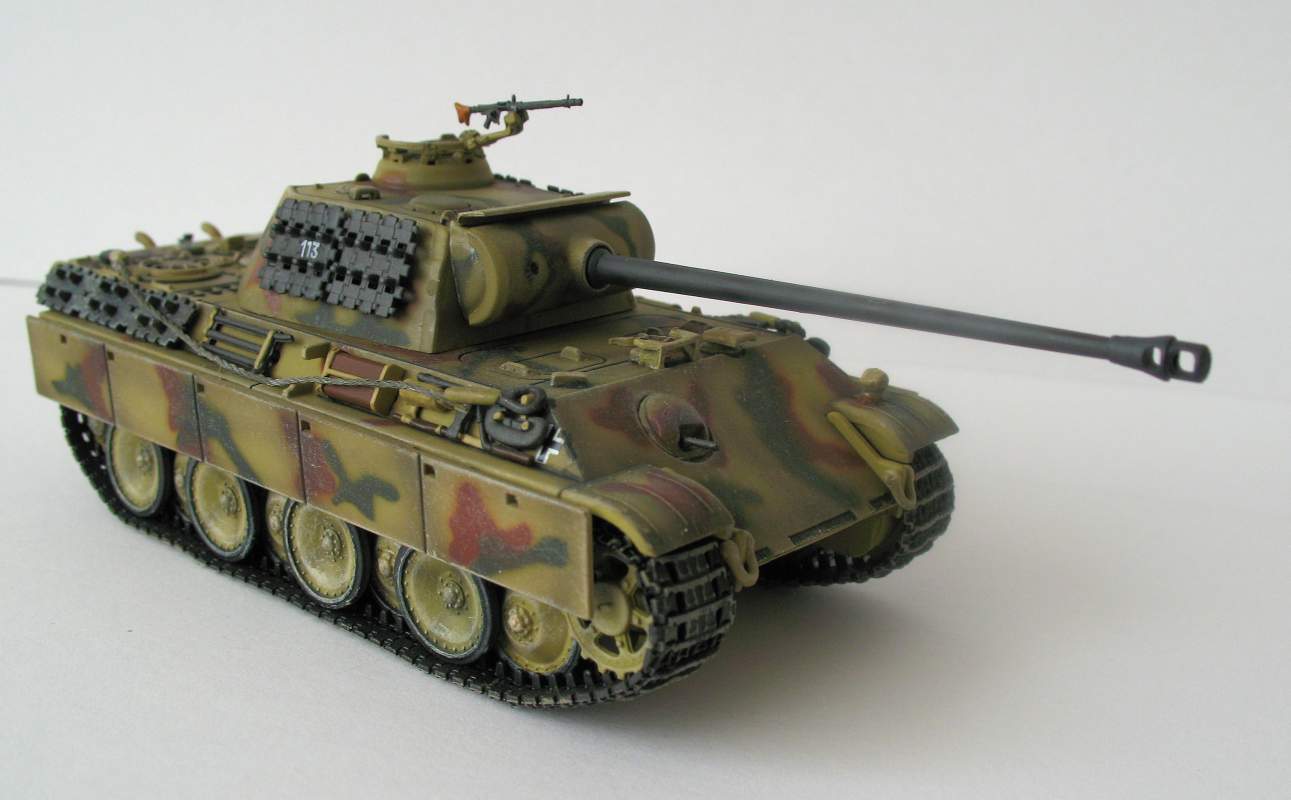
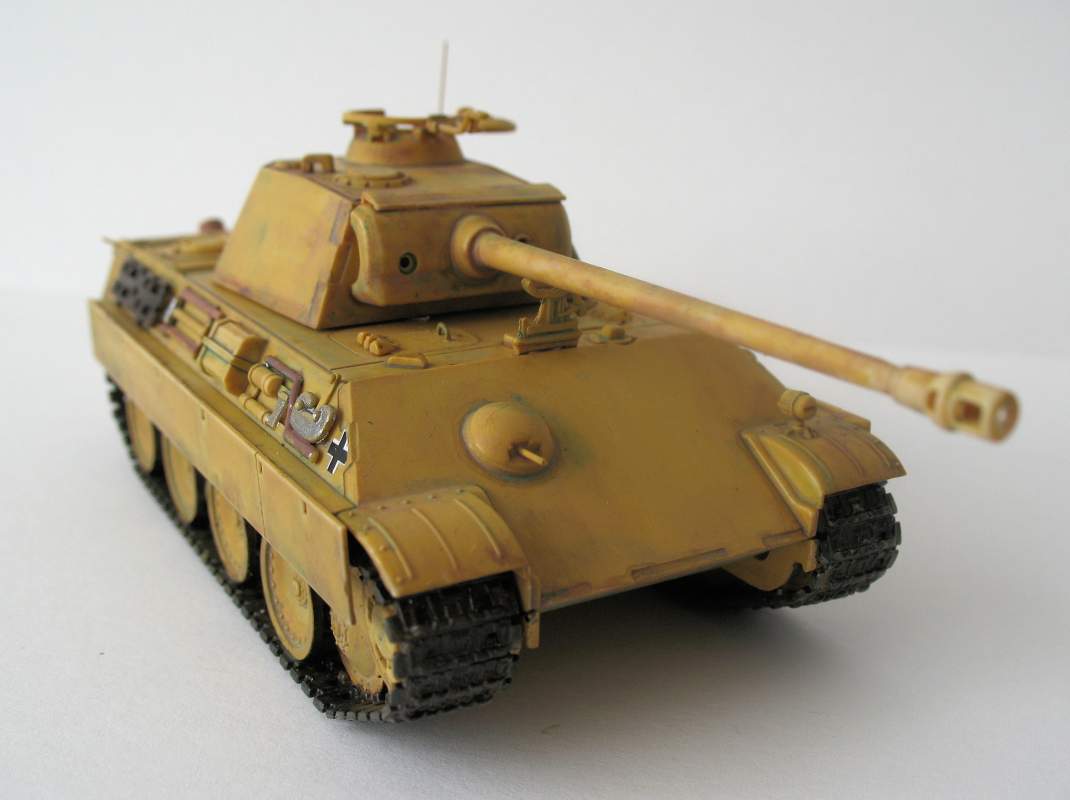
Panther - G (early)
The Panther Ausf. G (Sd.Kfz. 171) was the last and most widely produced variant of the German Panther tank during World War II. Between March 1944 and April 1945, approximately 3,126 units rolled off the production lines at factories such as MAN, Daimler-Benz, and MNH.

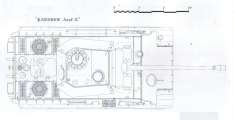


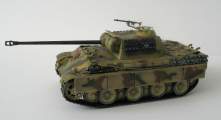

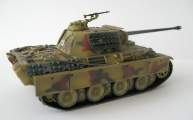
Panther - G (Late)


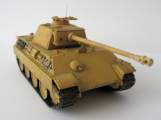
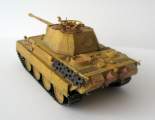

For "Tanks-Encyclopedia.org" Information about Panzer V Panther Ausf.D, A, and G, visit
"Tanks-Encyclopedia.org", website
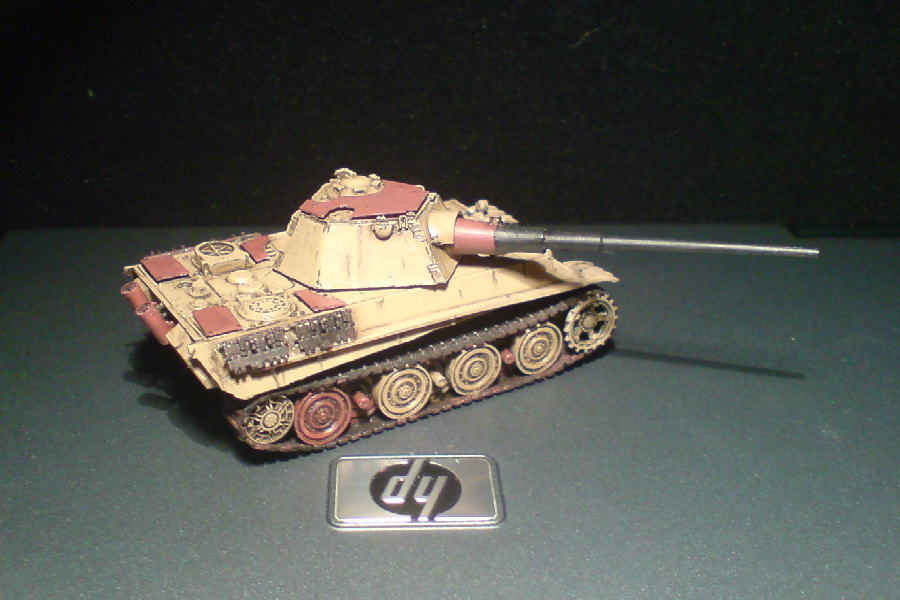
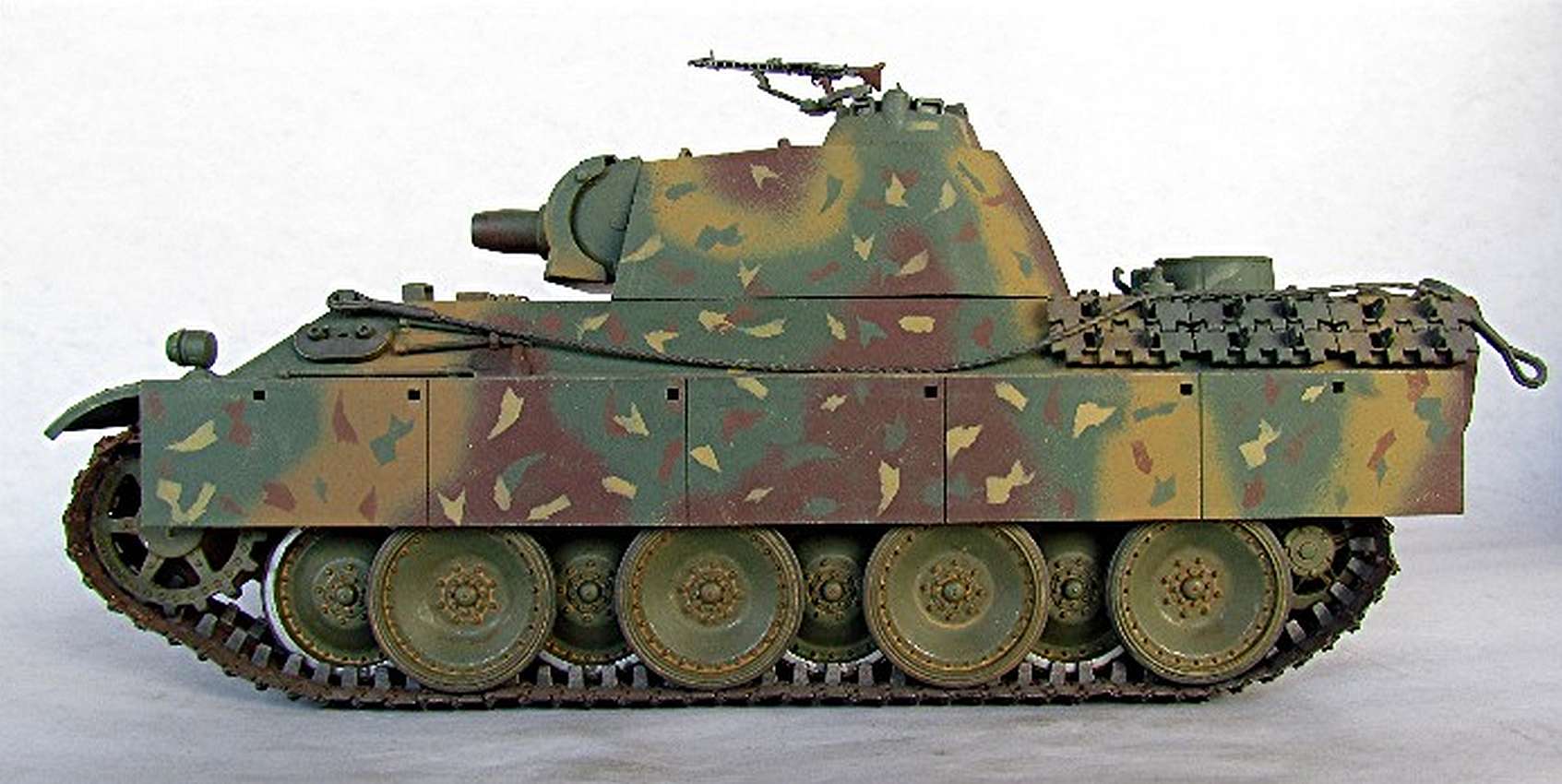
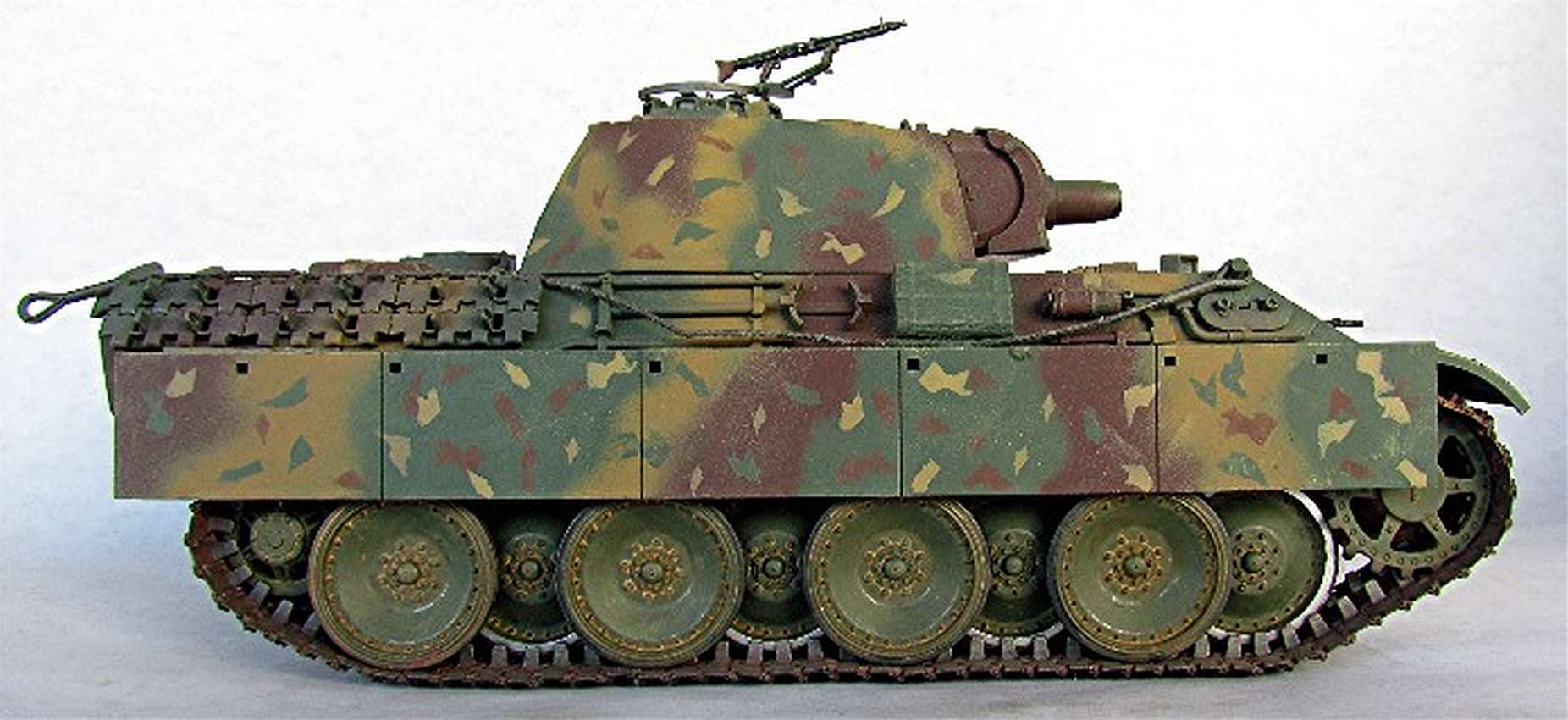
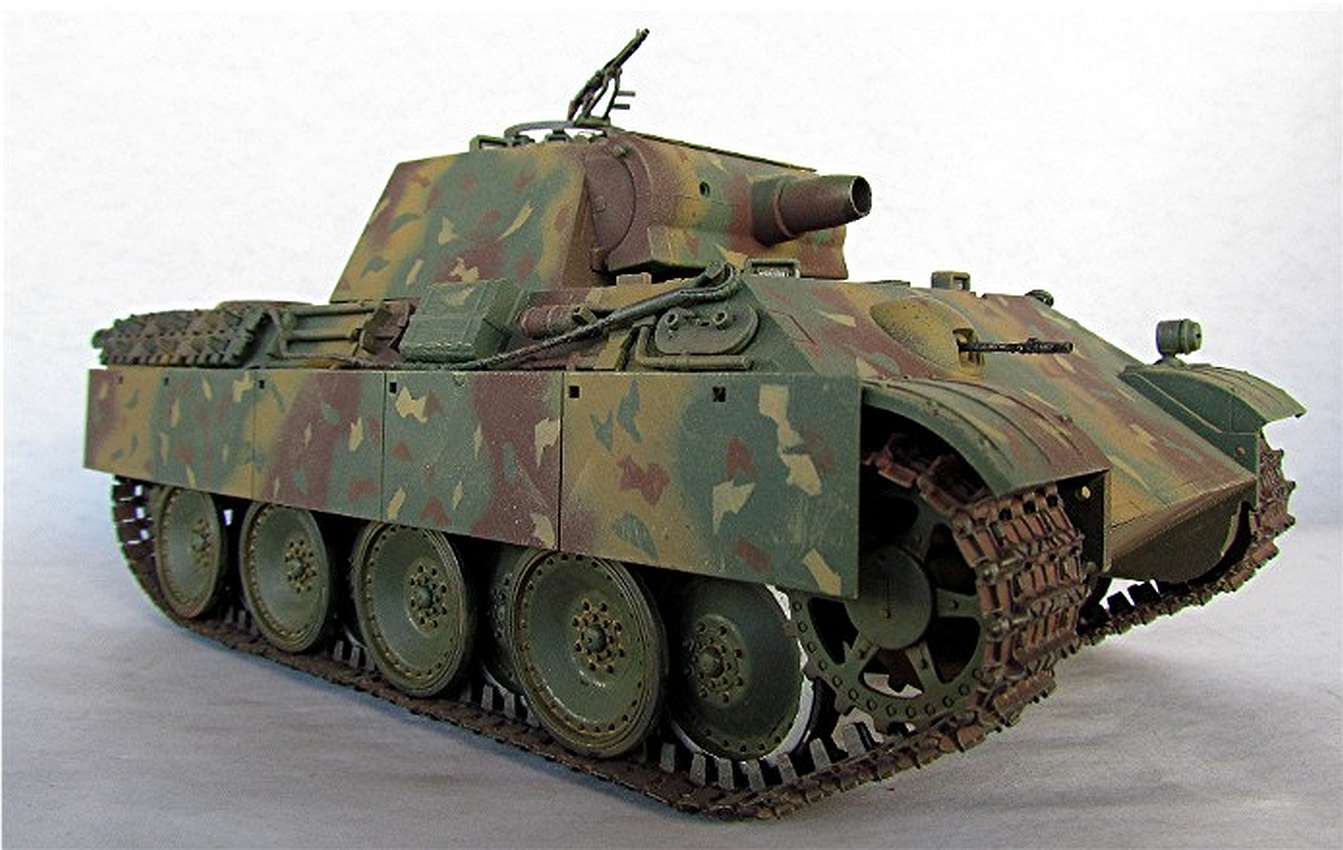
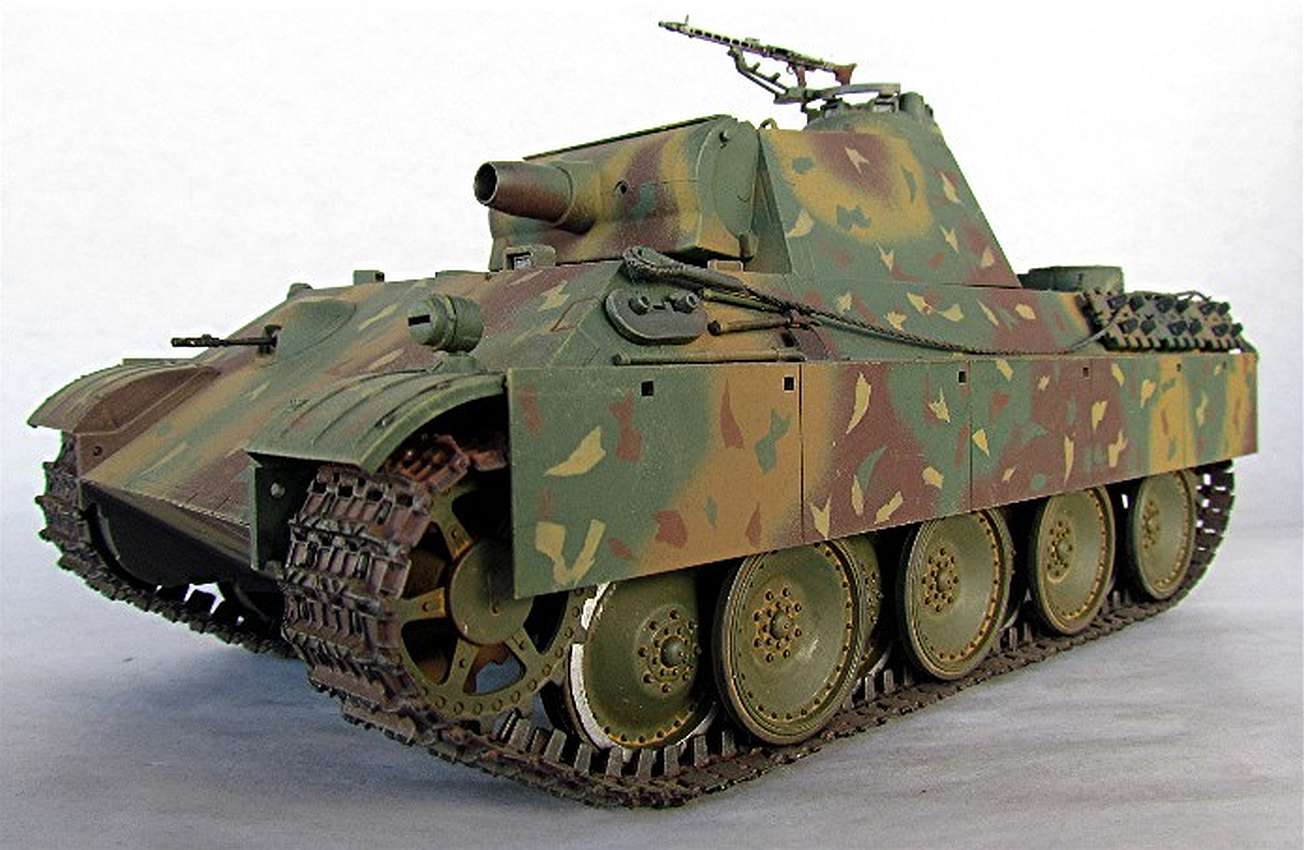
Panther Ausf. F (with Steel Wheels)
The Panther Ausf. F was the last planned development of the German Panther tank during World War II. Although serial production was scheduled for March/April 1945, the type never fully entered service due to the impending defeat.
Key Features
Schmalturm (Narrow Turret): The most notable feature was a new, more compact turret developed by Daimler-Benz. This offered a smaller target area and replaced the old round gun shield with a narrower one to eliminate the risk
of "shot traps" (where shells are deflected downward into the hull).
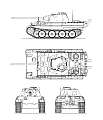

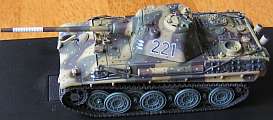
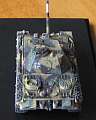

Model built by webmaster - 1/72

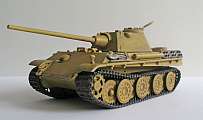


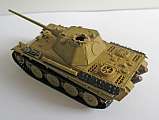

Model built by Zhenmin Han - 1/72


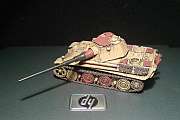

For "Tanks-Encyclopedia.org" Information about Panzerkampfwagen Panther Ausf.F (Sd.Kfz.171), visit
"Tanks-Encyclopedia.org", website
Jagd-Panther
Jagd-Panther - (late version)
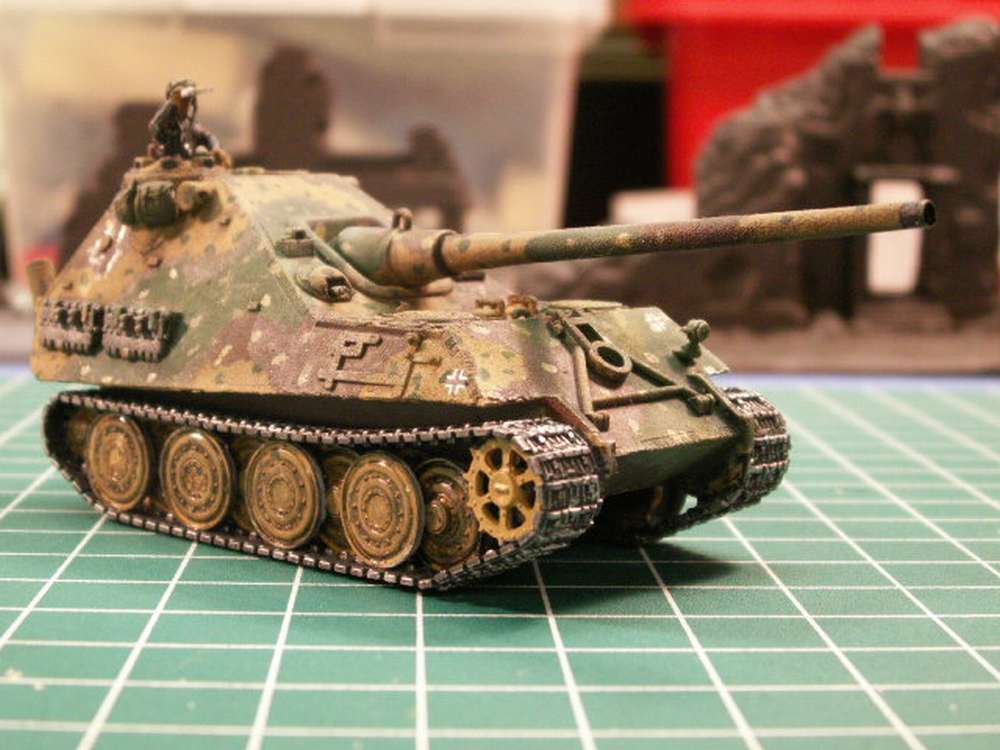
The Jagdpanther (Sd.Kfz. 173) was a German heavy tank destroyer of the Second World War, noted for its effective combination of the powerful 8.8 cm Pak 43/3 (L/71) gun and the reliable chassis of the Panther tank

Jagd-Panther - (early version) - (Dragon Diecast)
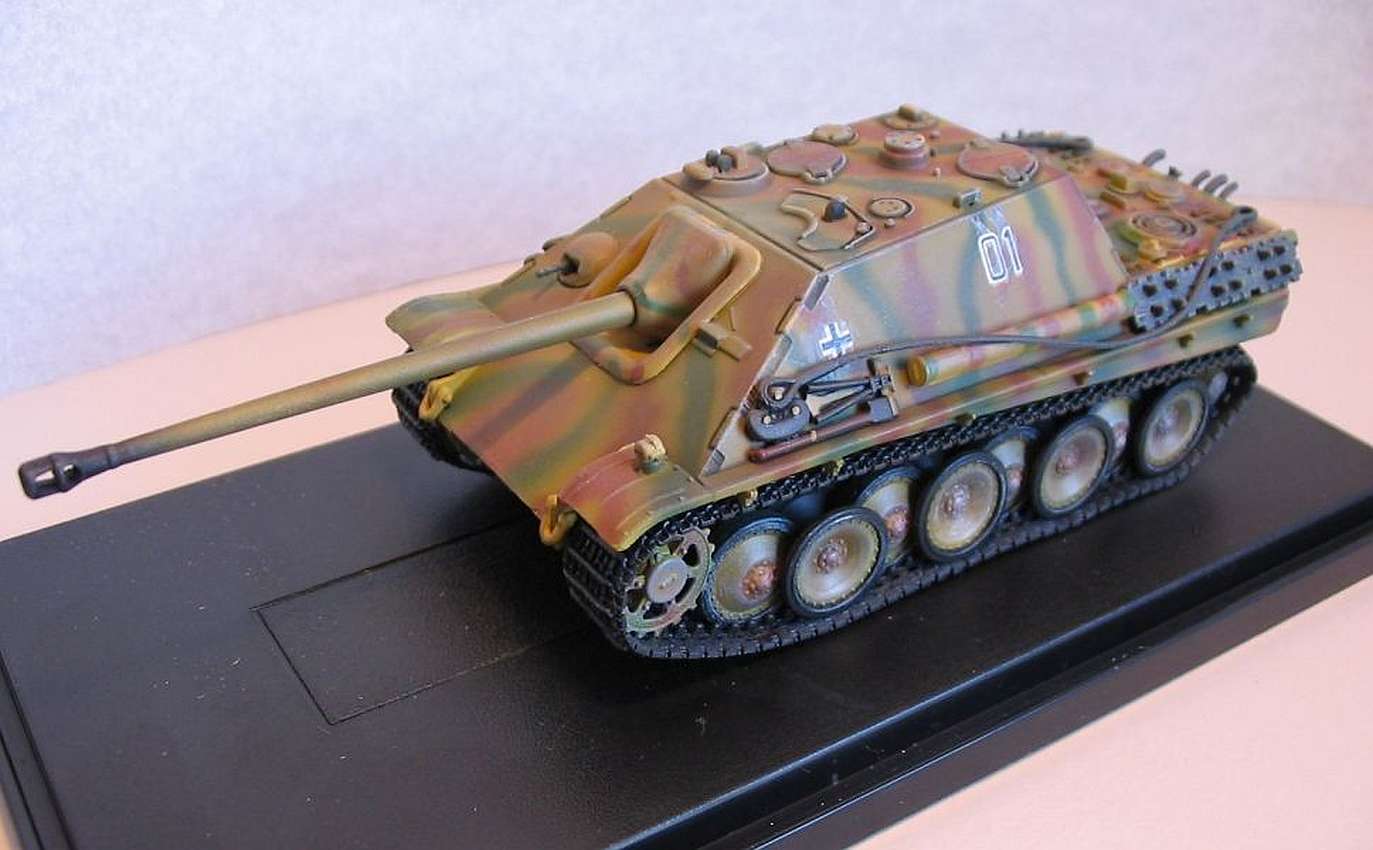
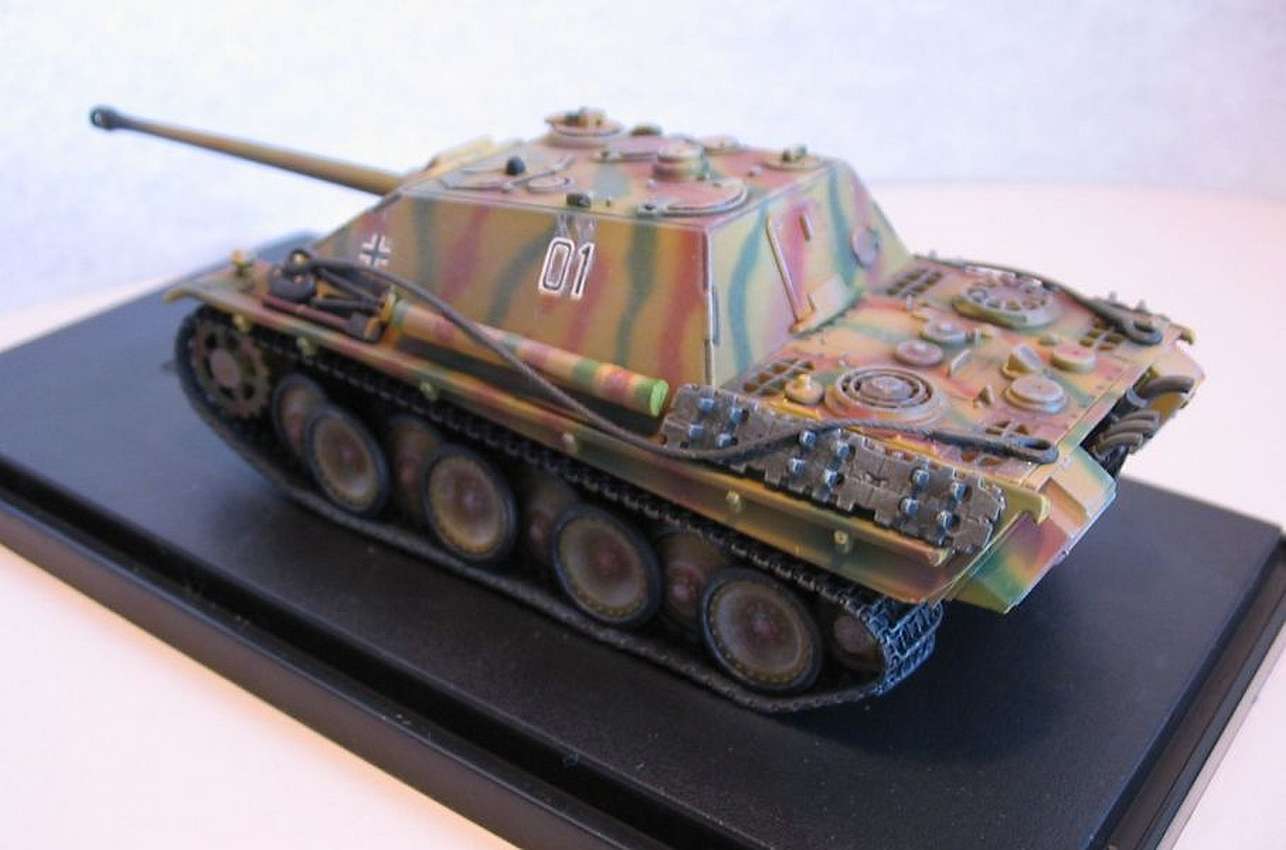
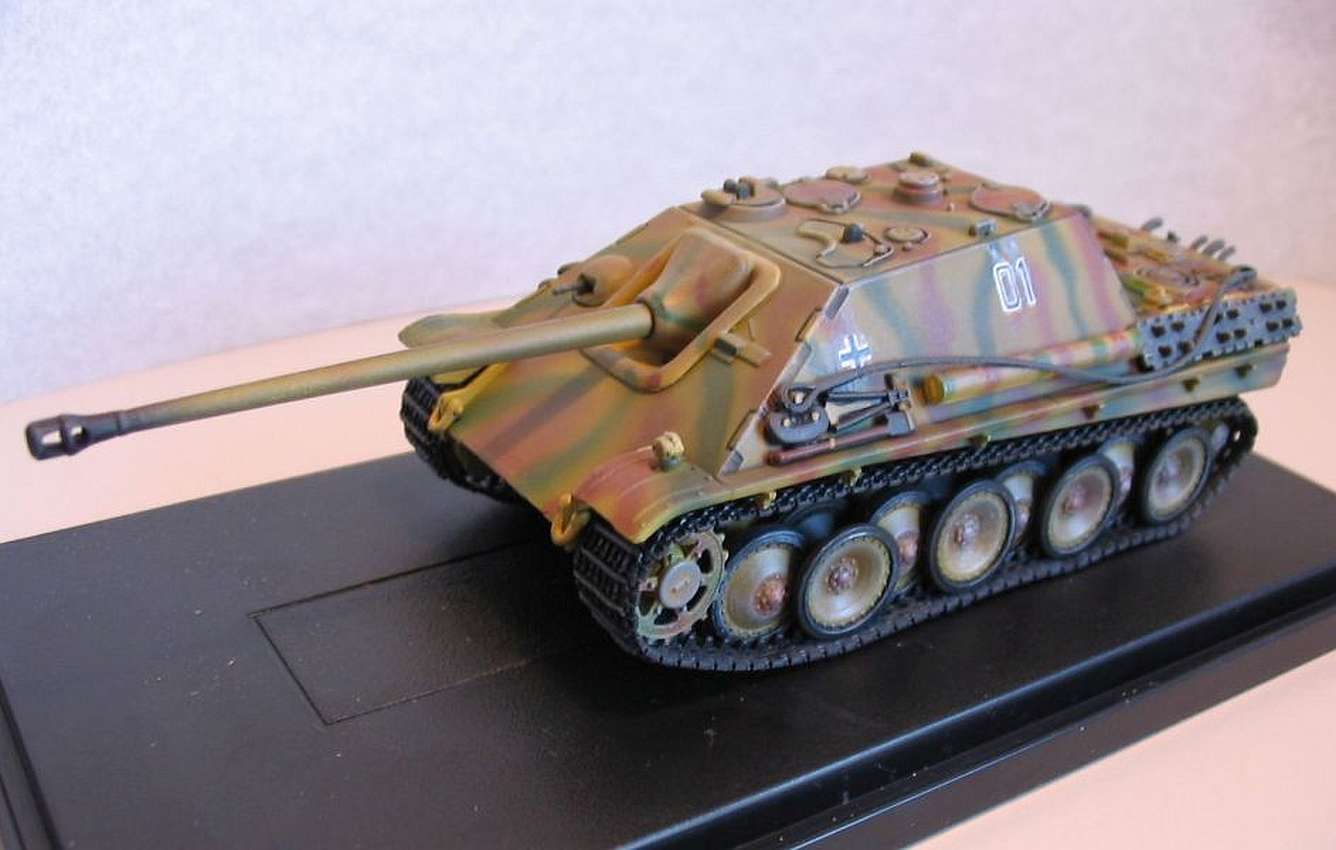
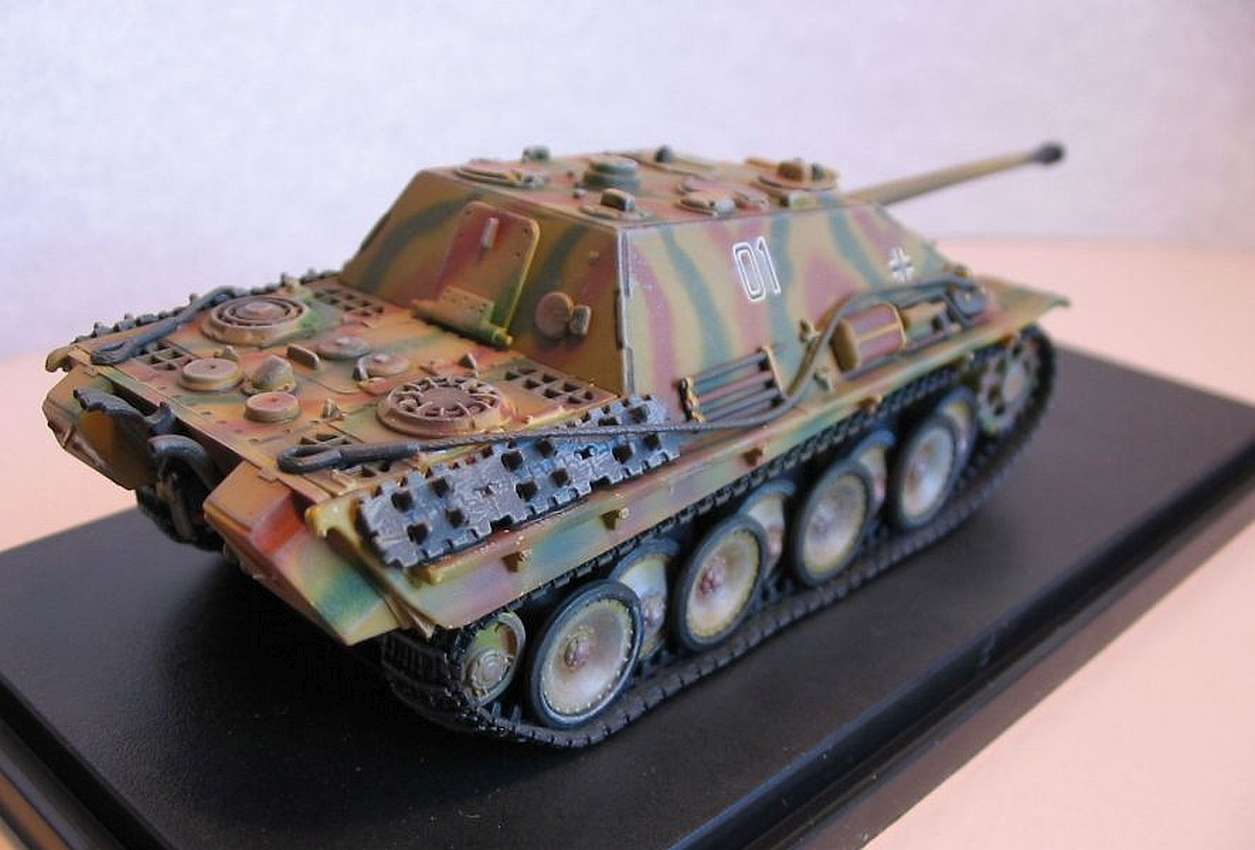
Jagd-Panther - (late version) - (Dragon Diecast)
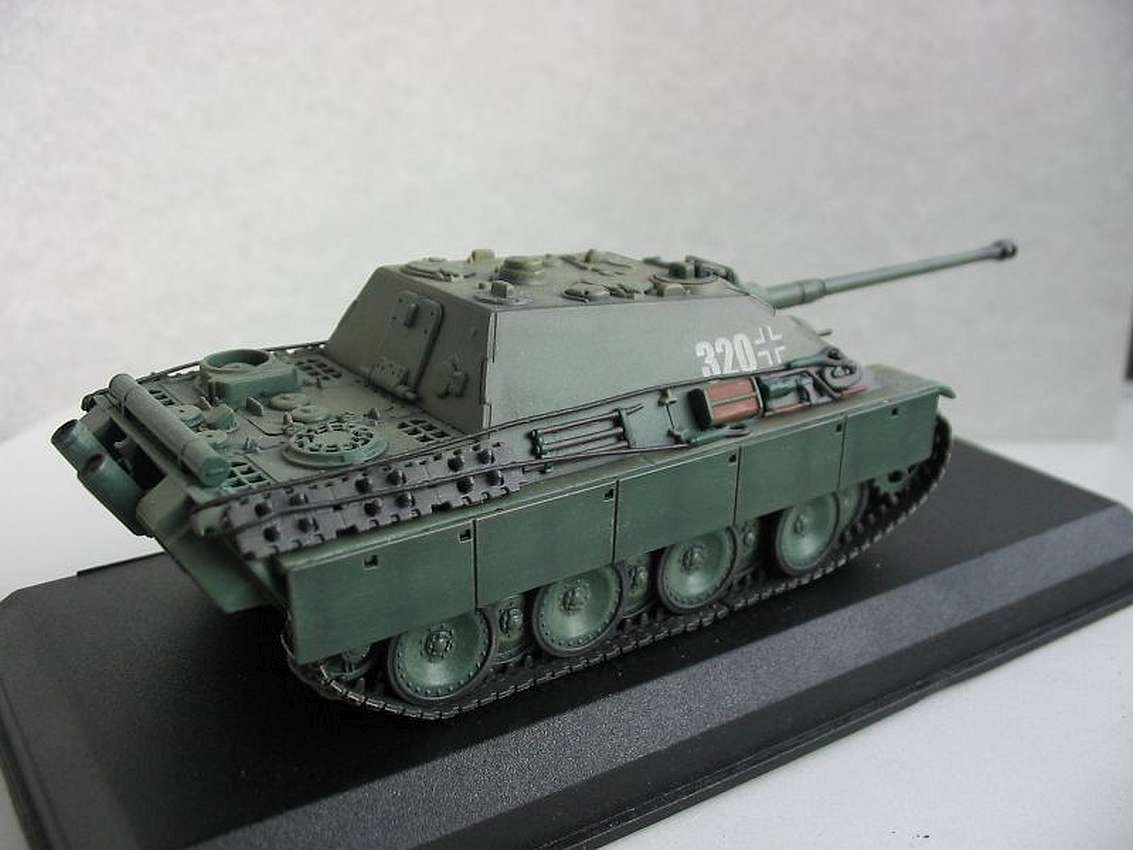
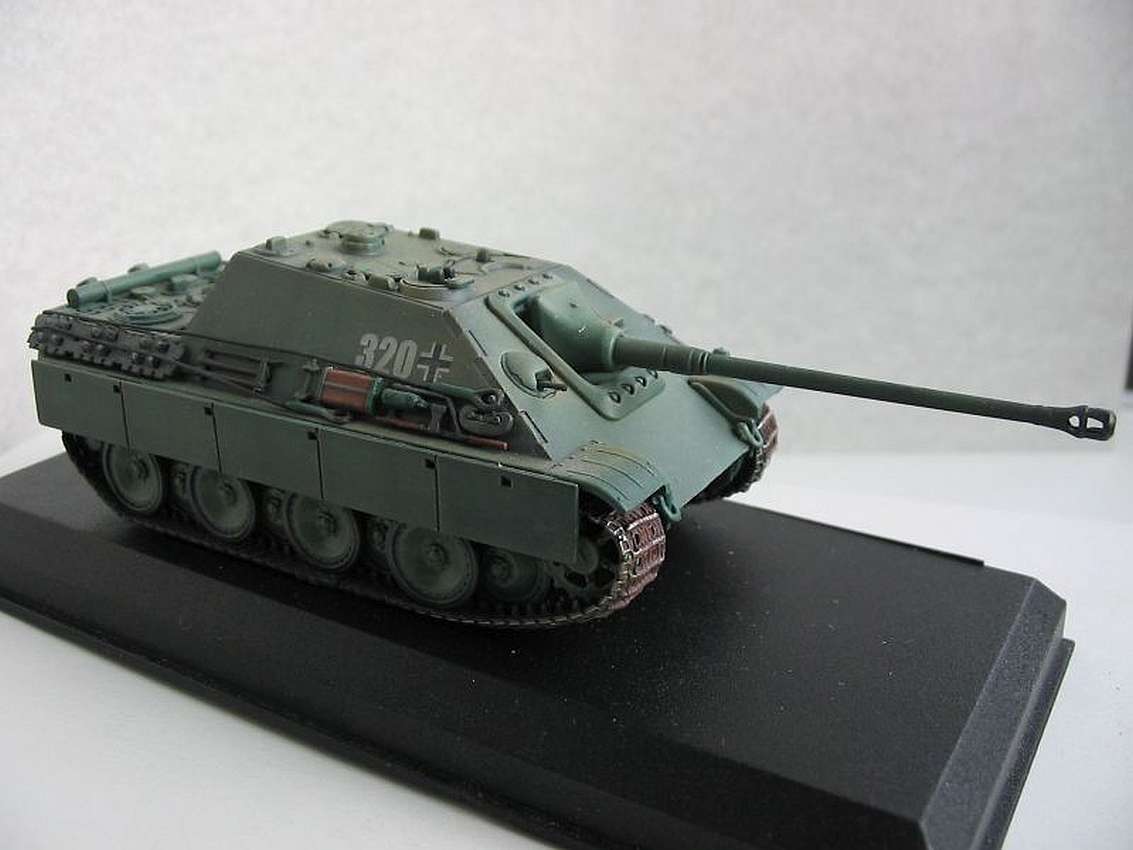
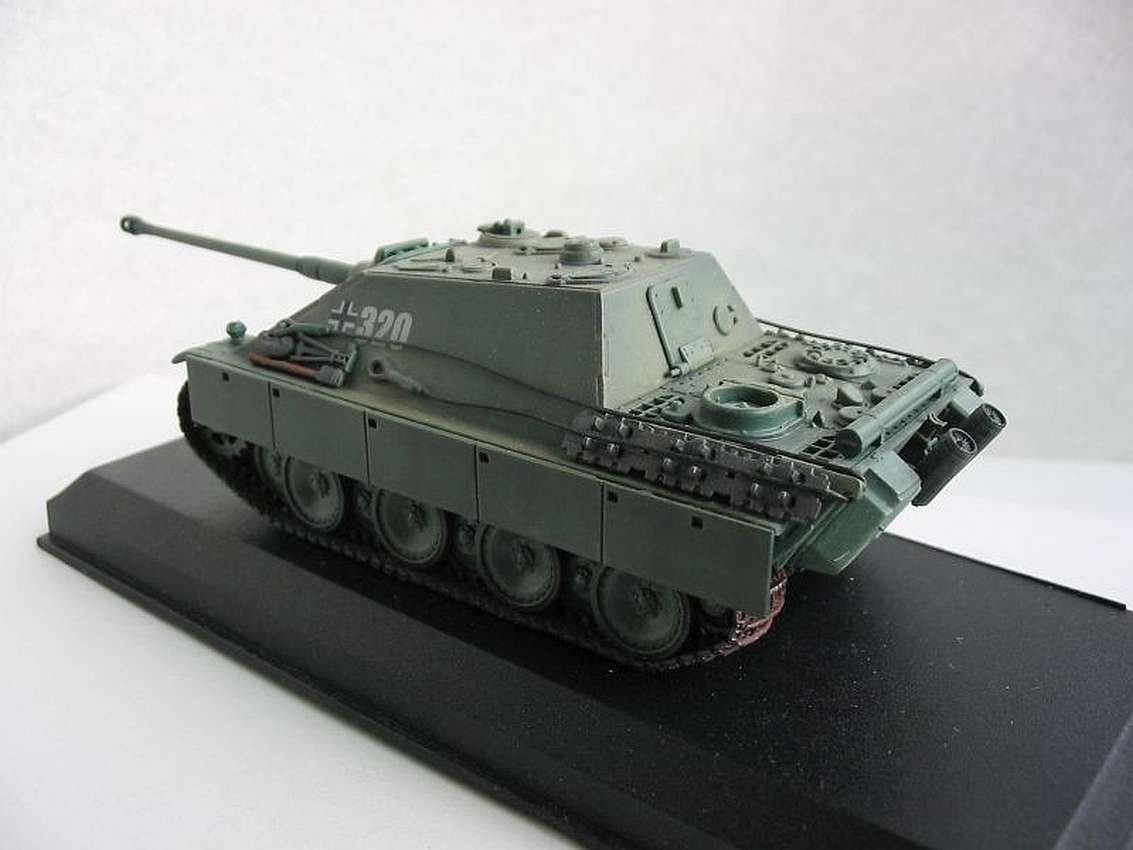
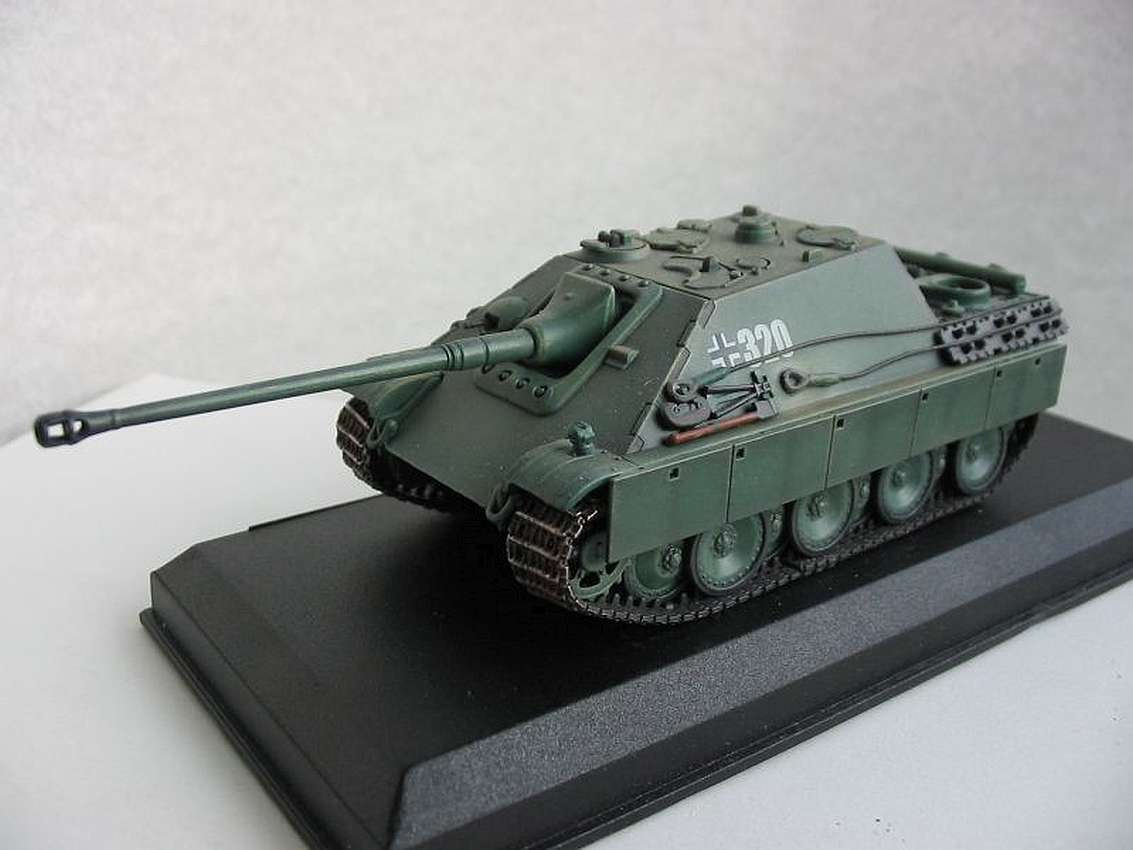
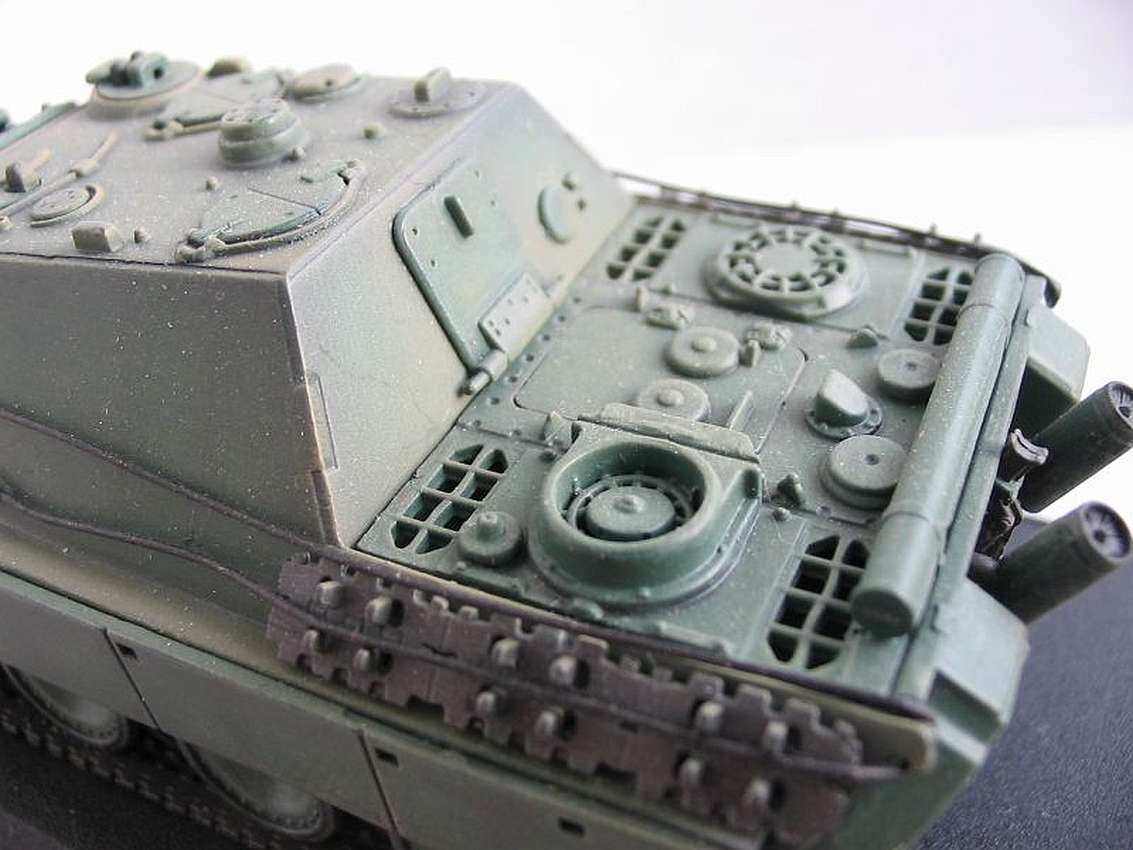
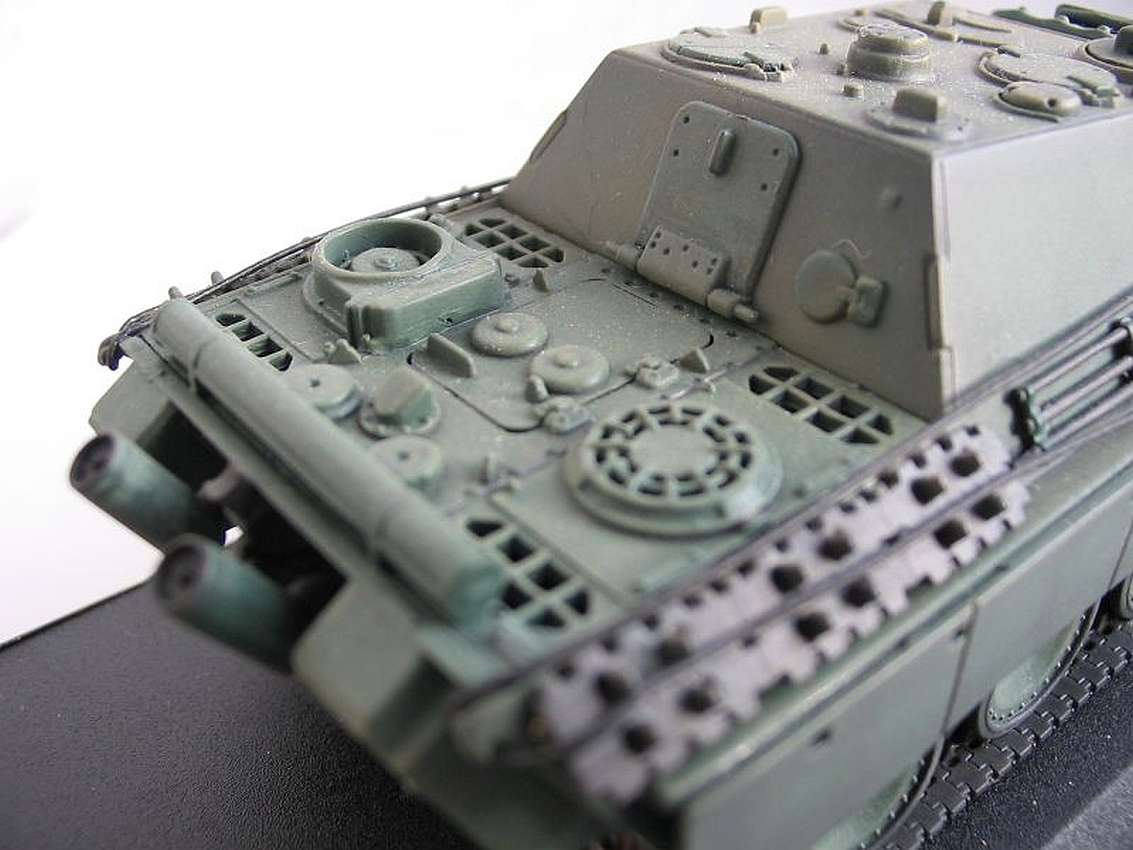
Kit PS720150 sModel - Jagdpanther Late - (Tankdestroyer G2) - (built by webmaster)
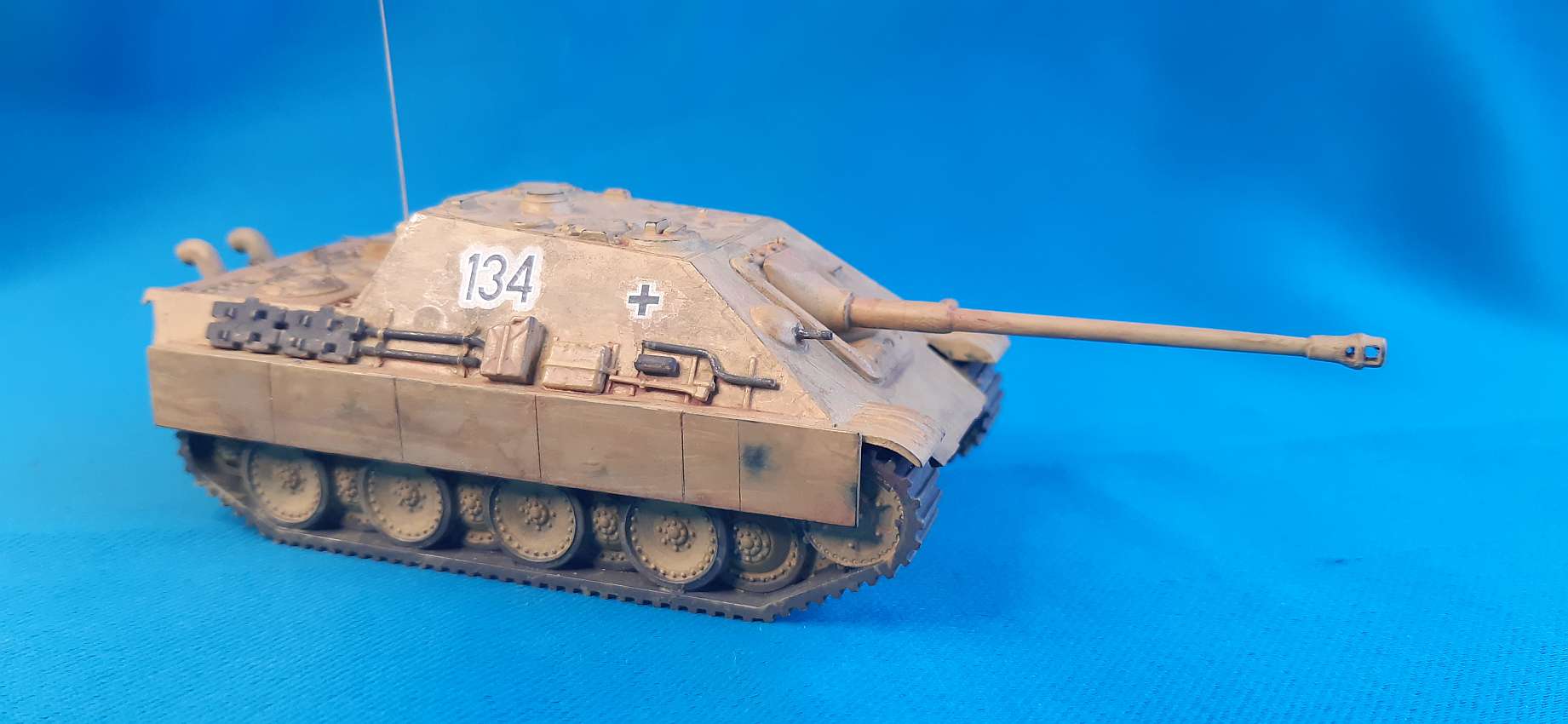
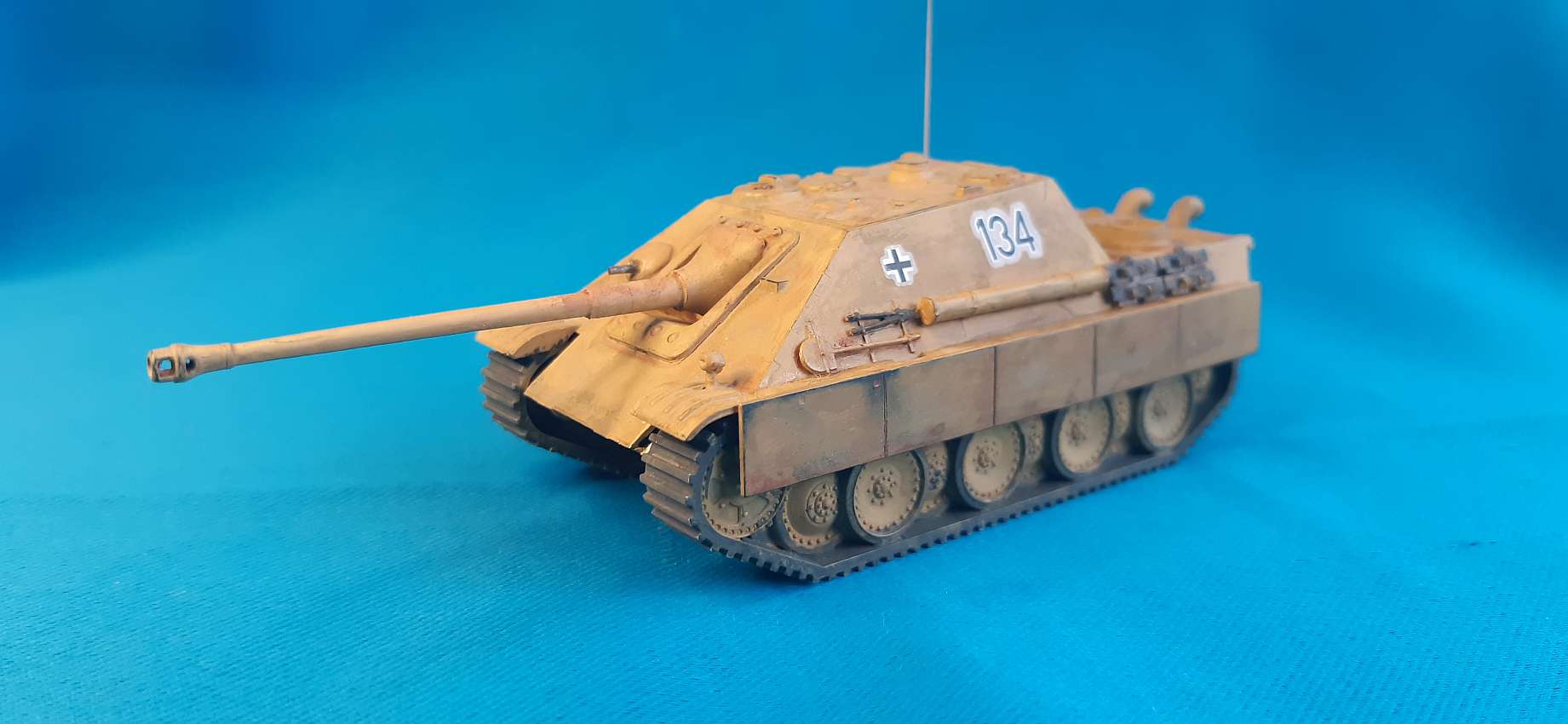
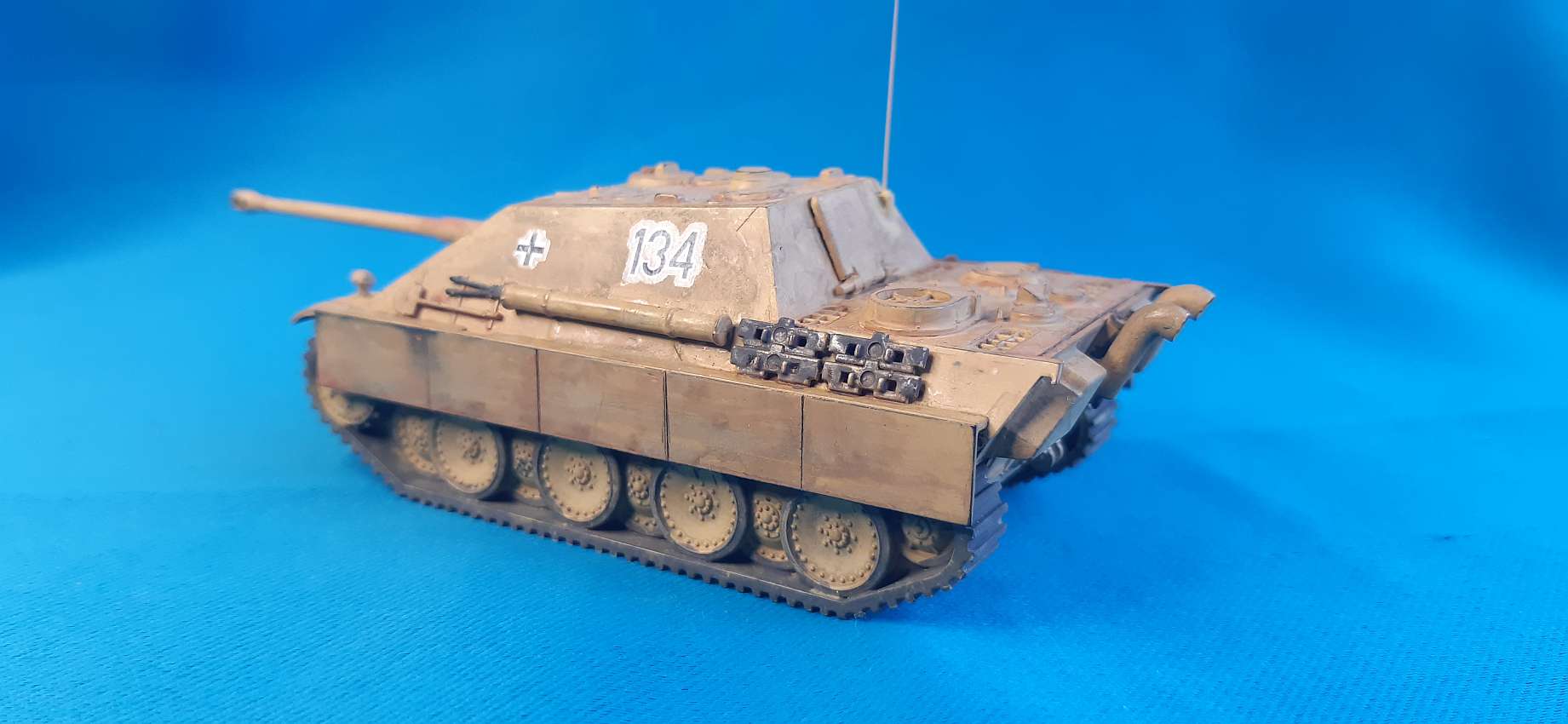
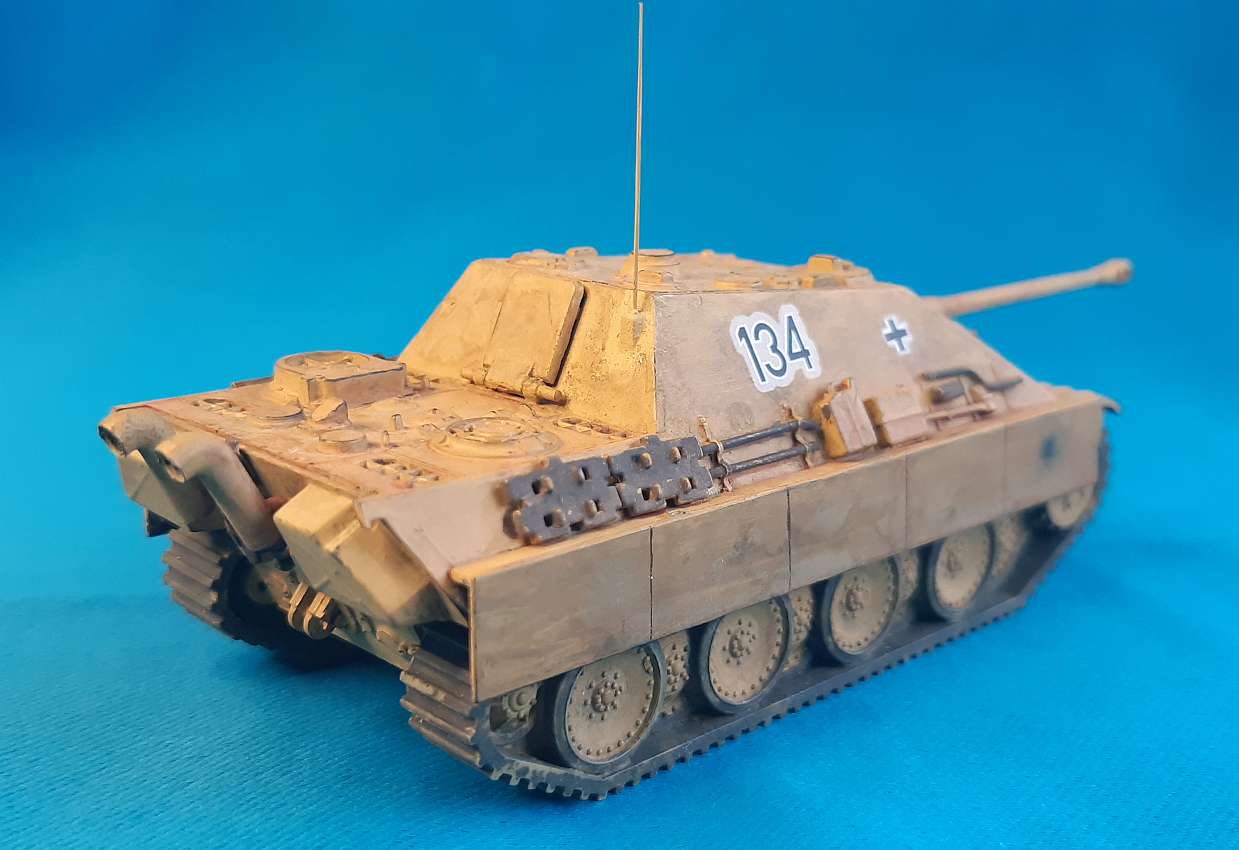
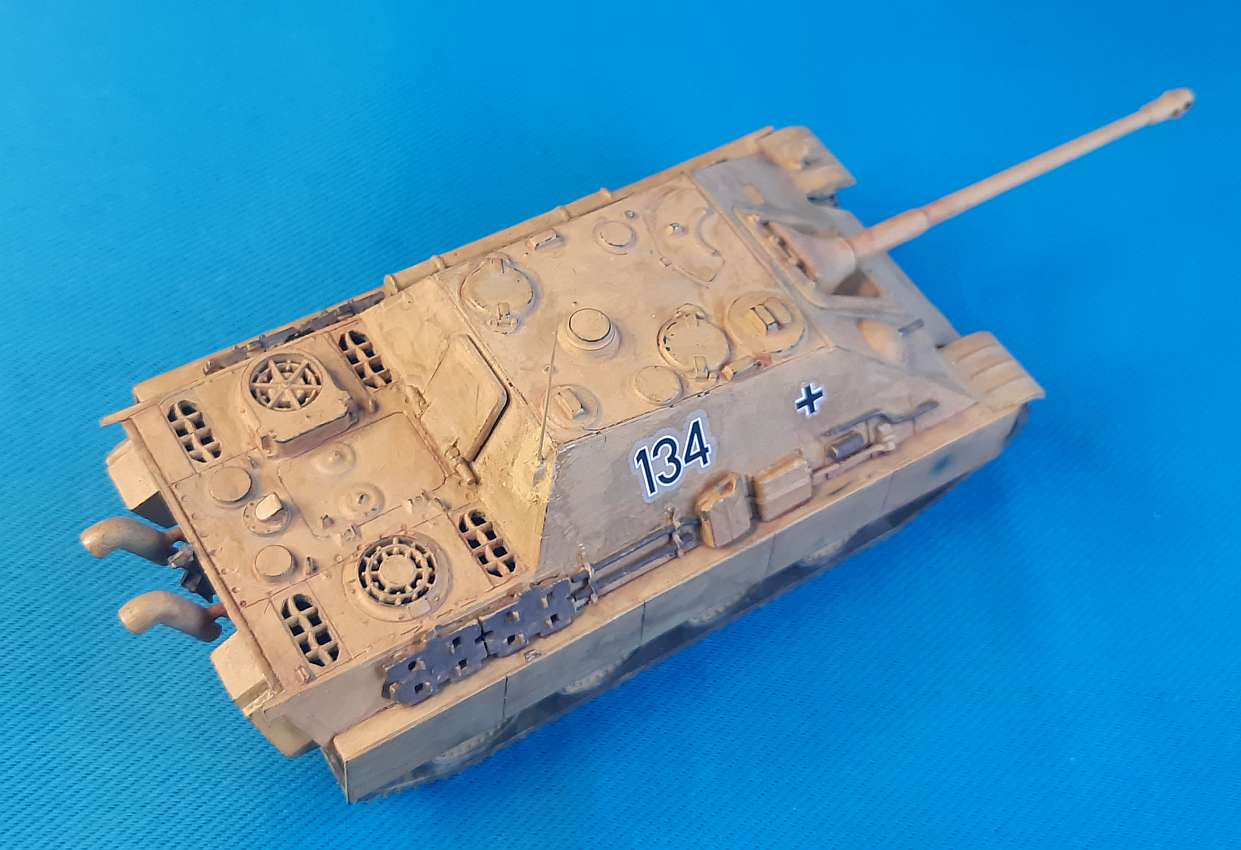
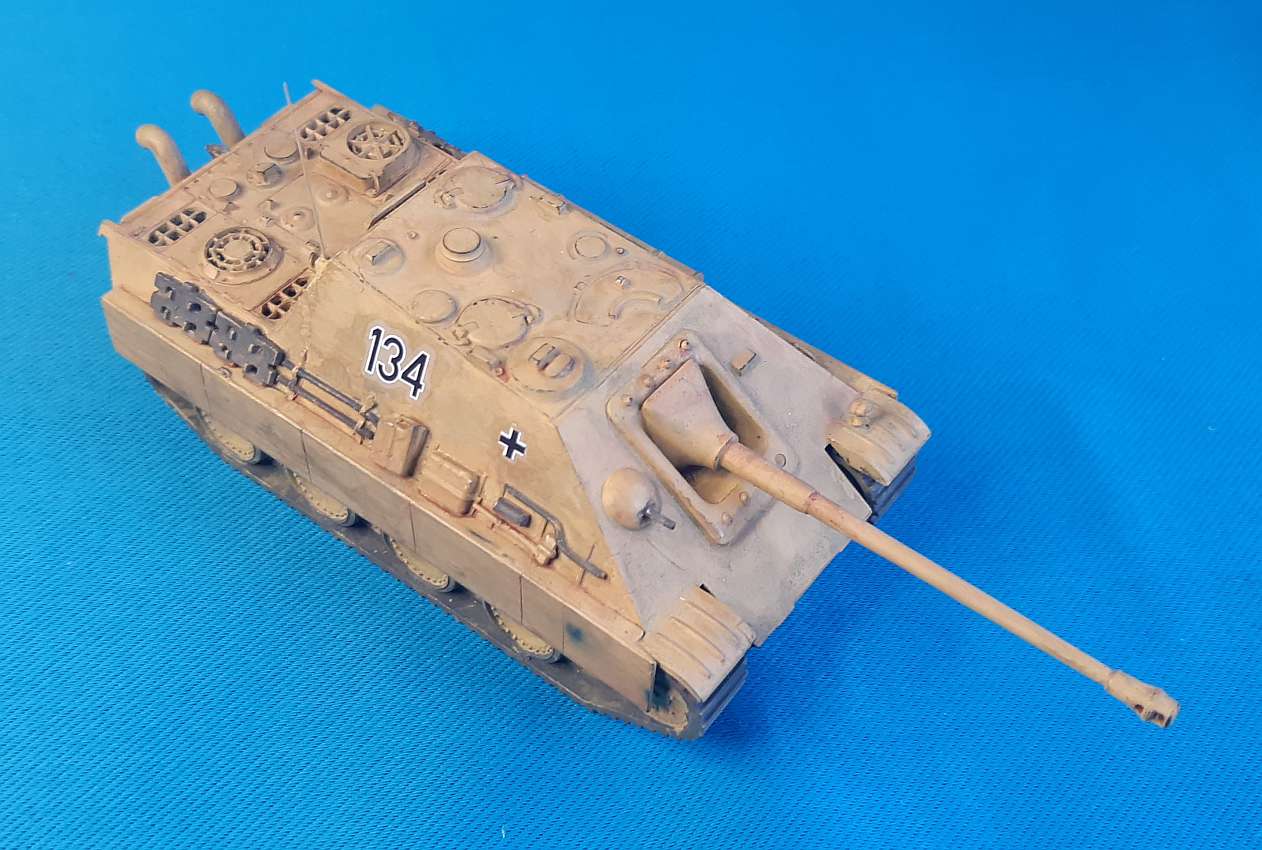
For "Tanks-Encyclopedia.org" Information about Jagdpanther (Sd.Kfz.173), visit
"Tanks-Encyclopedia.org", website
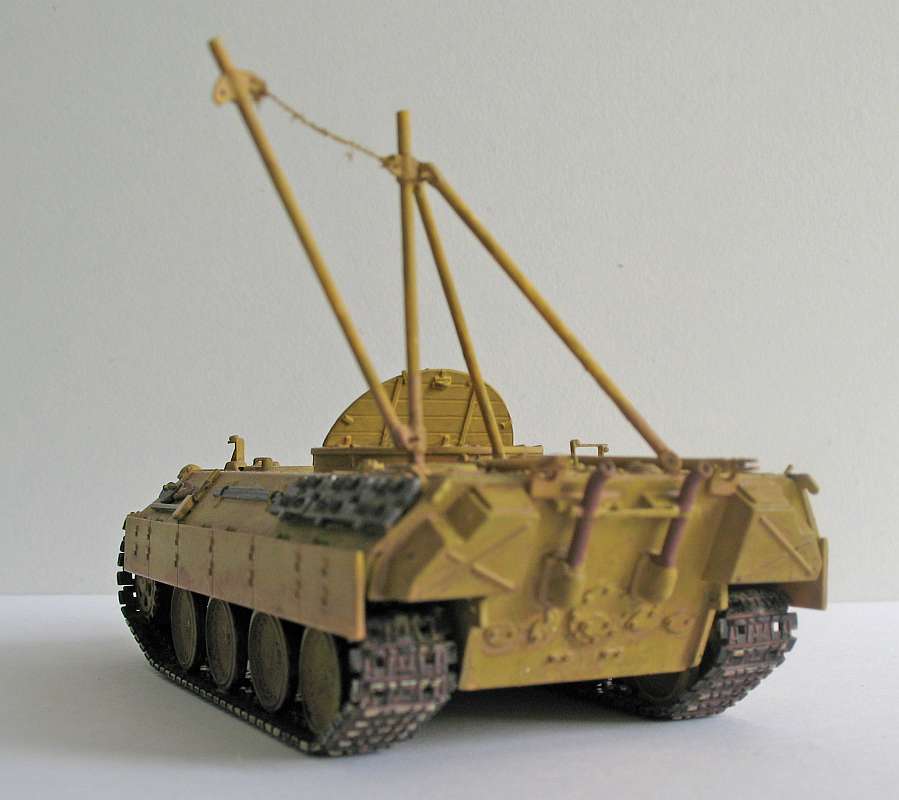
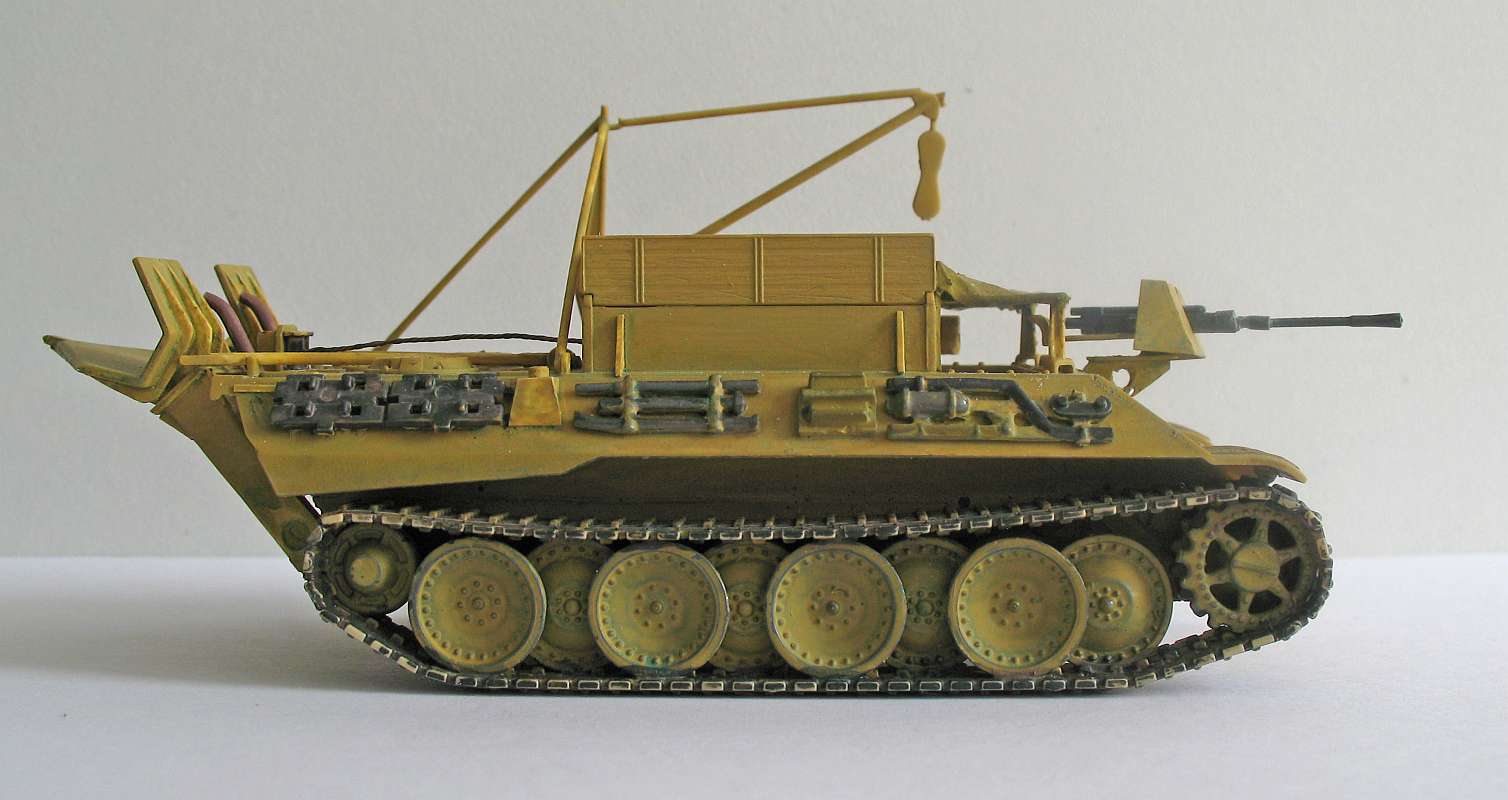
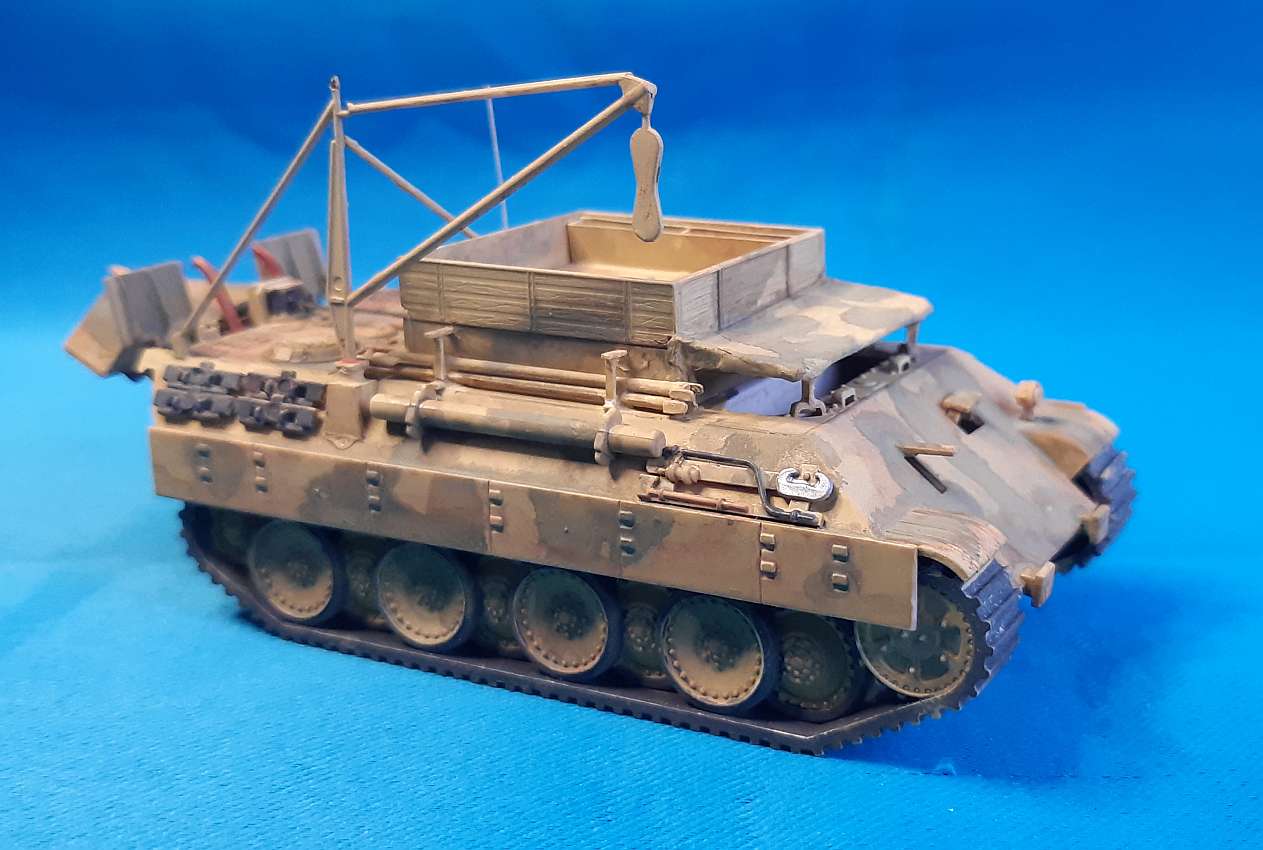
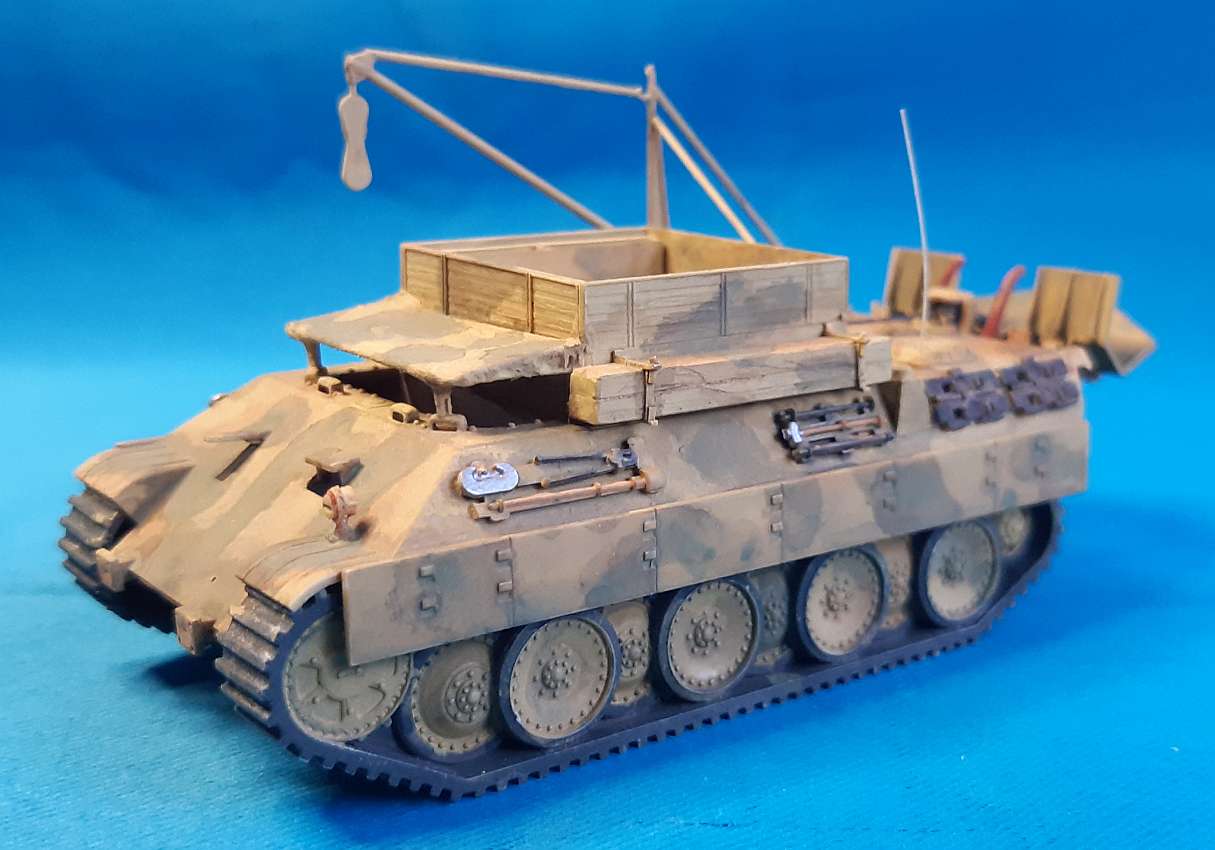
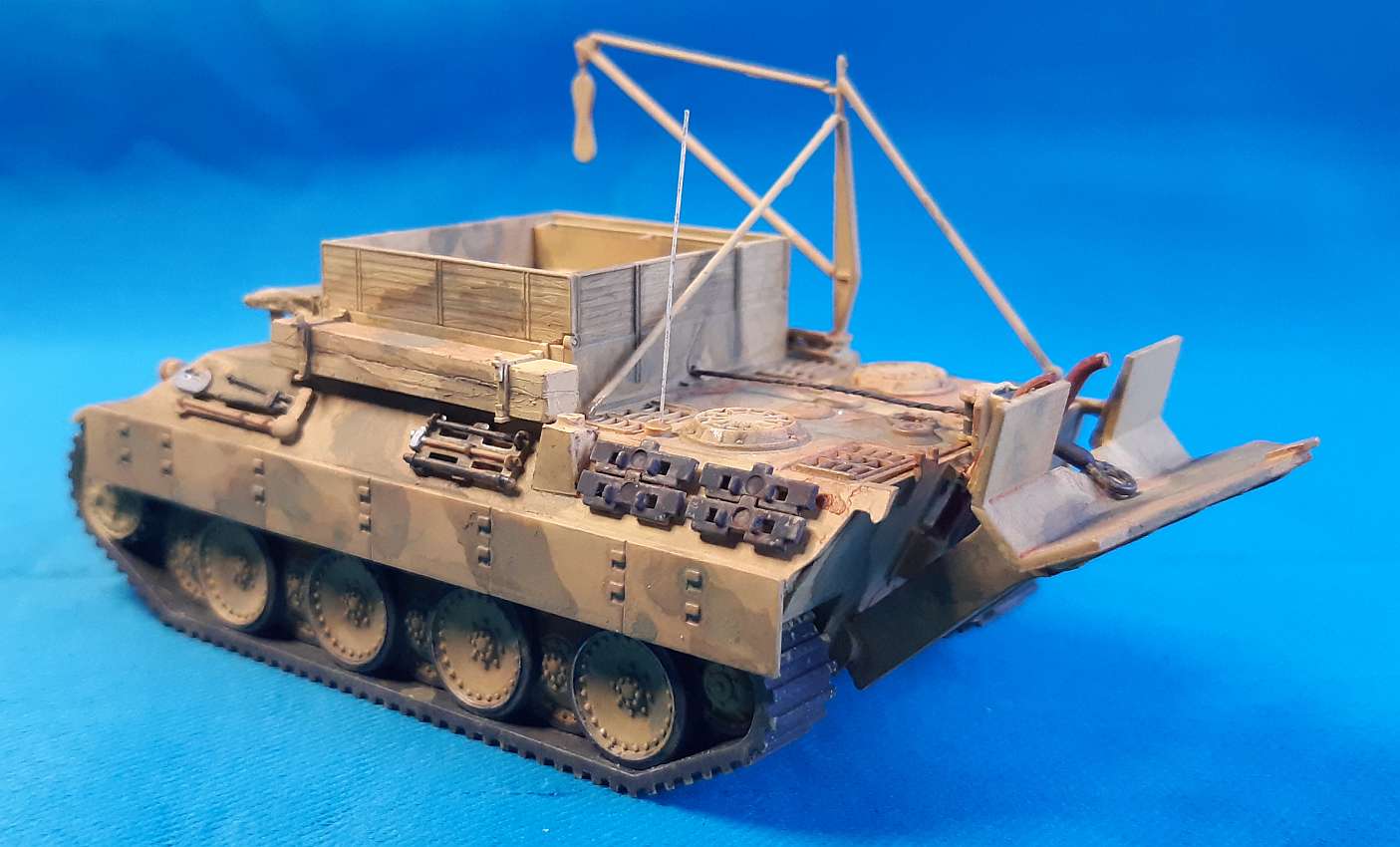
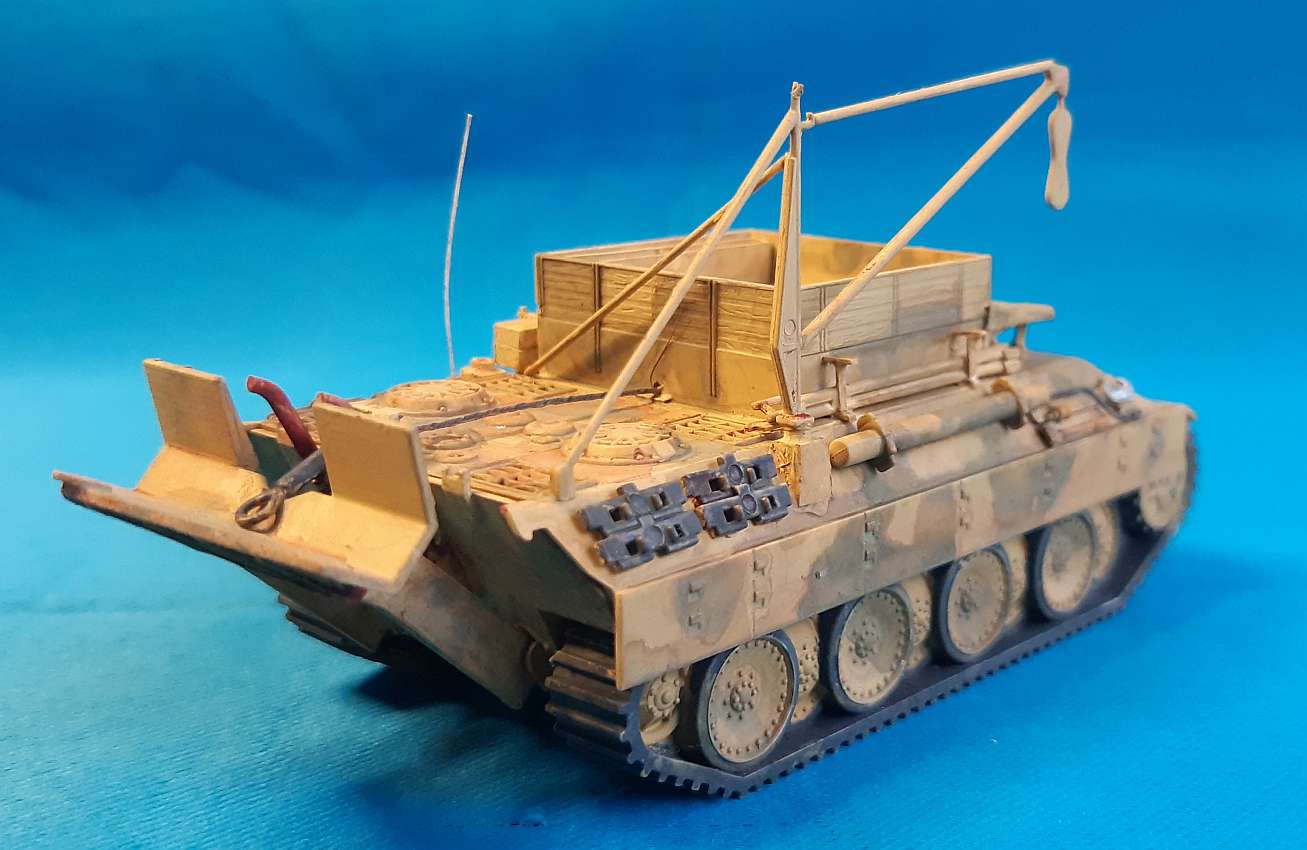
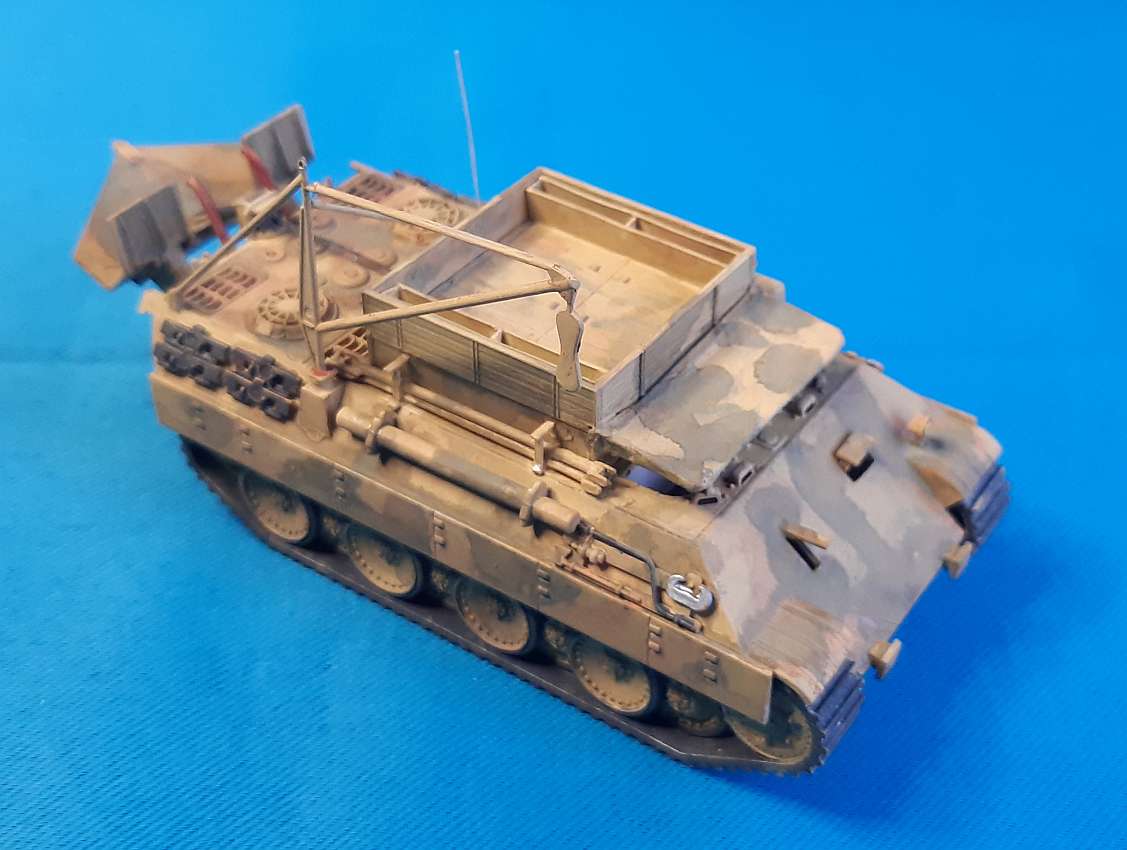
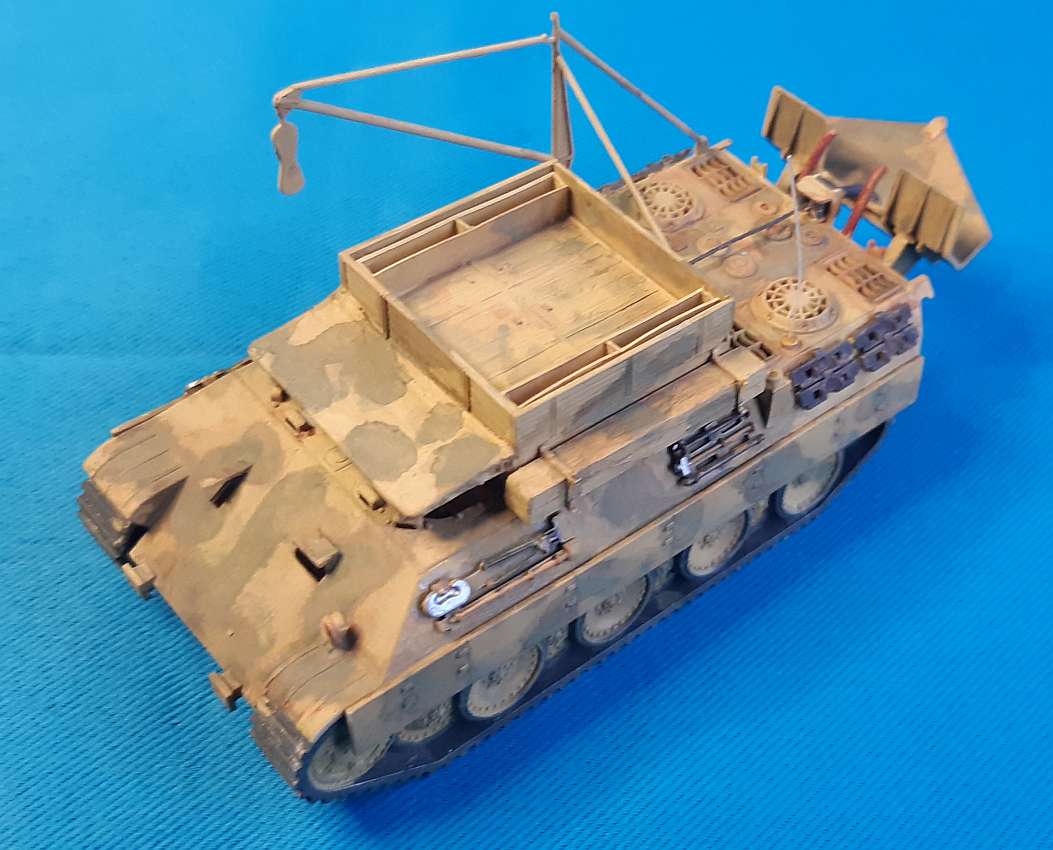
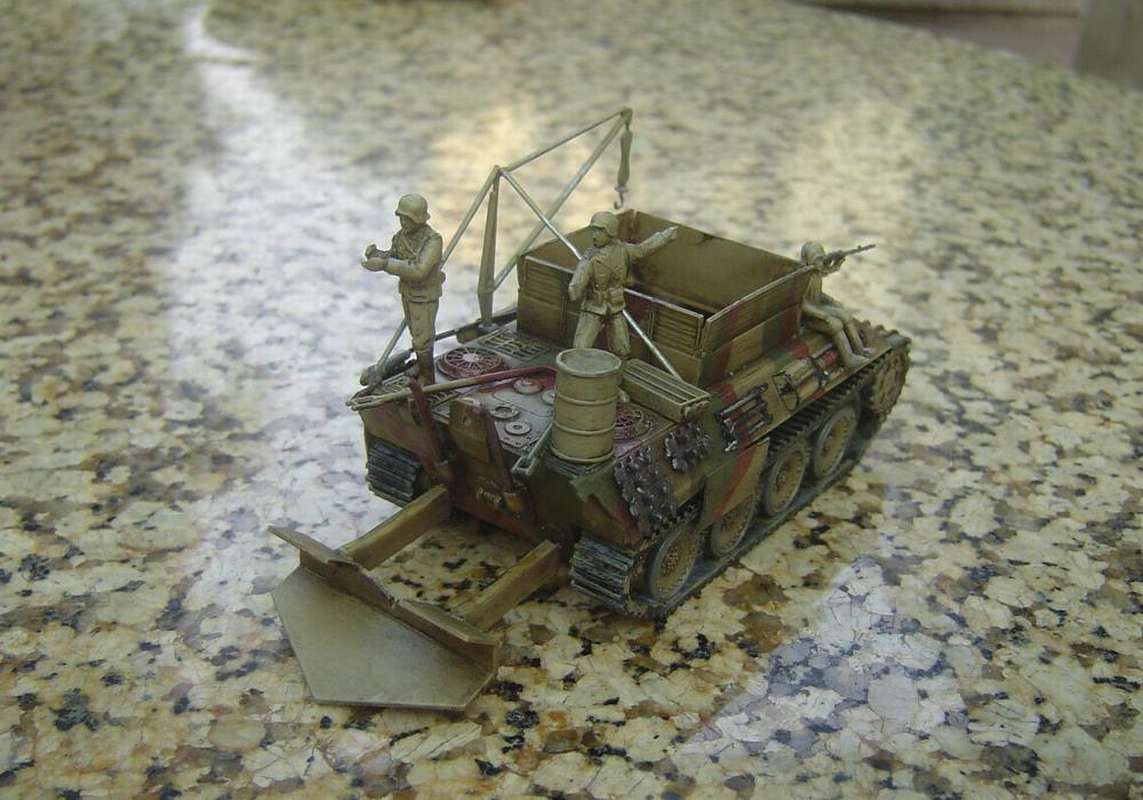
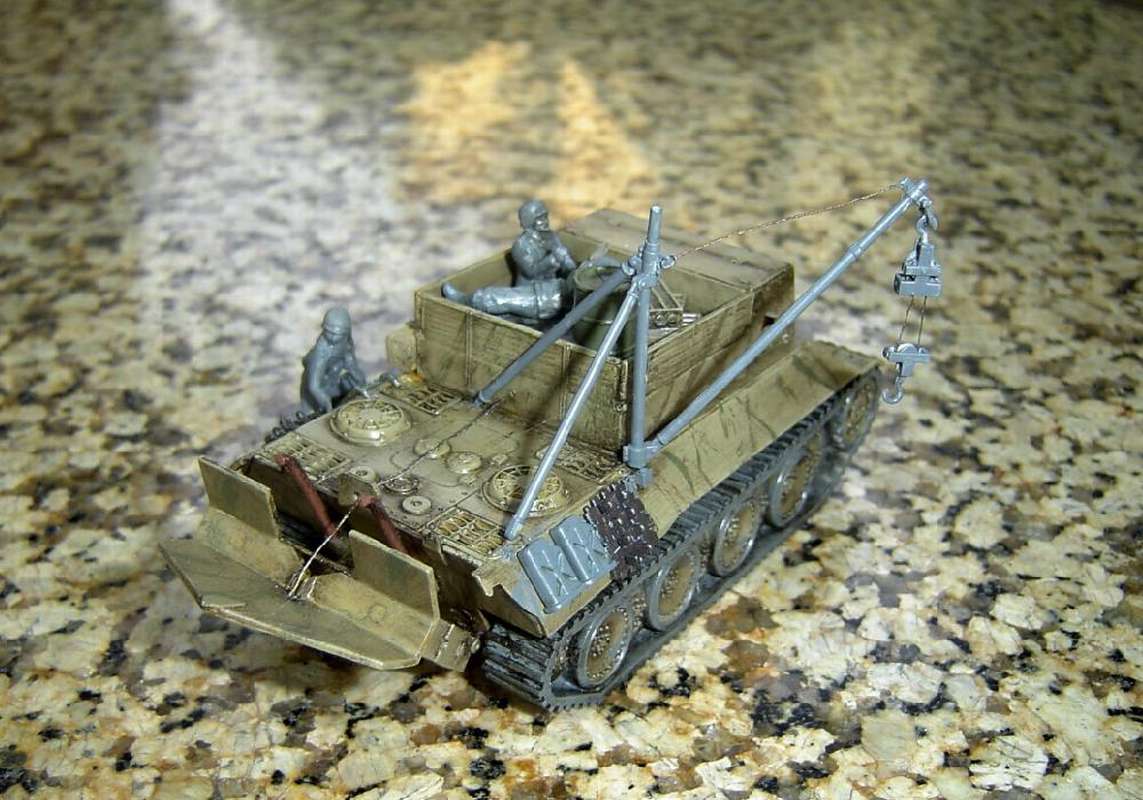
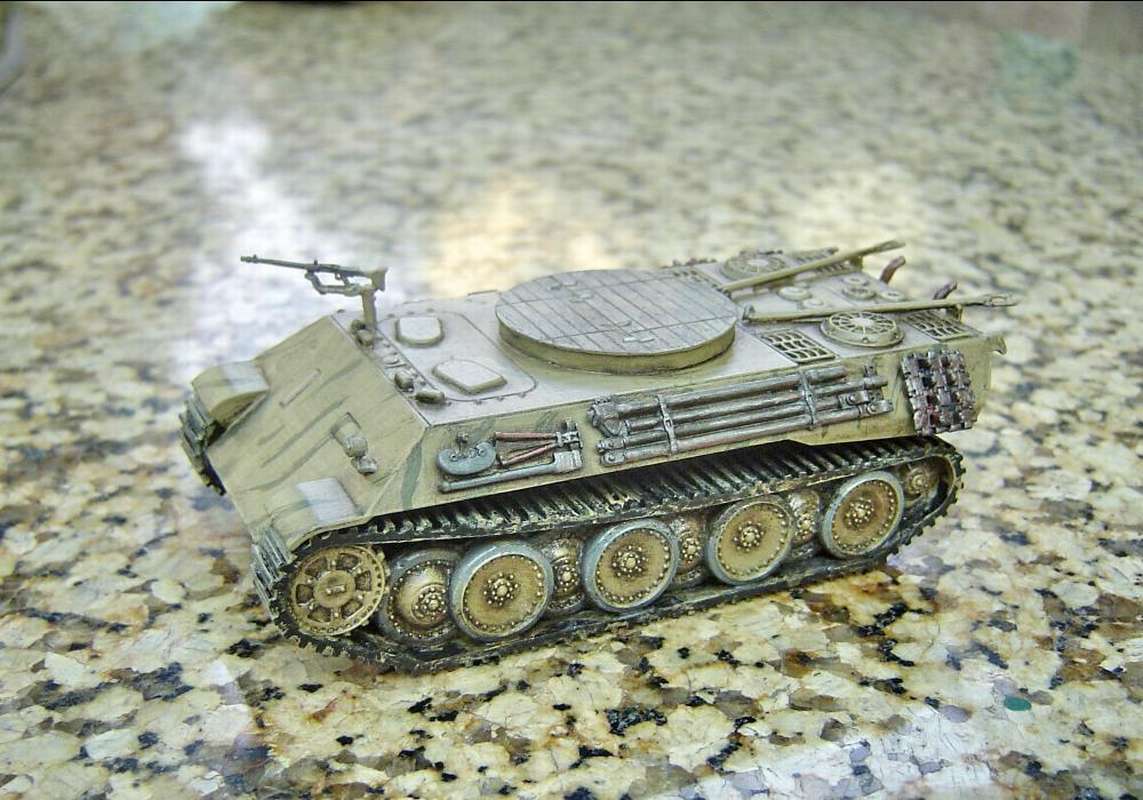
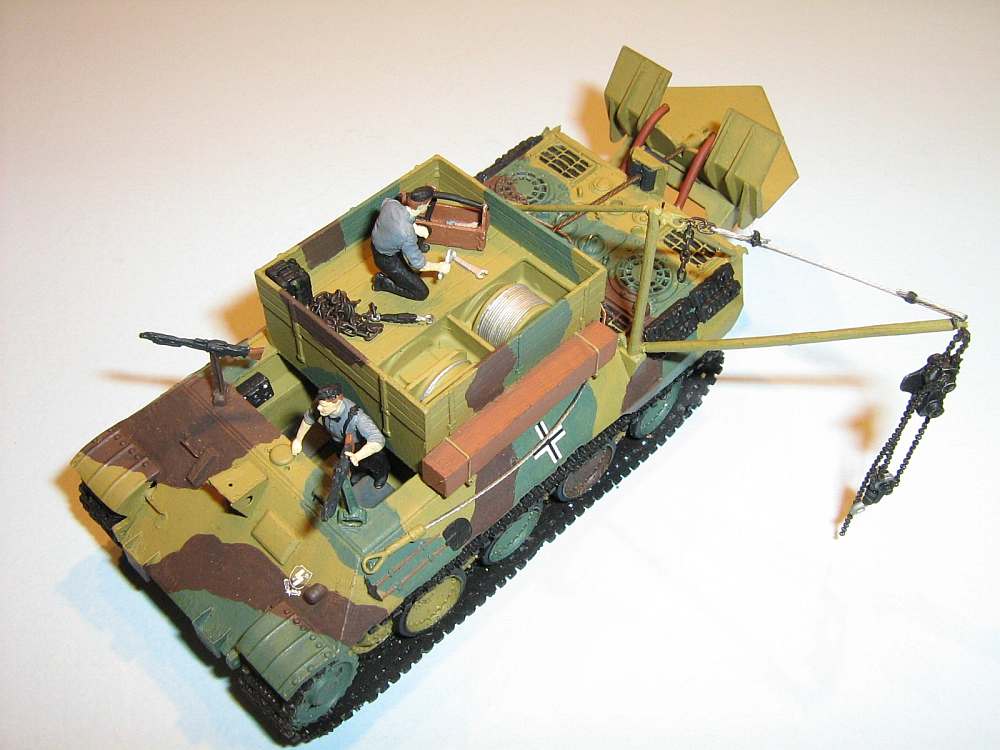
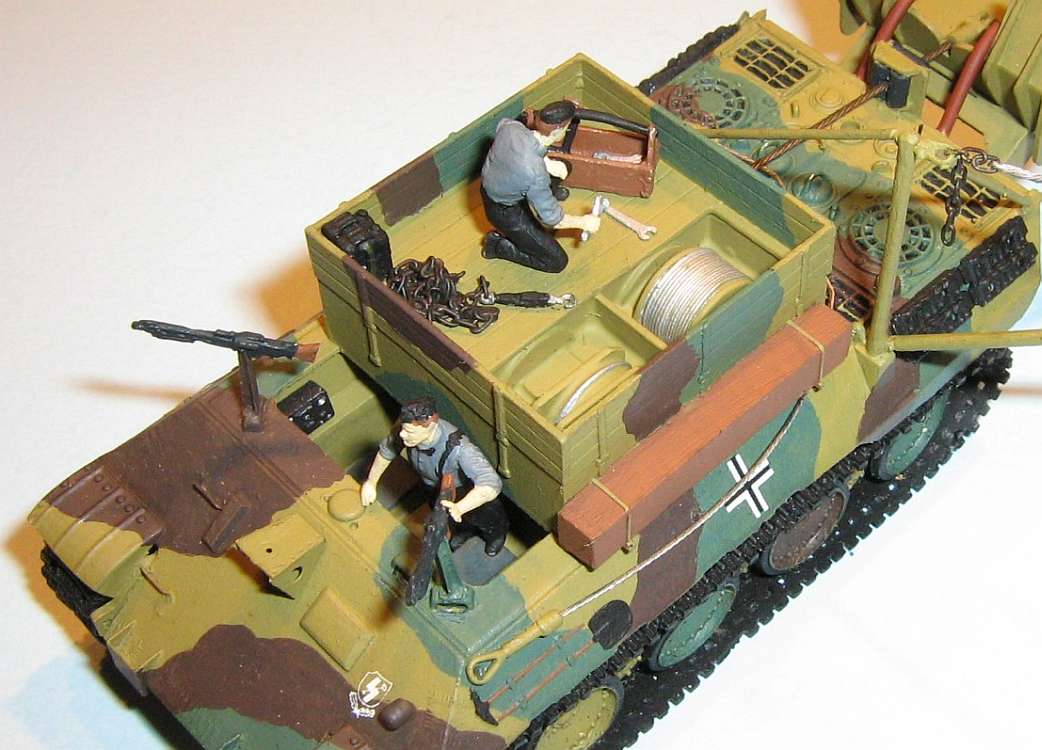
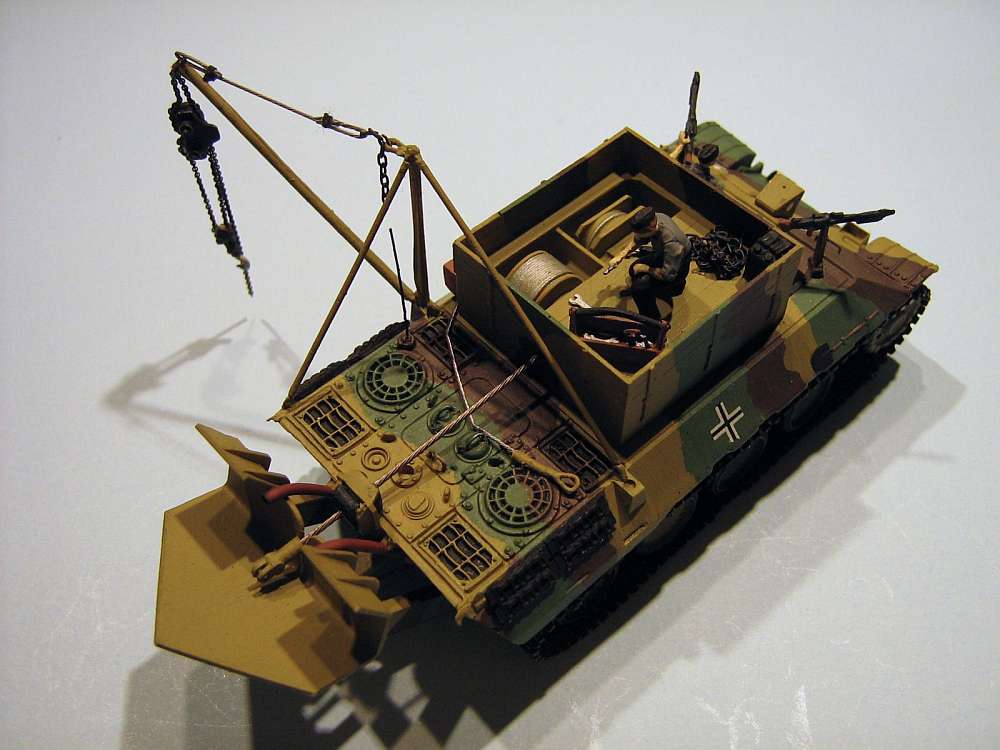
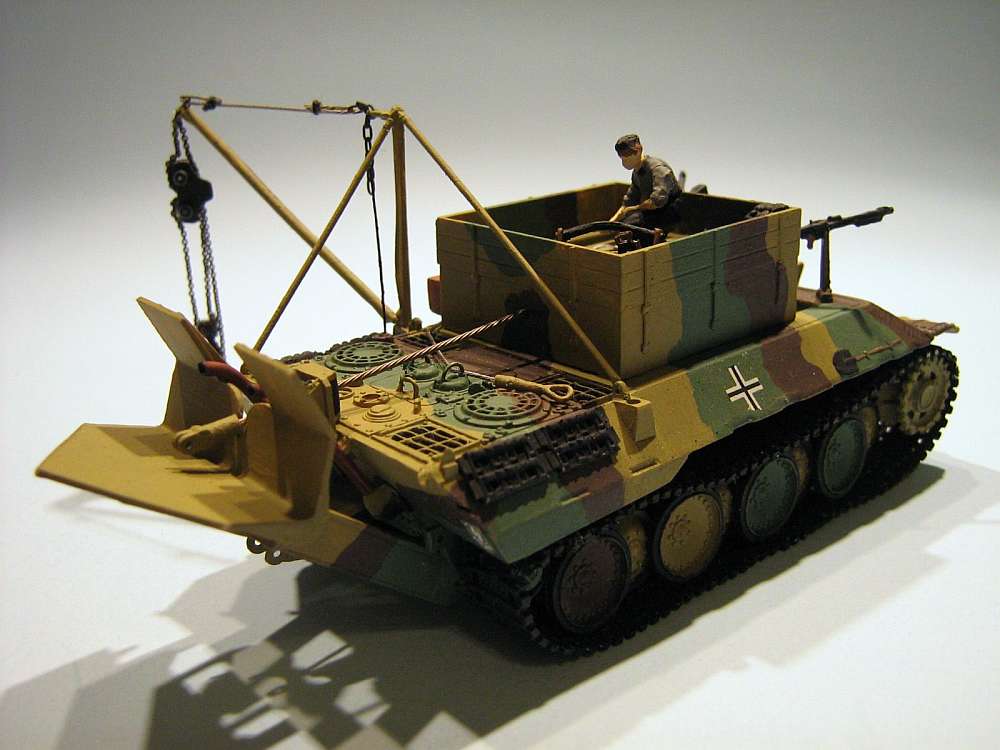
Bergepanther - Recovery Panther
The Bergepanther (officially: Bergepanzerwagen V, Sd.Kfz. 179) was a German armored recovery vehicle of World War II, developed on the chassis of the Panther tank.
Main Features
Purpose: To recover heavy tanks such as the Panther and the Tiger I, for which earlier vehicles (such as the 18-ton Famo half-tracks) were often inadequate.
Equipment: Most examples were equipped with a powerful 40-ton winch, a small crane (1.5 tons), and a large rear spade to anchor the vehicle during winching.
Armouring: For self-defense, the vehicle was equipped with a 2 cm KwK 38 rapid-fire cannon (on early models) and an MG 34 or MG 42 machine gun.
Construction: The turret was replaced by a wooden or steel superstructure to carry tools and spare parts.
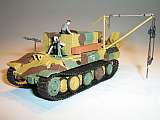
There are made several different recovery Panthers. A few variants are showed below.
Built Model by Webmaster

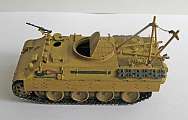

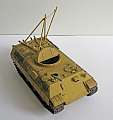
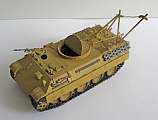


Built model with Earthspade by webmaster
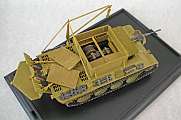


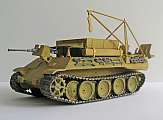
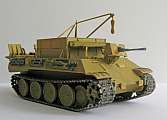


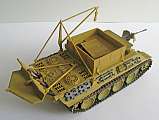
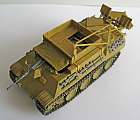
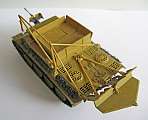
Built model with Earthspade by webmaster - (based on the BergePanther from the China manufacturer "CCLee")
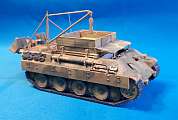
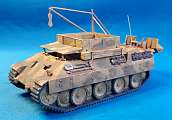
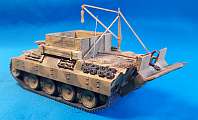
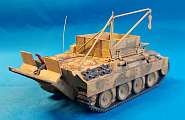
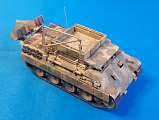
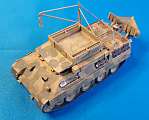
Built Model by Zhenmin Han - (CCLee)
The models from Zhenmin Han are based on the BergePanther from the China manufacturer "CCLee"
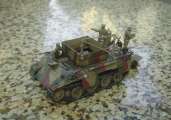
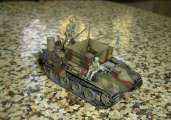

Built Model by Zhenmin Han - (CCLee)

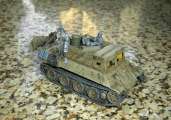


Built Model by Zhenmin Han - (CCLee)
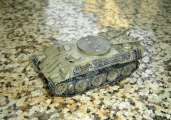
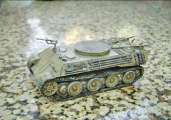


BergePanther - Recovery Panthers - built by Tony Ivey - 1/72




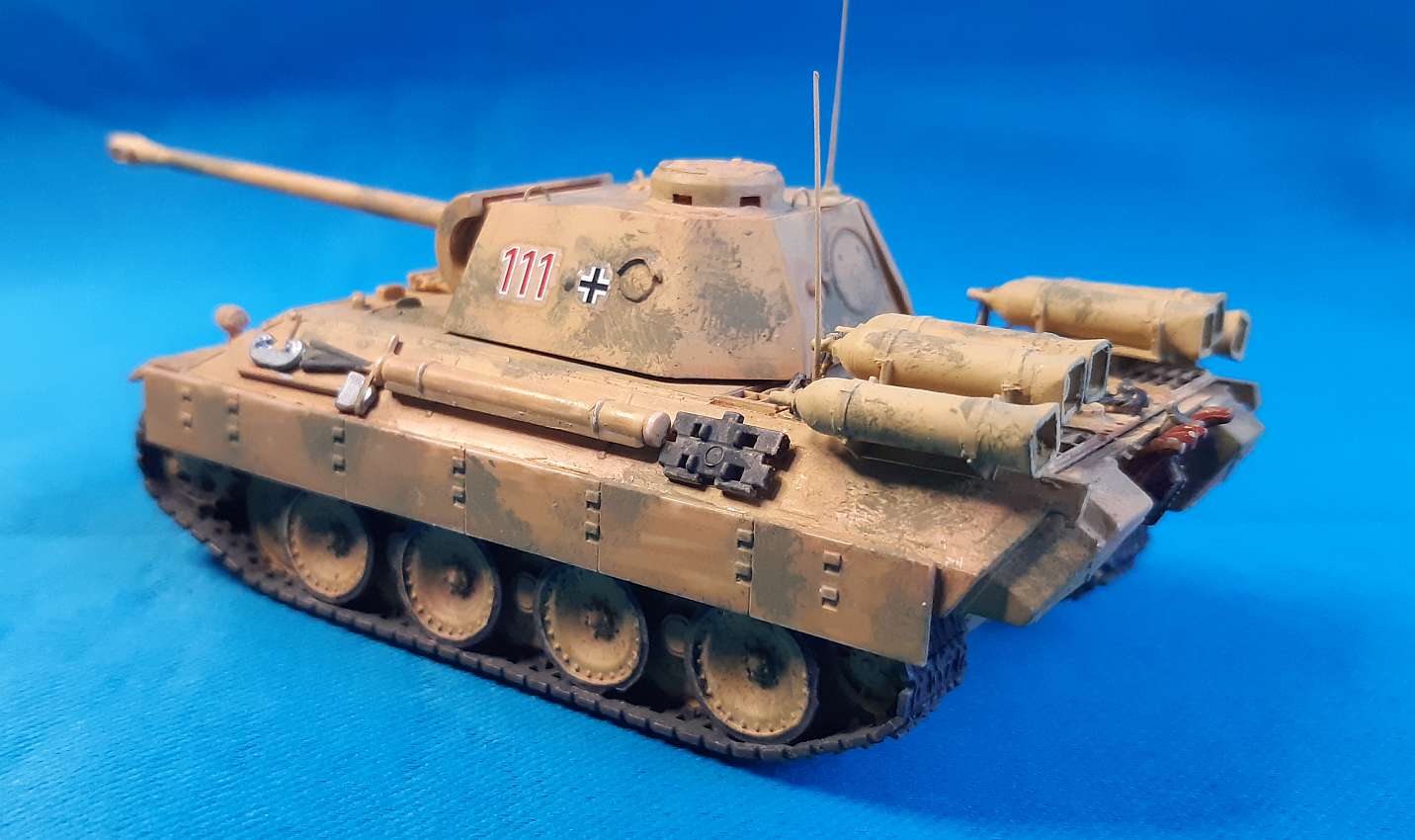
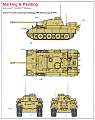
Panther D with Gasgenerator used as instruction panzer in "German Fahrschule"
The Panther Ausf. D tank was not equipped with a wood gas generator as standard, but experimental and training variants were modified to run on alternative fuels due to fuel shortages in Germany during World War II.
These conversions included both compressed "Stadtgas" (city gas) bottled systems and wood gas generators (Holzgas).
Conversions for Training
Due to critical fuel shortages, combat vehicles, including the Panther D and Tiger I, that were not needed at the front, were converted into driving school vehicles ("Fahrschulepanzer") to train crew members.
Wood Gas (Holzgas) Systems: Some of these training tanks were equipped with wood gas generators. These generators burned wood to produce a combustible gas that could power the engine. The wood combustion system and gas storage/cooling
cylinders were often mounted on the rear of the chassis.


Built model by webmaster
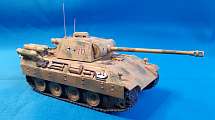
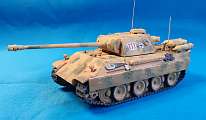
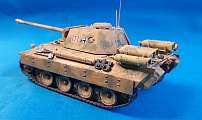
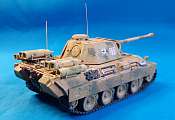
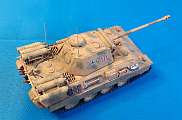
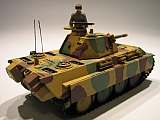
Beobachtungs Panther - based on Ausf. A (early version)
The Panther Observation Post (full German name: Panzerbeobachtungswagen Panther) was a proposed artillery observation variant of the German Panther tank during World War II. However, the project was abandoned in favor of production
of the standard main battle tank.
Design and Role
The Panzerbeobachtungswagen was intended to function as a mobile observation post for artillery units, observing targets, directing artillery fire, and relaying fire adjustments to gun crews. The idea was to use discarded or
converted tank chassis for this role.
Built Model by Webmaster

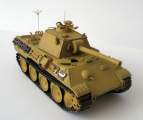
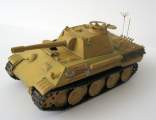


Built Model by Tony Ivey - 1/72



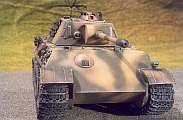
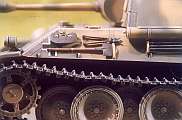
Beobachtungs Panther - based on Ausf. G (late version)
Built model - (Scale and owner unknown)




Panther Versions in Panzer Abteilung 653
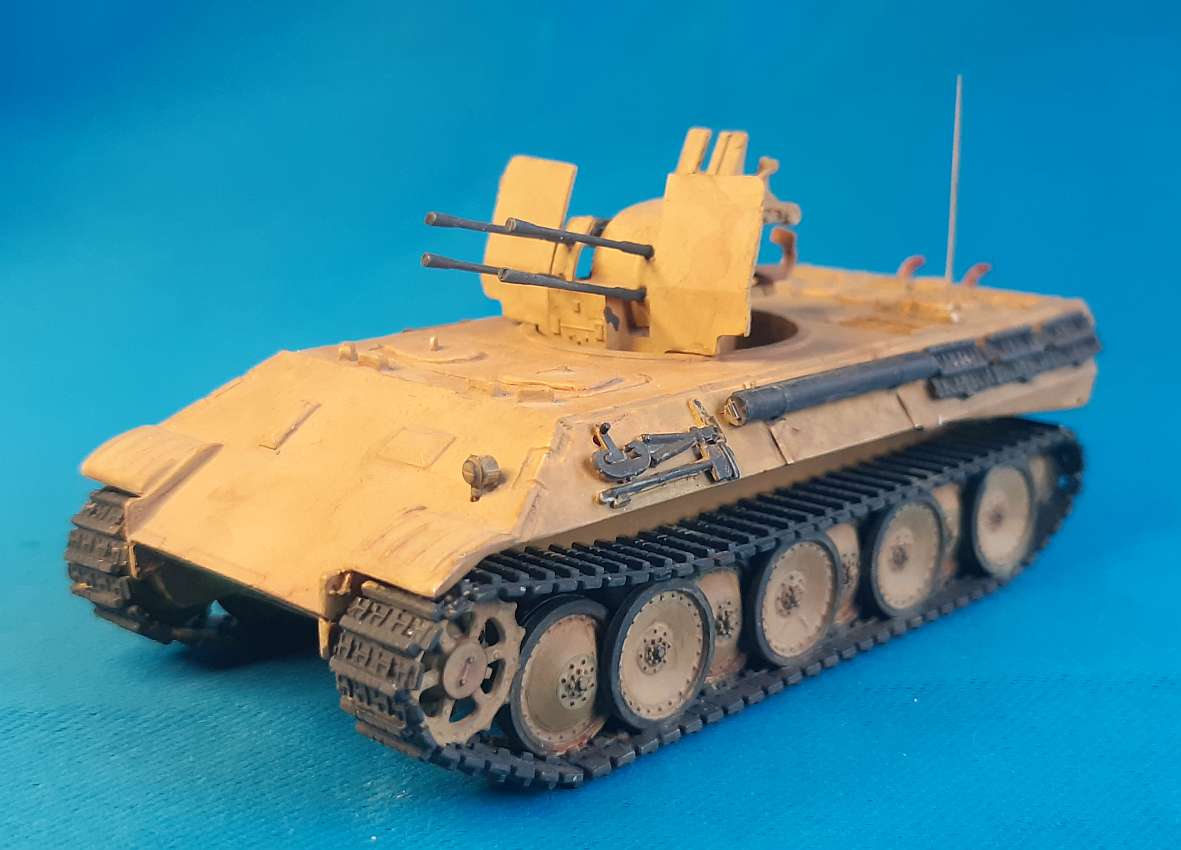
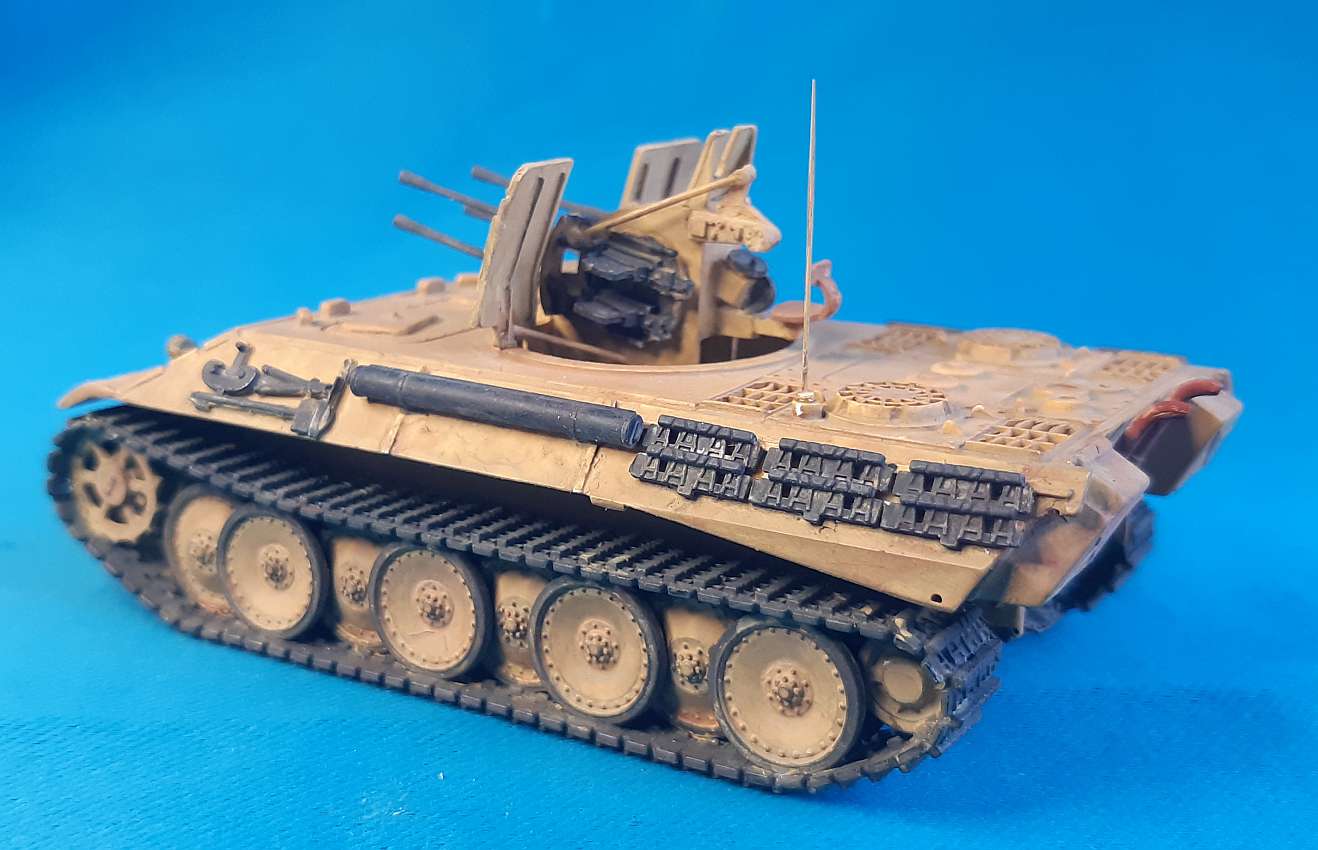
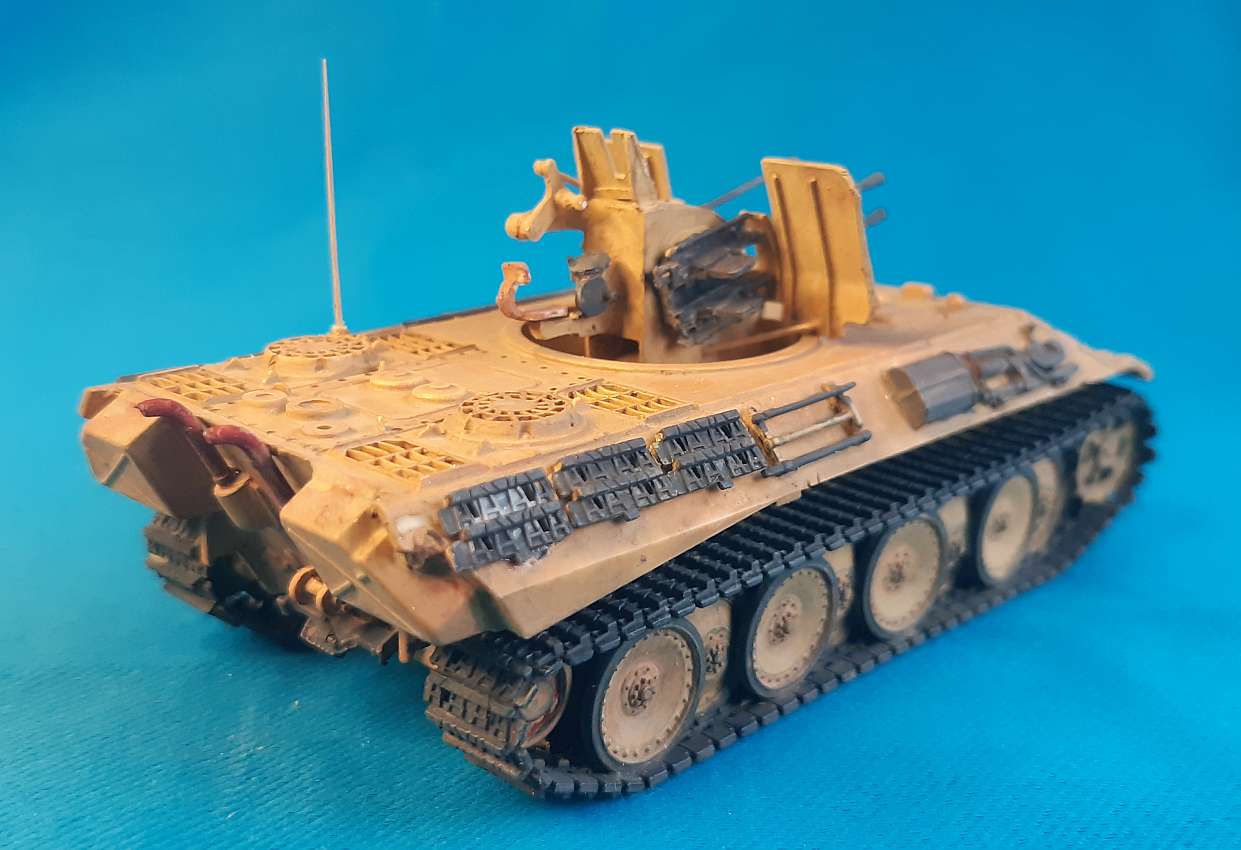
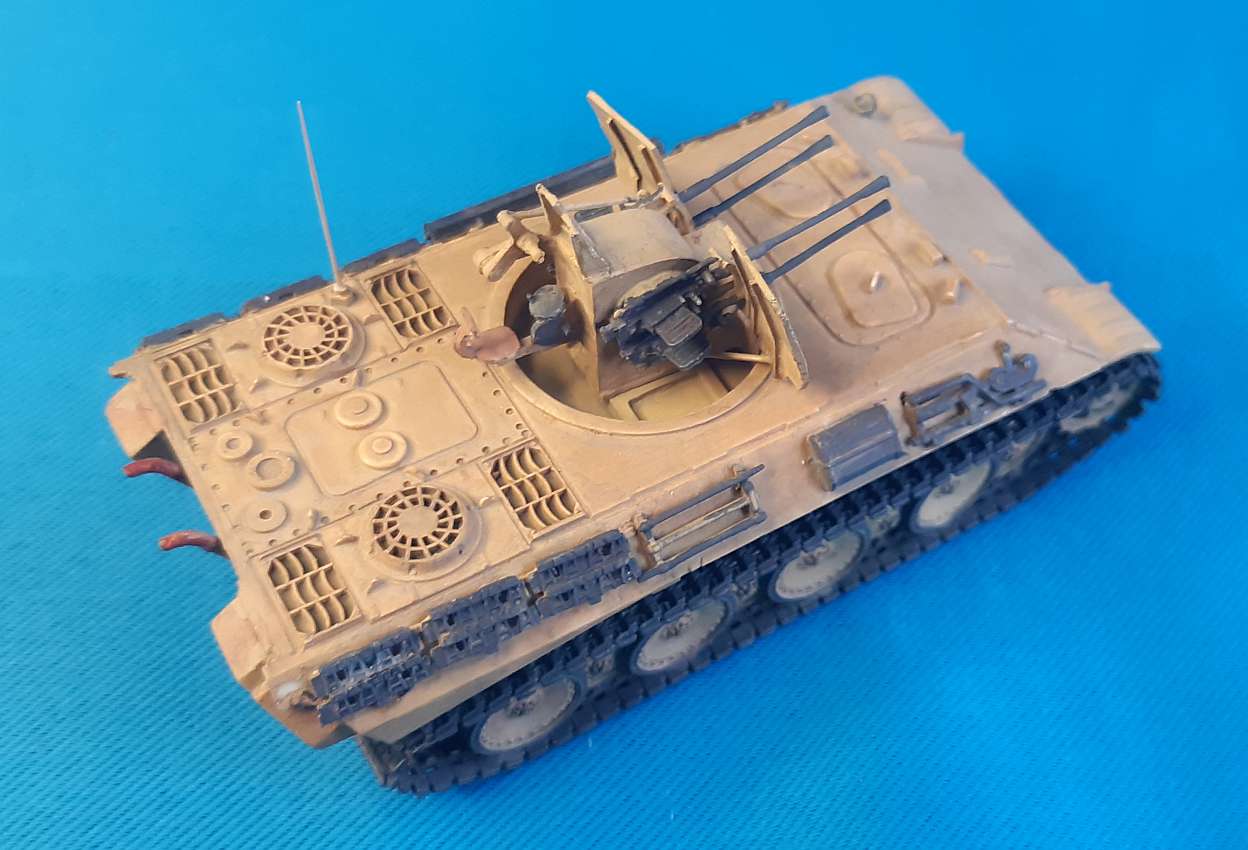
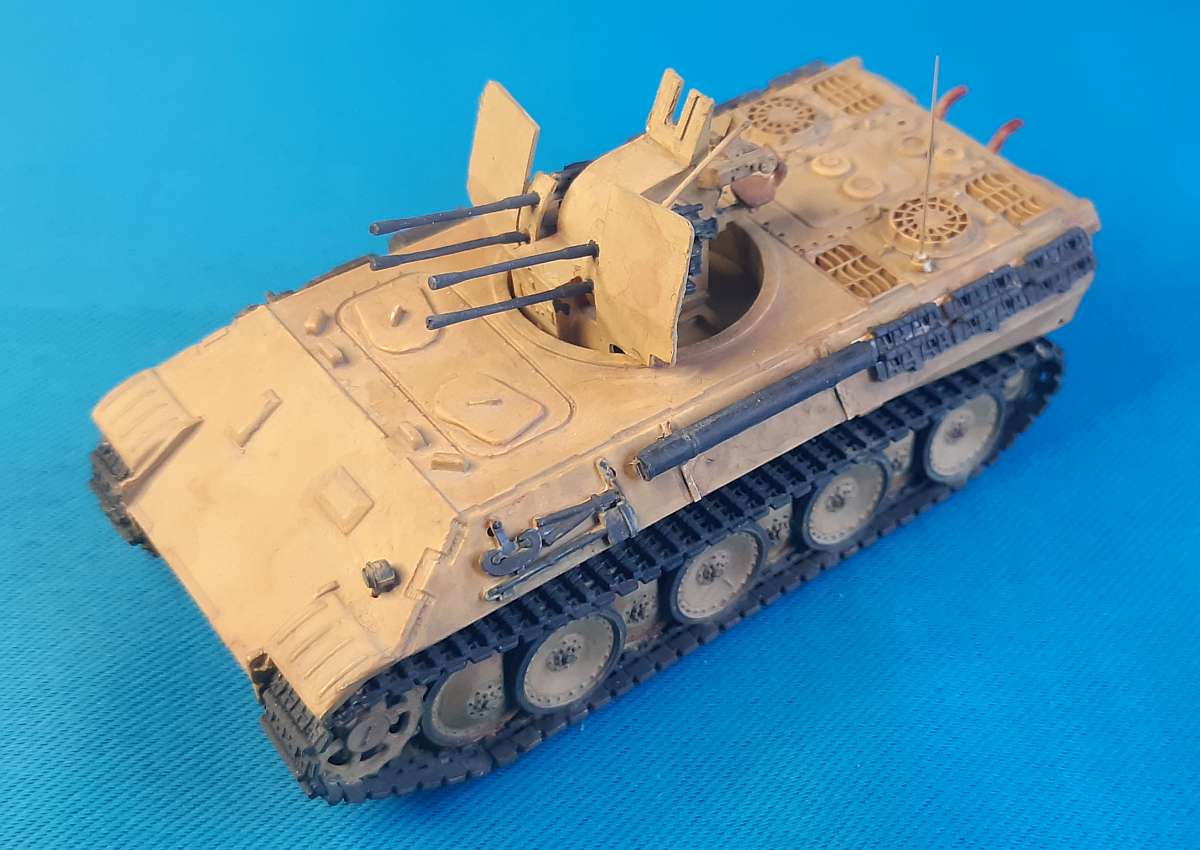
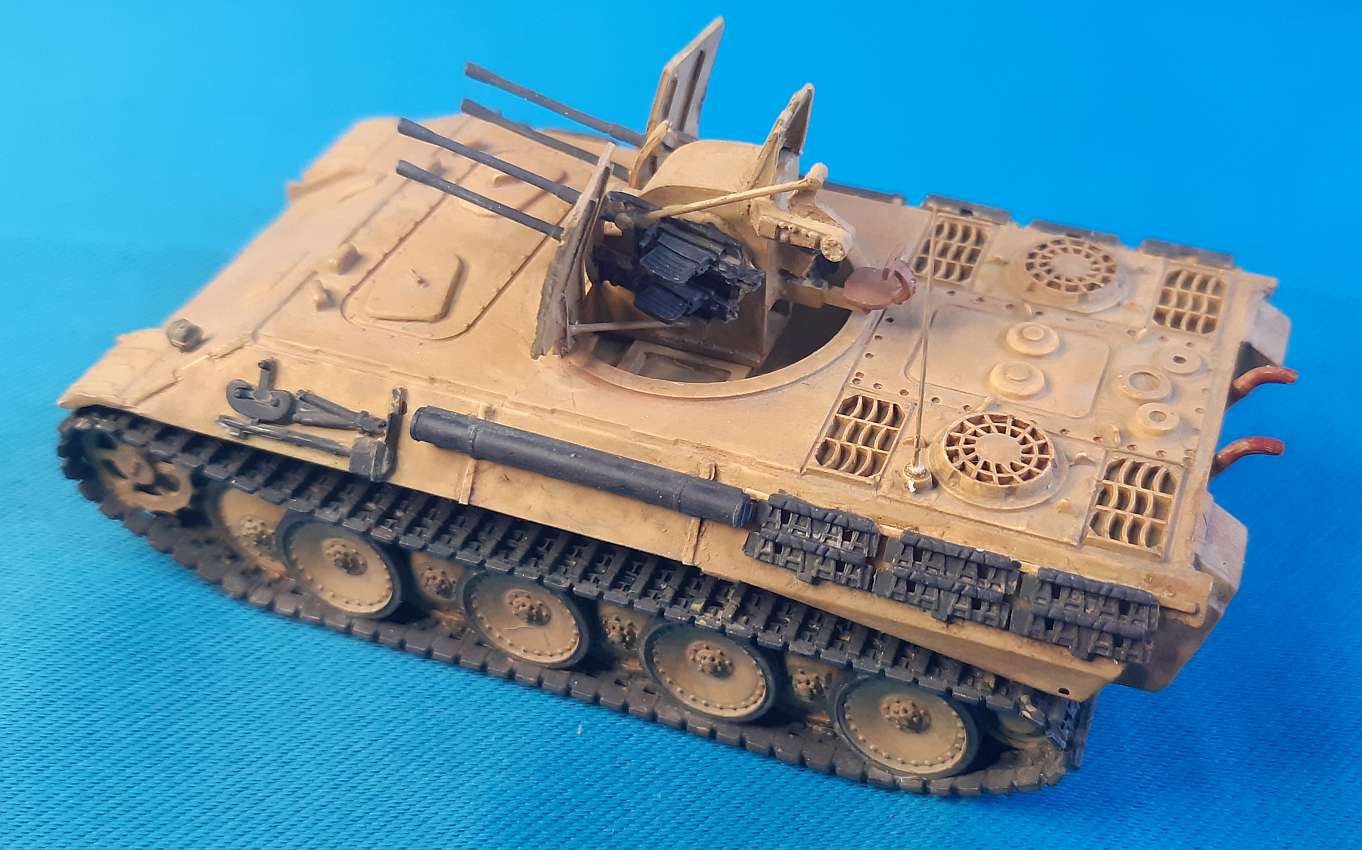
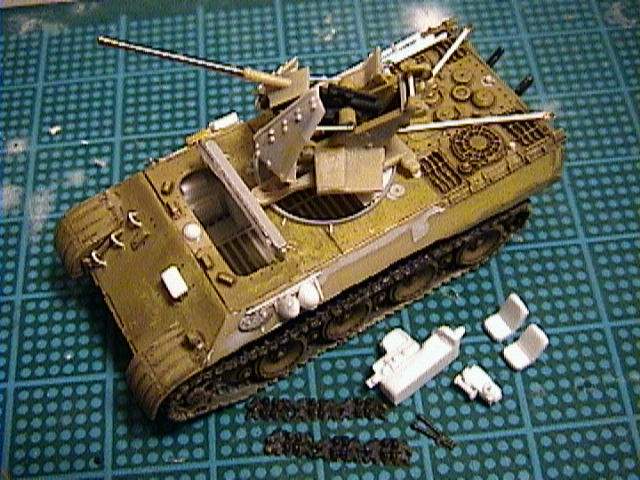
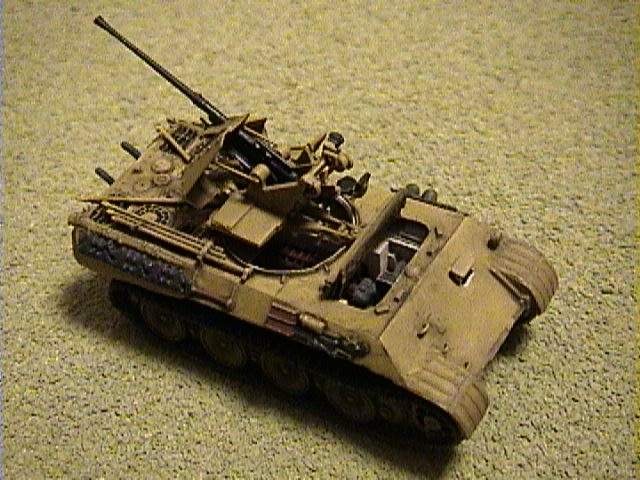
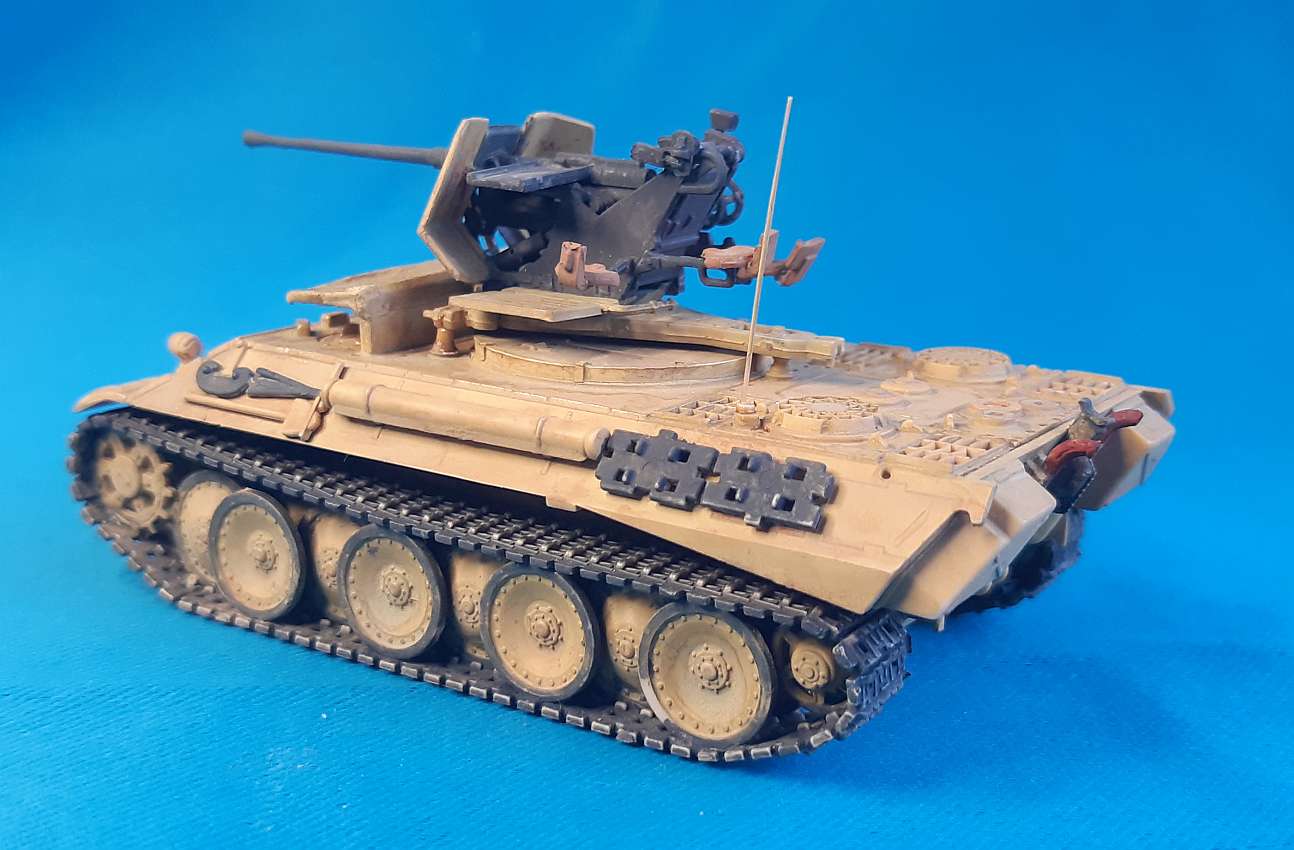
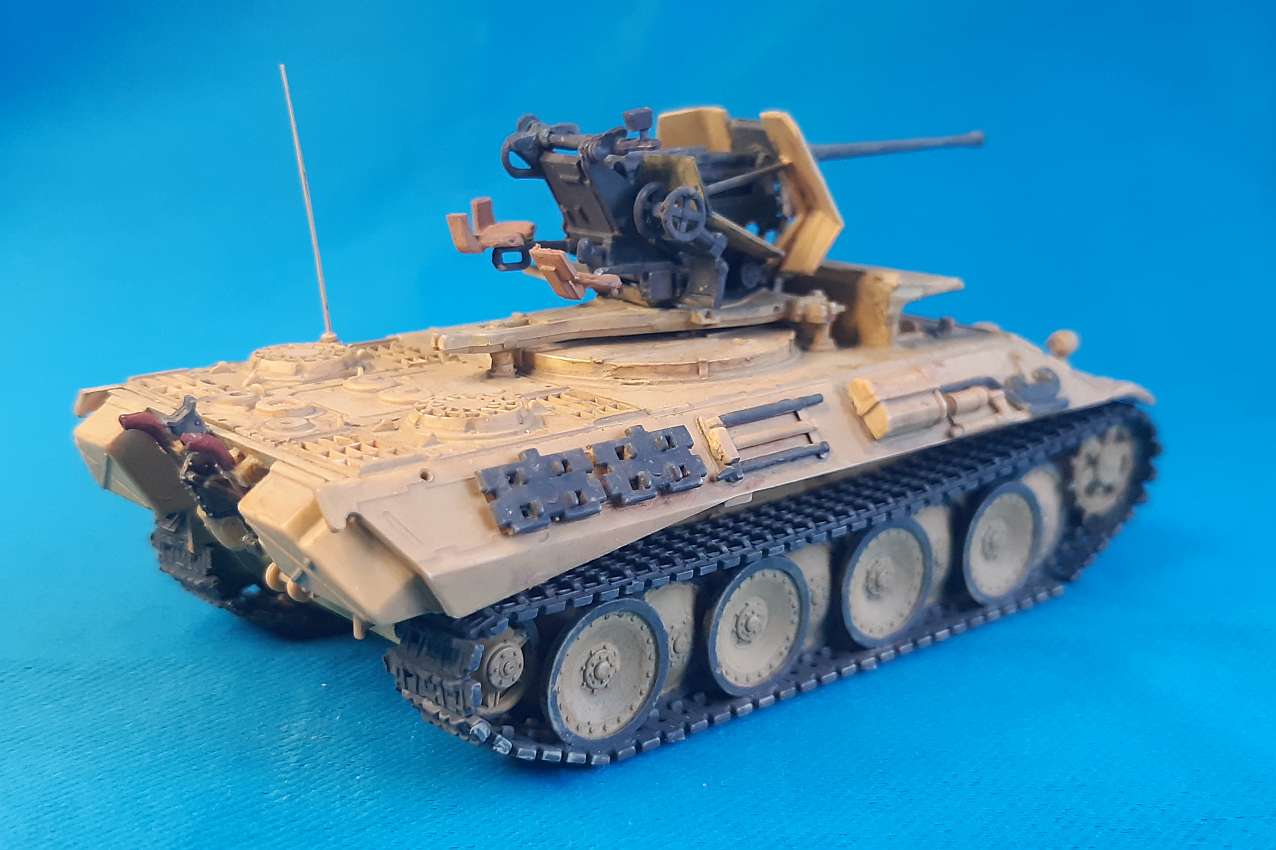
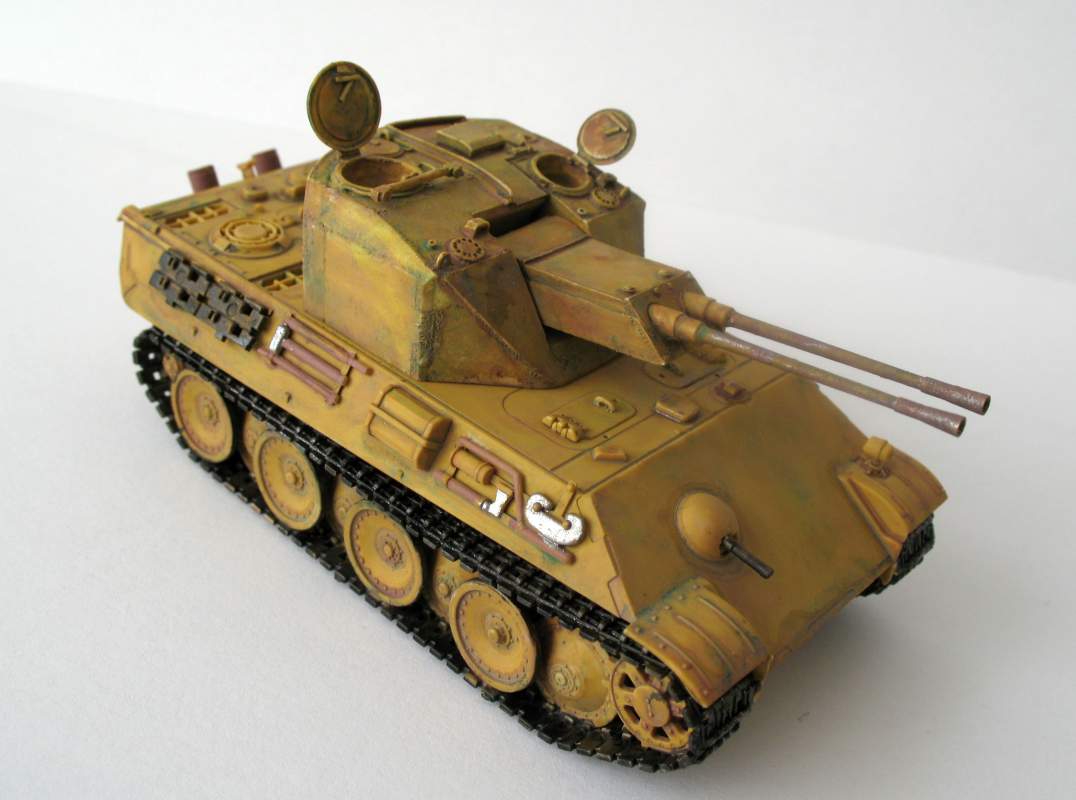
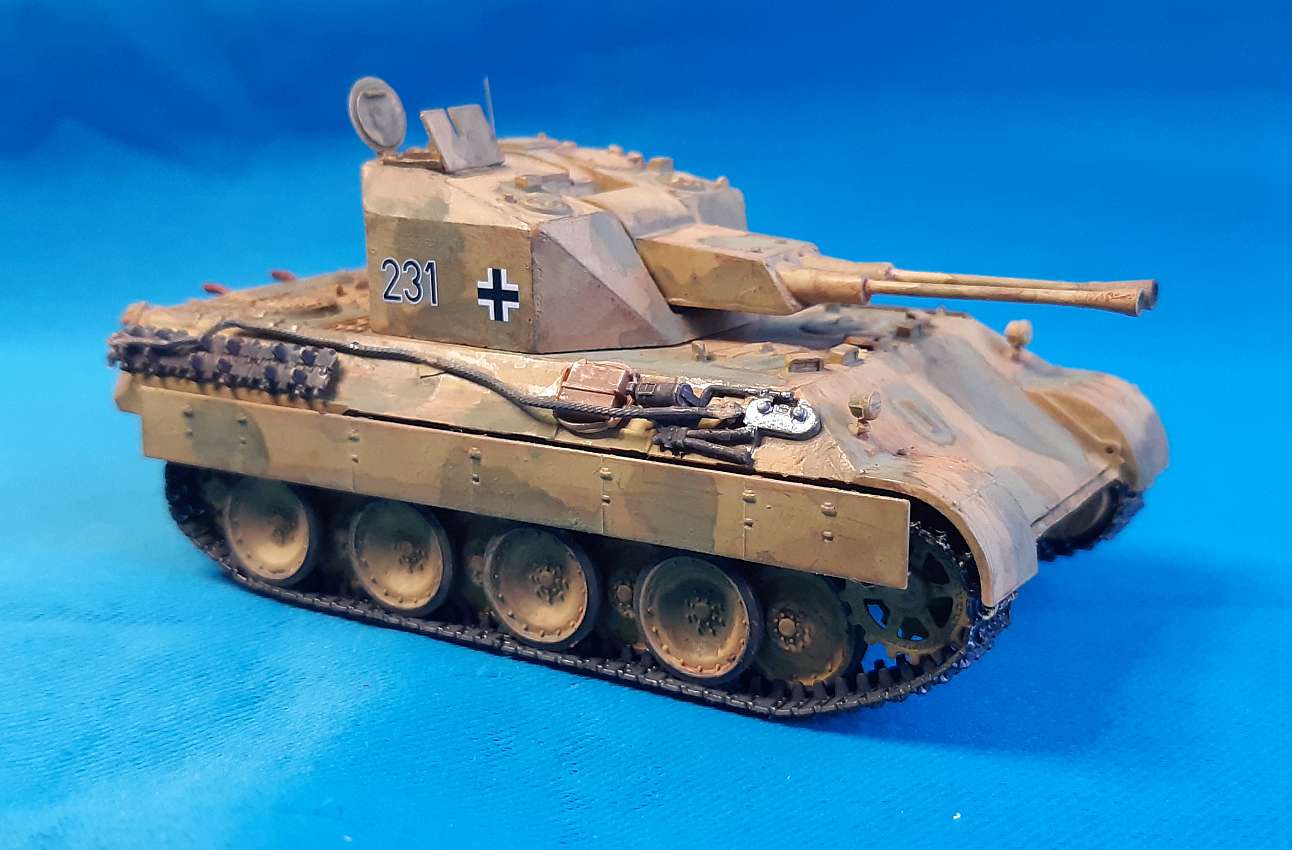
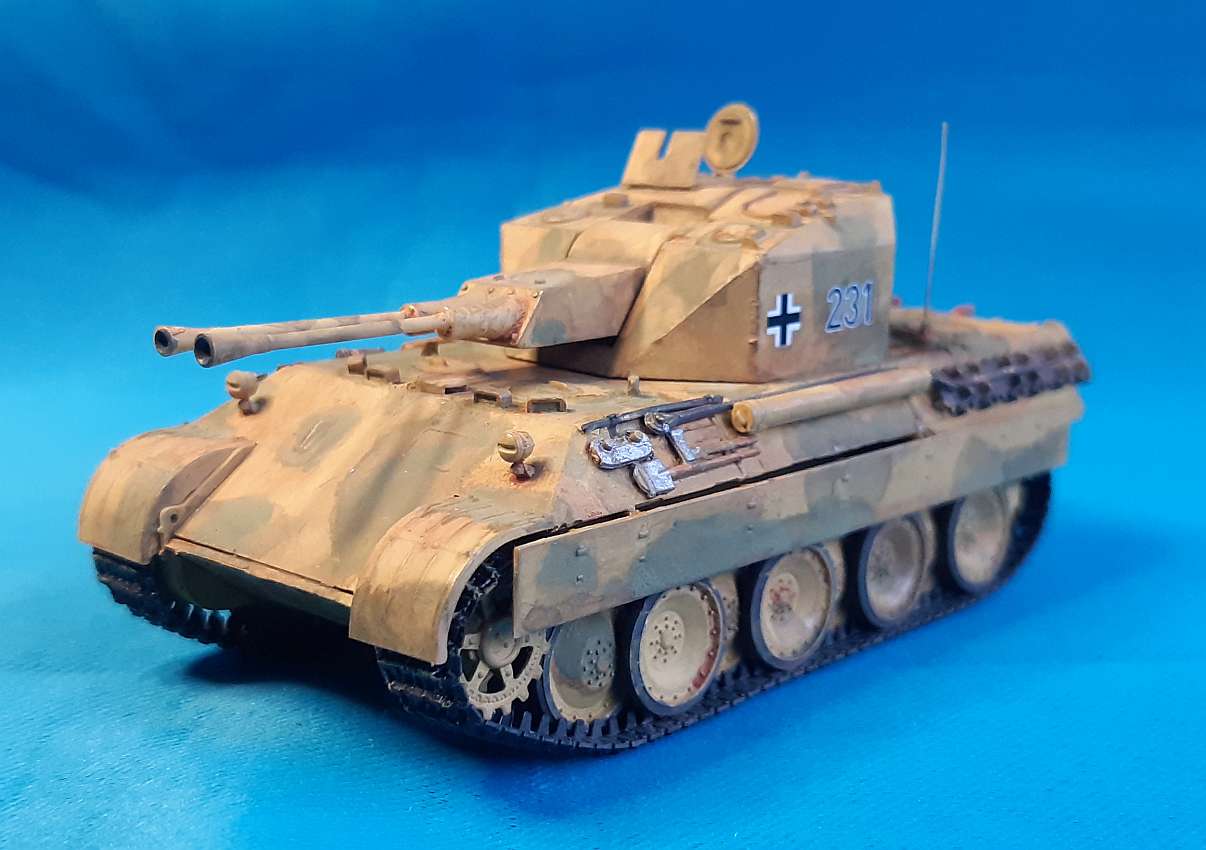
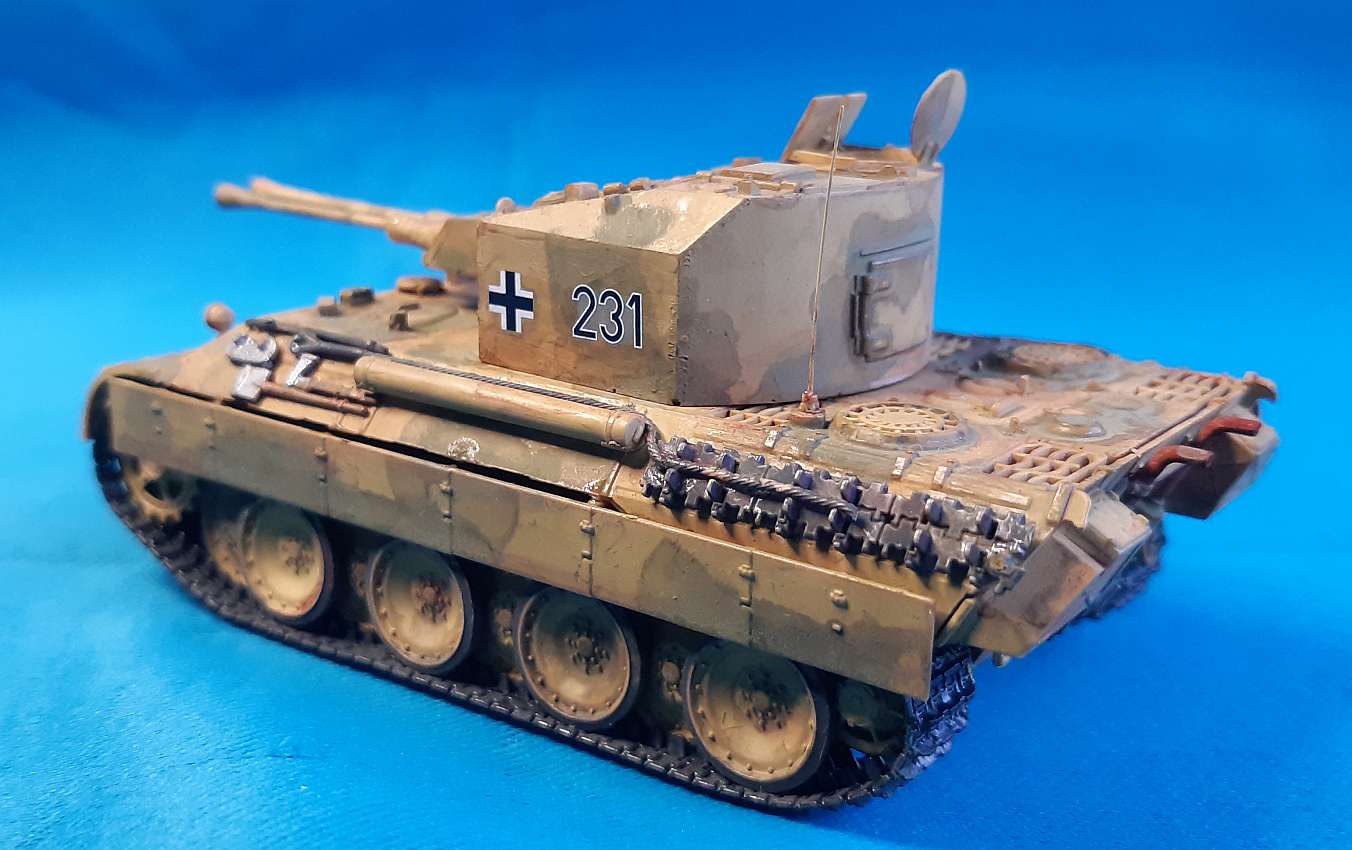
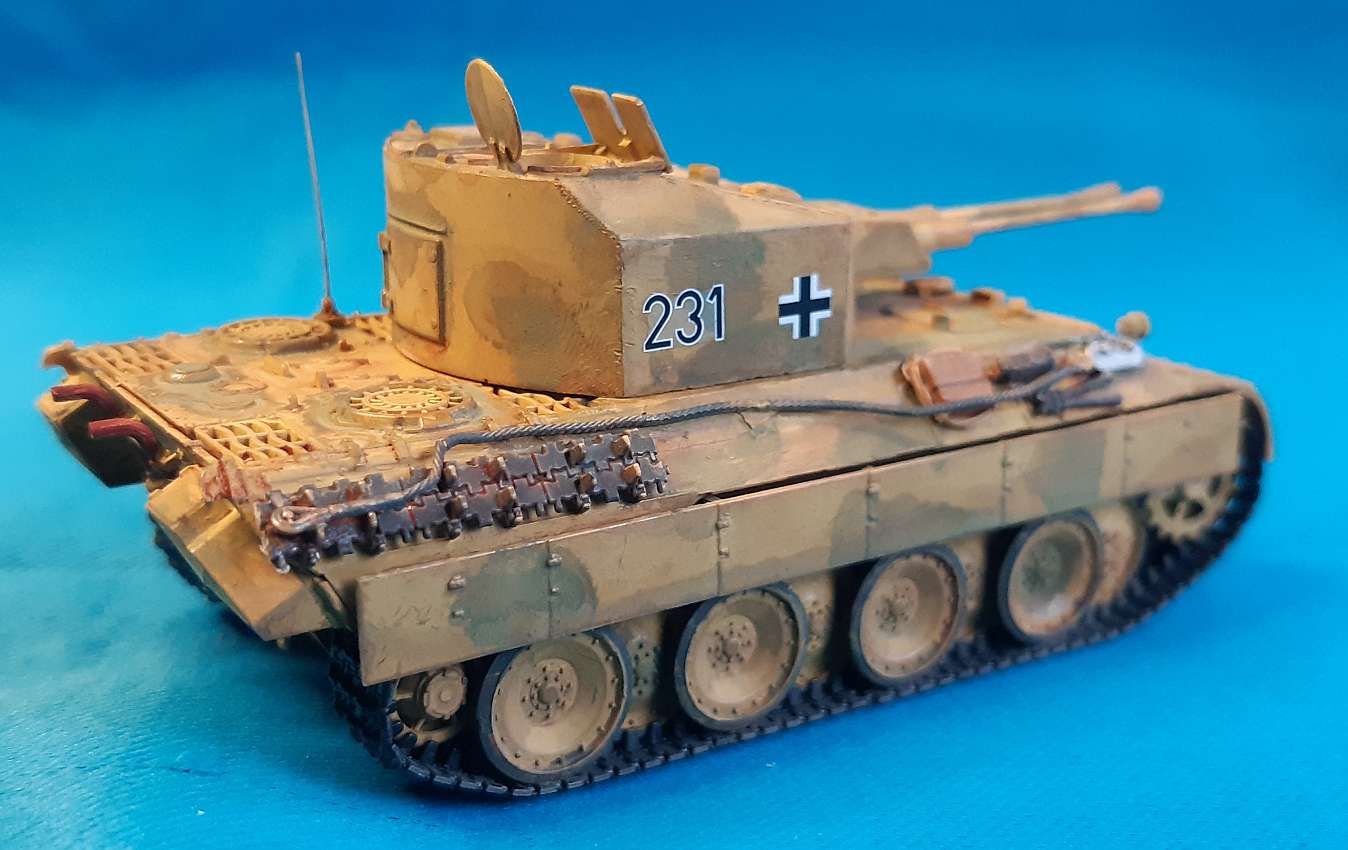
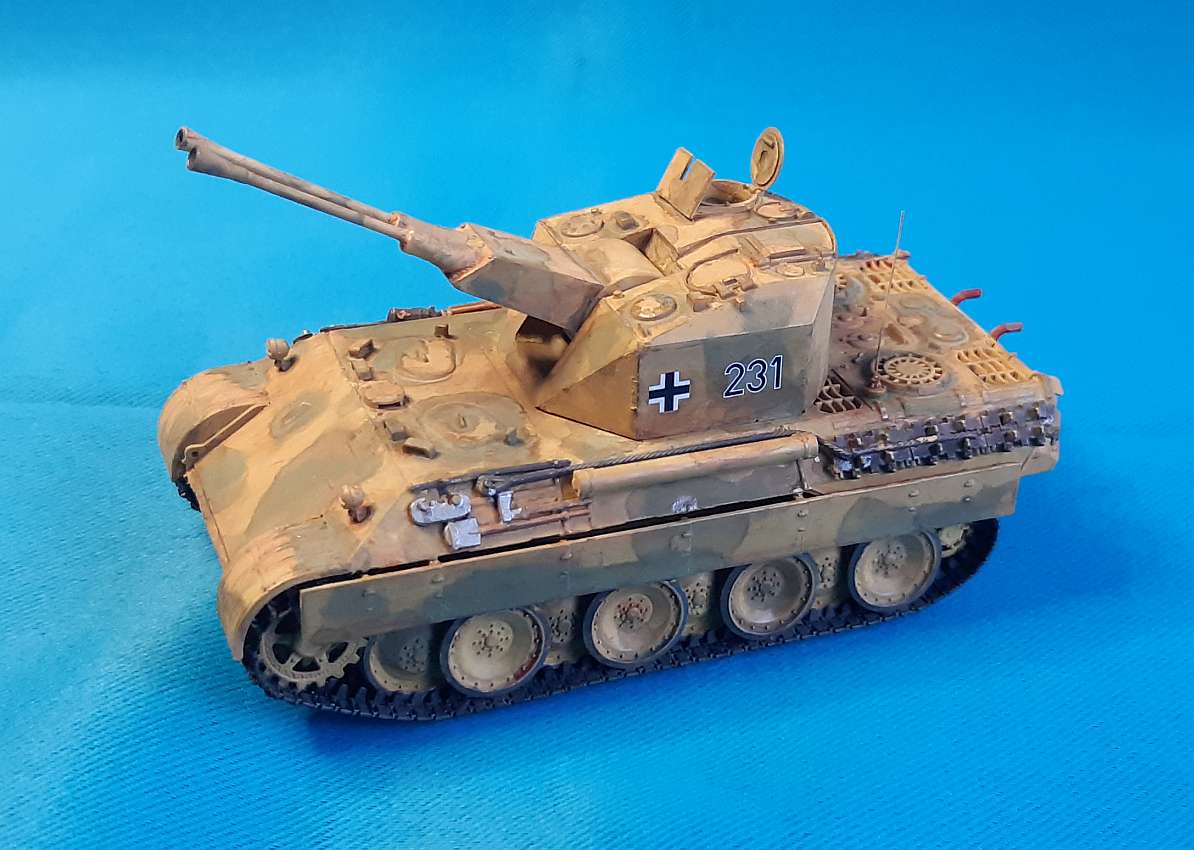
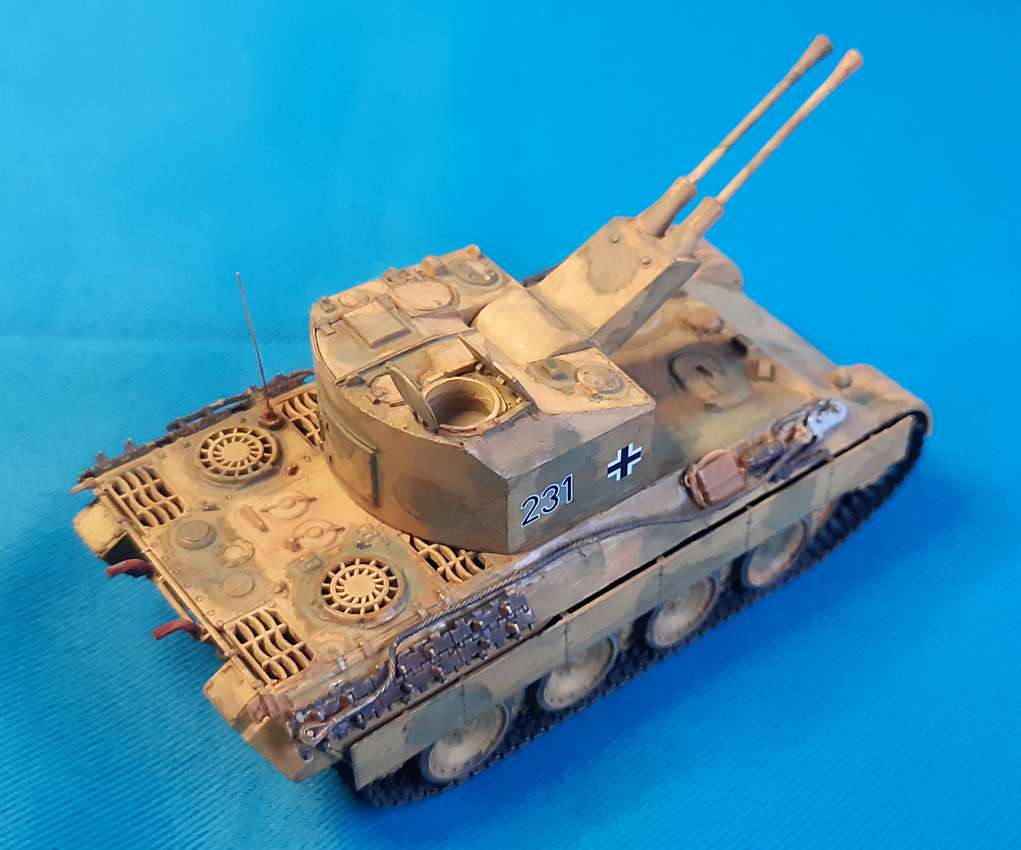
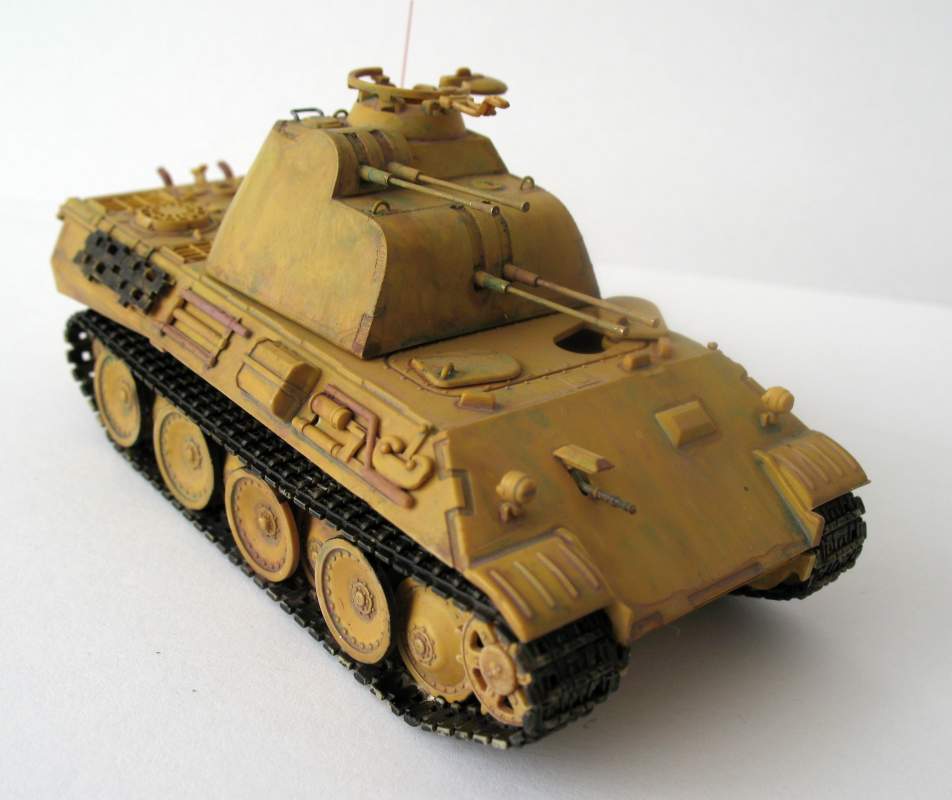
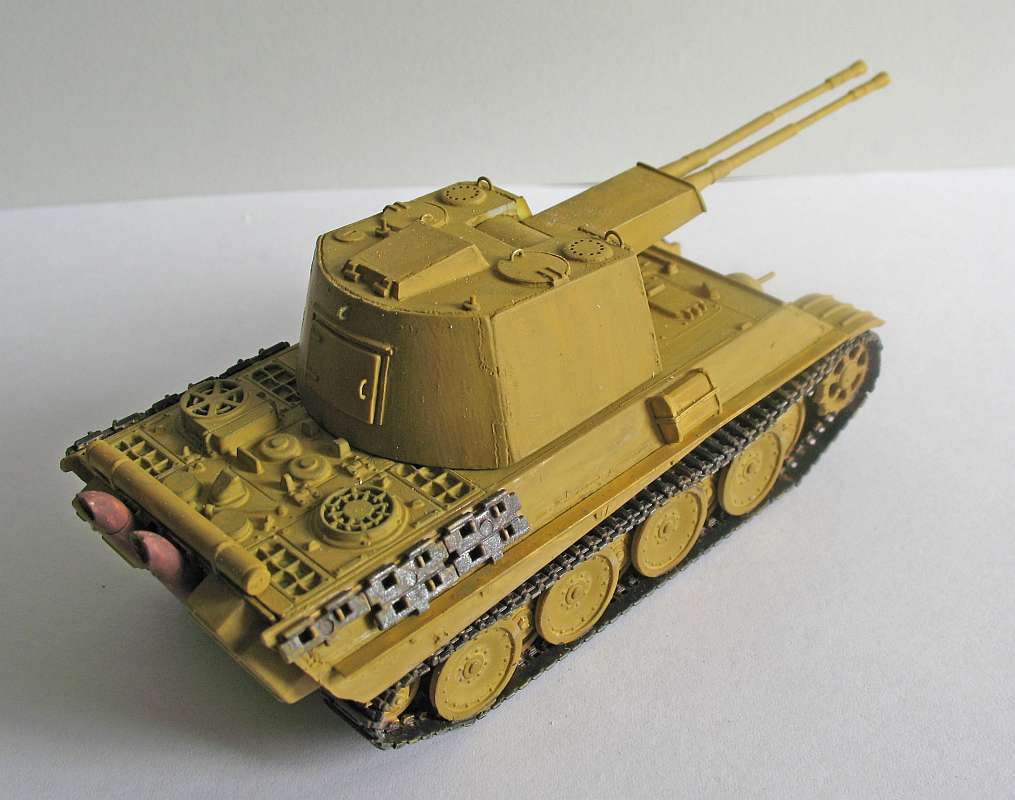
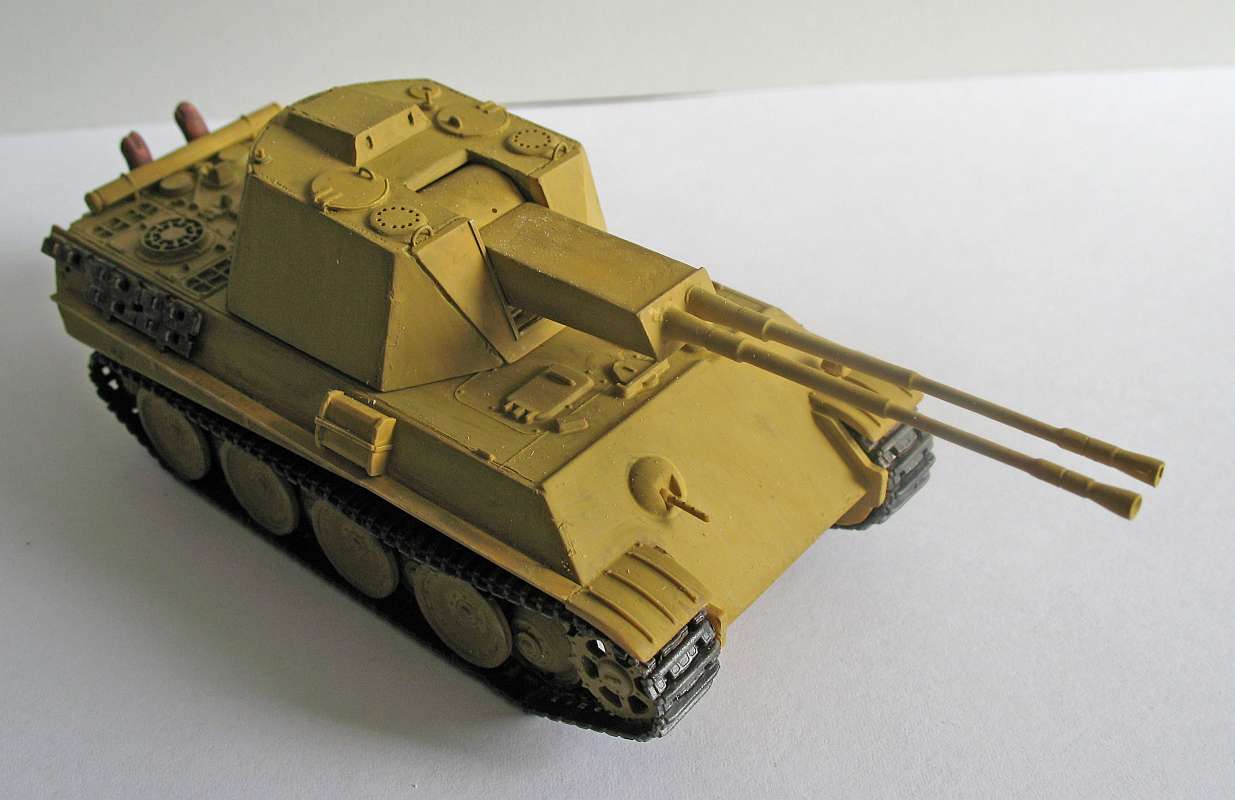
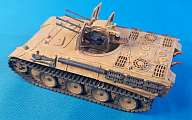
Panther - Anti-Aircraft - 4 x 20mm - based on Ausf. A (end of war - one example)
The 653rd Heavy Panzerjager Battalion (Schwere Panzerjager-Abteilung 653) operated a highly specialized, field-converted anti-aircraft vehicle based on the Panther chassis. Known as the 2 cm Flakvierling 38 auf Bergepanther,
this one-off conversion utilized a Bergepanther armored recovery vehicle to mount a four-barreled 2 cm Flak 38 anti-aircraft gun, likely to defend against Allied air attacks.
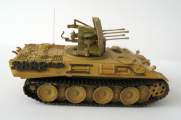

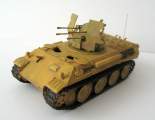


Built model by webmaster
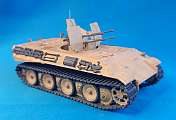
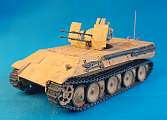
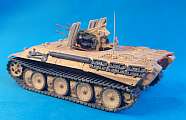
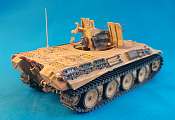
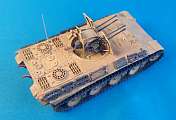
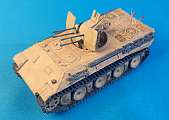
The list below is from the book mentioned not once here, "Combat History of Schwere Panzerjager Abteilung 653" by Karlheinz Munch, it is on page 214
in the chapter "Operations in the Soviet Union, 2. and 3./schwere Panzerjager-Abteilung 653(April to October 1944)"

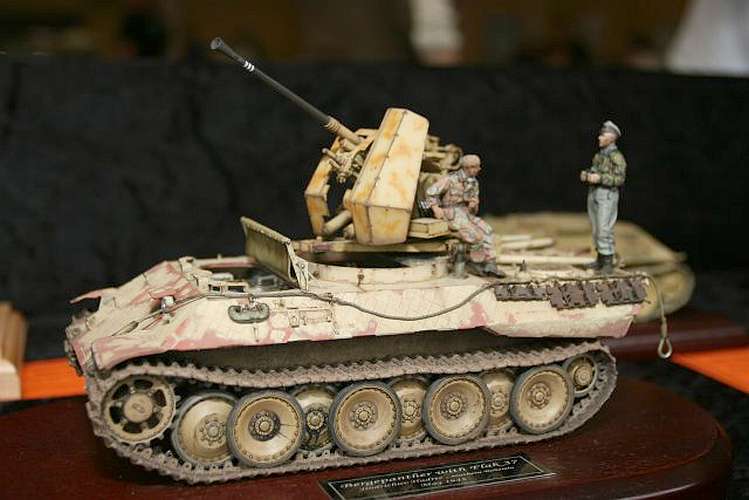
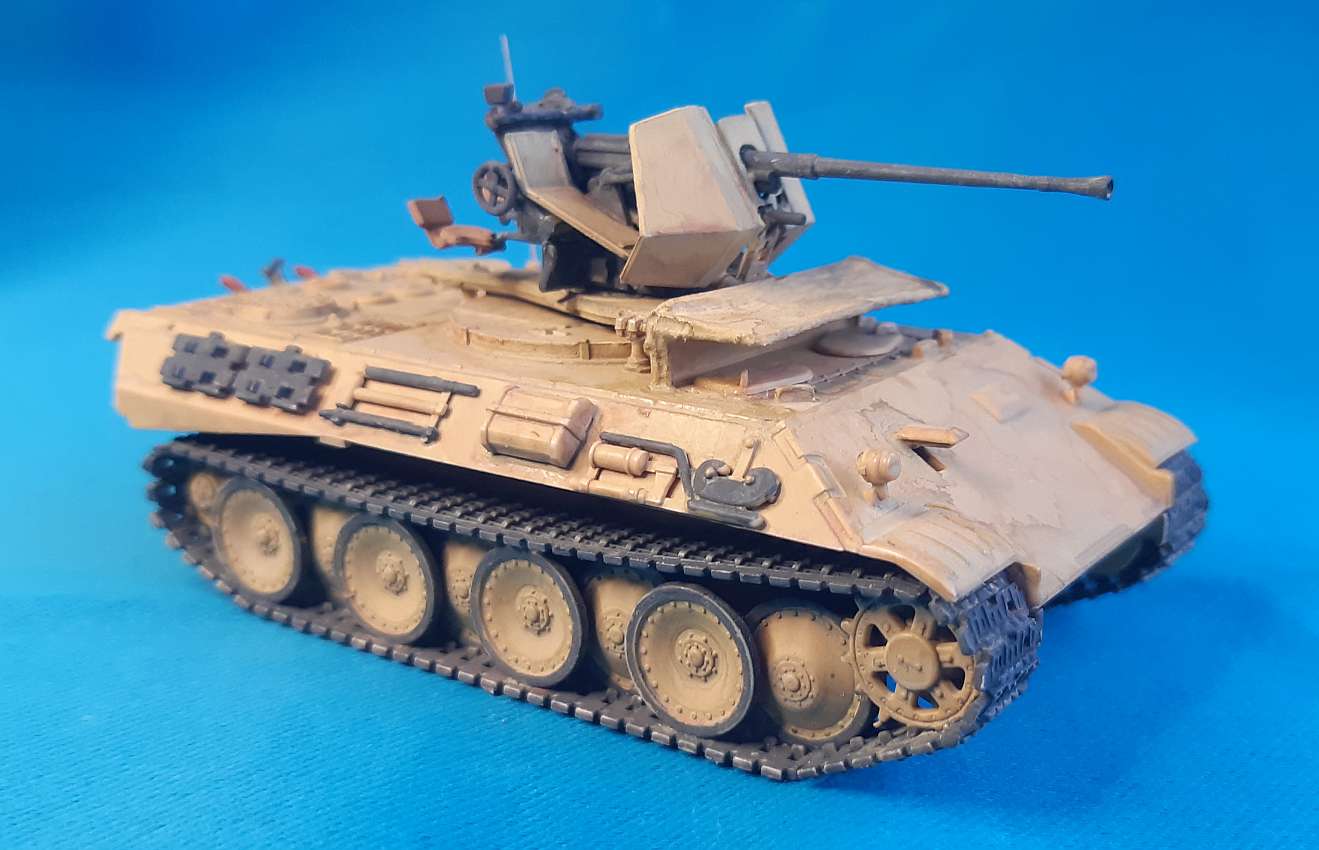
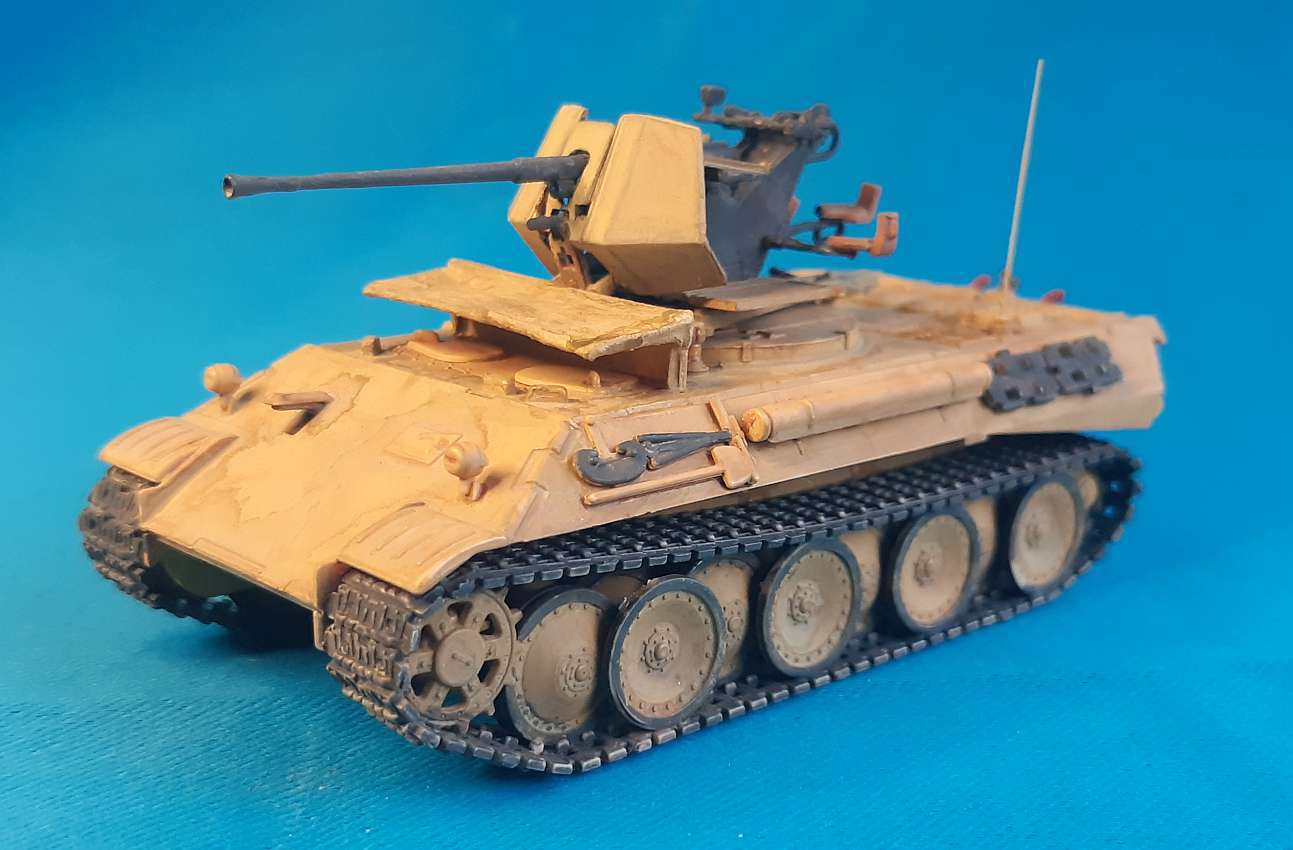
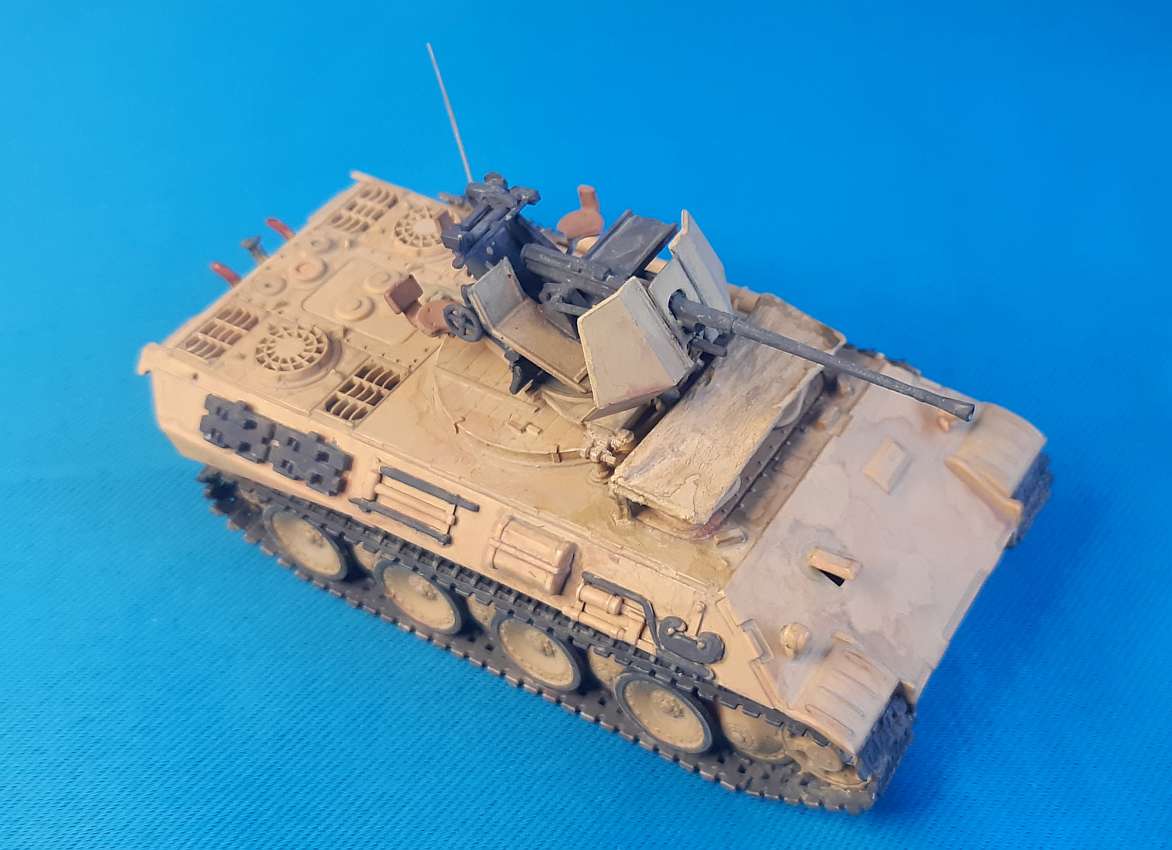
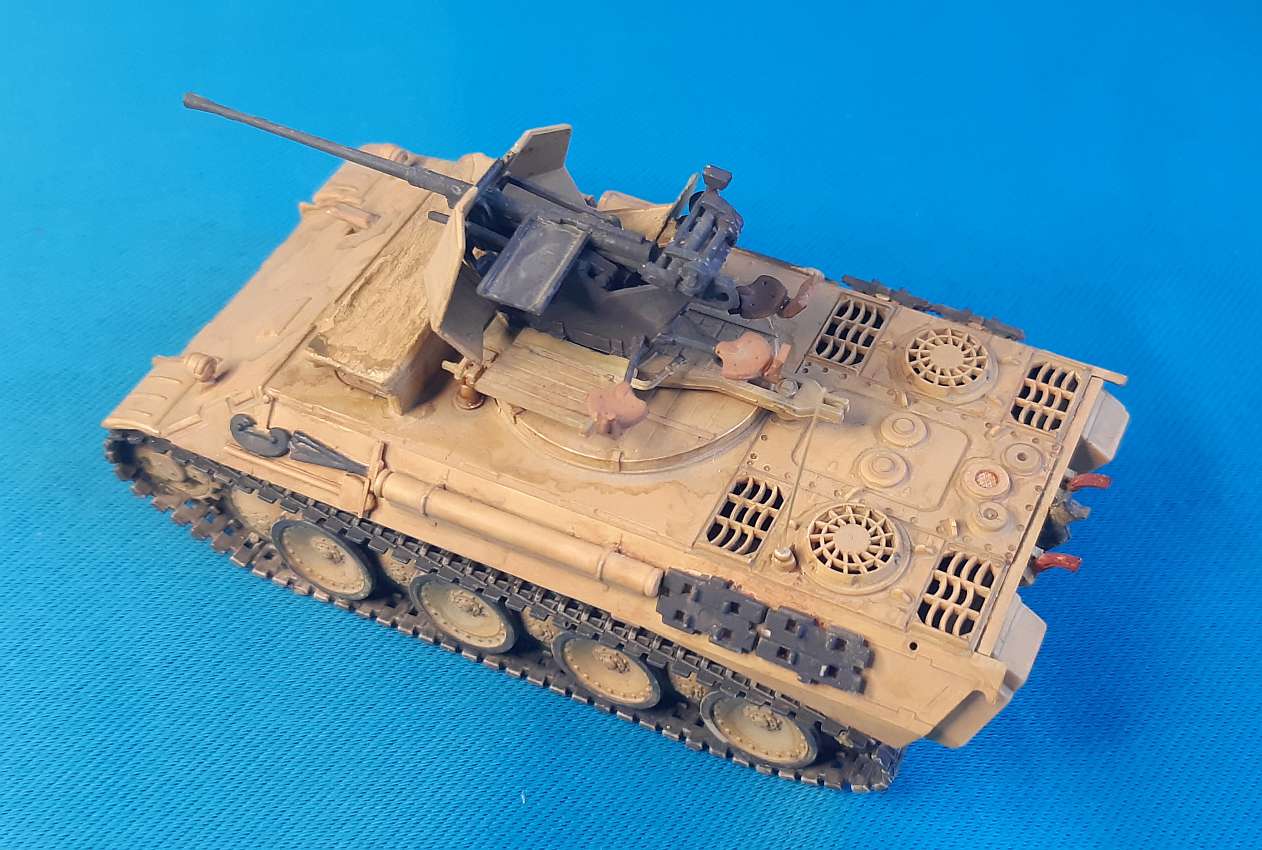
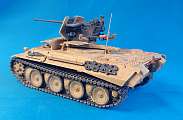
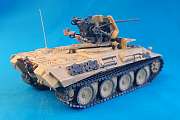
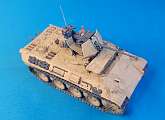
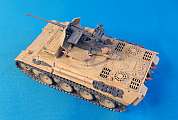
Panther - Anti-Aircraft - 37mm Flak 43
The Schwere Panzerjager-Abteilung 653 was known for its unique field modifications, including the rare Flakpanther.
In 1944 they converted a Panther chassis into a mobile anti-aircraft gun in their own workshops.
Key details of the s.Pz.Jg.Abt. 653 Flakpanther:
Chassis: Based on a Bergepanther Ausf. D (a recovery vehicle on a Panther chassis).
Armament: A single 3.7 cm Flak 43 (sometimes referred to as the 3.7 cm Flak 36/37 in early sources), mounted on the deck with armor plating to protect the crew.
Context: This was an ad-hoc field conversion and not an official series production vehicle like the Flakpanzer Coelian (which never progressed beyond a wooden prototype). Deployment: The vehicle was used to protect the division's heavy tank destroyers from Allied fighter-bombers.
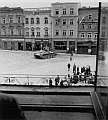

The Flakpanther with 37mm Flak 43, was built on a Bergepanther Ausf.D
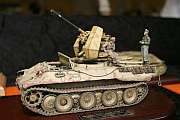


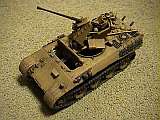
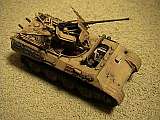
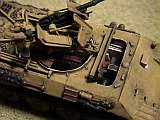


Built model by webmaster
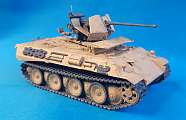
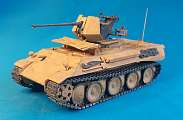
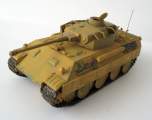
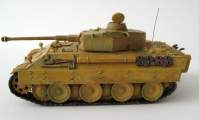
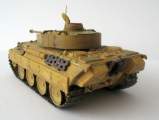
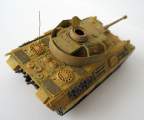
Panther - with Panzer IV Turret (Panzer Abteilung 653) - (end of war - one example)
This unique vehicle, often referred to as the Bergepanther with Pz.Kpfw. IV Turm, was a one-off field conversion of the schwere Panzerjager-Abteilung 653 on the Eastern Front in 1944.
Key Features
Chassis: Based on an early Bergepanther (Sd.Kfz. 179), which was essentially a Panther chassis without the standard turret.
Turret: A turret from a Panzer IV Ausf. H was mounted on the vehicle.
Functionality: Unlike a standard tank, the turret was welded or bolted and therefore could not rotate. The gun was reportedly a dummy (non-functional), as the internal space was needed for additional radio equipment and maps.
Role: It served as a command vehicle for the unit staff.
Built model by webmaster


The list below is from the book mentioned not once here, "Combat History of Schwere Panzerjager Abteilung 653" by Karlheinz Munch, it is on page 214
in the chapter "Operations in the Soviet Union, 2. and 3./schwere Panzerjager-Abteilung 653(April to October 1944)"
Special Variants Panther
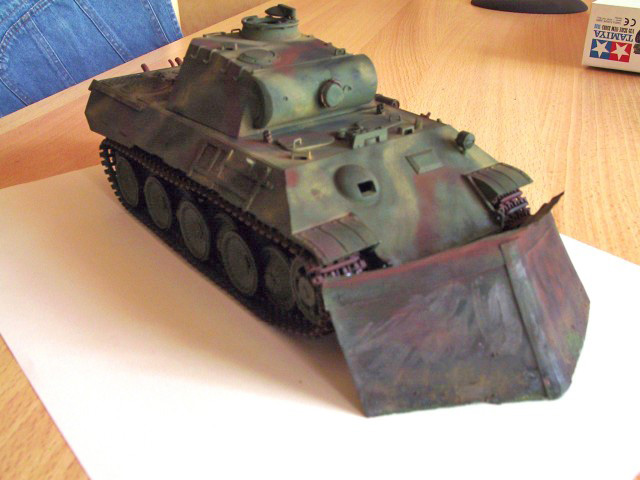
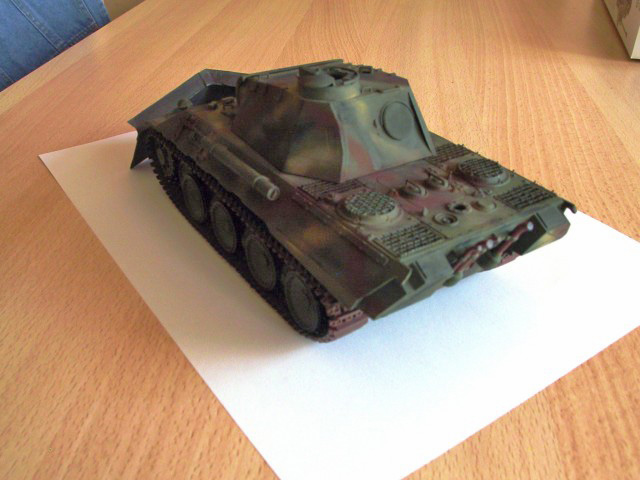
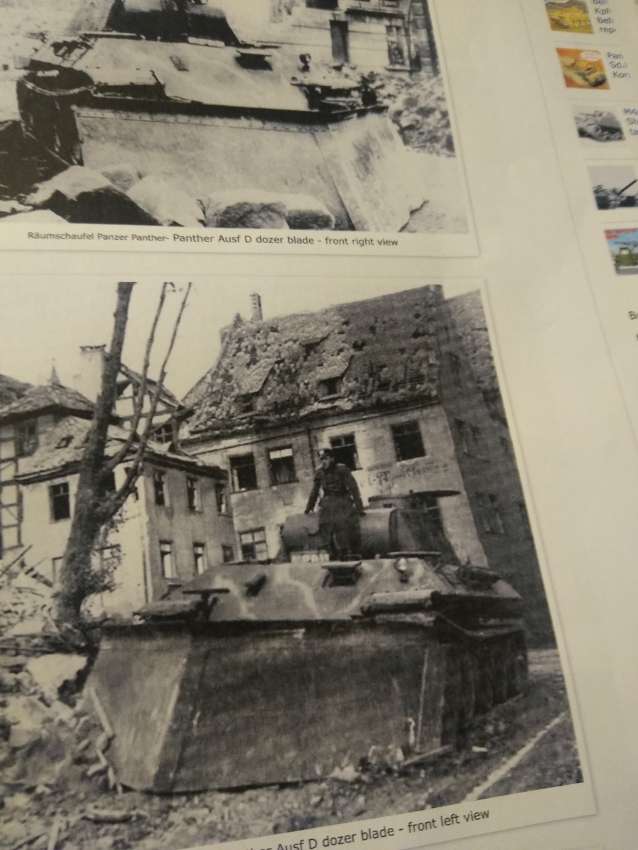
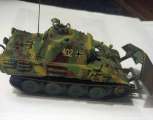
Panther with shovel -(Used in Nuremberg Germany for clearing bombing debris)
A Panther tank, designated as a Raumschaufel Panzer Panther, was modified in 1944 by MAN in Nuremberg, Germany, to act as a bulldozer for clearing bombing rubble.
At least one of these vehicles, often featuring a modified shovel, was used in Nuremberg in 1945 to clear debris from streets following heavy Allied bombing.

Built model by Jens Scholler - 1/35 scale - www.sturmtiger.com


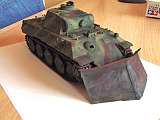
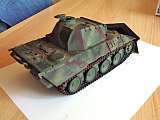

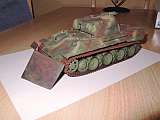

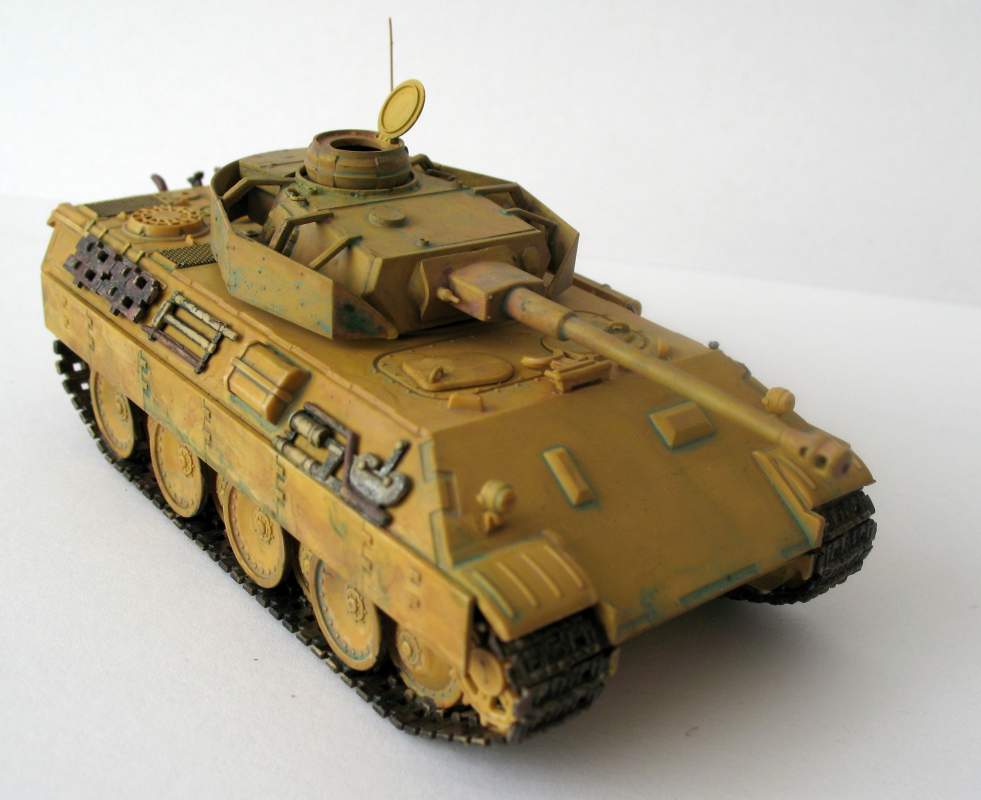
Converting Esci Panther into dozer variant, by Steve Puccio
Comments Steve Puccio: Panther Raumschaufel converted Panther with barrel removed and scratch built plow and framework used in Nuremberg Germany for clearing bombing debris




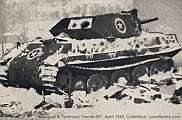
Panther M10 - Skorzeny's Panther
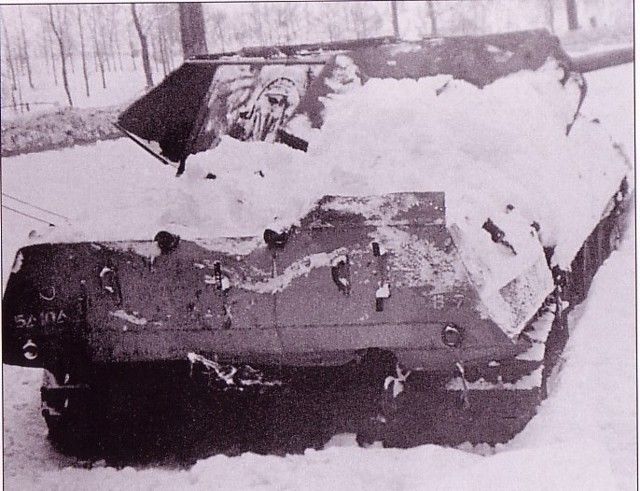
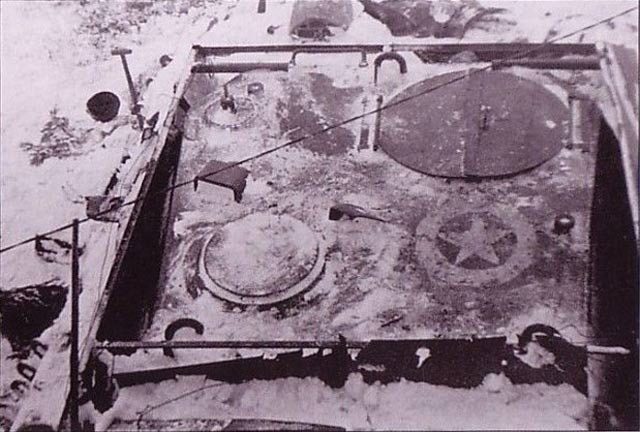
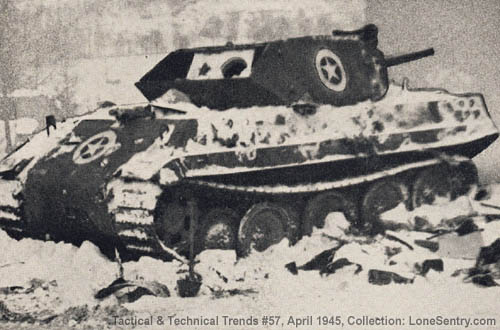
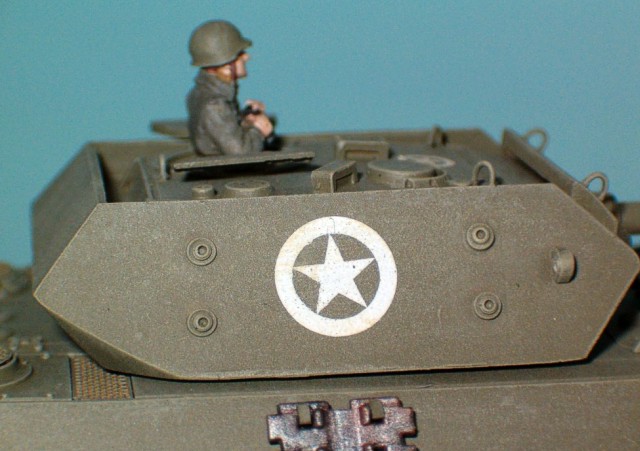
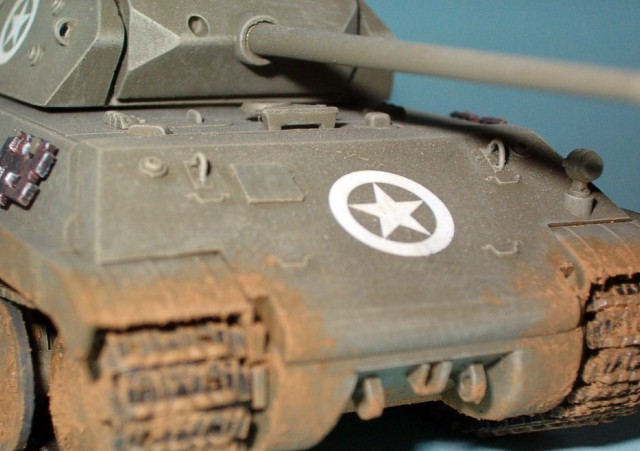
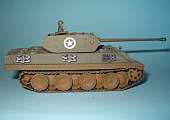
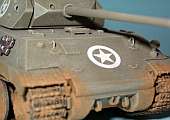
The Panther M10 (Ersatz M10) was a German deception vehicle, with roughly 5 modified Panther Ausf. G tanks disguised as US M10 Tank Destroyers for the December 1944 Ardennes Offensive. Used by Otto Skorzeny's Panzerbrigade 150,
these tanks featured sheet metal additions and olive drab paint, but were ultimately all lost or destroyed, creating confusion but failing to achieve tactical breakthroughs


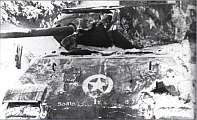
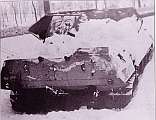

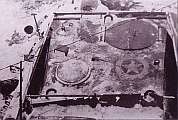
Model built by Jeff Hamblen - 1/72 - MR Modellbau conversion - smallscaleafv.com



For "Tanks-Encyclopedia.org" Information about Skorzeny Panther (M10), visit:
"Tanks-Encyclopedia.org", website
Panther Anti Aircraft versions - (Prototypes and/or Drawingtable versions)
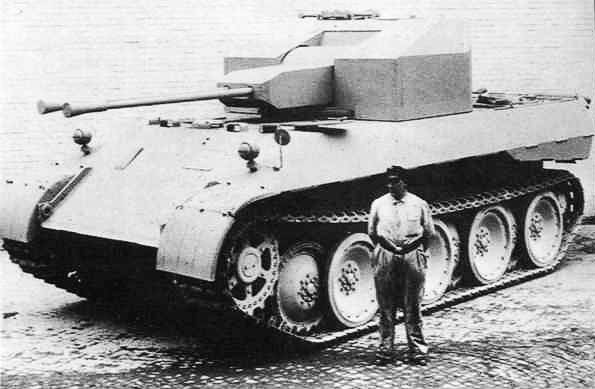
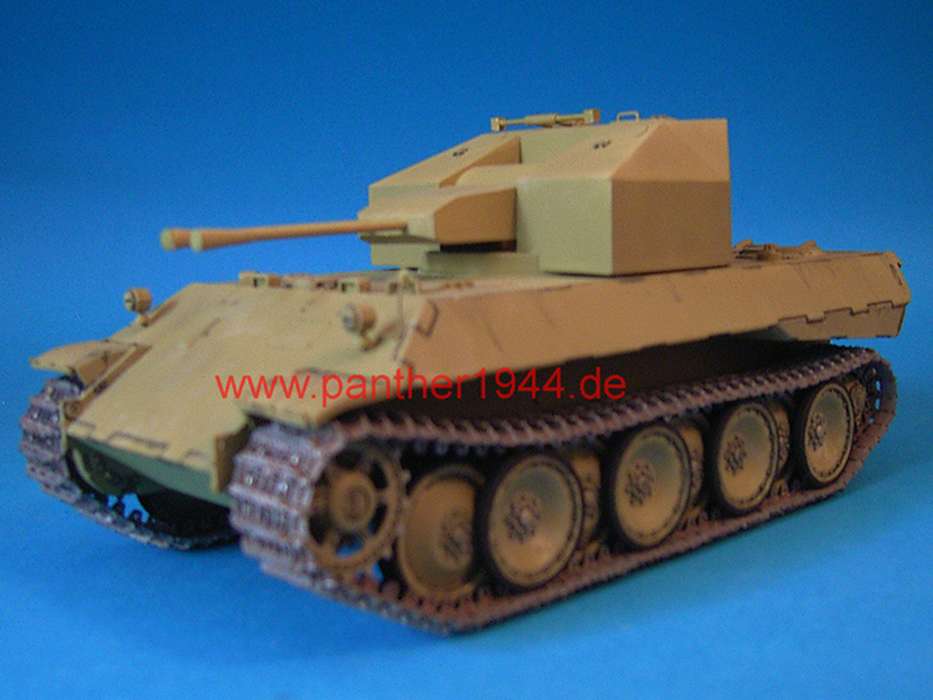
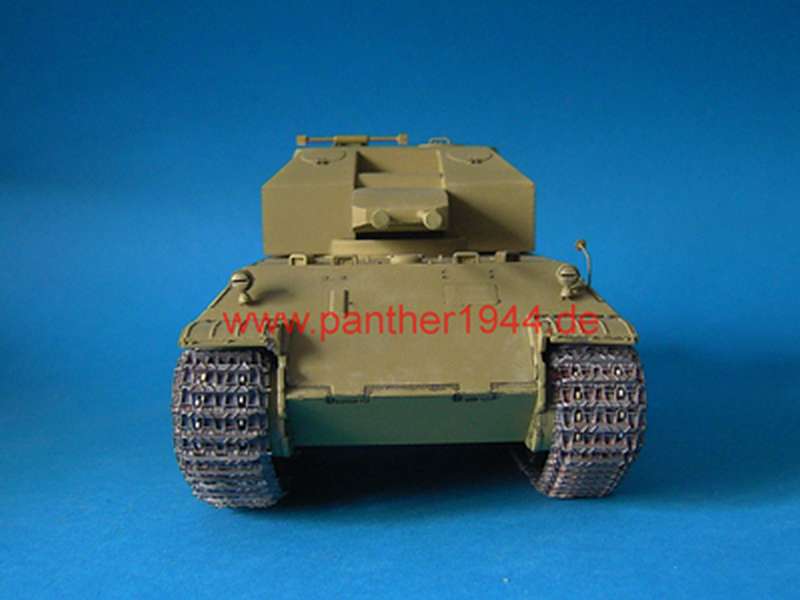
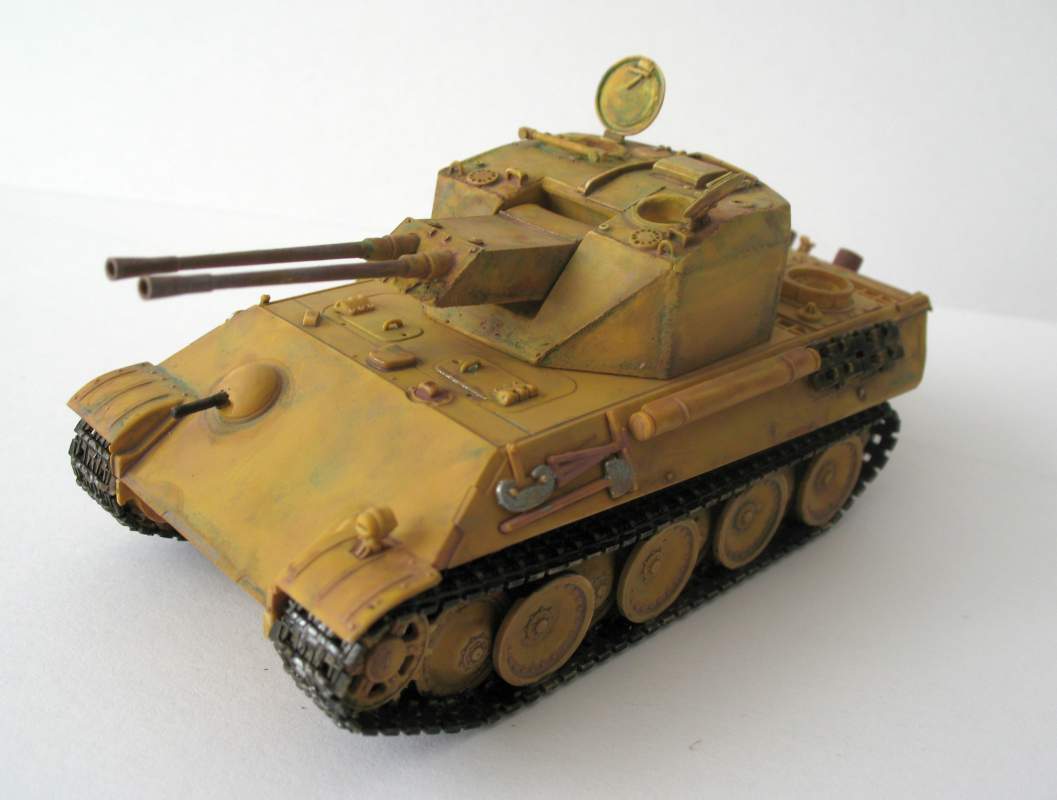
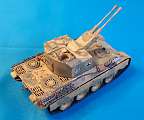
Panther - Coelian (type 1) Flakzwilling 44 - based on Ausf. A (prototype)
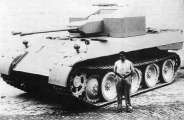
This pictures are temporary used from website www.panther1944.de
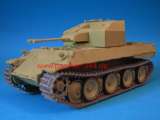
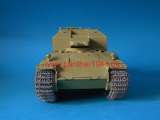
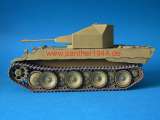
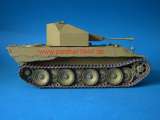
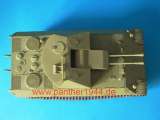
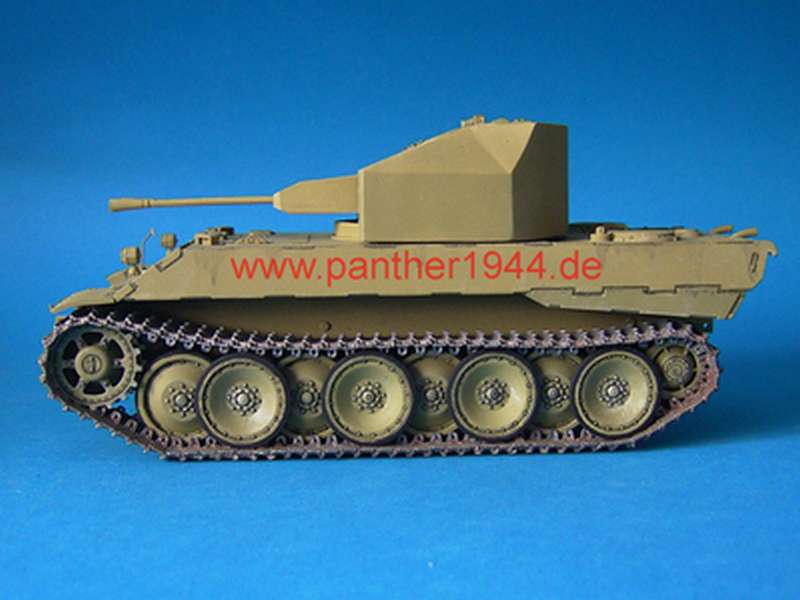
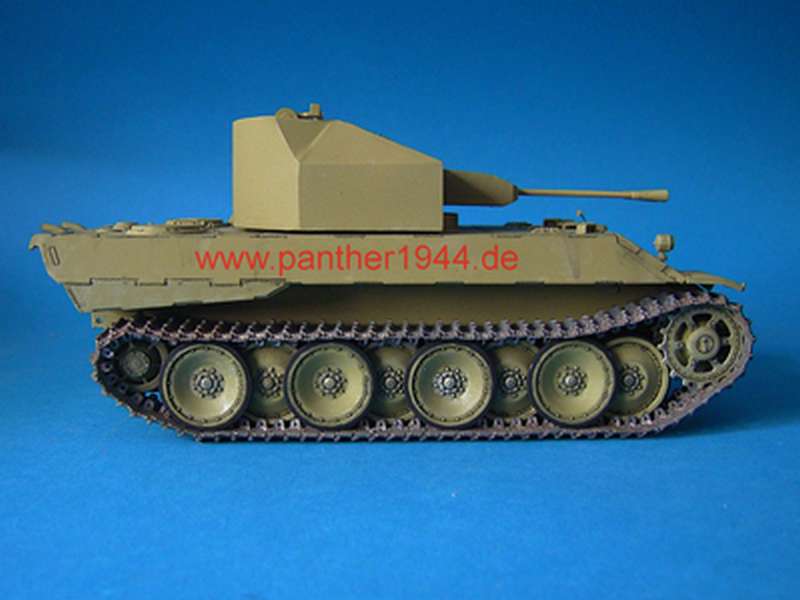
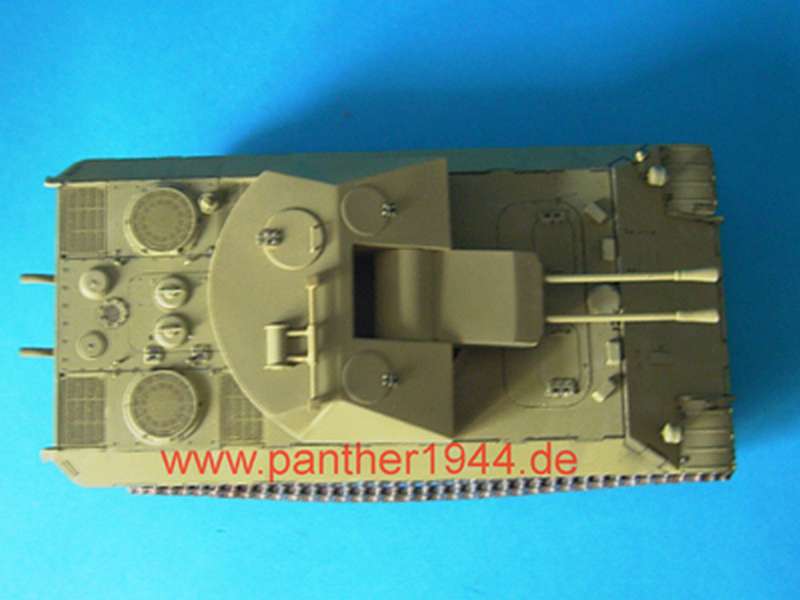
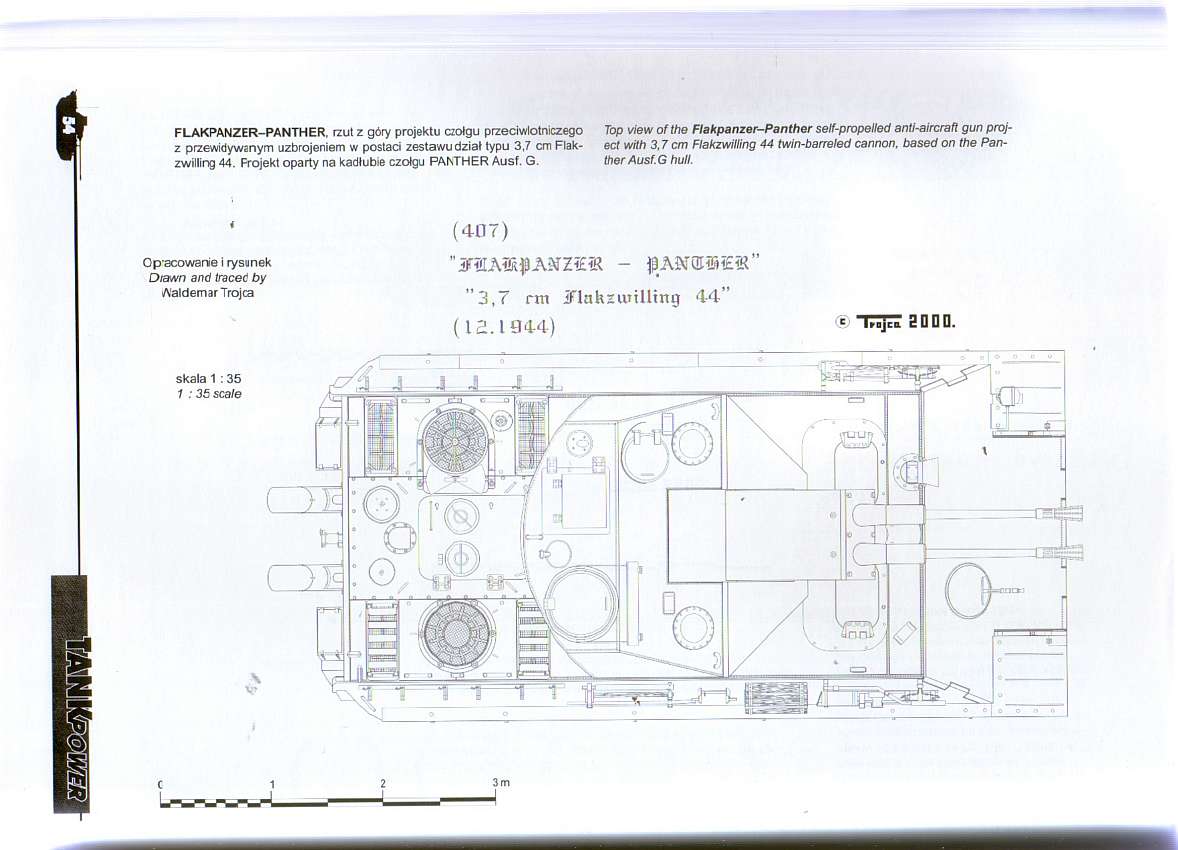
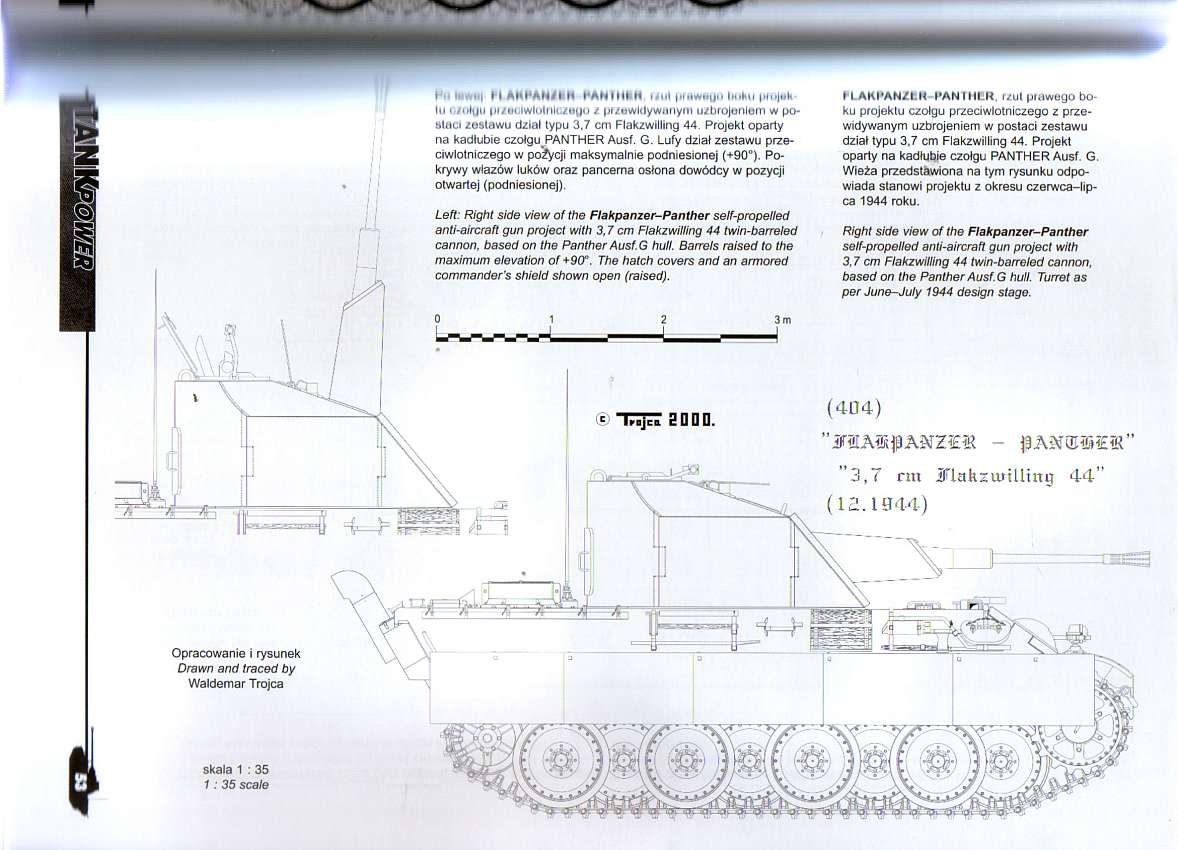
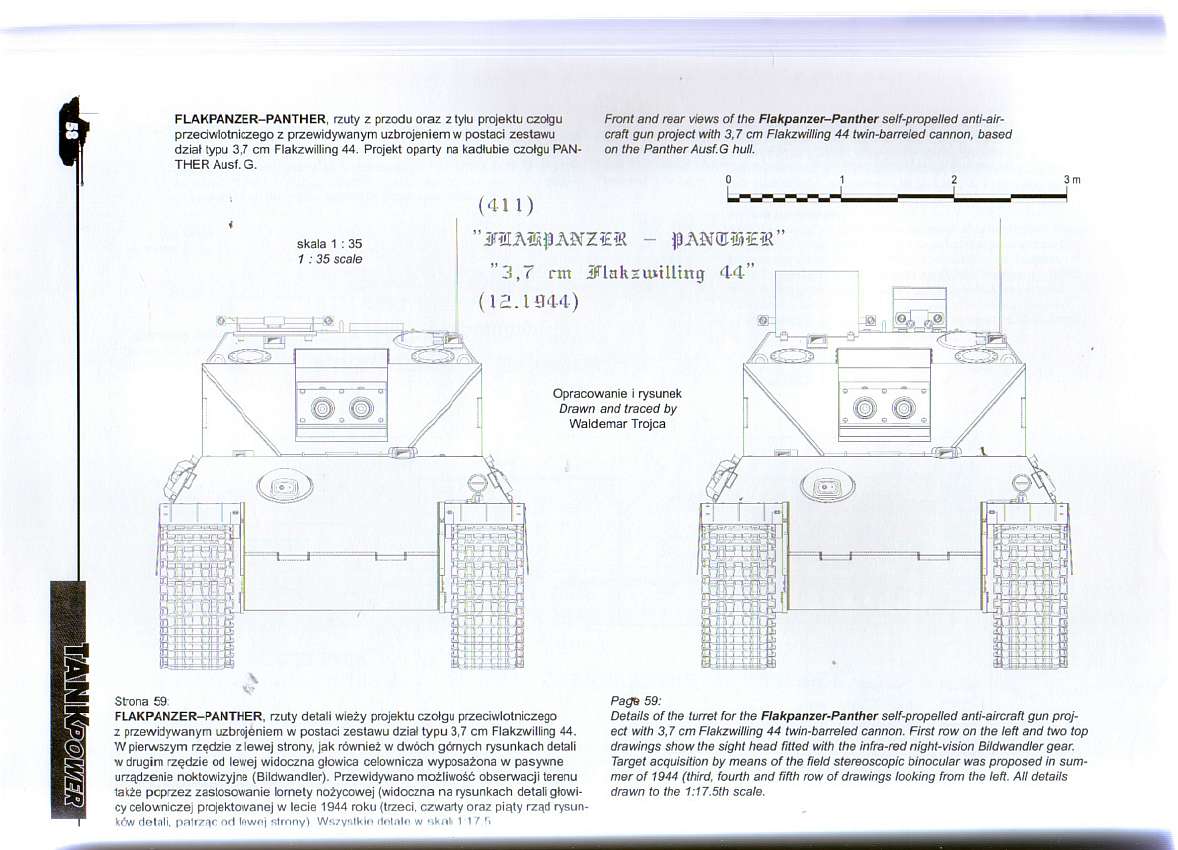
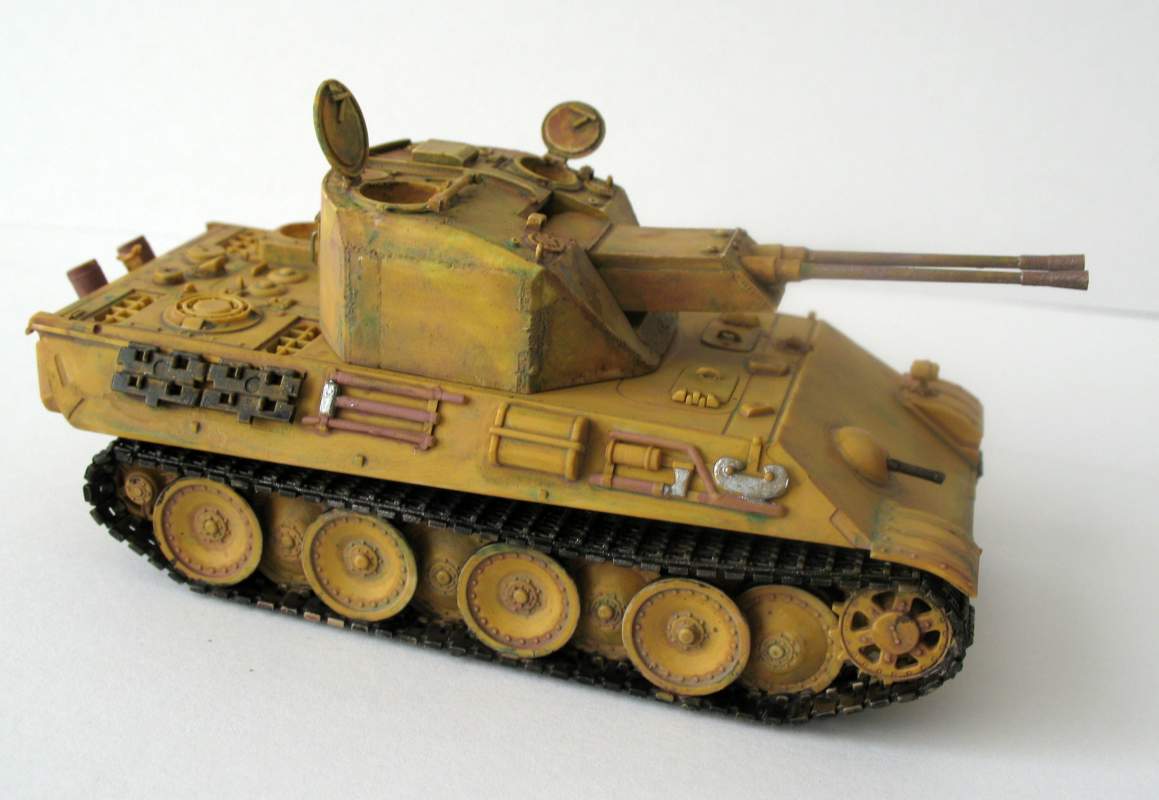
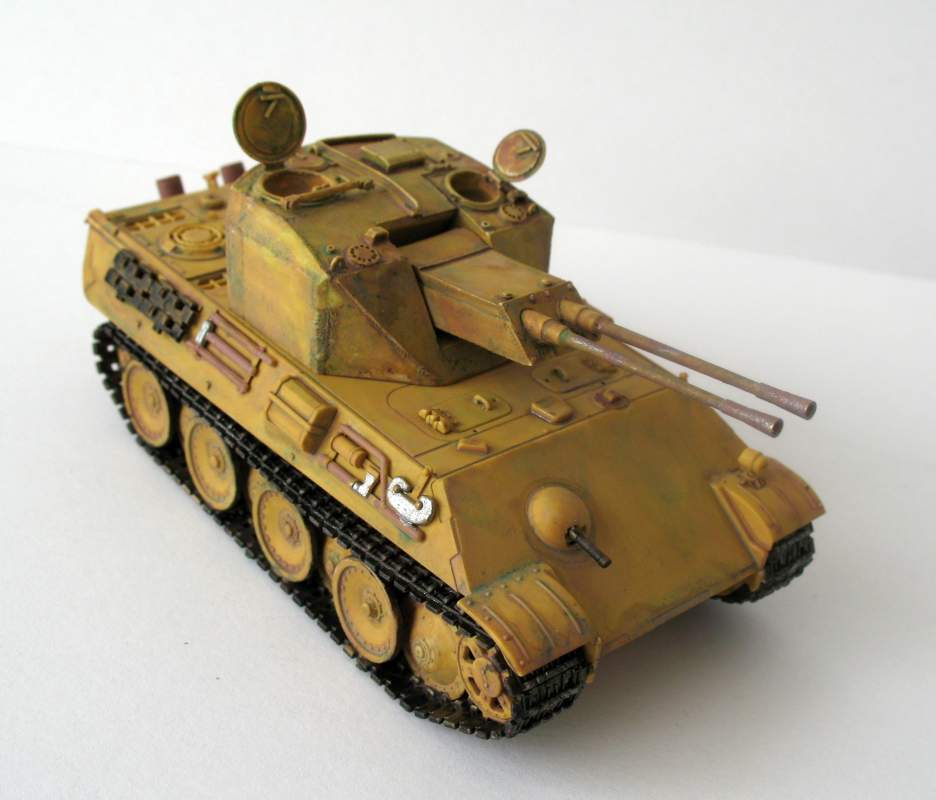
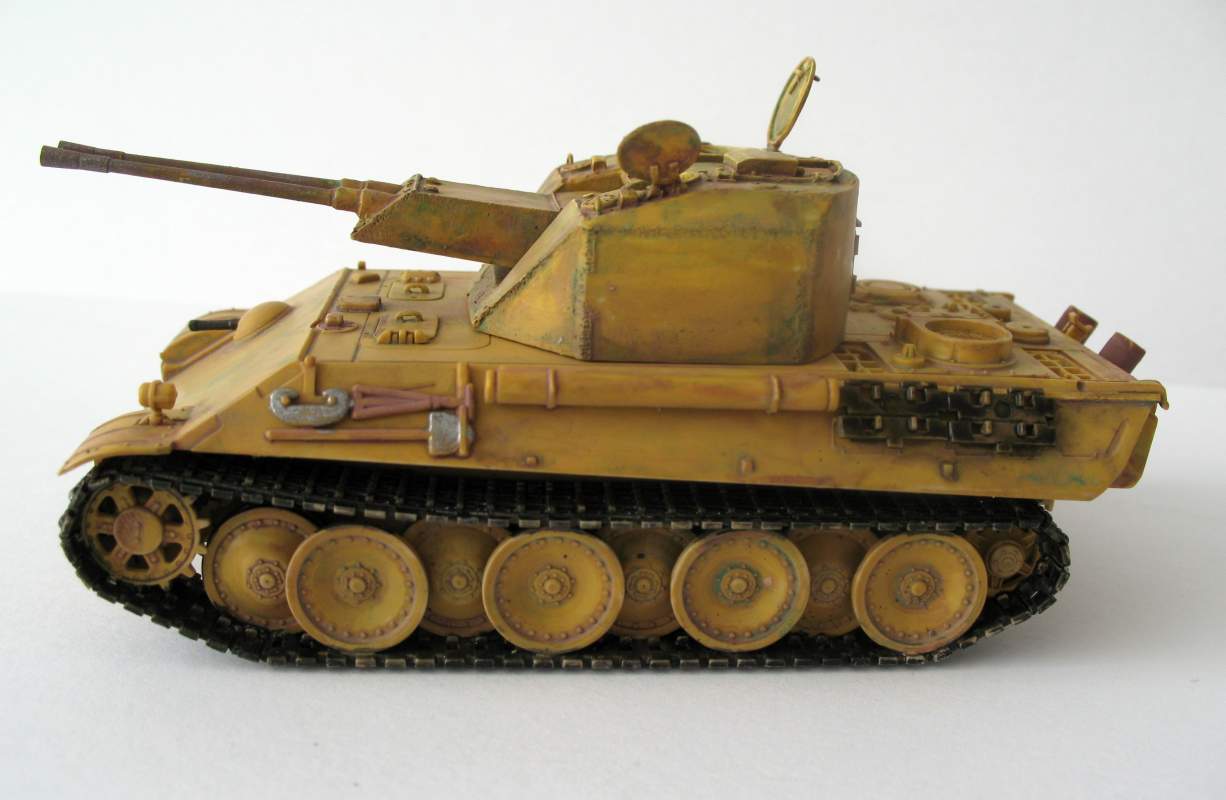
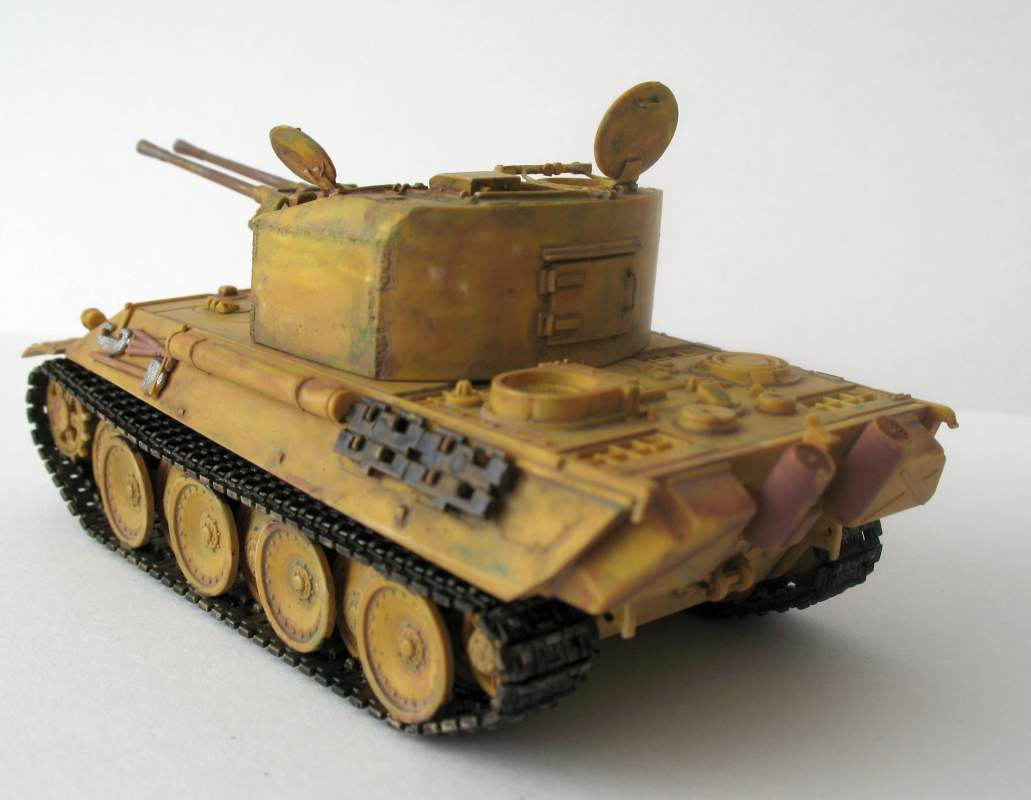
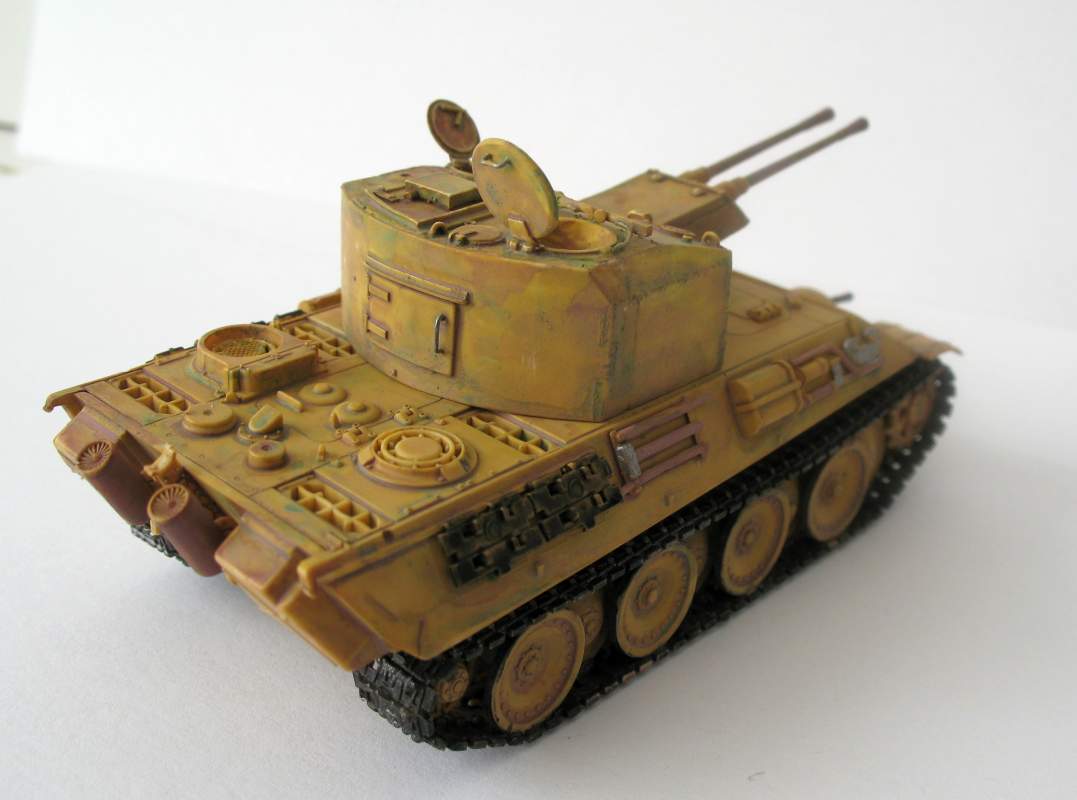
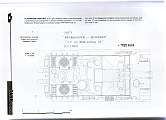
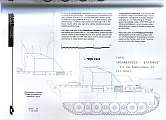
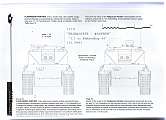
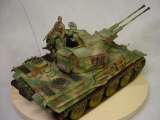
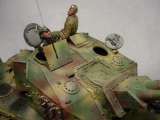
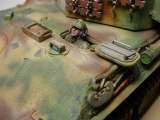
Panther - Coelian (type 2) flakzwilling 44 - based on Ausf. G (prototype)
The Panther - Coelian (Type 2) Flakzwilling 44 was a German prototype of a self-propelled anti-aircraft gun during World War II, of which only a wooden mock-up of the turret was ever built. Several scale models of this unbuilt project are available.
Historical Background
The Flakpanzer V "Coelian," or Flakpanzer 341, was a Rheinmetall-Borsig project to create a mobile anti-aircraft vehicle based on the chassis of the Panther tank. It was intended to protect German mechanized divisions from Allied fighter-bombers.
Armature: The "Type 2" design (more often referred to as the 3.7 cm Flakzwilling 341, or sometimes Flak 44) intended to mount two 3.7 cm autocannons in a fully enclosed, rotating turret. Earlier plans included four 20 mm guns, and there were also proposals for heavier 5.5 cm guns.
Status: Due to material shortages, Allied bombing, and the focus on producing existing tanks, only a wooden mock-up of the turret on a Panther Ausf. D chassis was completed in February 1945. The project was later canceled.
Specifications (planned): The vehicle was to weigh approximately 40 tons, with a crew of 4-5, and be powered by a Maybach HL230 P30 engine.
Built model by webmaster
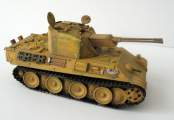
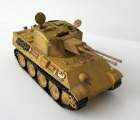
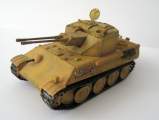
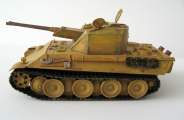
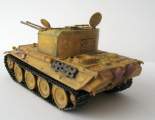
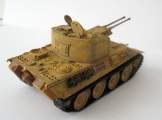
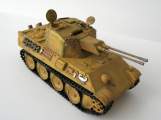
Built model by webmaster
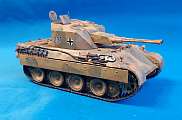
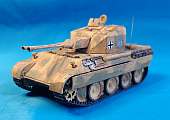
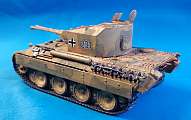
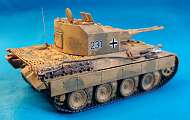
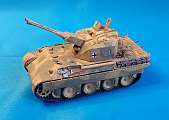
So it will looks in the 1/32 scale - Great work!!!
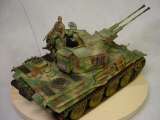
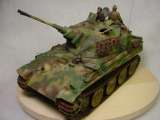
Panther - Anti-Aircraft - 4 x 20mm MG151/20 in turret - (prototype or drawingtable)
The "Turm Panther mit Vierling MG 151/20" was a proposed World War II German anti-aircraft tank designed by Rheinmetall in May 1943, featuring four 20mm MG 151/20 autocannons in a fully armored turret. Based on the Panther chassis, it was designed for heavy, rapid-fire anti-aircraft defense with a 75° elevation, but it never proceeded beyond the design stage.
Design and Specifications
Armament: Four 20mm MG 151/20 cannons arranged in a staggered, quad mount (Flakvierling).
Rate of Fire: Combined theoretical rate of 1,680–3,000+ rounds per minute, with a practical rate around 800 RPM.
Turret Armor: Designed with 80mm front and 40mm side armor.
Traverse: Hydraulic power with 36° per second speed.
Status: Remained a paper project/design study; no prototypes were built, as the 20mm armament was considered too weak and replaced by 3.7cm/5.5cm plans.
Background
This vehicle was a response to increased Allied air attacks, aiming to provide high-volume fire with armored protection. It was often confused with, or mistaken for, the proposed Flakpanzer Coelian, which was intended for twin 3.7 cm or 5.5 cm guns.


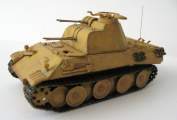
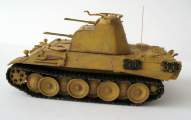

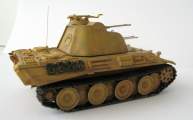
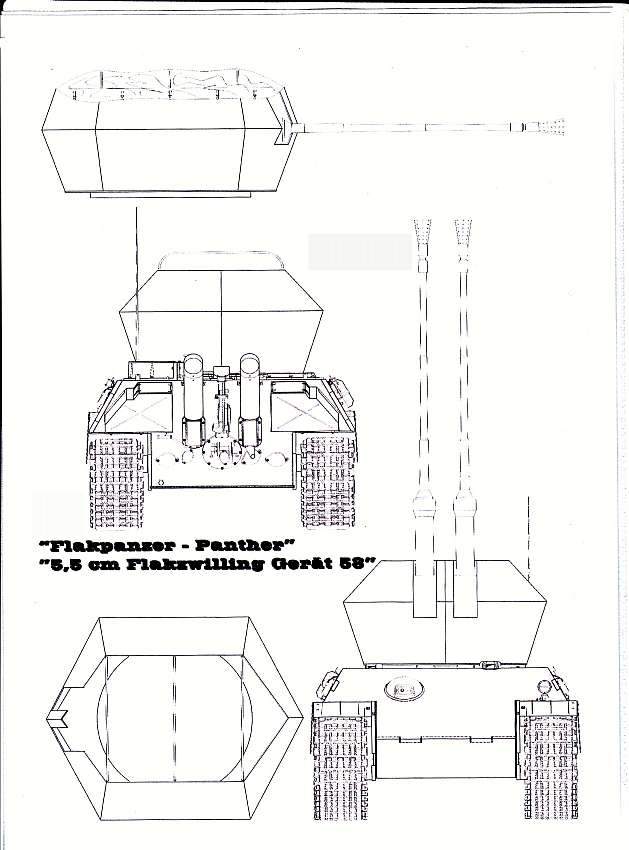
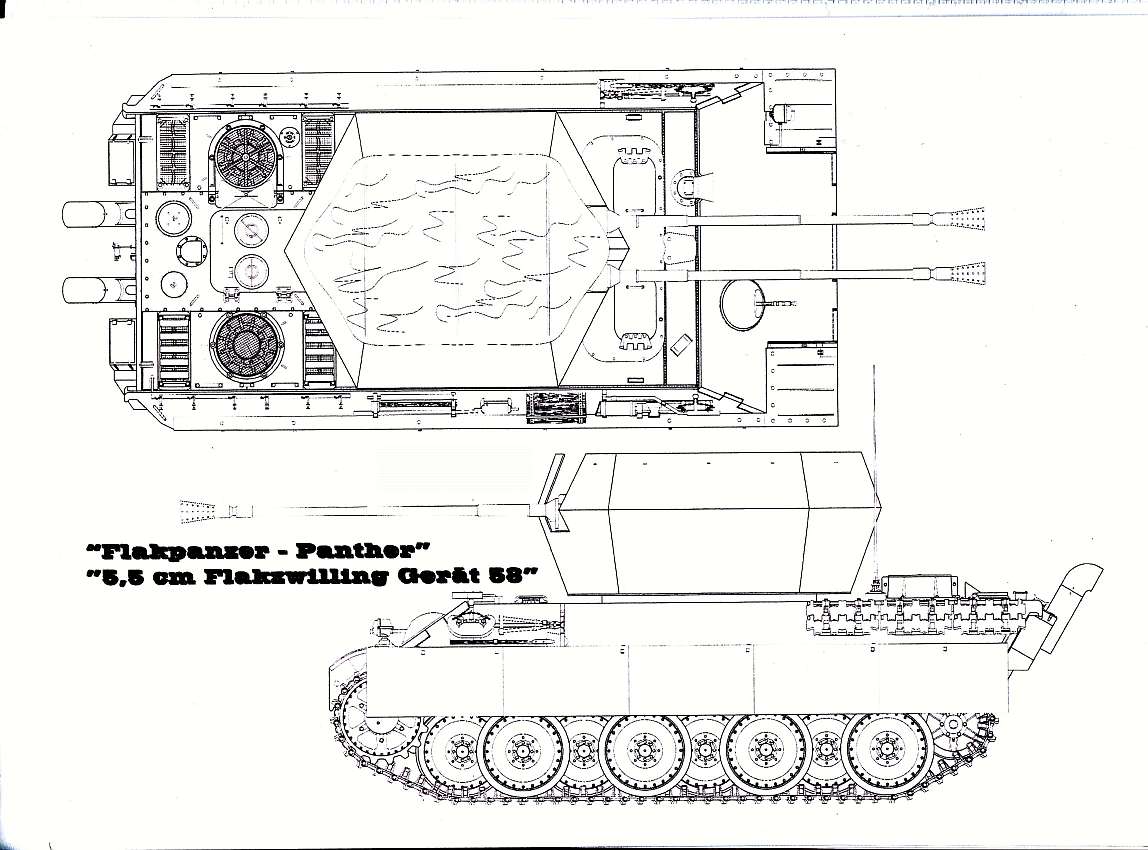
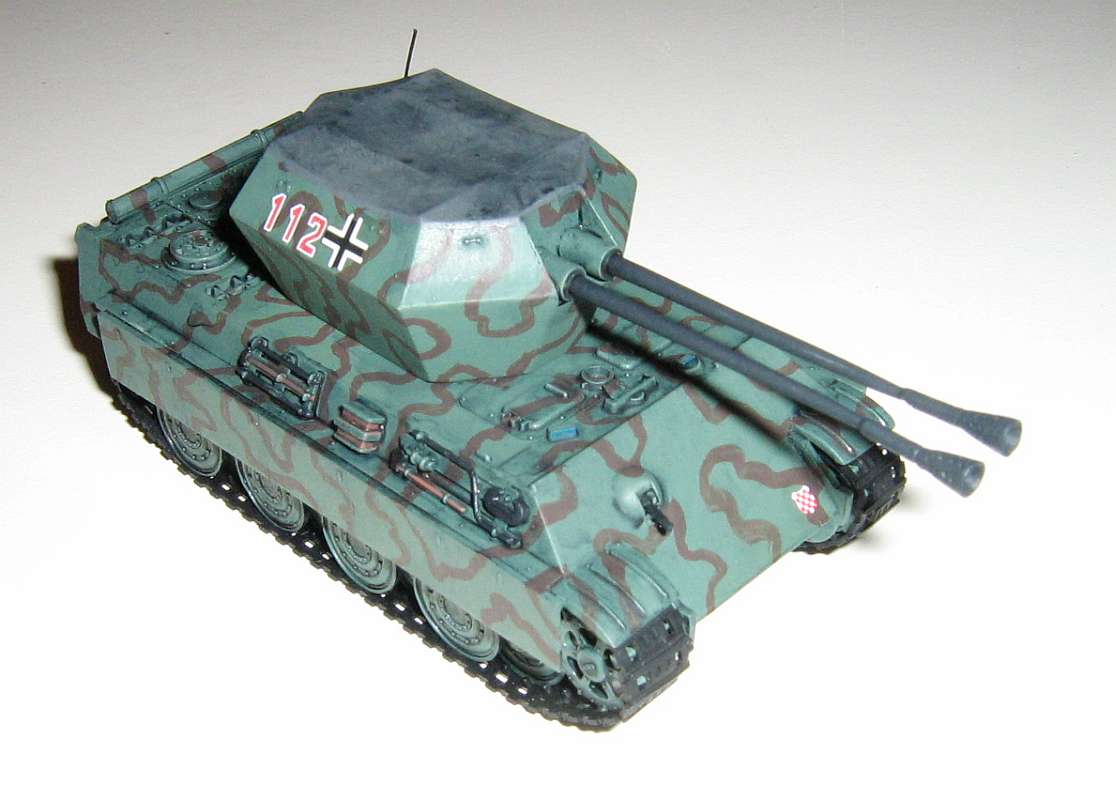
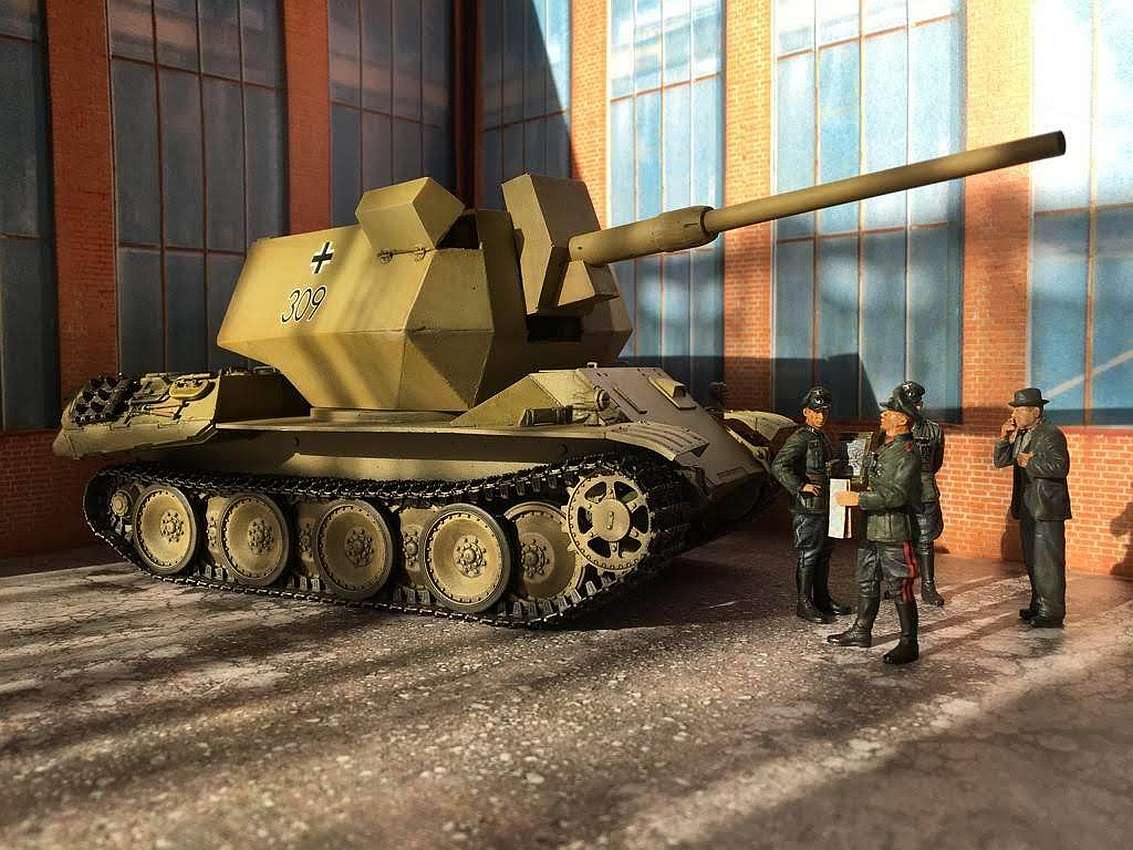
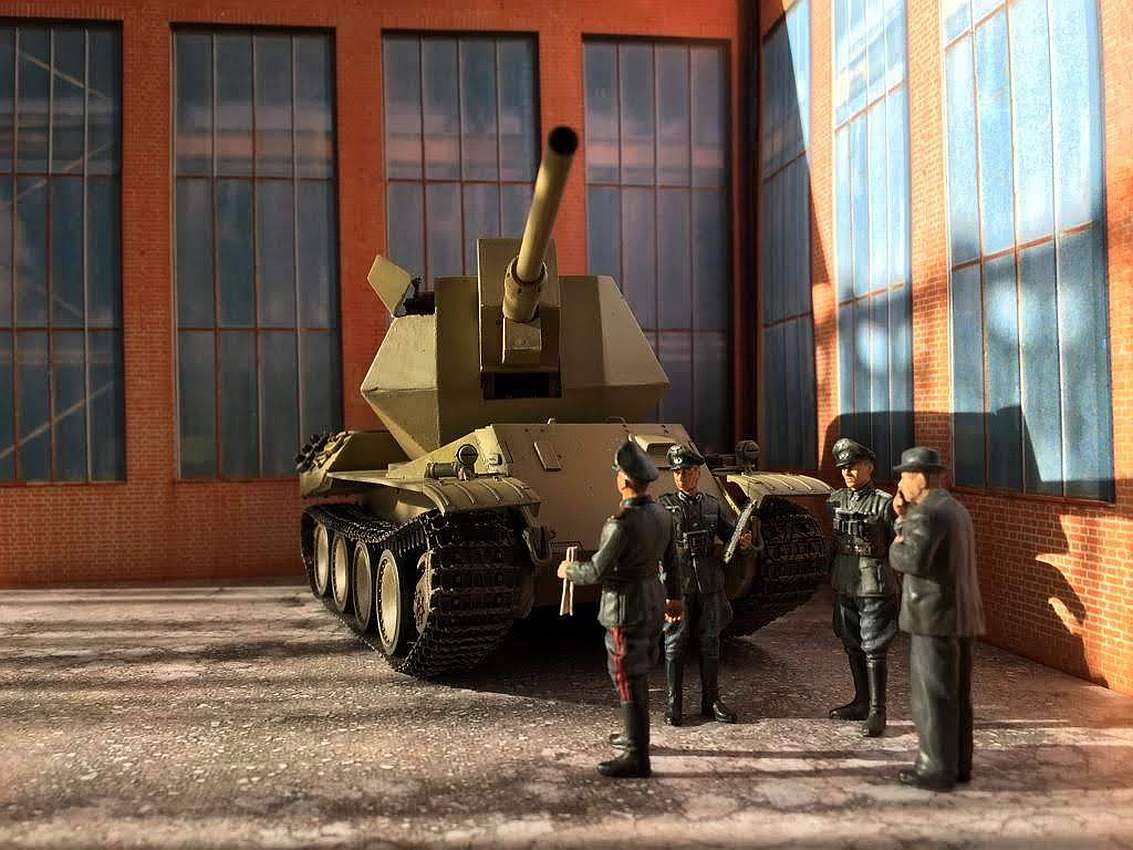
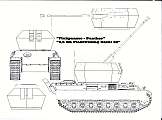
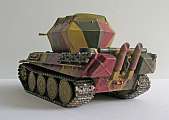
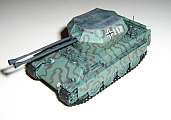
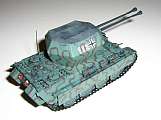
Panther - Anti-Aircraft - 2 x 55mm gerat 58 in open turret (2 different concepts from Rheinmetal-Borsig) - (Drawingtable)
(Both versions were based on the Pz.IV concepts Ostwind & Ostwind-2)
The 5.5 cm Gerat 58 was an ambitious German project for a fully automatic anti-aircraft gun intended to bridge the gap between the 3.7 cm and 8.8 cm guns. Rheinmetall-Borsig developed several concepts for twin turrets in open or partially open turrets, primarily intended for the Flakpanzer Panther (also known as the "Coelian" variants)
Rheinmetall-Borsig's two main turret concepts for this twin turret were:
1. Sloped Open Turret Concept
This design used a turret with heavily sloped armor plating that was largely open at the rear and top.
Features: The open rear facilitated the evacuation of spent shell casings and the feeding of the heavy 5-round clips. Objective: Maximum cooling of the air-cooled barrels and improved visibility for the crew at a time when radar integration was still in development.
2. Slim Vertical Cradle Concept (Waffentrager Style)
An alternative design focused on a more minimalist, open platform similar to the Waffentrager philosophy.
Features: The gun was mounted on a central platform with only a frontal shield and side protection, maximizing traverse speed (a known problem with the earlier 5 cm Flak 41).
Design: The two 55mm guns were mounted vertically or closely horizontally side by side to centrally transfer recoil forces to the chassis.


Model built by webmaster - 1/72 - Turret Concept 1
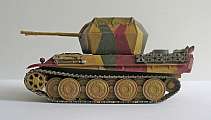
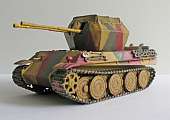



Model built by Tony Ivey - 1/72 - Turret concept 2


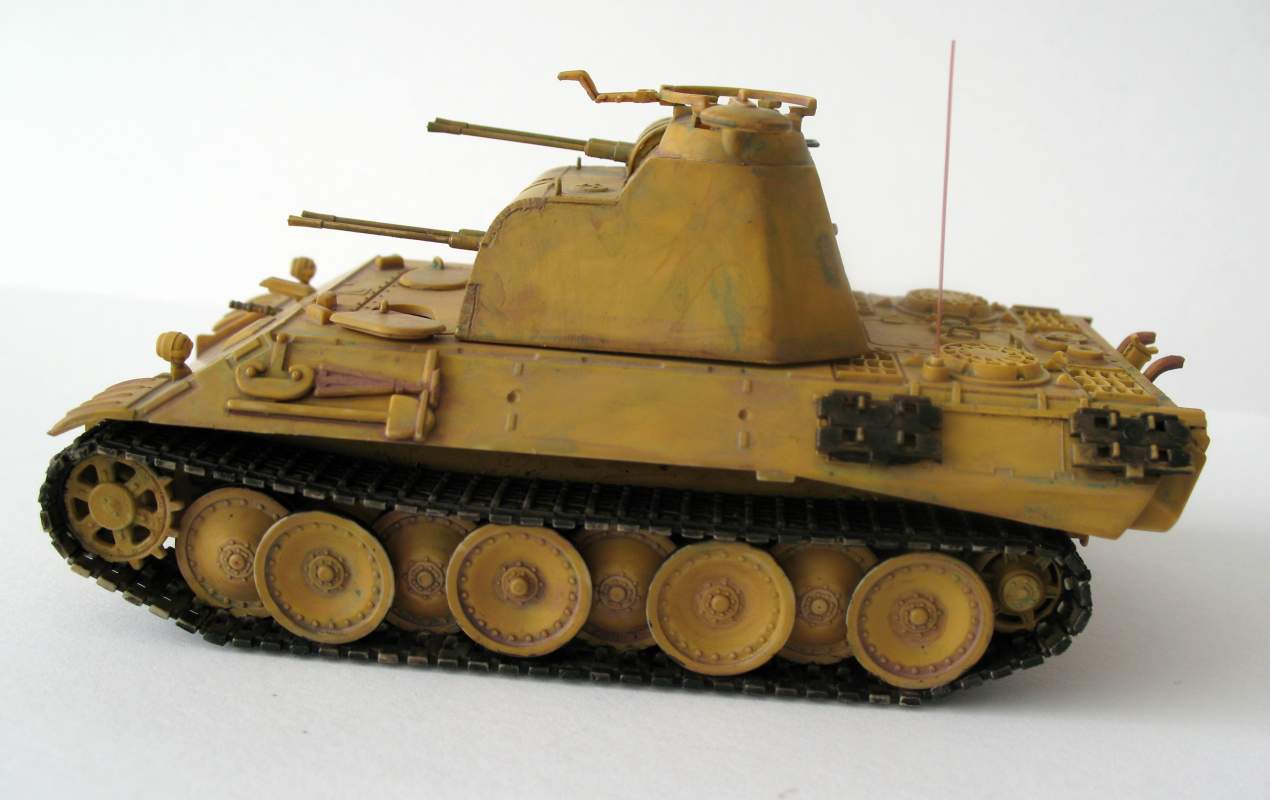
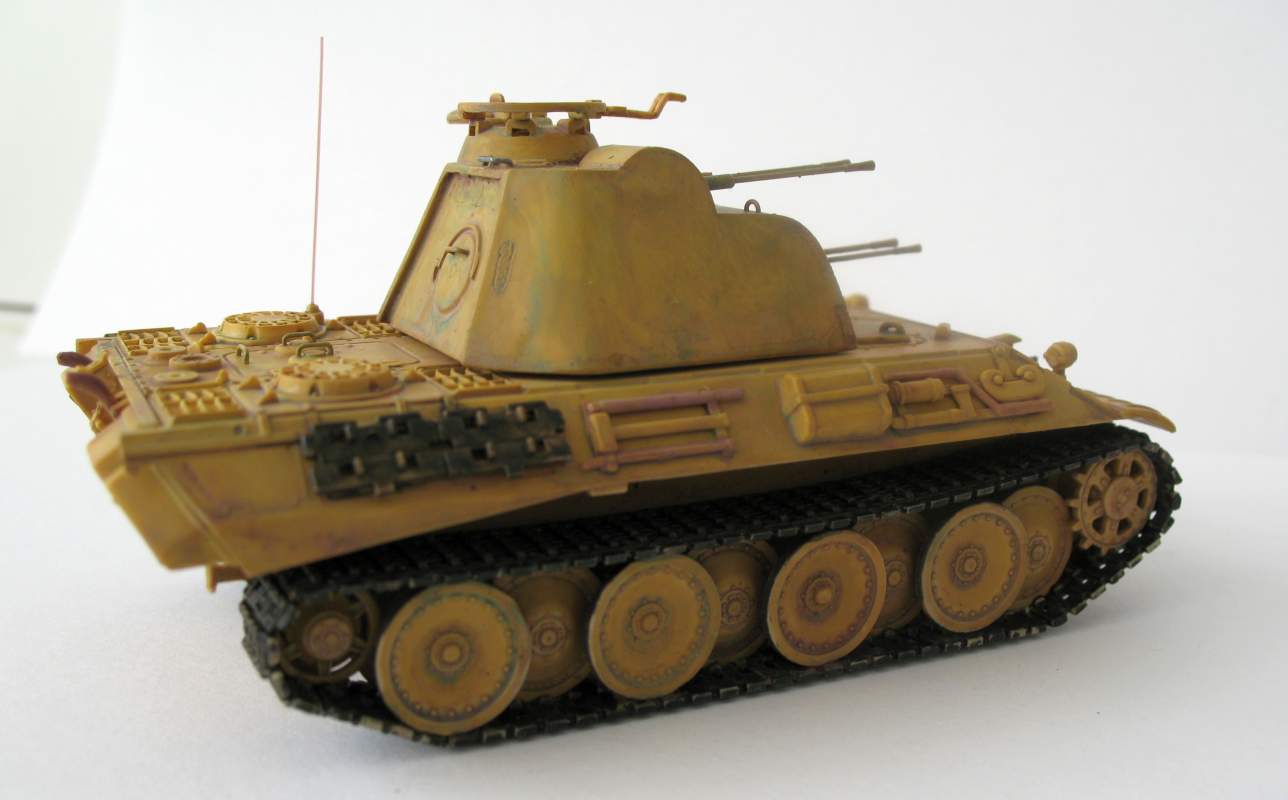
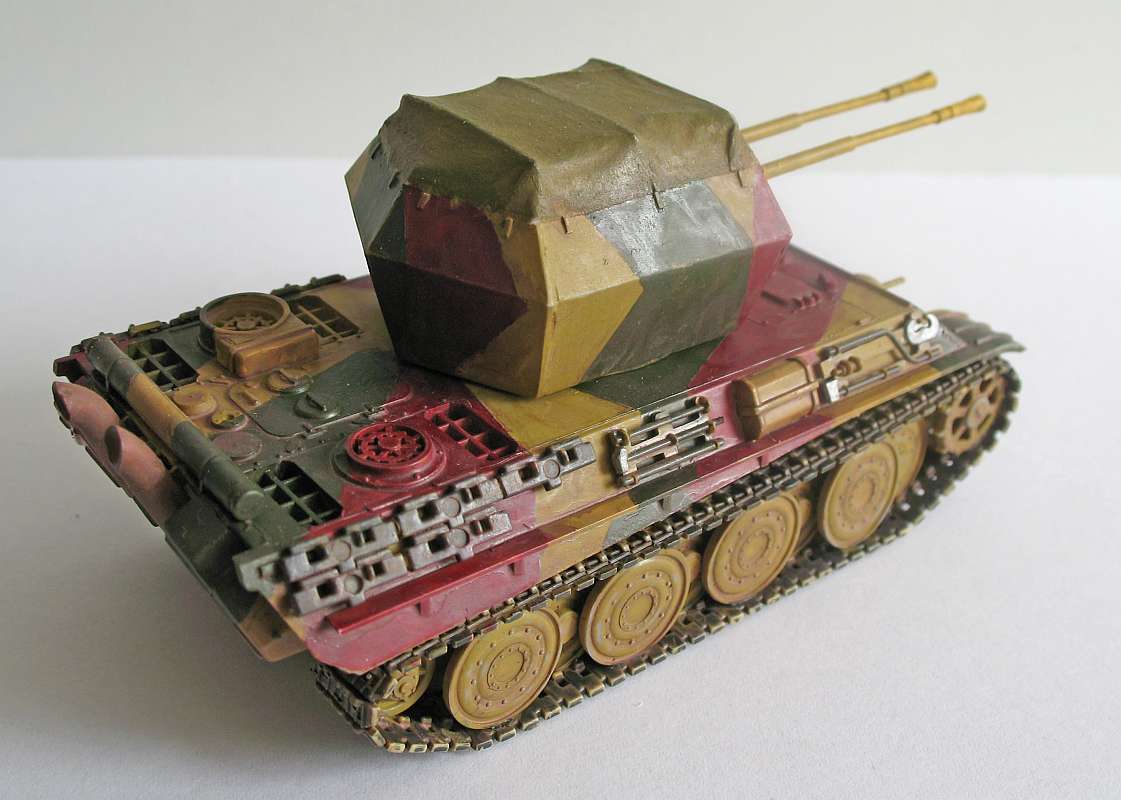
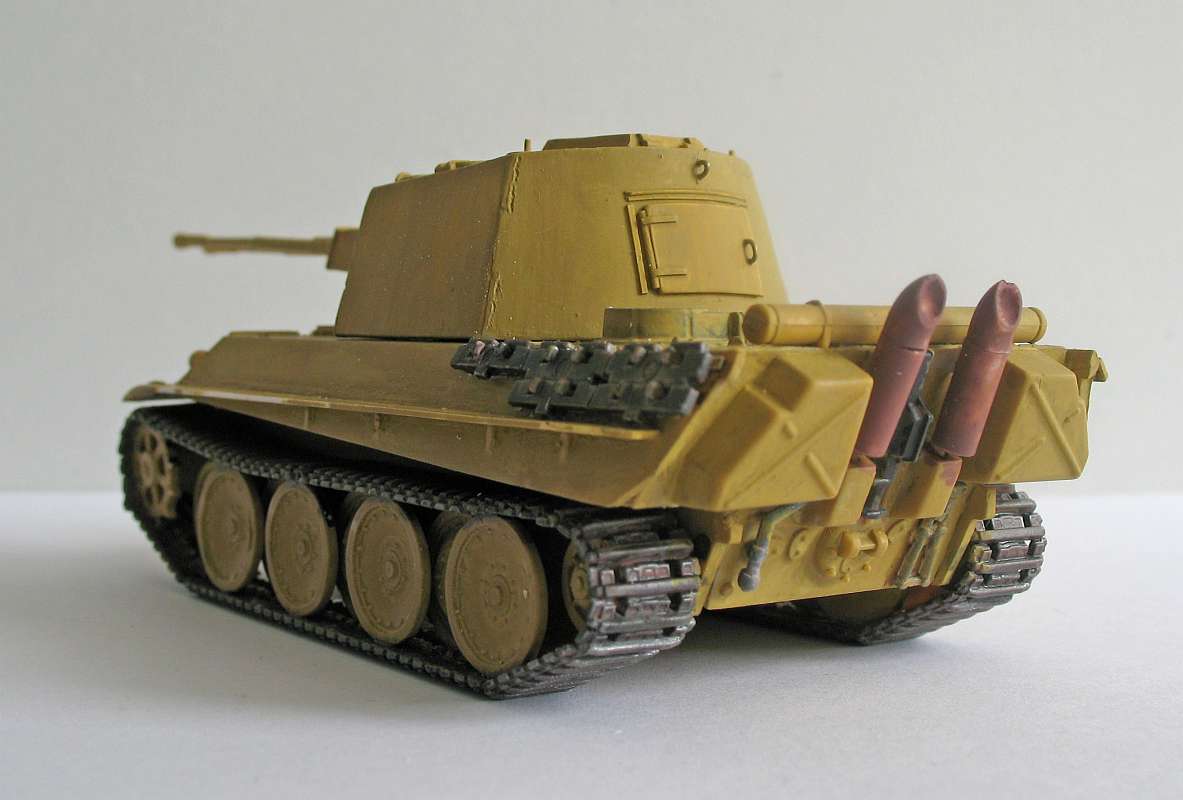
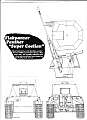
Panther - Anti-Aircraft - 2 x 55mm "Super Coelian" closed turret - redesigned Rheinmetall-Borsig concept- (prototype or drawingtable)
The Krupp 2 x 55mm "Super Coelian" (full name: 5.5cm Zwilling Flakpanzer V Super Coelian) was a proposed but never-built German self-propelled anti-aircraft gun design from World War II. It featured a twin 55mm Gerat 58 anti-aircraft gun in a fully enclosed, angular turret mounted on a Panther tank chassis.
Development Details:
Designers: Both Rheinmetall-Borsig and Krupp developed different turret designs for the Flakpanzer V Coelian project.
Krupp Version: The Krupp design was characterized by a more angular, simplified turret shape, intended to be easier and more economical to construct than the original rounded Rheinmetall design. It was also planned to be equipped with a commander's cupola derived from the Panther Ausf. A/G turret.
Armament: The main armament was the 5.5cm Flak 58 twin gun (zwilling), which was a significant upgrade over the earlier proposed 3.7cm cannons.
Status: The project was only ever developed to the drawing board stage. A wooden mock-up of the turret on a Panther chassis was reportedly built to showcase the design, but no actual prototypes were ever completed due to material shortages and the deteriorating war situation. The project was officially cancelled in early 1945.


Model built by webmaster - 1/72
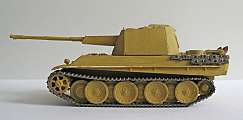
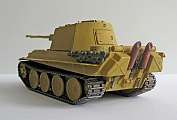


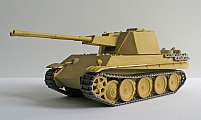


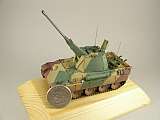
Model built by Bill Power (USA) - 1/72
This model is based on the Revell kit. The compete turret, hatches, gunsight, everything plus the guns are scratch built and the guns are turned from aluminum tubing


Panther - Anti-Aircraft - 2 x 55mm "Super Coelian" closed turret "Krupp Version" - (prototype or drawingtable)

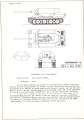
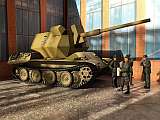
Panther - Anti-Aircraft - 88mm Flak 41 Rheinmetall concept - (drawingtable)
Built model by Michael Baldweg
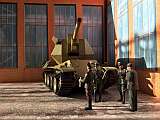
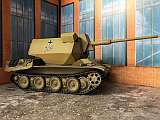
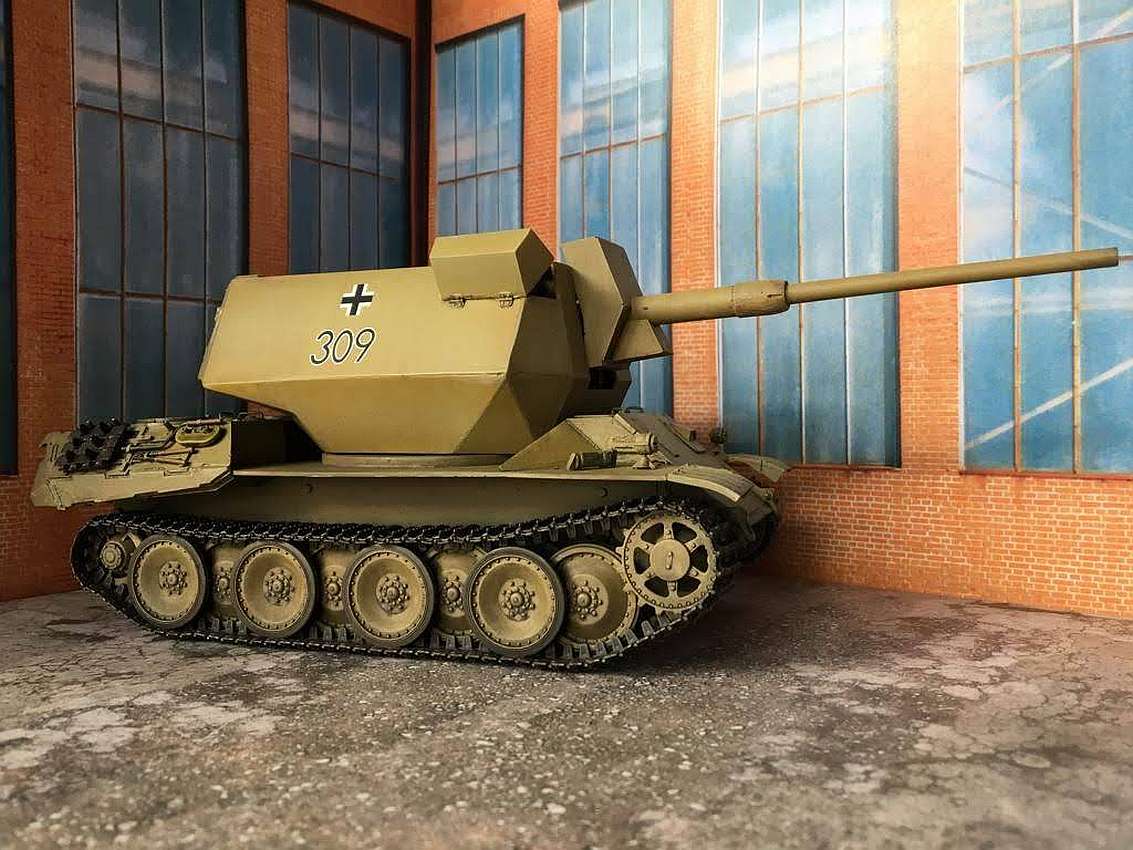
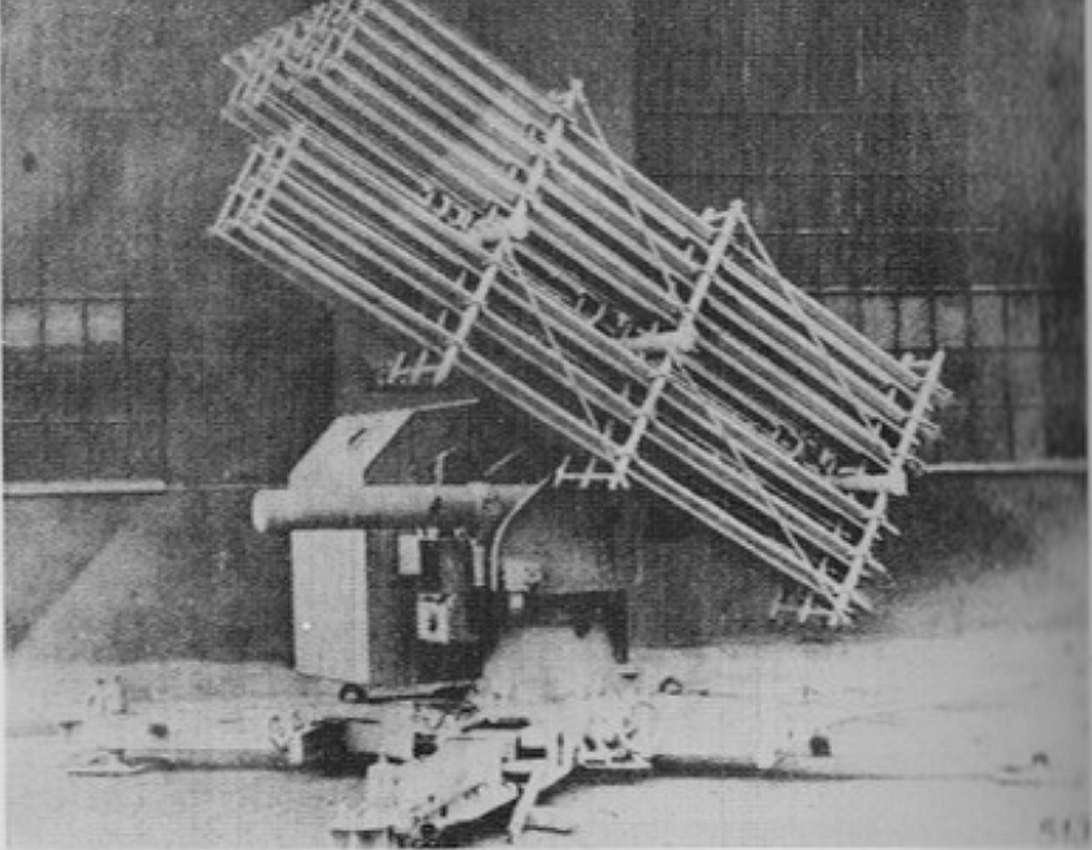
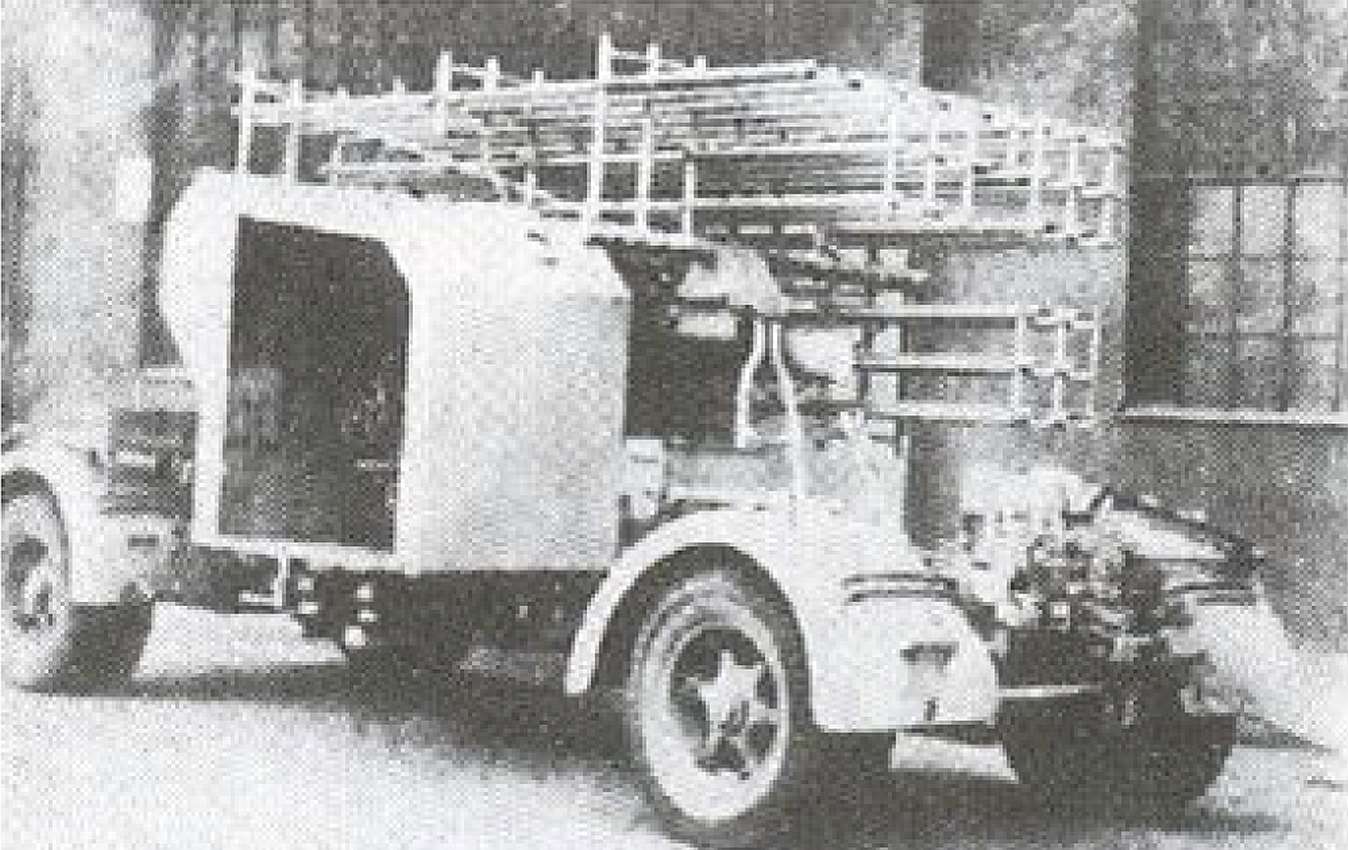
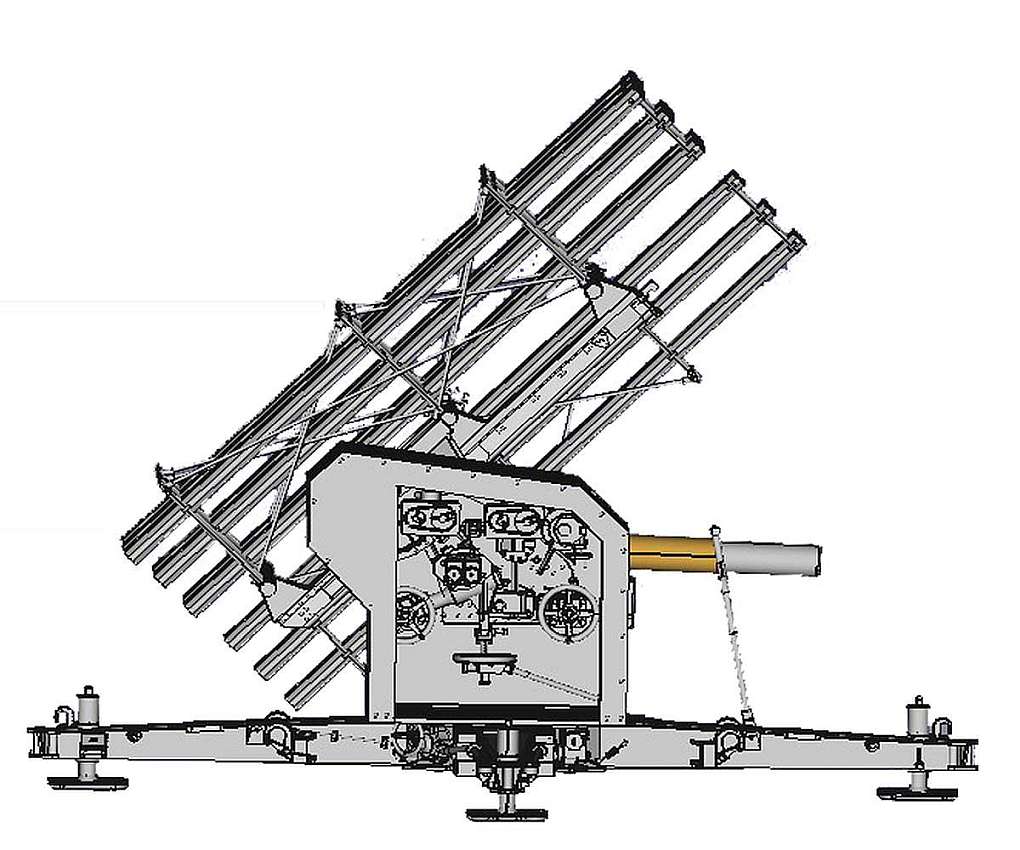
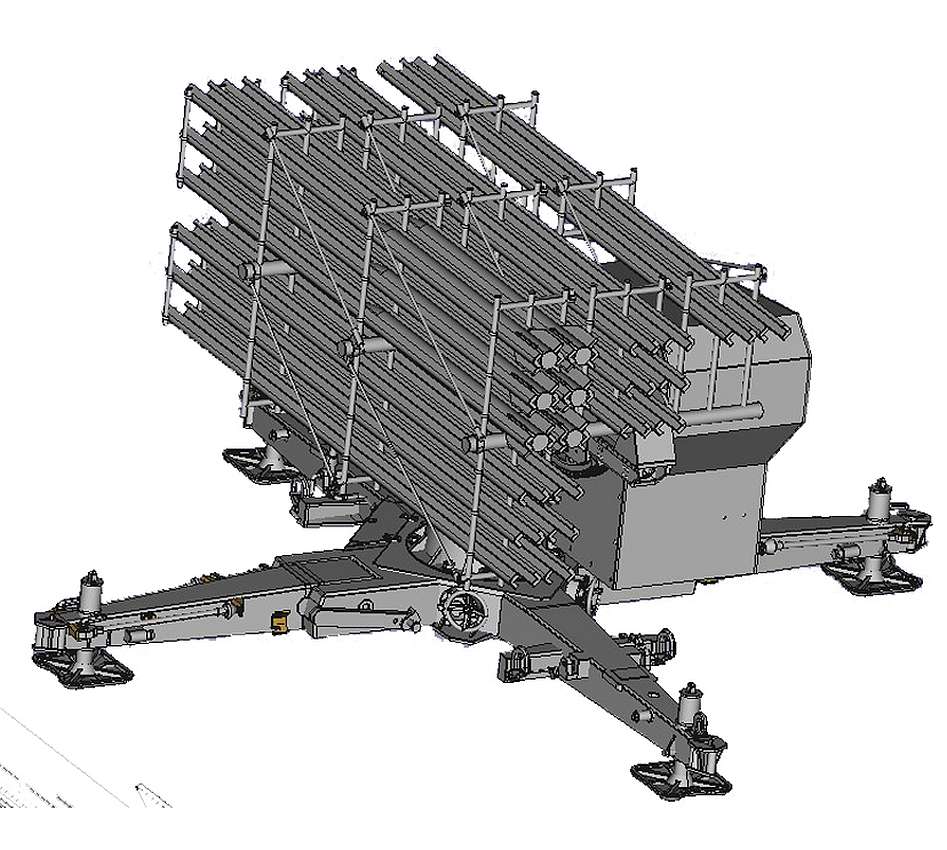
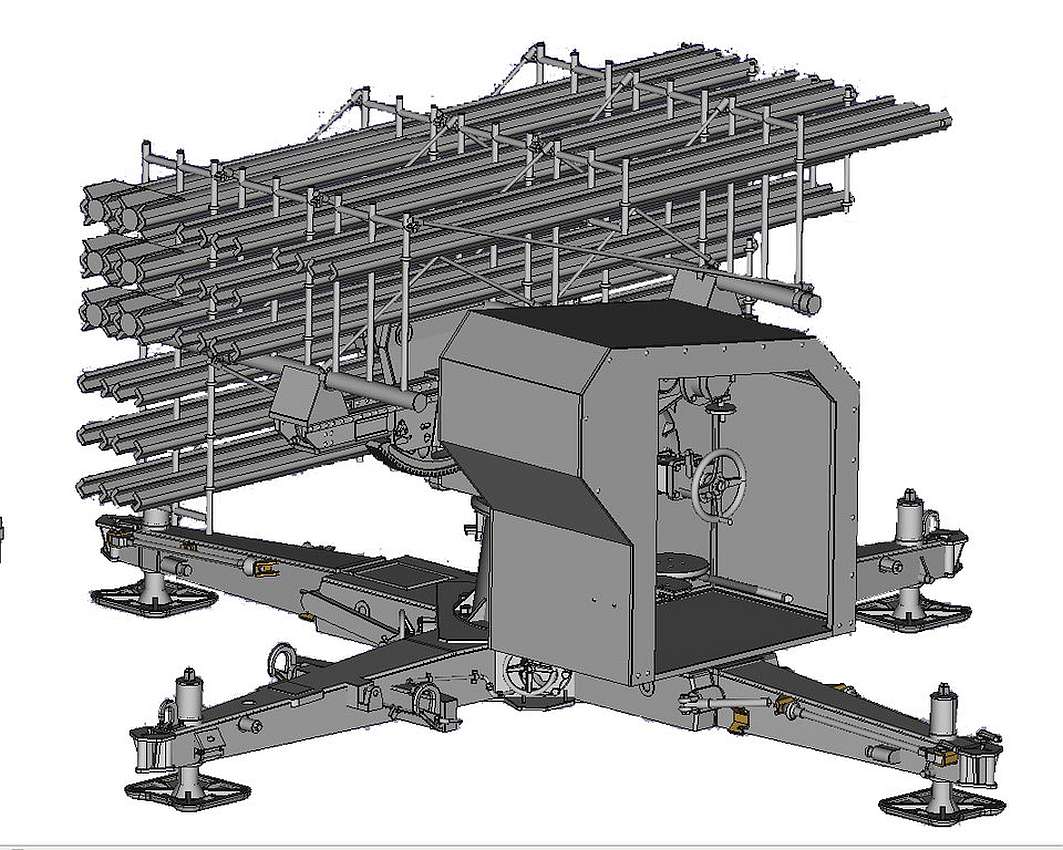
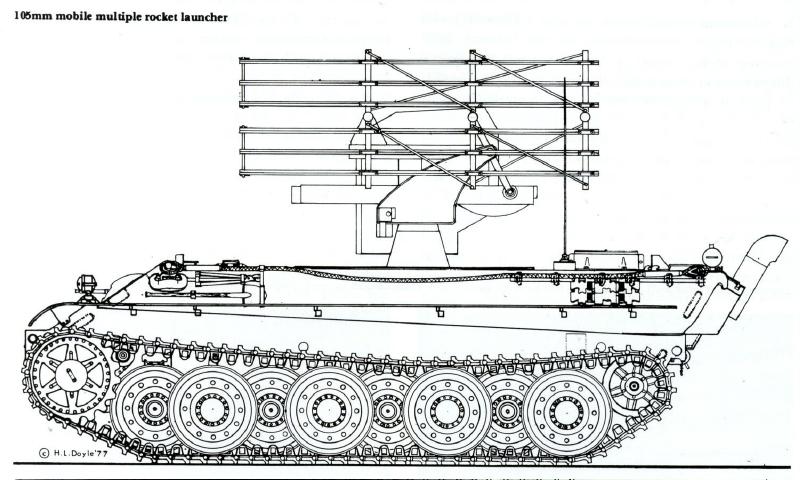
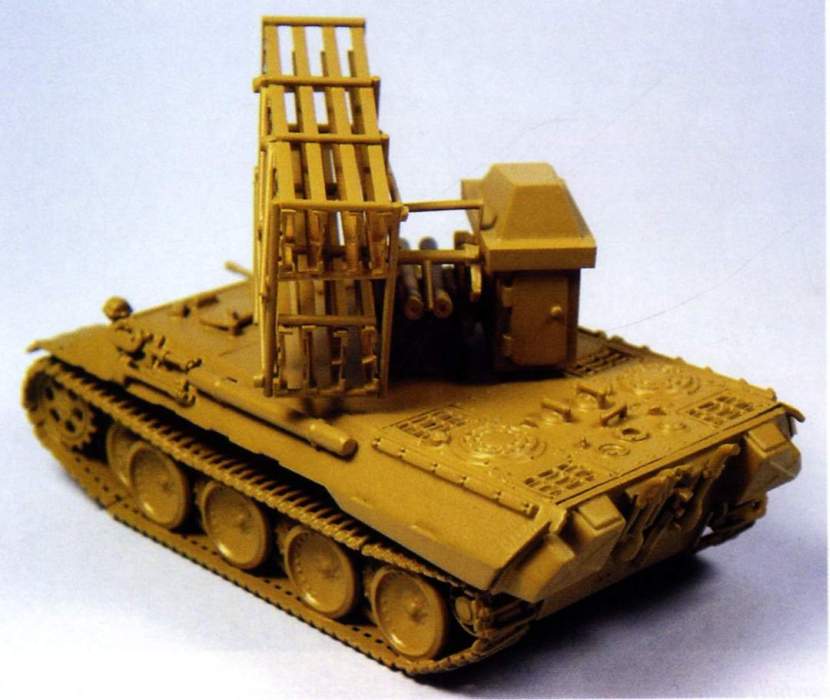
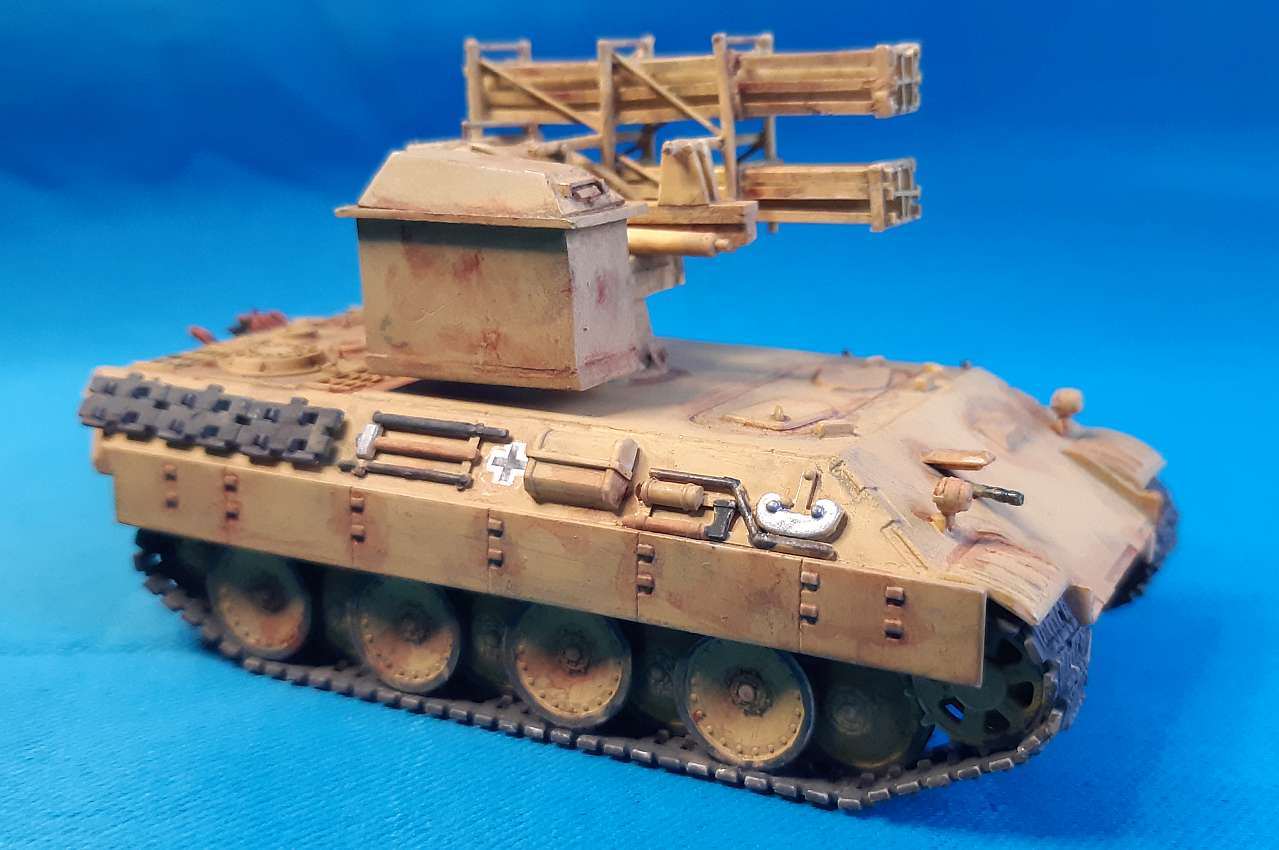
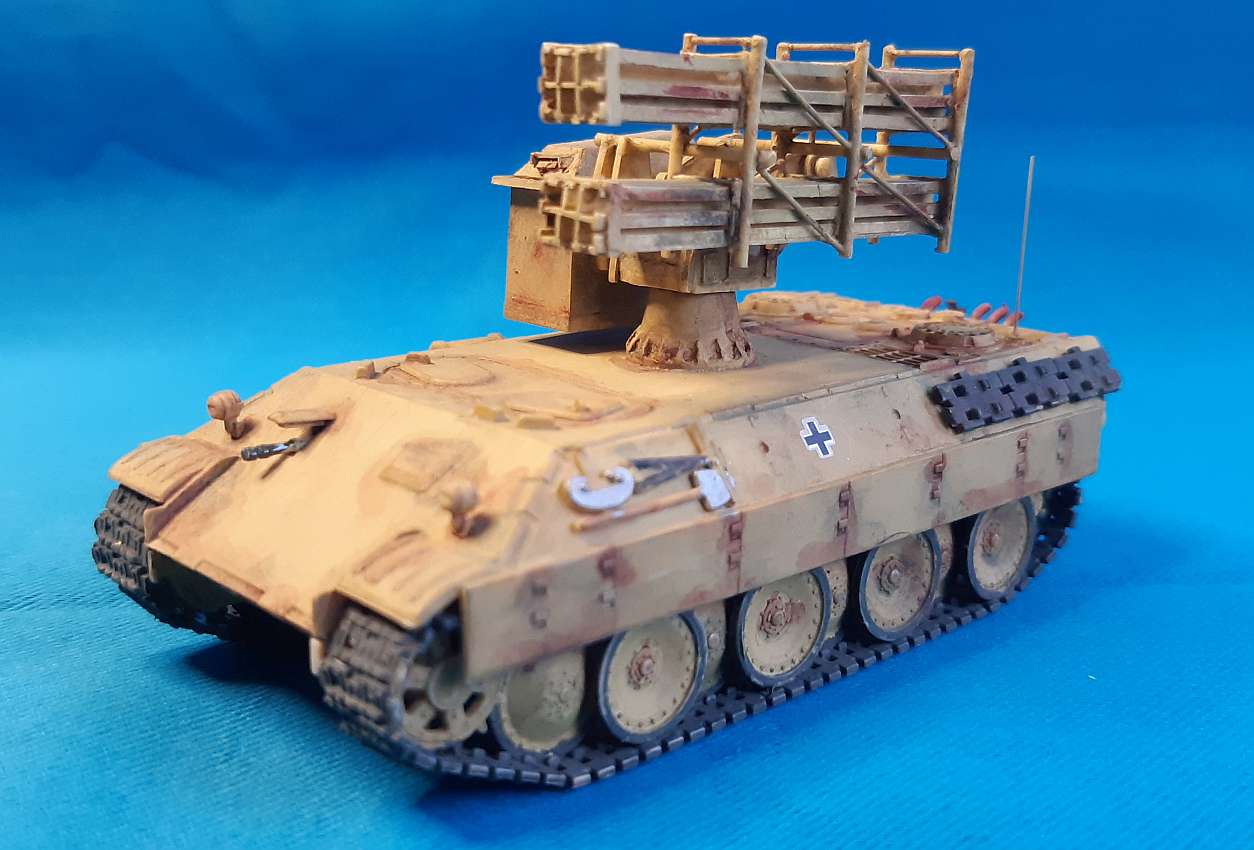
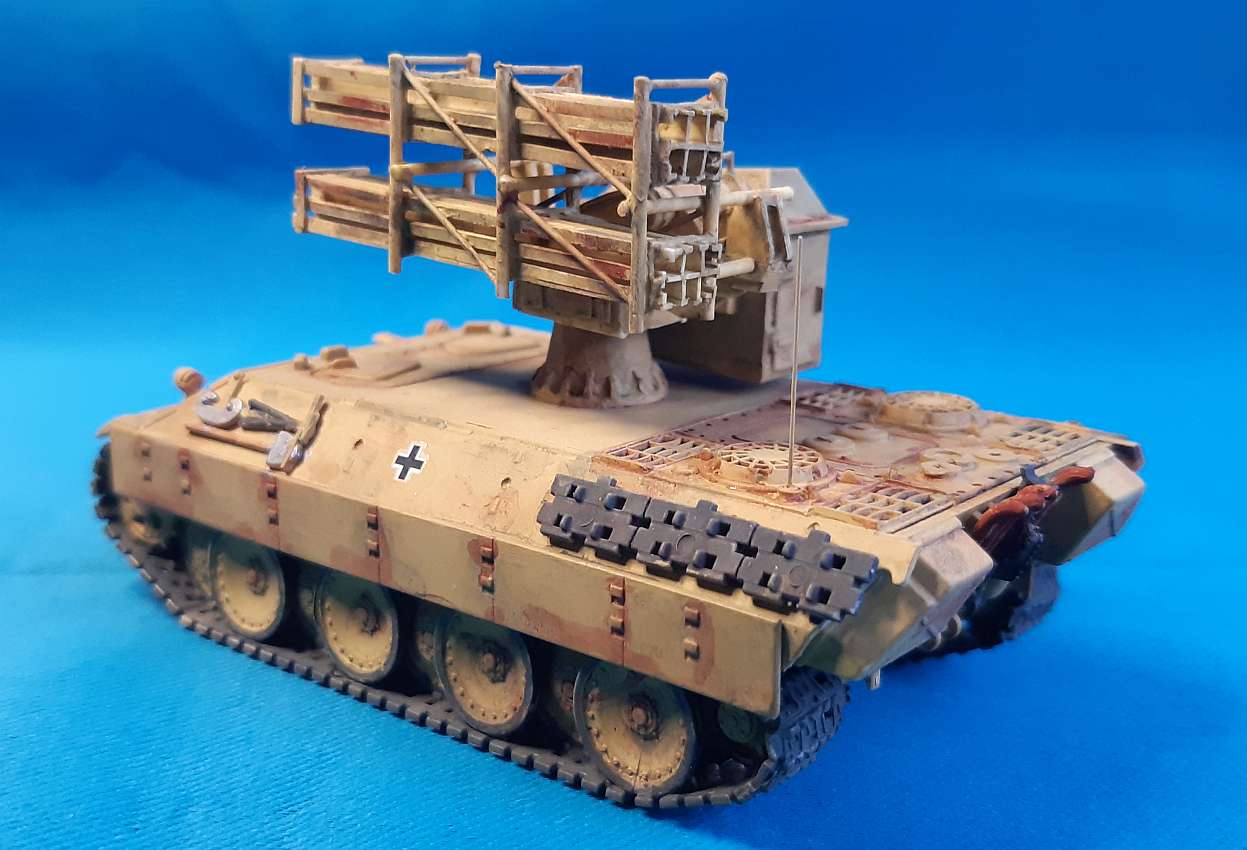
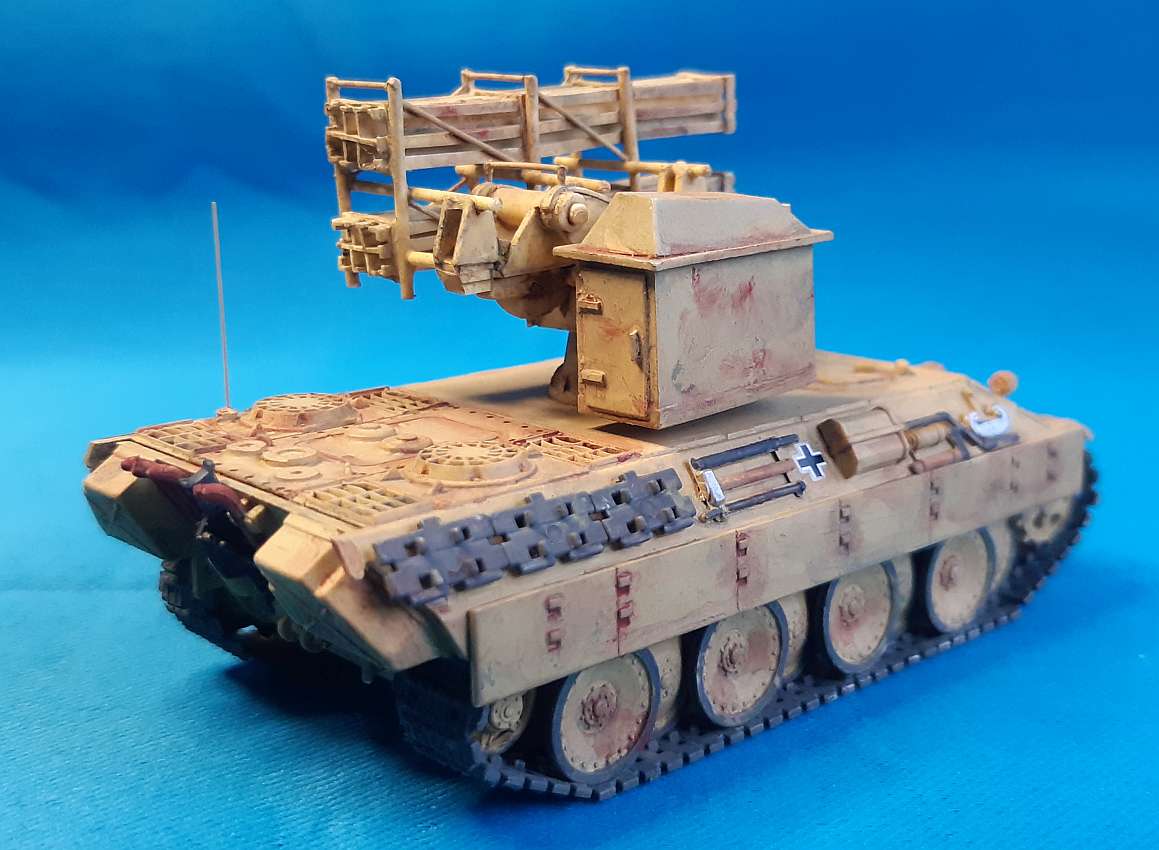
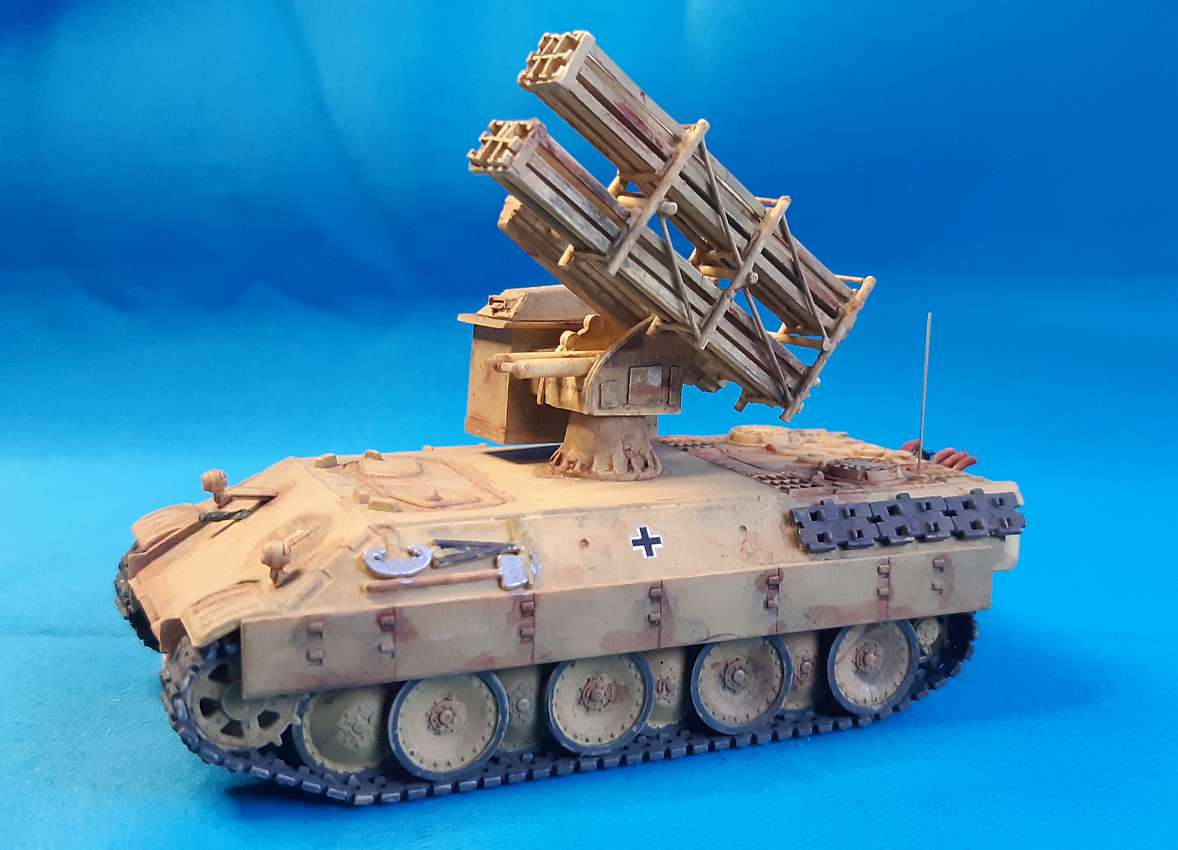
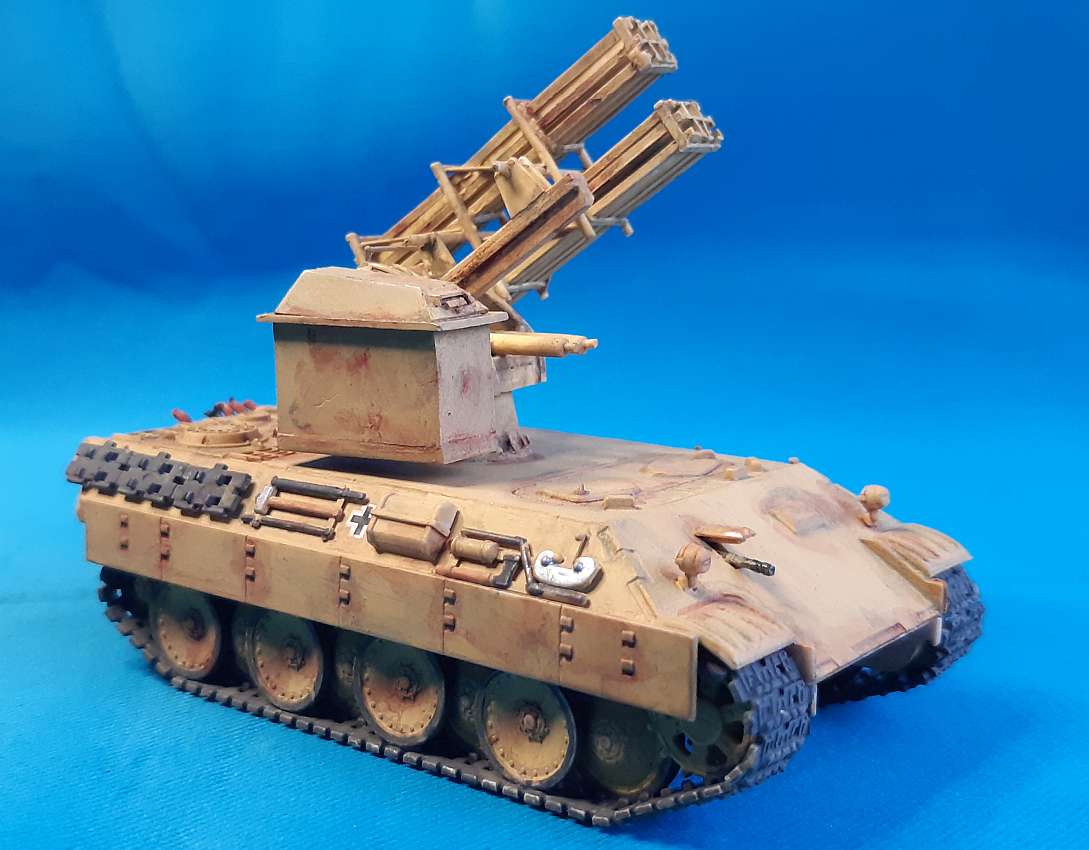
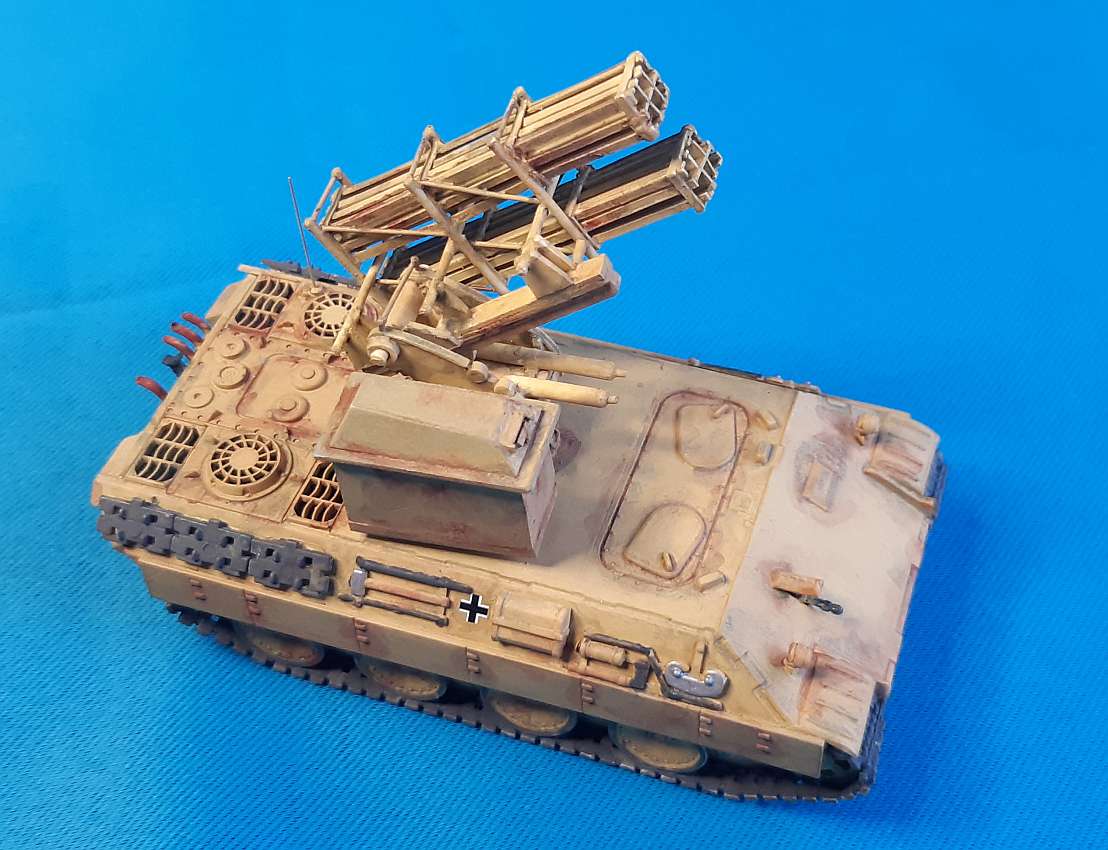
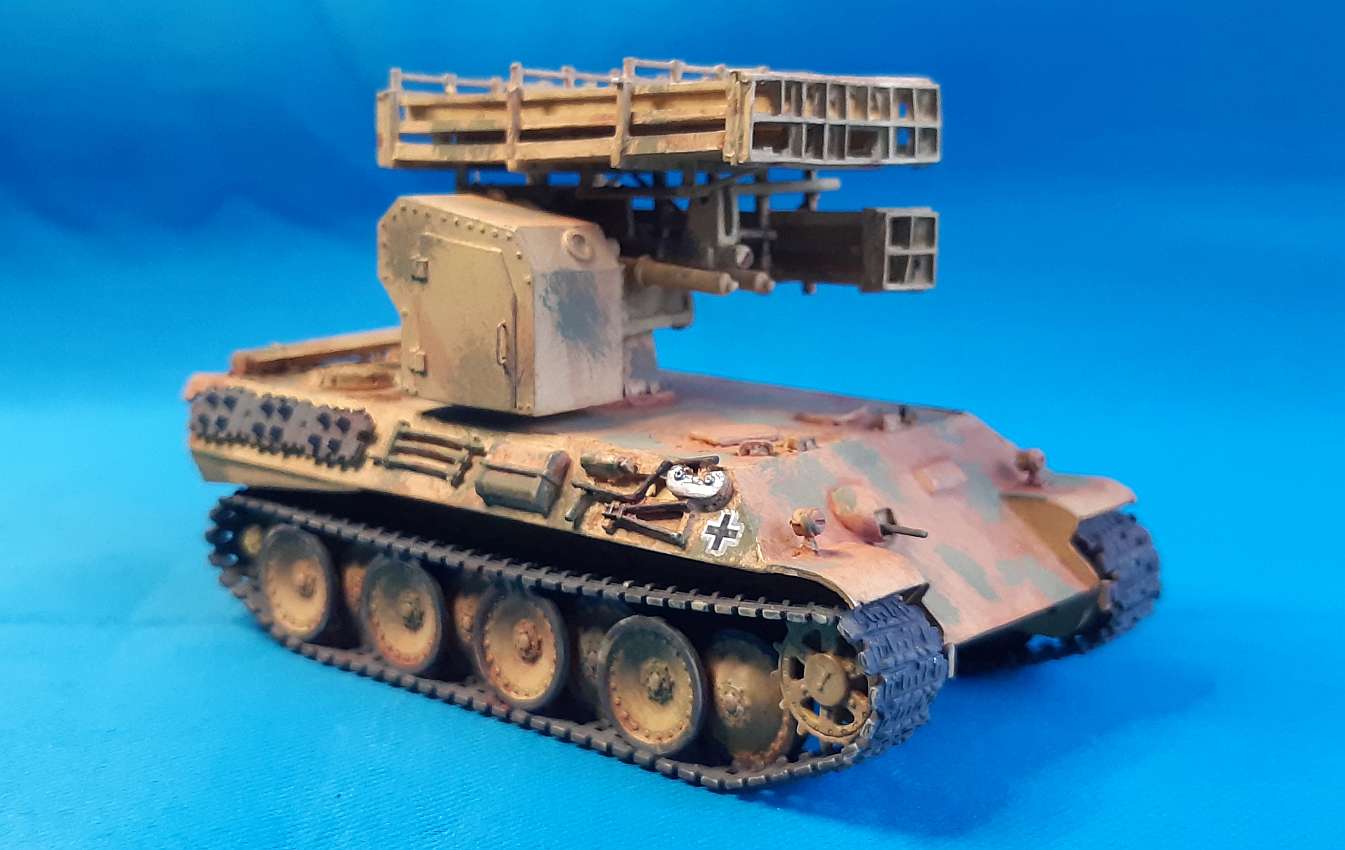
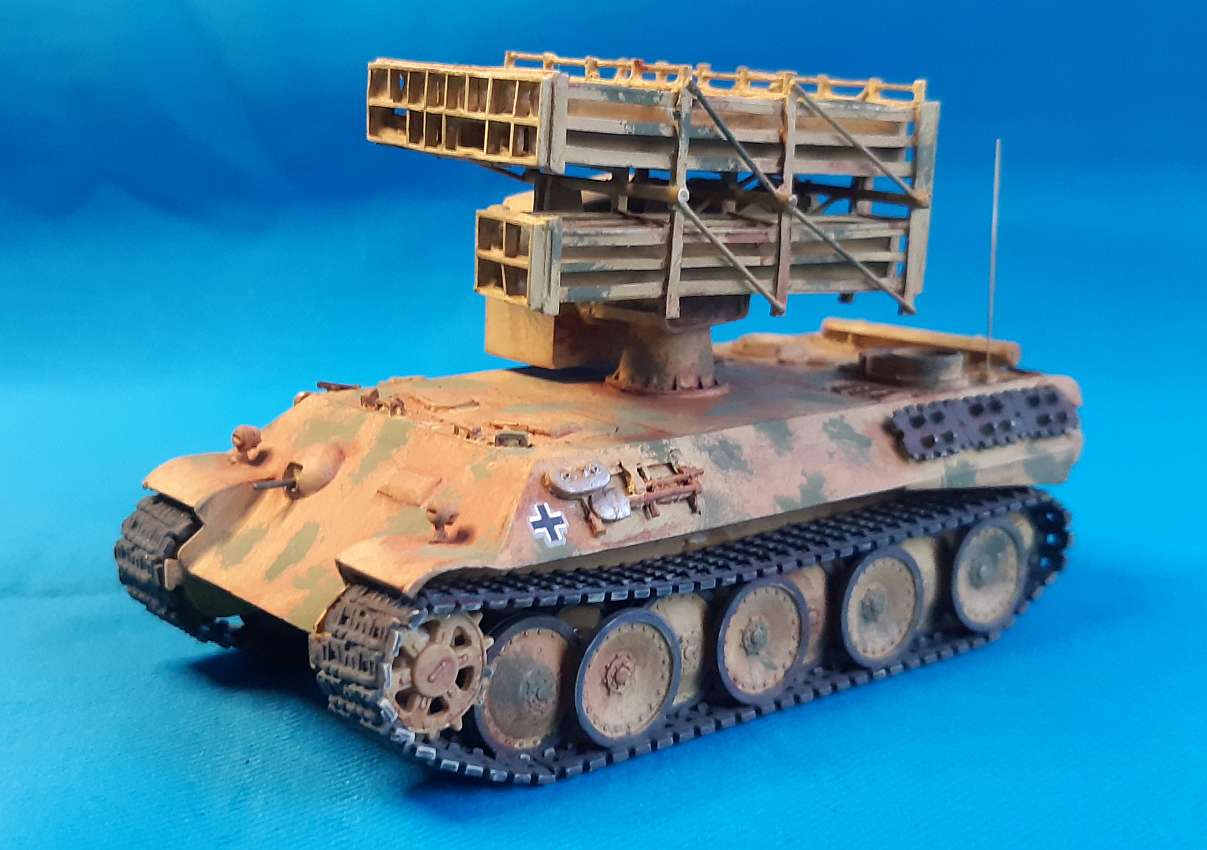
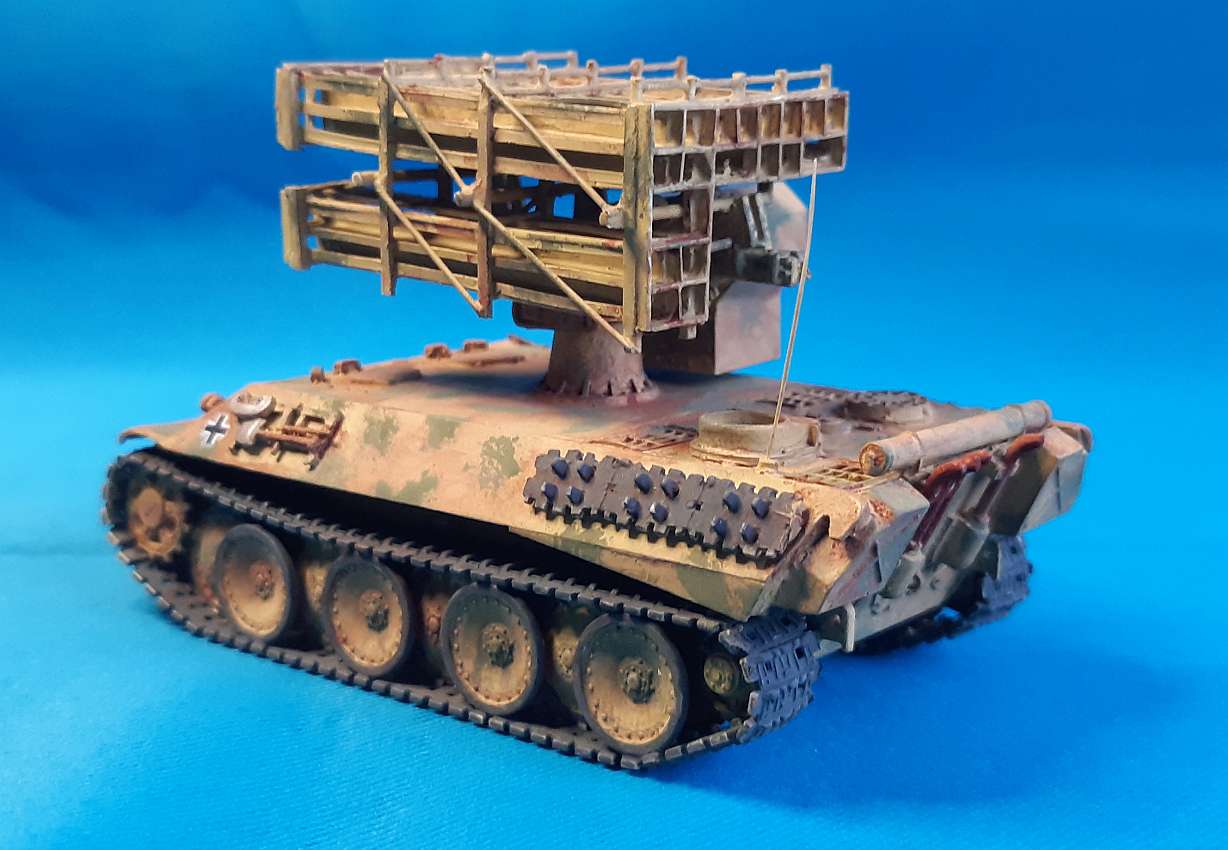
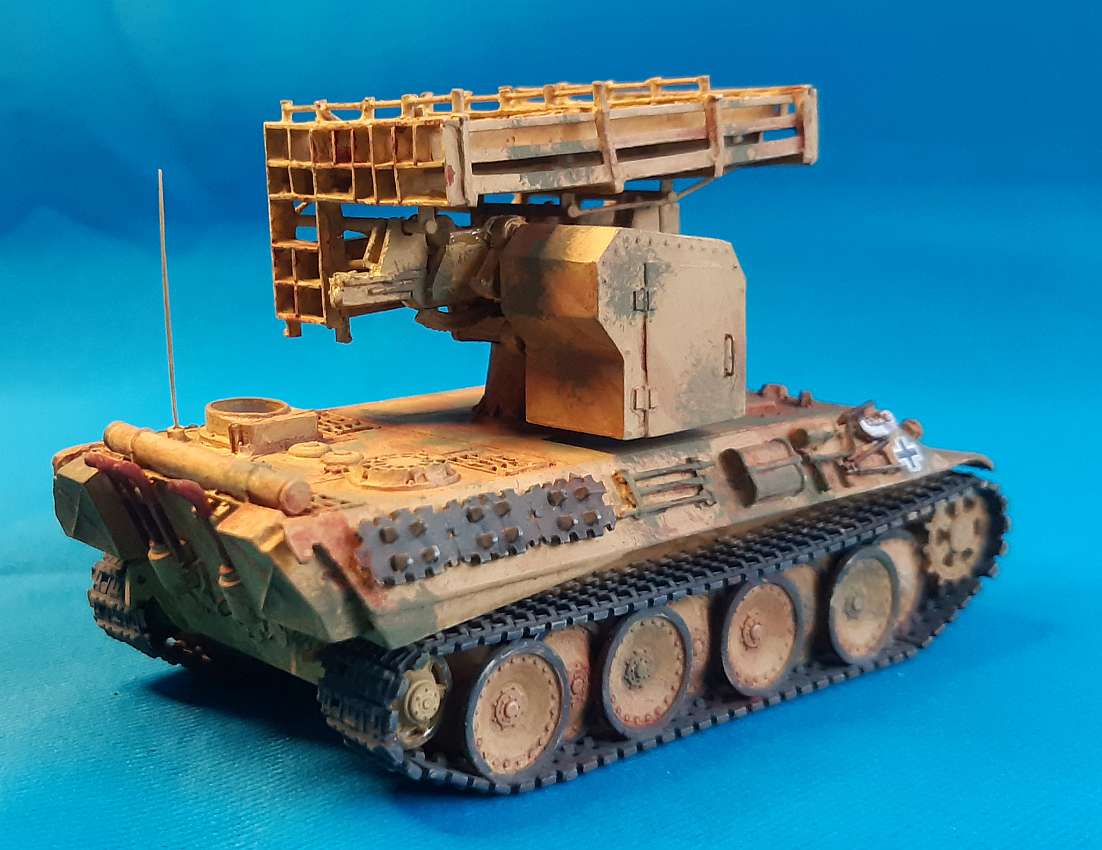
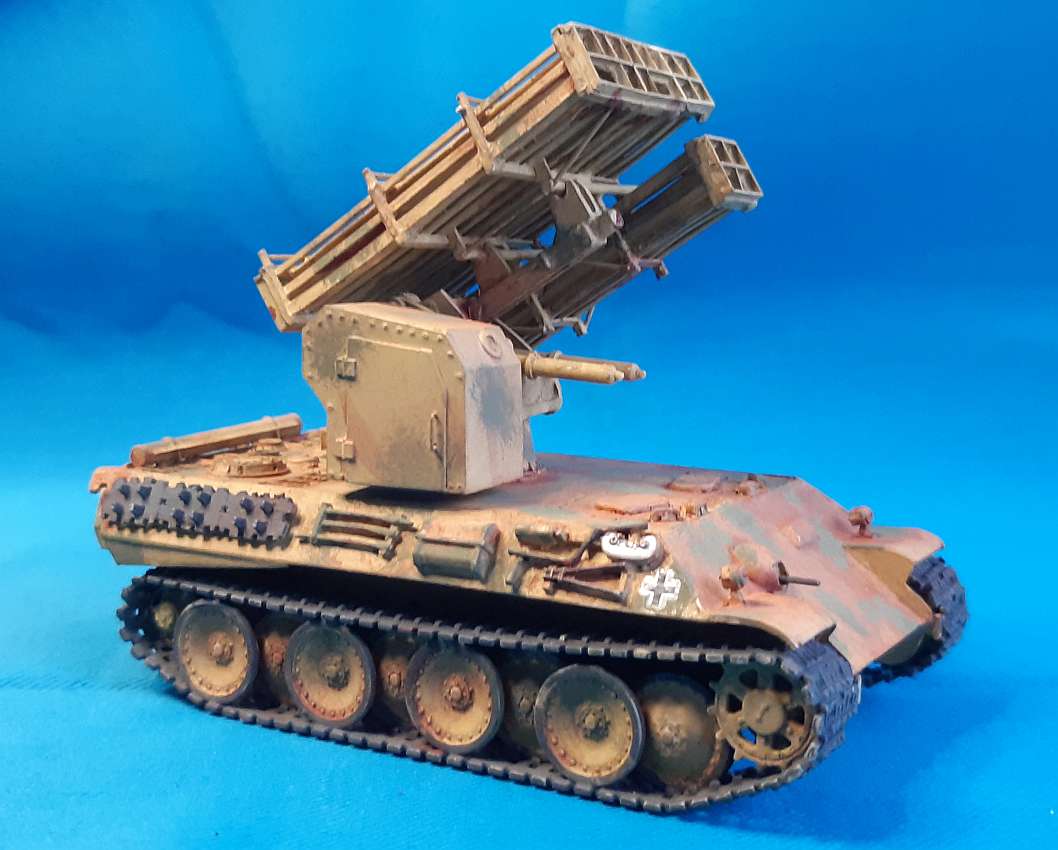
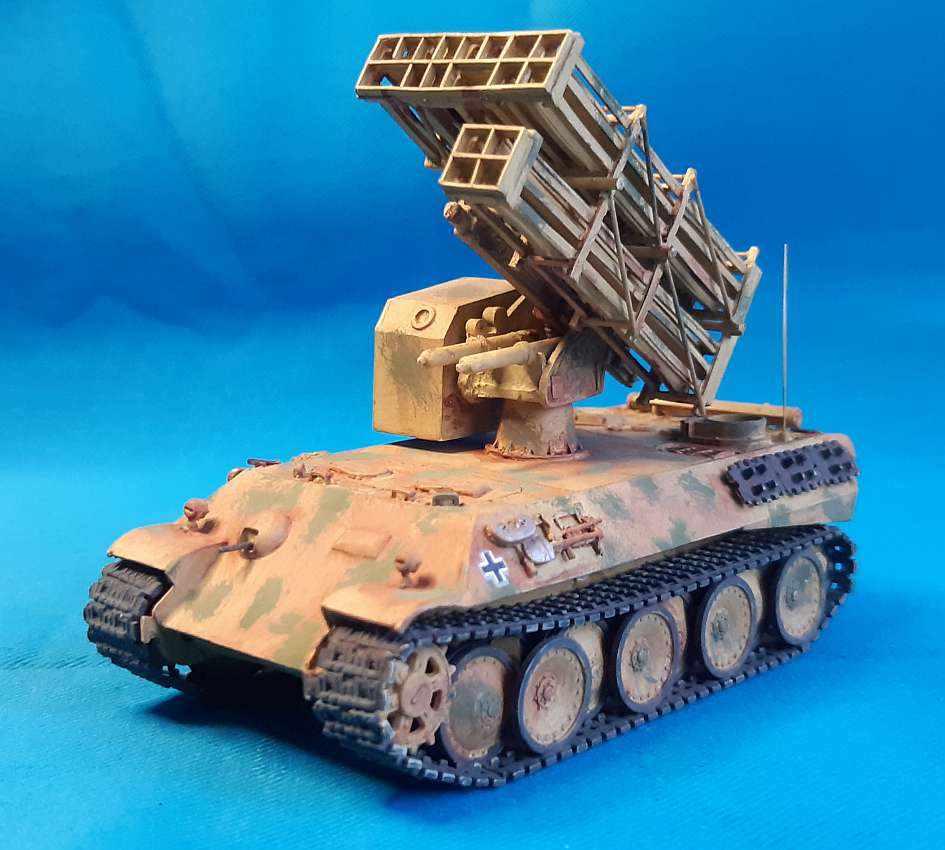
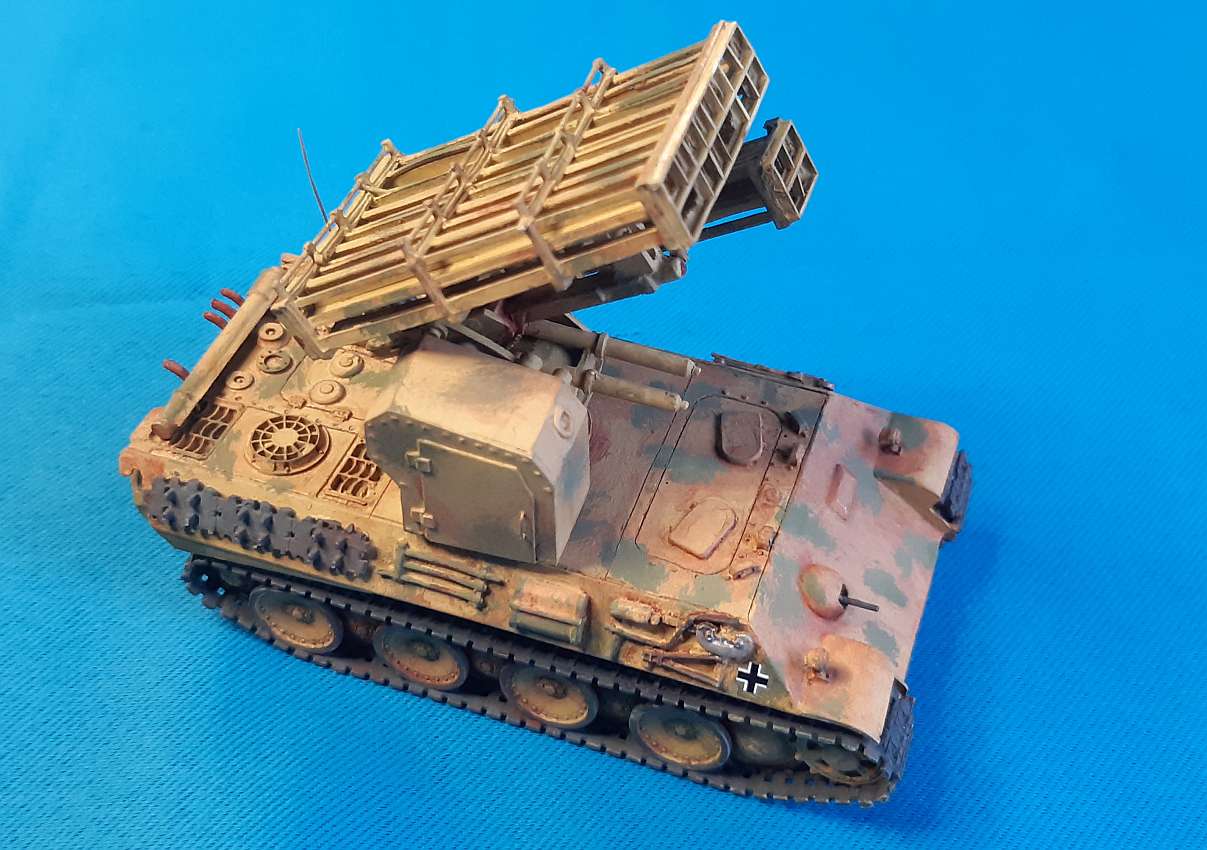
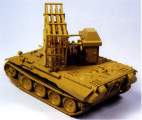
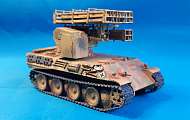
Panther - Anti-Aircraft - Rocket System - Skoda Proposal - (prototype)
For "Tanks-Encyclopedia.org" Information about development 10.5 cm Raketenwerfer auf Fahrgestell Panther, visit:
"Tanks-Encyclopedia.org", website
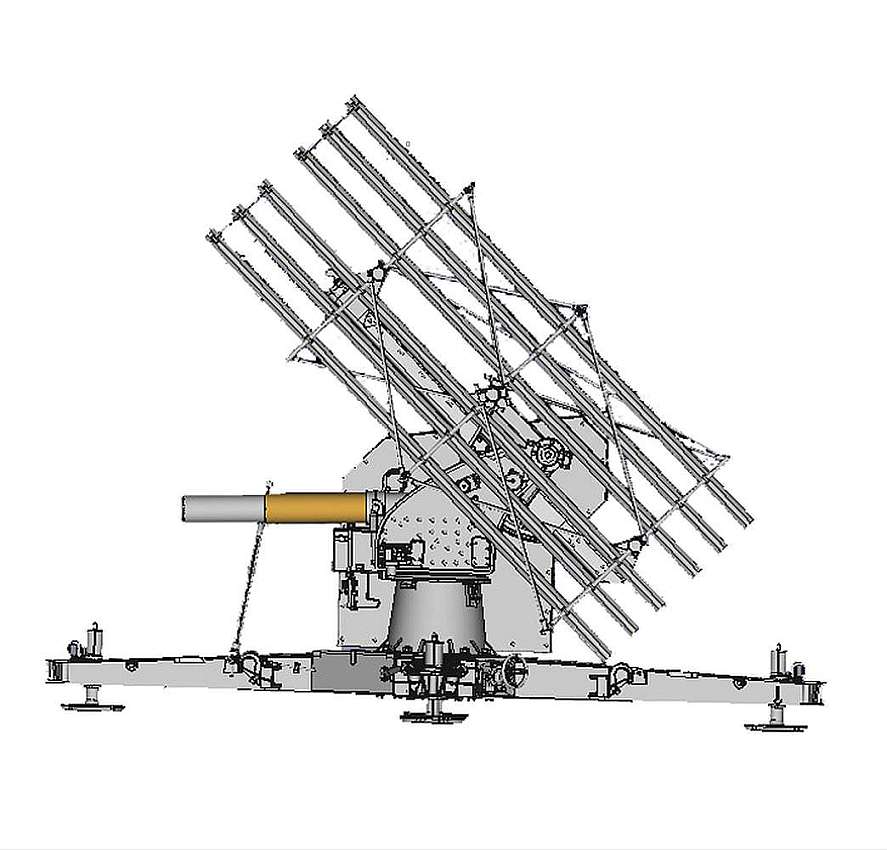
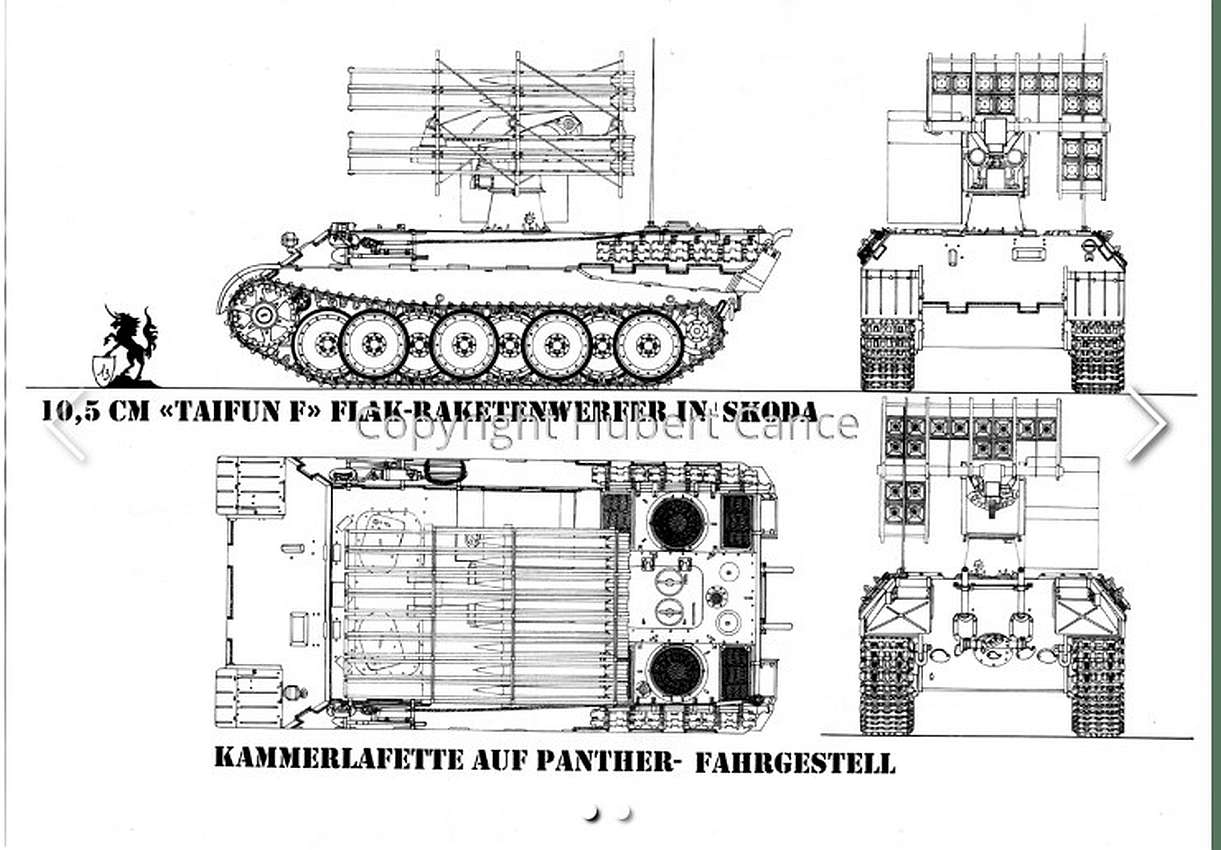
Skoda 10.5 cm Raketenwerfer - (The gun mounting of the 88 mm Flak was to be used)
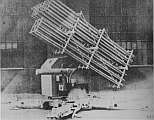
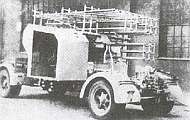
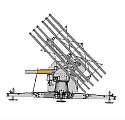
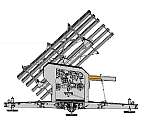
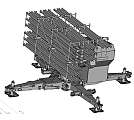
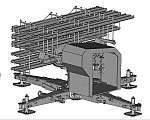
For "customscale.de " Information about development 10.5 cm Raketenwerfer "Taifun", visit:
 "Custimscale.de", website
Concept 1 with 12 rockets
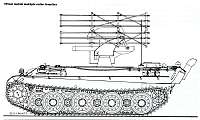
Built model Kit M72014 - Label 5MHobby / Emewee


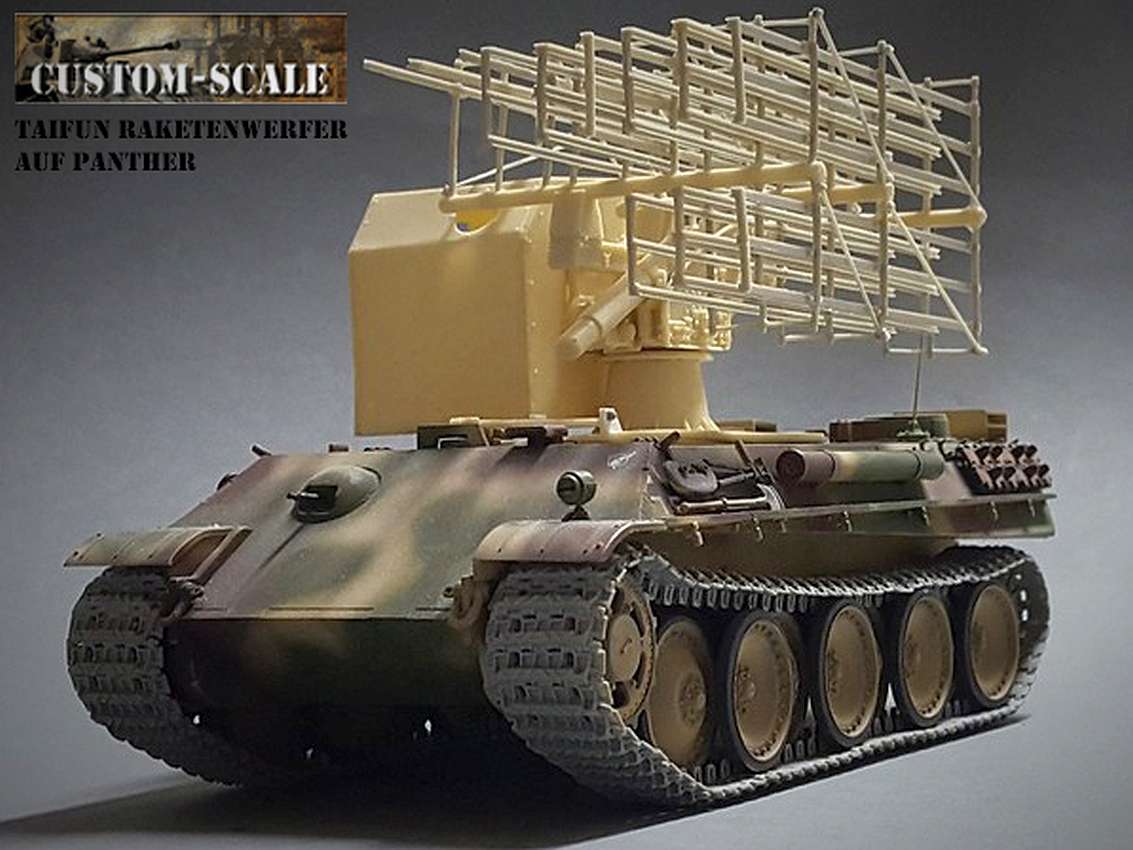
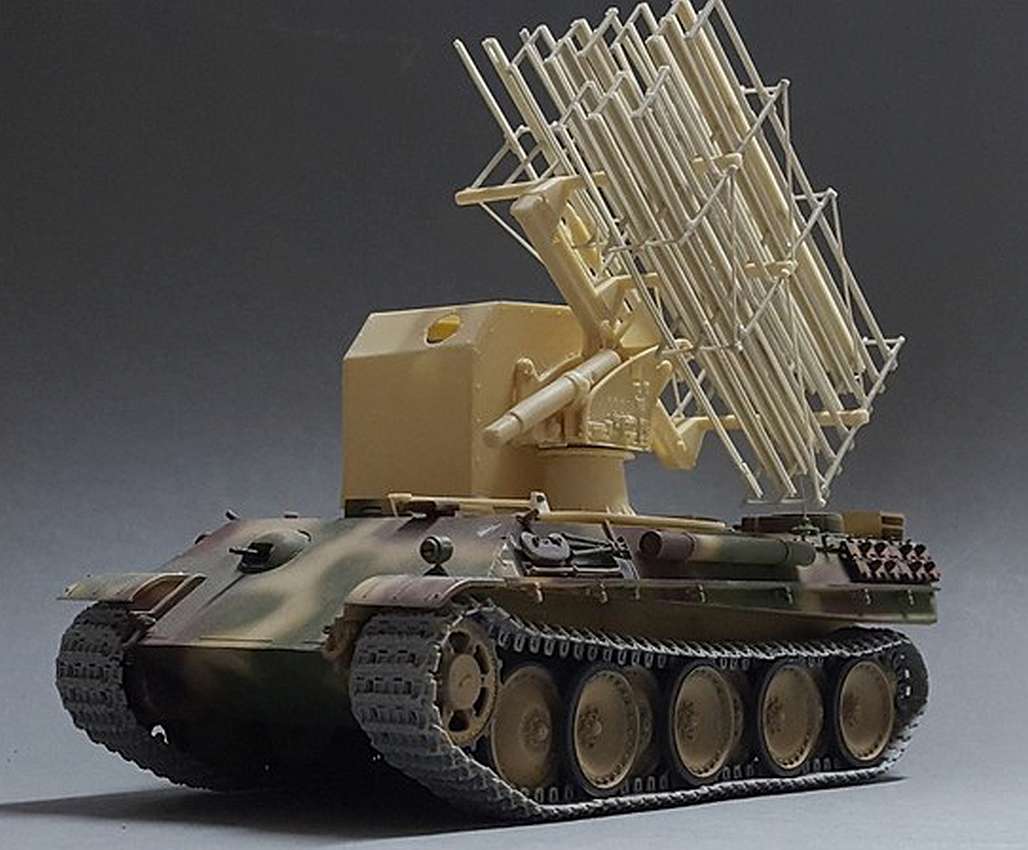
Concept 2 with 16 Rockets - 10,5 cm "Taifun" KammerLafette auf Panther Fahrgestell
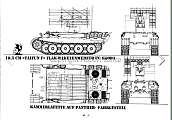
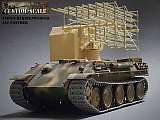
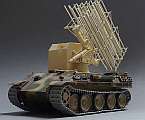
For "customscale.de " Information about development 10.5 cm Raketenwerfer "Taifun" auf Fahrgestell Panther, visit:
"Custimscale.de", website
Note: In the small 1/76 or 1/72 scale are the construction of Skoda Raketenwerfer more an object for 3D printing
Type 1 with 12 Rockets - (built by webmaster)
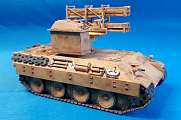
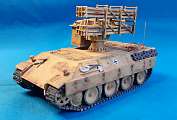
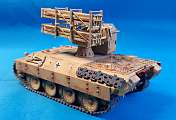
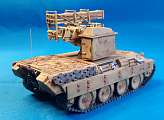
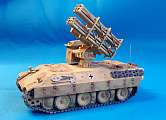
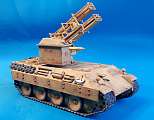
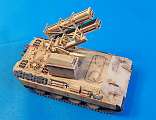
Type 2 "Taifun" with 16 Rockets - (built by webmaster)
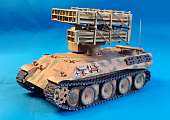
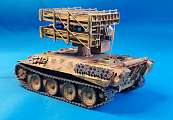
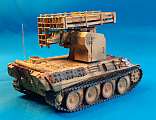
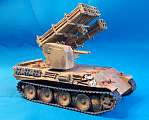
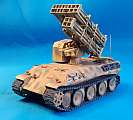
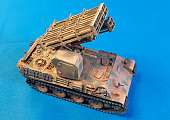
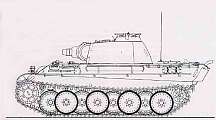
Sturmmorser 150mm Assault gun (Panther) - (Prototype or drawingtable)
There was a project for a Sturmmorser Panther (also called the Sturmpanther) armed with a 150mm StuH 43/1 gun (howitzer), but this vehicle never entered production. The only comparable vehicle actually produced was the heavier Sturmtiger, which was based on the chassis of a Tiger I tank and armed with a much larger 380mm rocket-propelled mortar.
Built model by webmaster
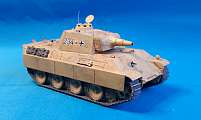
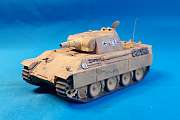
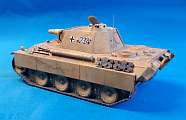
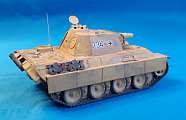
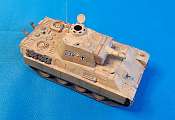
Built model by Materielsterrestres - (scale 1/35)
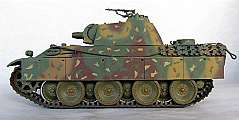
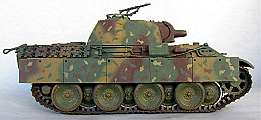
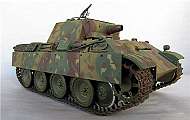
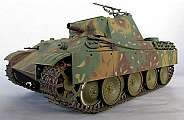
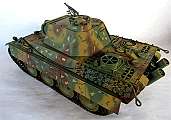
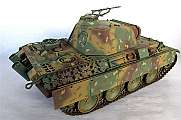
Panther projects from Drawingtable
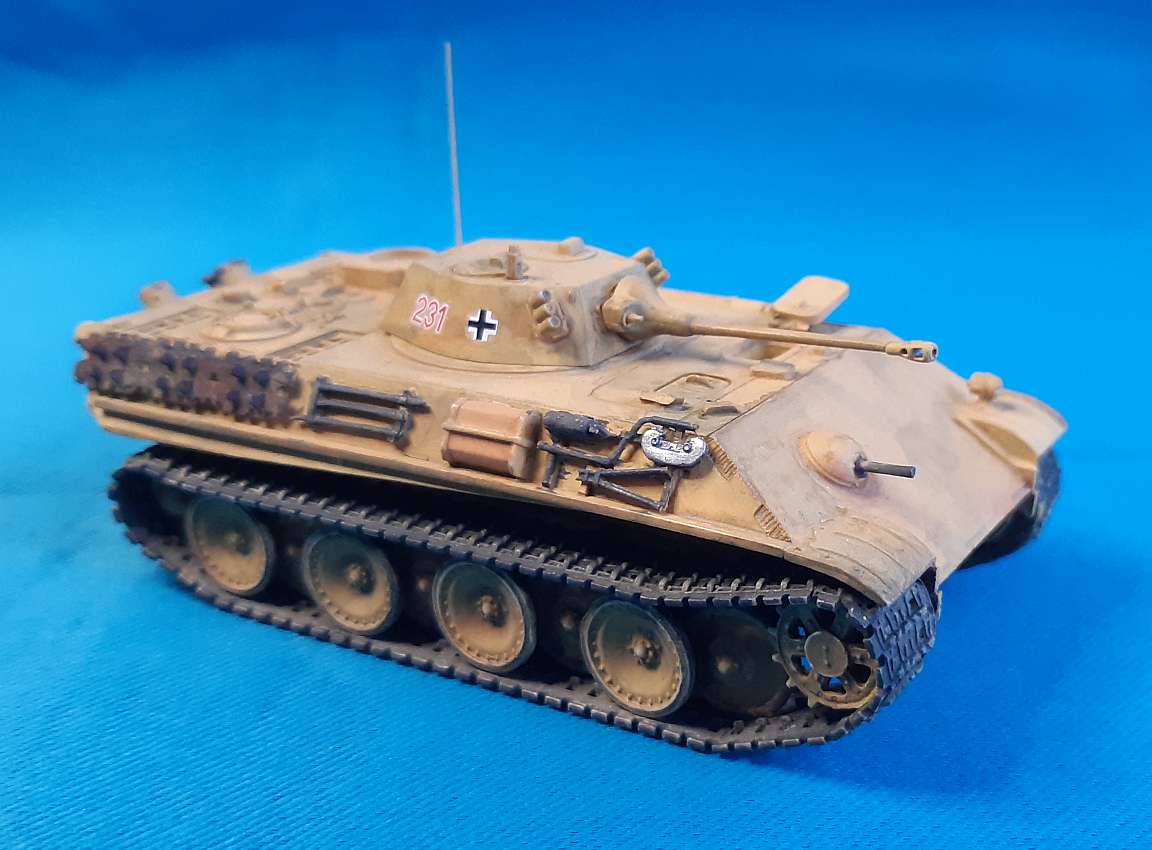
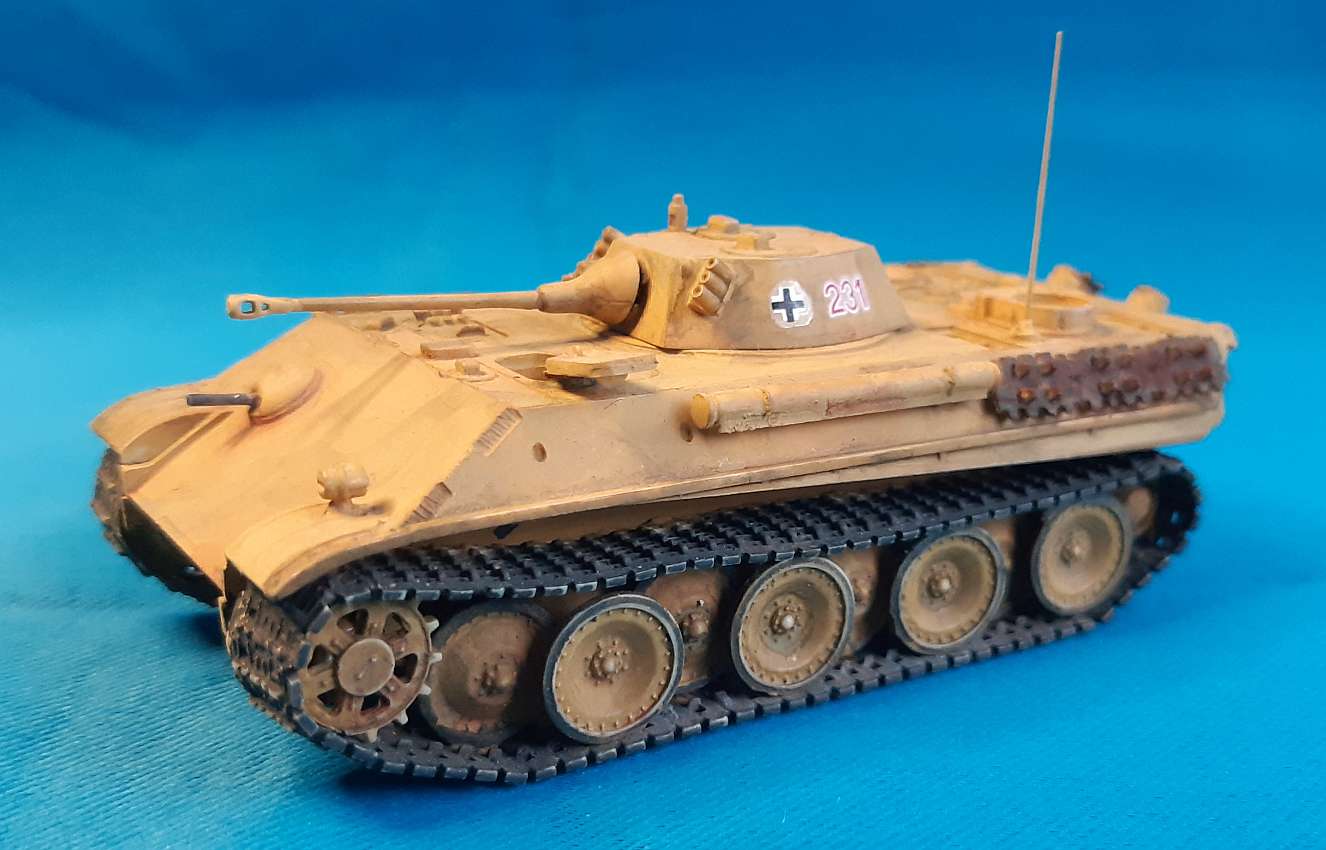
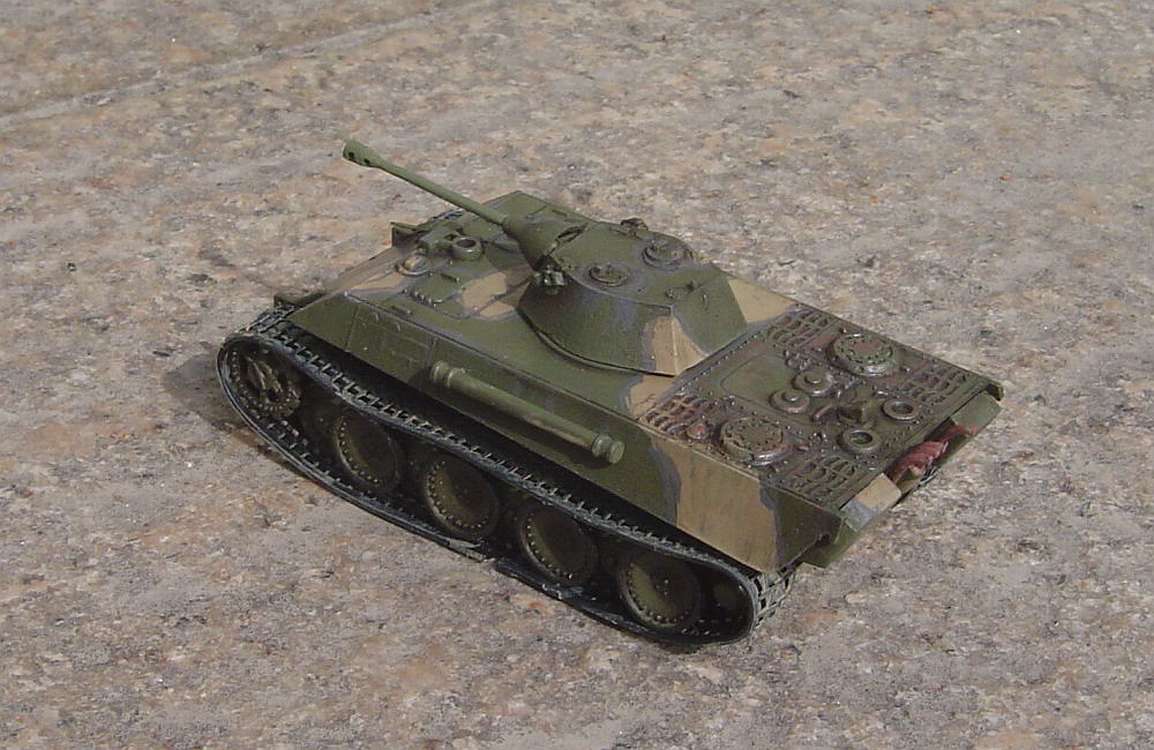
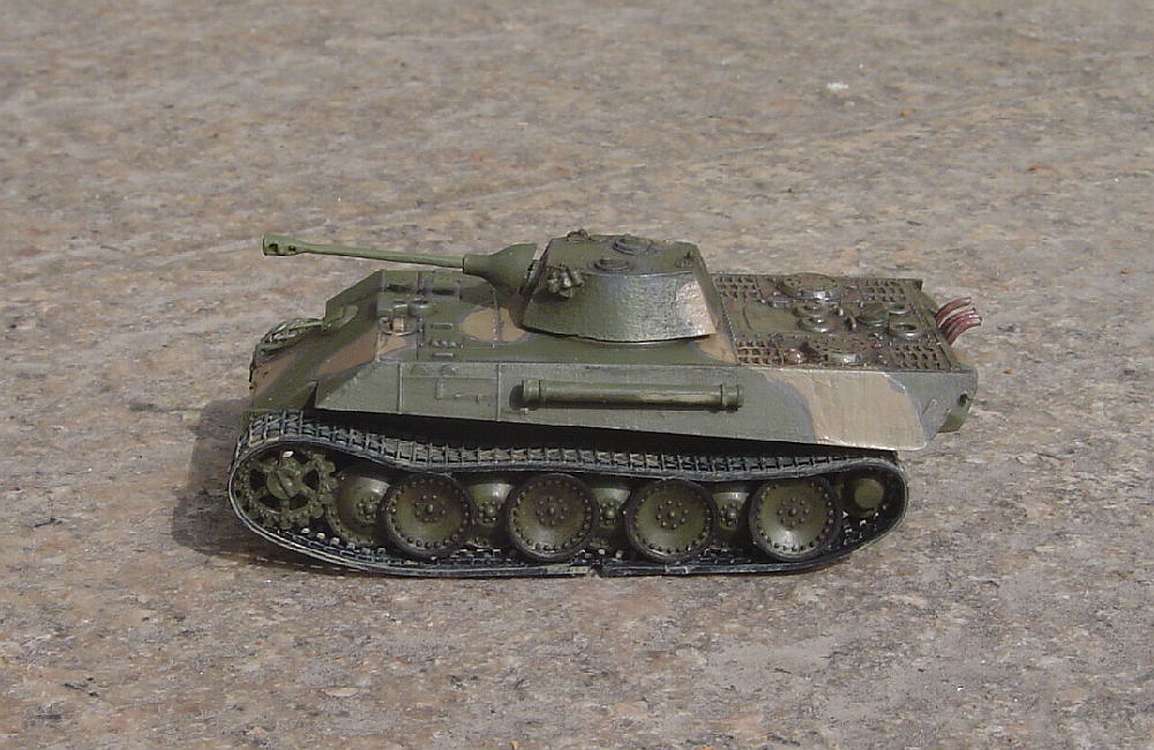
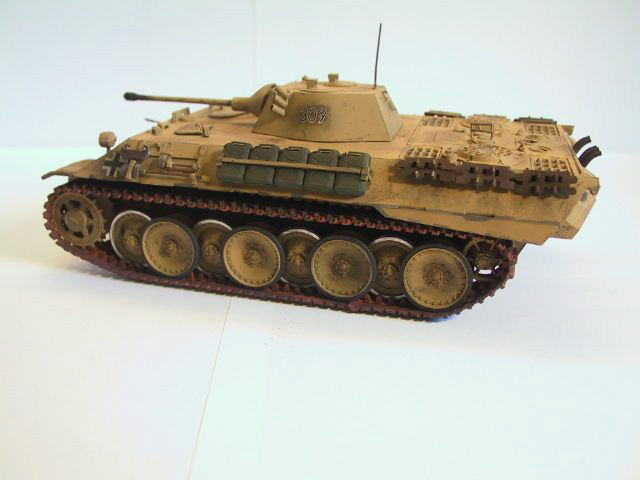
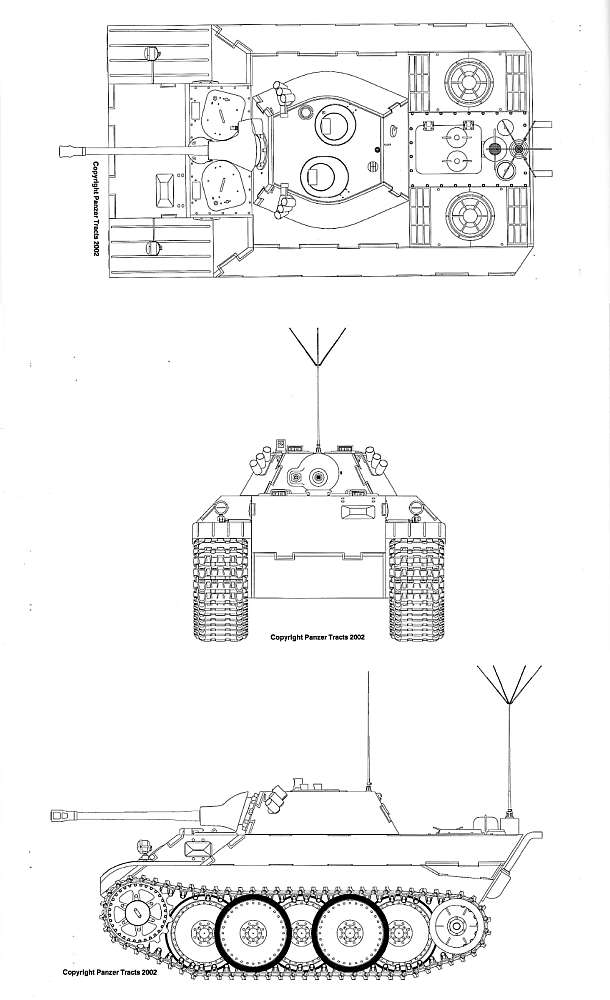
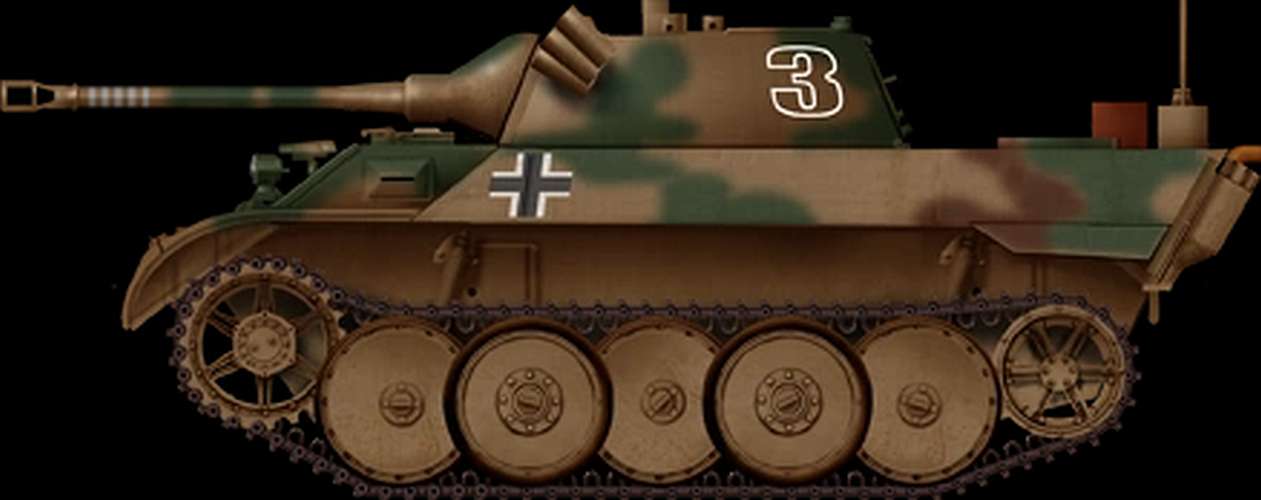
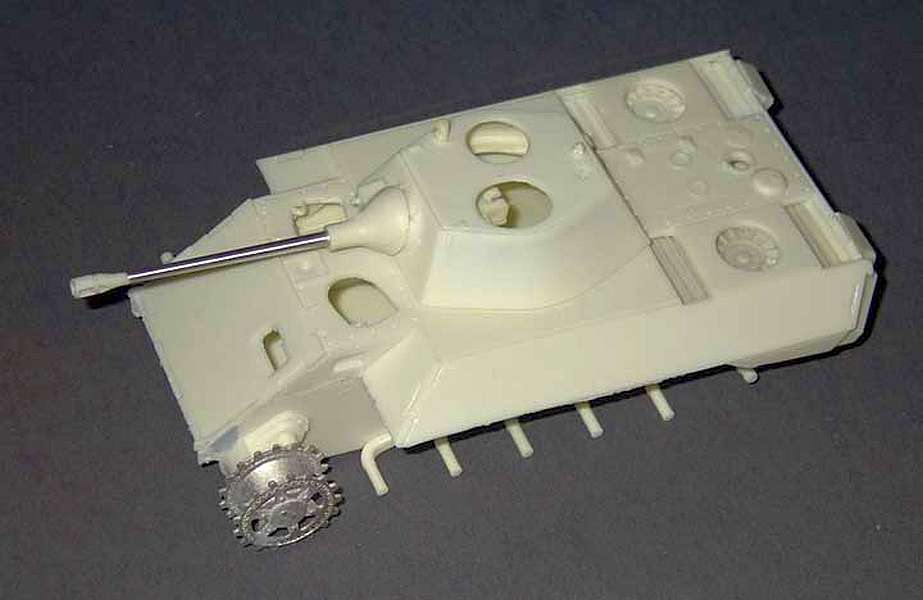
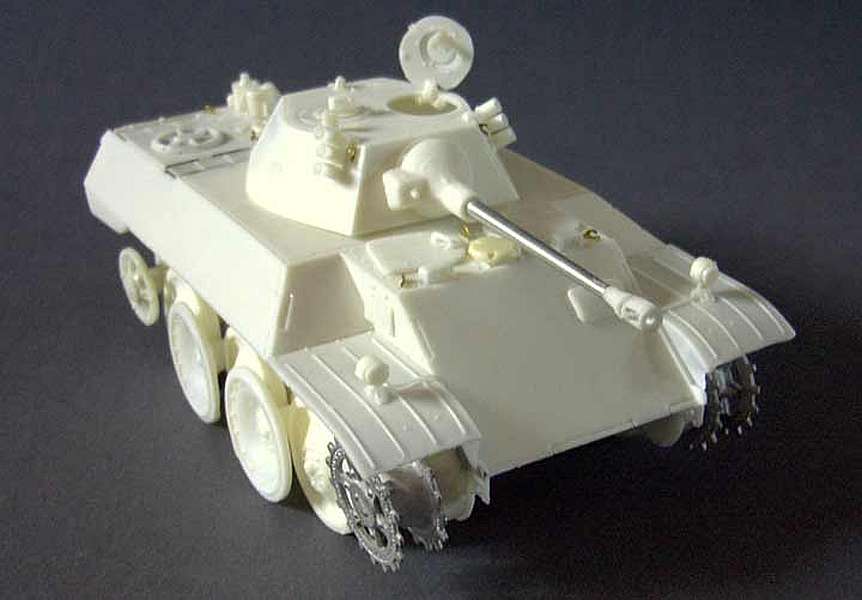
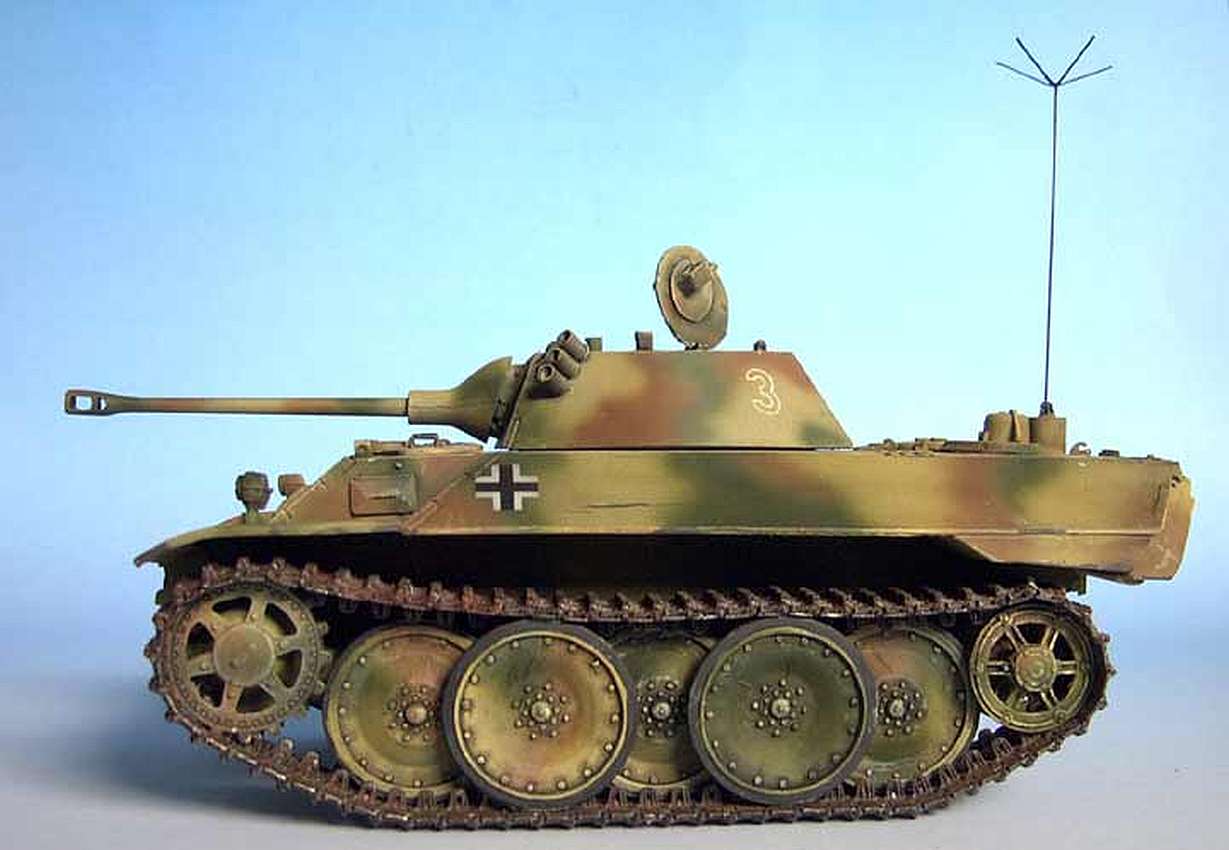
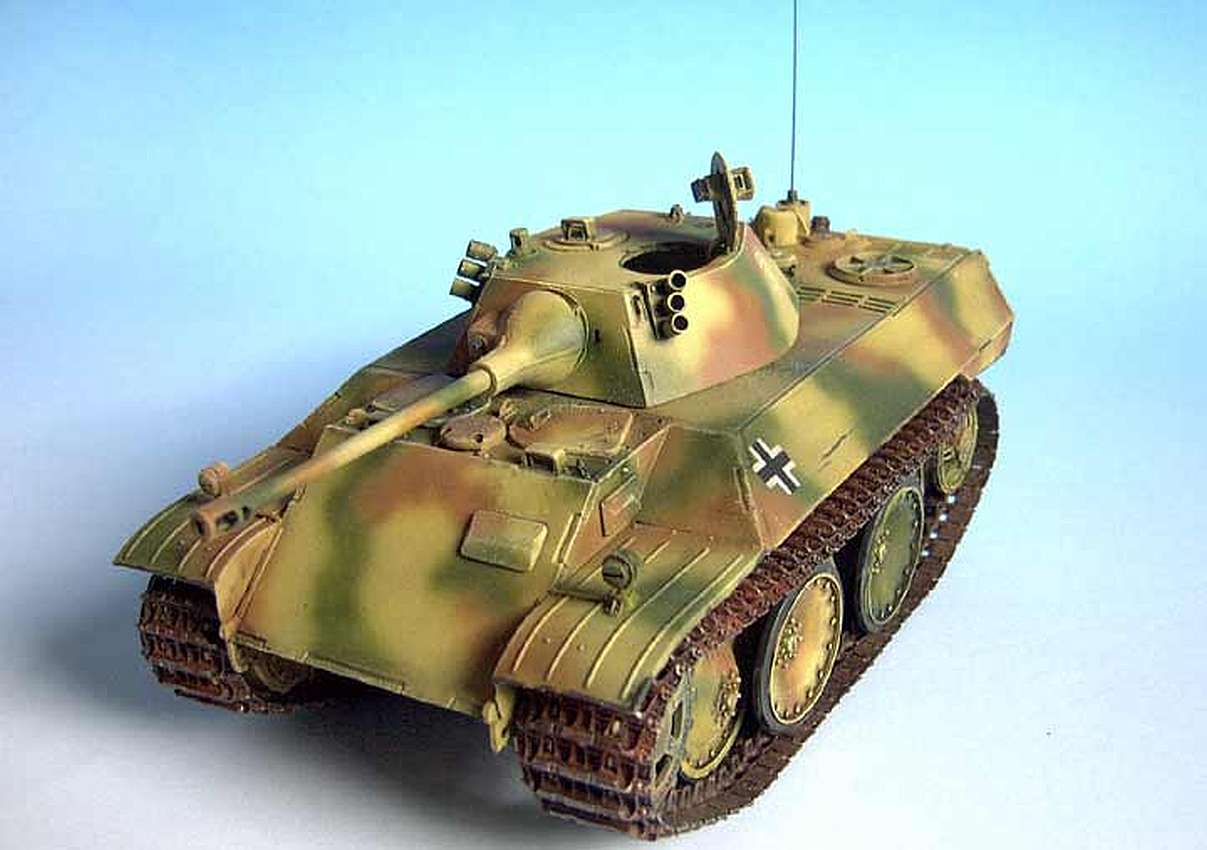
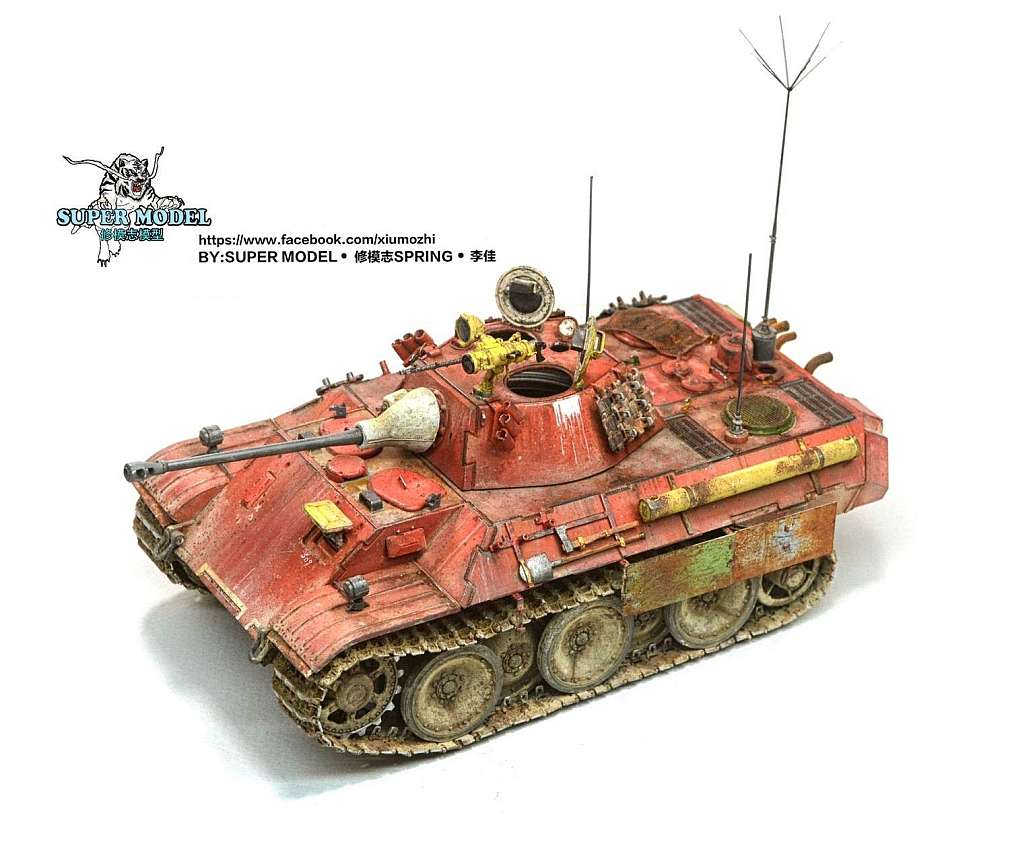
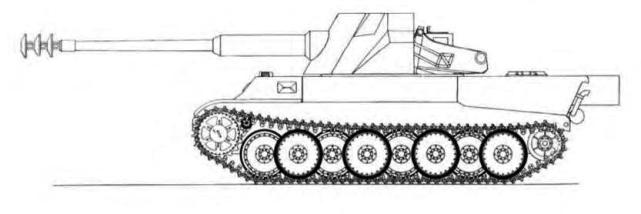
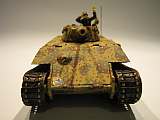
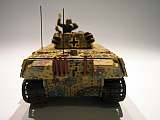
Aufklarungs Panzer (VK16.02) with 50mm kwk 39L/60
The Leopard (VK 16.02) combat reconnaissance vehicle was a German reconnaissance tank project of World War II, conceived as a heavily armored alternative to the Panzer II Luchs.
Key features:
Armament: The main armament was the 5 cm KwK 39 L/60, the same gun used in the Panzer III (Ausf. J to M) and the Puma armored personnel carrier. It fired 50 mm shells with a high muzzle velocity, but by 1943 it was
considered increasingly inadequate against Soviet T-34s and KV-1s.

Built model by Webmaster
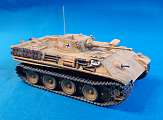
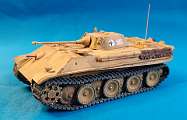
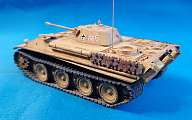
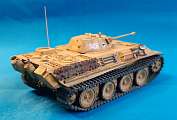
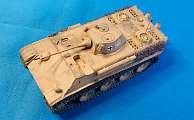
Built model by Zhenmin Han


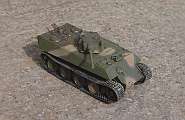
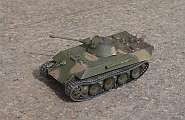

Built model by Jens Scholler - 1/35 scale - www.sturmtiger.com
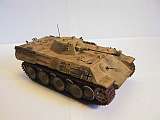


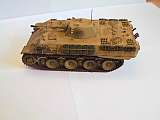


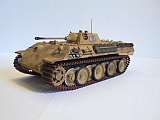
Built model by Tony Ivey


For "ftr-wot.blogspot.com" Information about Aufklarungs Panzer wth 50mm kwk 39L/60, visit
 "Tanks-Encyclopedia.org", website
Gefechtsaufklarer Leopard (VK16.02) - (Shortened version)
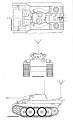
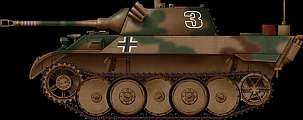
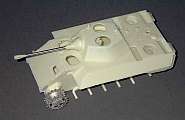
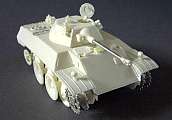
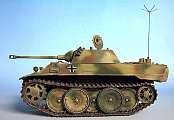
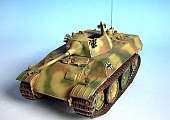
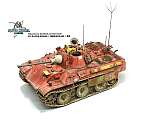
For "www.panzer-modell.de" Information about Aufklarungs Panzer Leopard, visit
 "PanzerModell.de", website
For "Robbo Roberts' / Armorama" Information about Aufklarungs Panzer Leopard, visit
 "Armorama", website
Panther II
The Panther II was a German tank design during World War II intended as an improved version of the standard Panther tank. Although popular in games like War Thunder and World of Tanks, the vehicle never saw active service in its
final form.
Historical Facts
Development: The project began in early 1943 at Hitler's insistence to strengthen the armor protection against Russian anti-tank weapons.
Improvements: Compared to the Panther I, the Panther II had thicker armor (100 mm frontal vs. 80 mm) and used many components from the Tiger II, such as the road wheels, transmission, and suspension.
Production: Only one prototype hull was completed by the manufacturer MAN. The planned new turret, the Schmalturm, was never installed on this hull during the war.
Panther II - Model built by Kenneth Overby


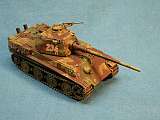
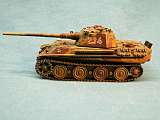

Panther II - (CPLOverby kit with extra armour)
Model built by Zhenmin Han
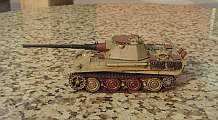


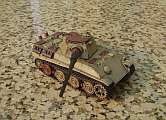

Panther II - (Panther II, as it is was restored in the Patton Museum)
Model built by Sandor Nagy
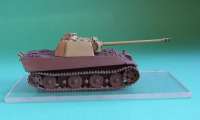
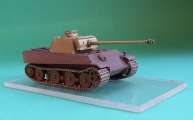


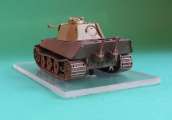

The model was built from Dragon 7231 and Dragon 7339 with numerous scratch-build parts. It is reasonable weathered.
12.8cm L/55 auf PzKpfw. V "Zerstorer" on Panther chassis - Model built by Kenneth Overby
The 12.8cm L/55 on PzKpfw. V "Zerstorer" is a fictional or "paper panzer" design primarily known within the modeling community. It depicts an extremely heavy tank destroyer with the powerful 12.8cm PaK 44 gun (known from the Jagdtiger) mounted on a modified Panther chassis.
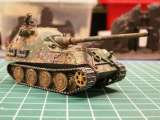

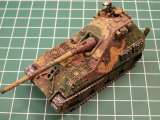

Model built by Zhenmin Han - Kit MP057 CPL-Overby


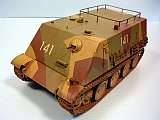
Panther APC (munitionschlepper-Waffentrager)
(This is a nice fantasy / fake vehicle from the modeller)
Panther APC - Photo's by Zhenmin Han




Other Vehicles which are based on the Panther chassis concept or parts
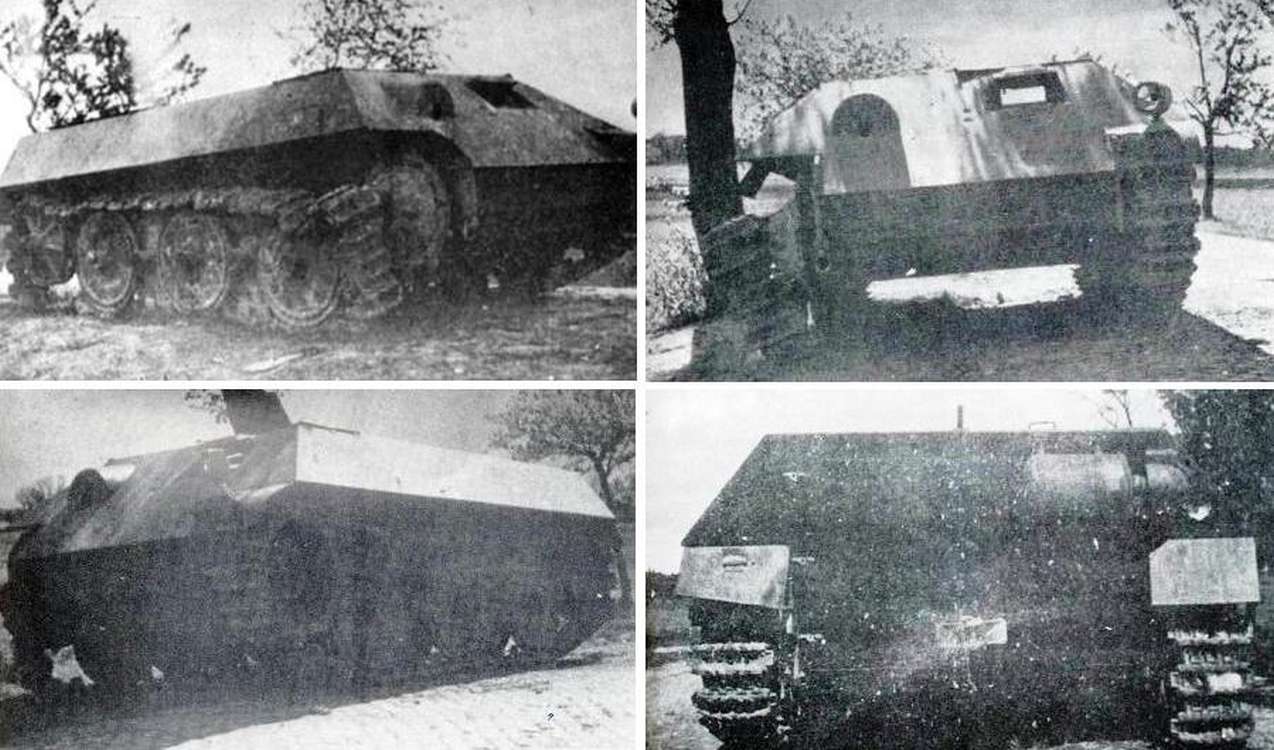
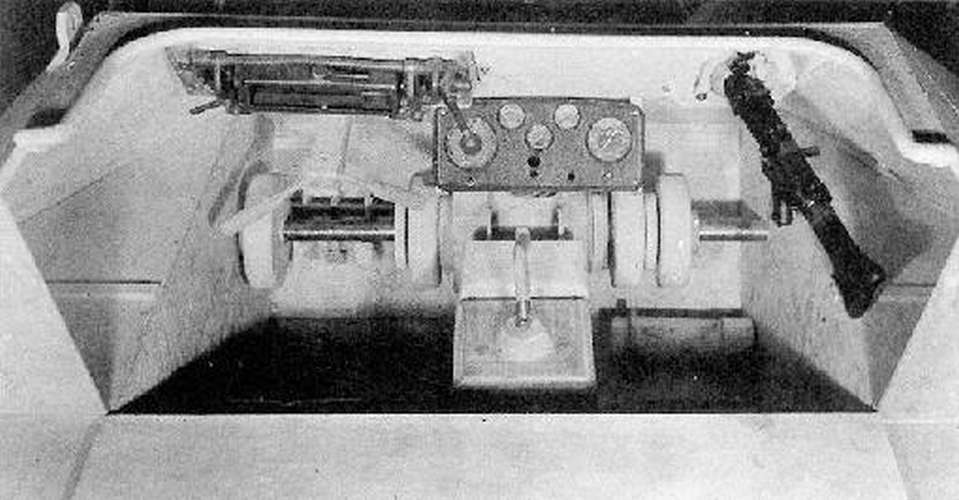
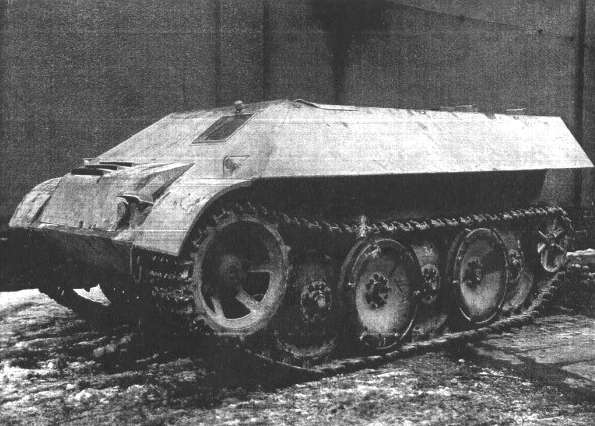
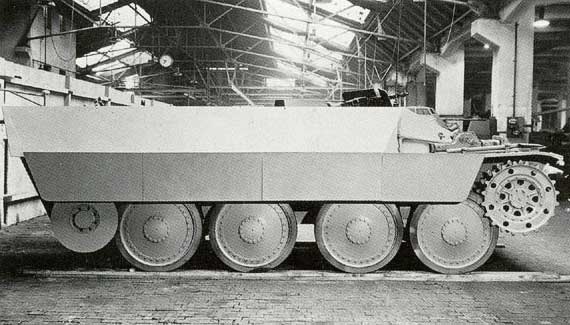
VK501 - Munition Schlepper "Weserhutte" - (on shortened (possible??) Panther/Kaetzchen concept) - pictures wooden mockup and built vehicle
The VK 5.01 (also known as the Gepanzerter Munitionsschlepper) was a fully tracked vehicle designed by the German company Weserhütte during World War II. It was intended as an armored ammunition transporter for the Wehrmacht.
Key Features and Specifications
Development: After unsatisfactory results from earlier designs by Borgward, BMM and Weserhutte were commissioned to develop a new design in December 1941.
Capacity: The vehicle weighed approximately 6 tons and had a payload of 2,000 kg of ammunition. It accommodated a crew of four.
Performance: It reached a maximum speed of approximately 30 km/h. Chassis and Suspension: Unlike the competing BMM design (which used components from the Panzer 38(t), the Weserhütte version used a torsion bar suspension,
steel road wheels, and track links similar to those of the Tiger II.
Armouring: The design was equipped with a machine gun (MG) for self-defence.
Fate: It is unknown exactly how many prototypes were built, but at least one example was captured by the US Army at the end of the war in 1945

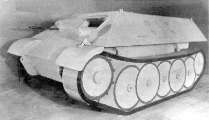


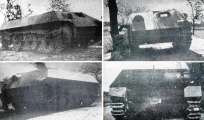
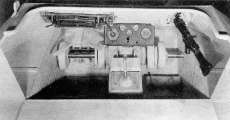
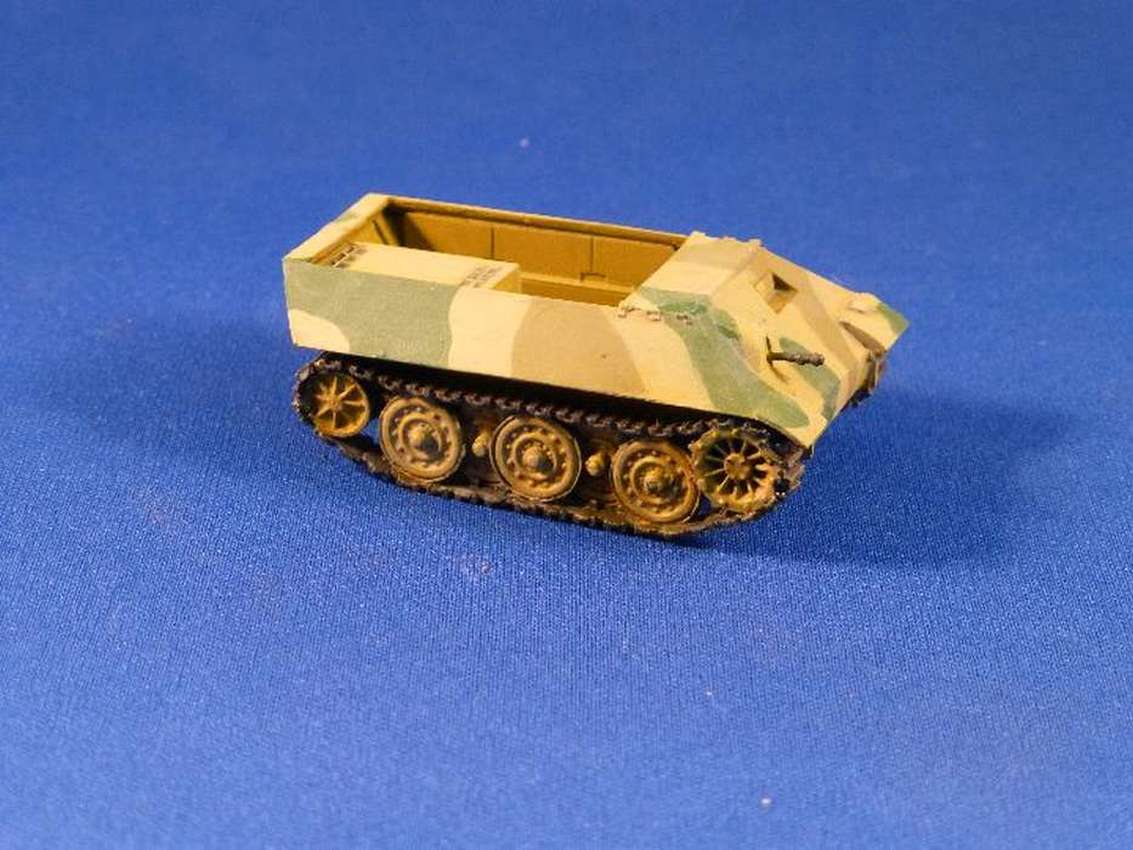
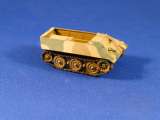
Munition Schlepper VK501 "Weserhutte" - early - (Giesbers Models kit 47)
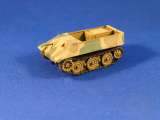
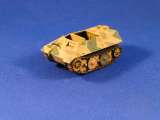
Munition Schlepper VK501 "Weserhutte" - Late - (Giesbers Models kit 48)

"Kaetzchen"
APC, Waffentrager or munitionschlepper, similair vehicles based on Skoda 38T, Panther, BMM, SWS and Auto-Union concept.
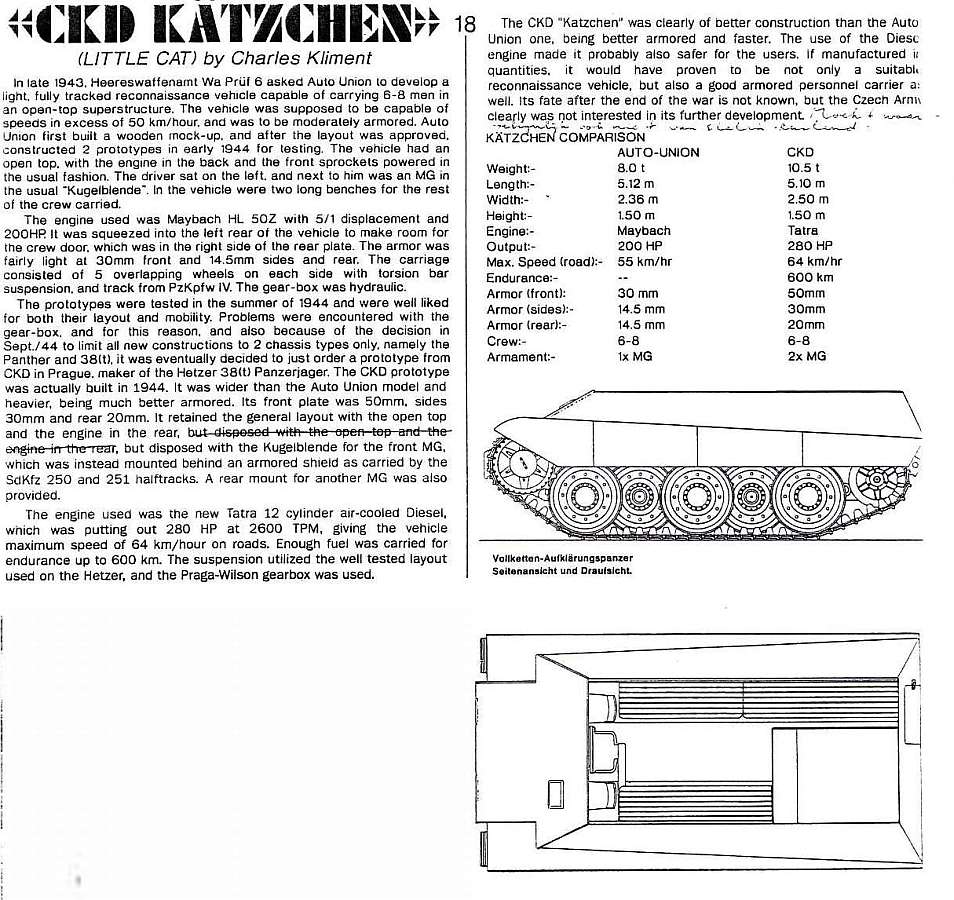
The "Kaetzchen" (Katzchen) was a proposed German armored personnel carrier (APC) developed in 1944 to replace the Sd.Kfz. 251, with designs incorporating components from the Panzer V Panther or, more frequently,
the Panzer 38(T) and 38D chassis. This website notes that a heavy prototype version with Panther-like design elements was built by CKD with 50mm front armor, a rear engine, and open-top armor.
Purpose: Designed as a fully tracked reconnaissance vehicle (Vollkettenaufklarer) or armored personnel carrier.
Variants: Multiple concepts existed, including designs by Auto-Union and the, ultimately selected, CKD-Prague prototype based on a modified 38D chassis.
"Panther" Influence: While not built directly on a Panther hull, the "Kaetzchen" prototypes, particularly the heavier CKD version, were intended to use simplified, sloped armor configurations similar to the Panther's design philosophy.
While intended to be a superior replacement for the existing halftrack fleet, the project was never produced in significant numbers before the end of World War II.
"Kaetzchen" APC with elements of the Panther chassis and fully enclosed armour.


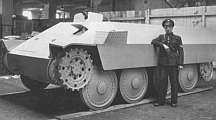
Vollkettenaufklarer - APC "Kaetzchen" - Prototype on 38D chassis
It was eventually decided to just order a prototype from CKD in Prague, maker of the Hetzer 38(T) Panzerjager. The CKD prototype was actually built
in 1944. It was wider than the Auto Union model and heavier, being much better armored. Its front plate was 50mm, sides 30mm and rear 20mm.
It retained the general layout with the open top and the engine in the rear, but disposed with the kugelblende for the front MG, wich was instead
mounted behind an armored shield as carried by the SdKfz.250 and 251 halftracks. A rear mount for another MG was also provided.


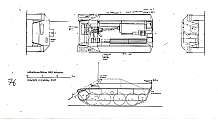

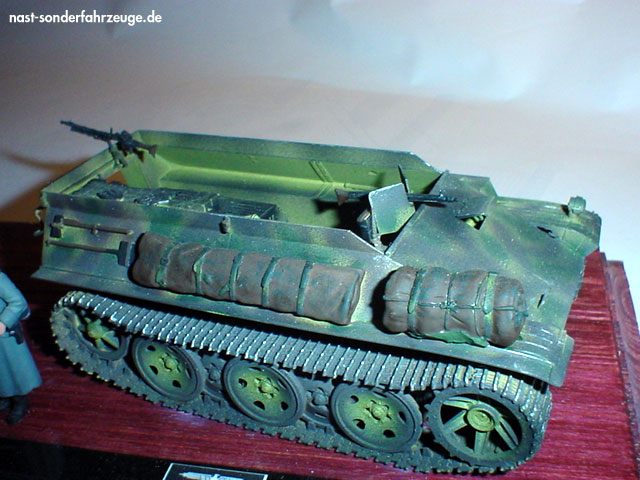
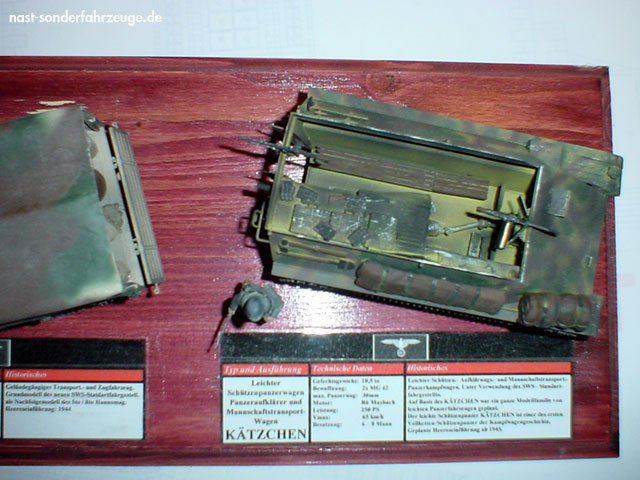
Vollkettenaufklarer - APC "Kaetzchen" - Prototype with SWS suspension


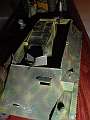
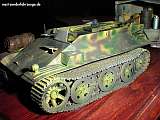

Pictures taken from nast-sonderfahrzeuge.de - is this a original concept or nice built "fake" vehicle?
Vollkettenaufklarer - APC "Kaetzchen" - (Prototype Auto-Union or second version of the VK501) - built 2 prototypes - used Panther parts?
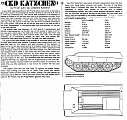
Lexikon-der-wehrmacht.de :
"Ein verbesserter MTW (Mannschaftstransportwagen) wurde noch bei der Fa. Auto-Union begonnen. Dieses 6.200 mm lange Vollkettenfahrzeug wurde von dem
Sechszylinder- Maybach-Motor "HL5O P" angetrieben, der bei 5 l Hubraum 180 PS entwickelte. Eine 2-cm-KwK in einem halbkugligen Turm sollte auch als
Flakabwehr Verwendung finden. Als Zusatzbewaffnung waren zwei MG 42 geplant. Das "Kaetzchen", einen Namen hatte das Fahrzeug bereits, sollte eine
Gruppe von 8 Mann tragen. Durch die Umstande bedingt, sind aber nur noch zwei, mit 330 mm breiten Ketten ausgerustete Fahrgestelle fertig geworden."

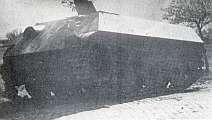
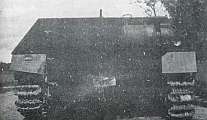

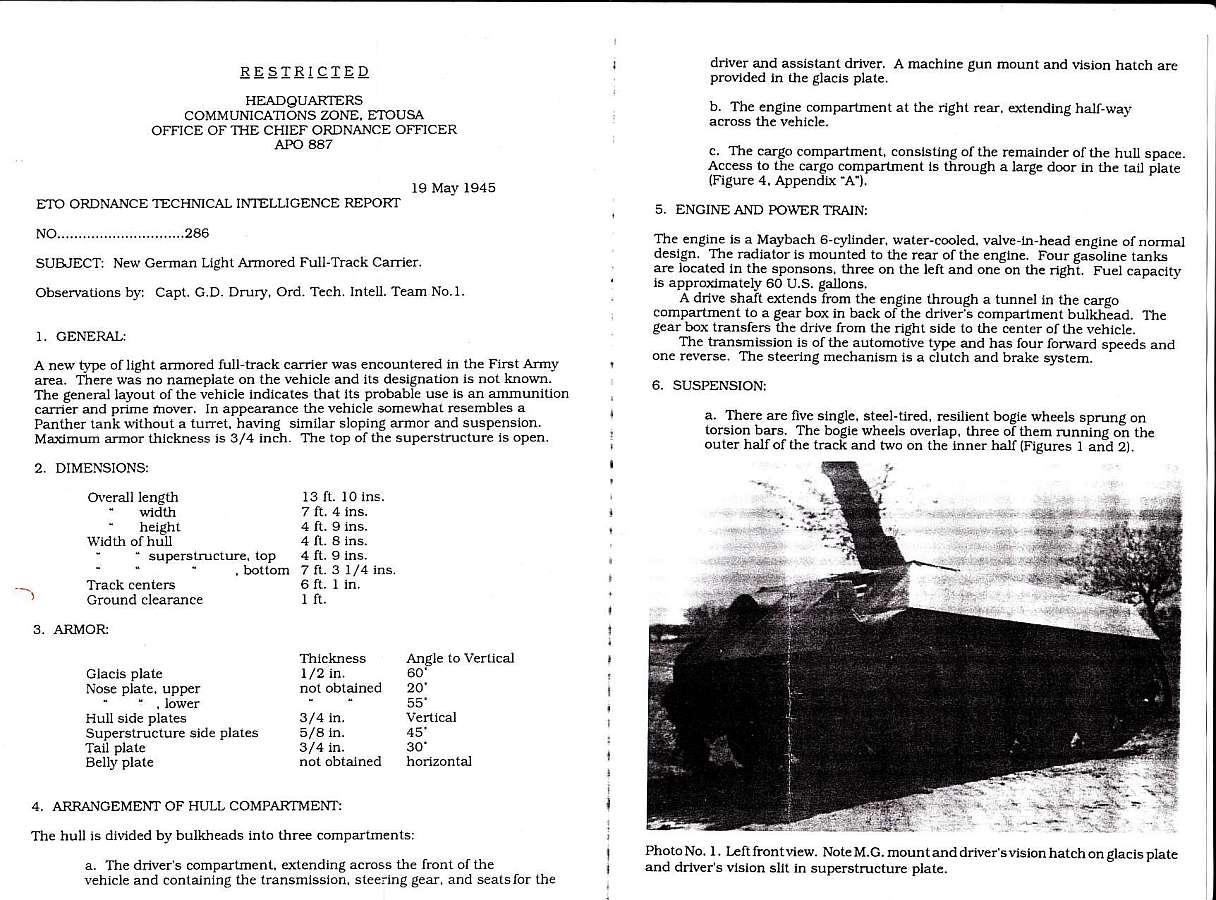
British Ordnance Article 1945 - APO 887


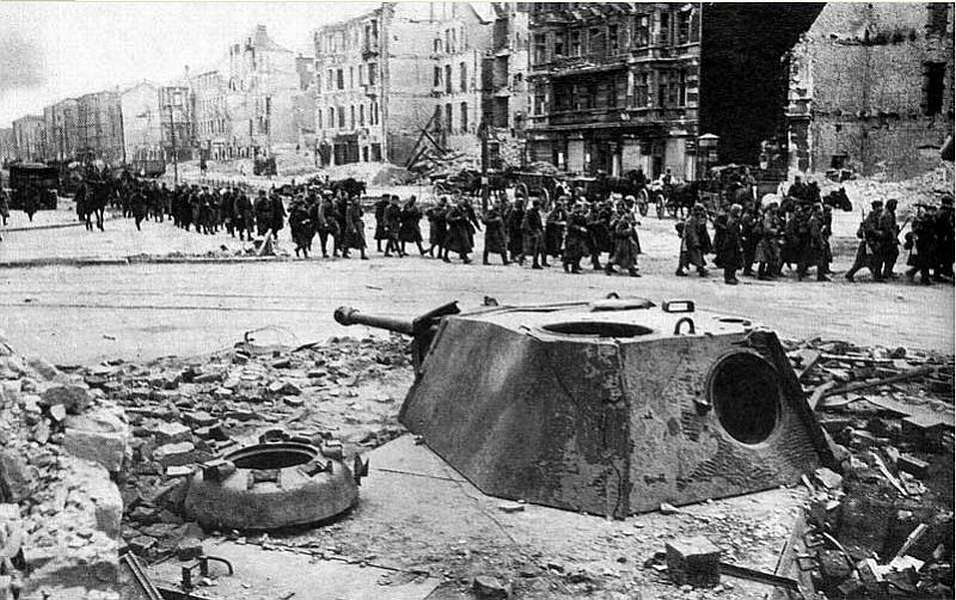
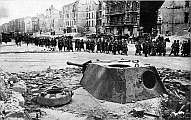
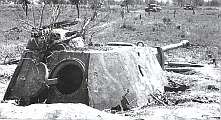
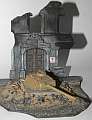
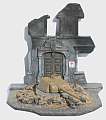
Pillbox with Panther Turret - "Ostwaldturm"



Model built by Francisco Almeida - 1/72



Self Propelled (SP) projects based on Panther chassis from the Drawingtable
Sturmmorser 150mm Assault gun
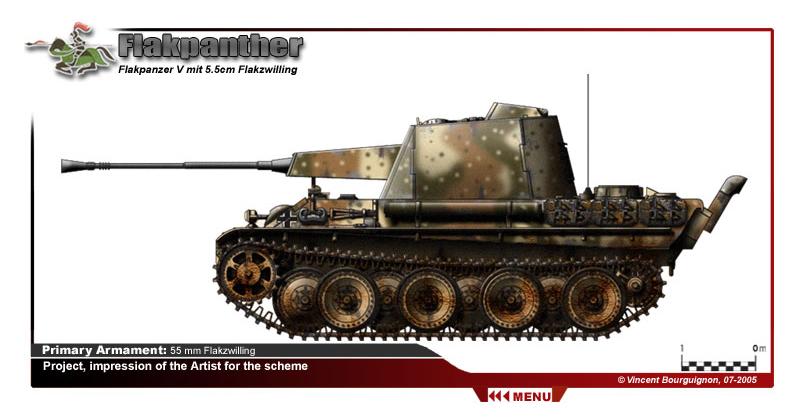
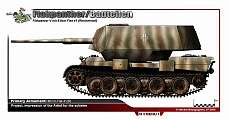
FlakPanther 55mm twin - Krupp
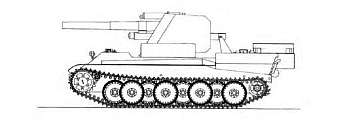
Panther with 105 mm LFH43


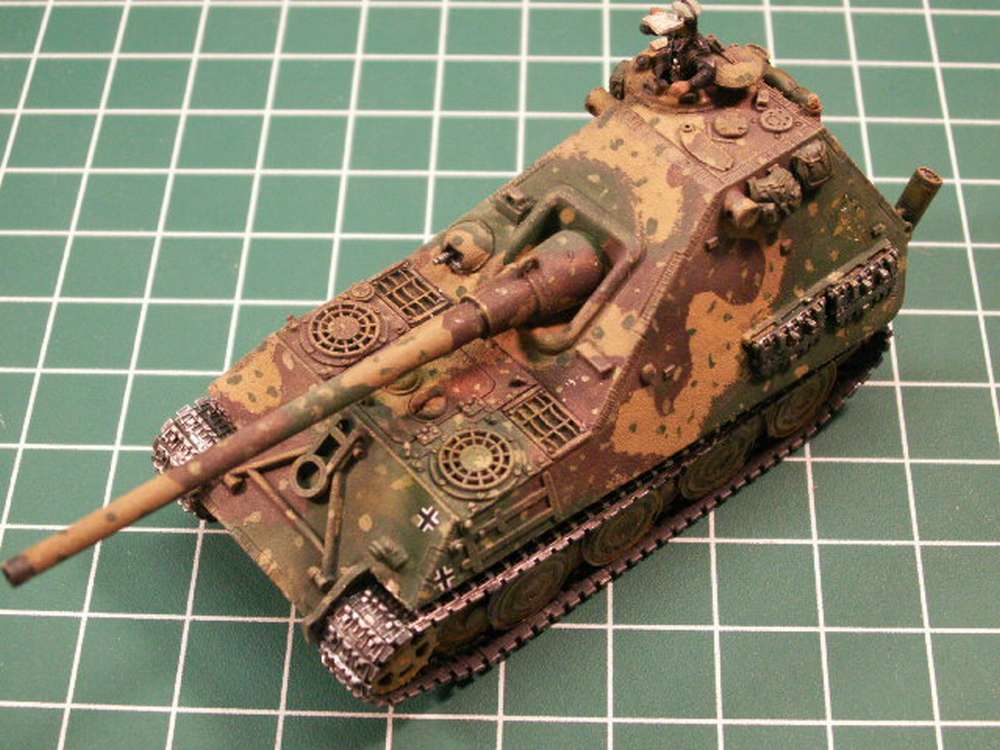
128mm K43
128mm Skorpion
128mm K44
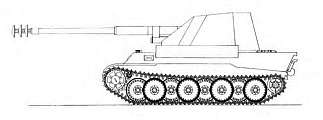


128m m panzerkanone 2
128mm Panzerkanone
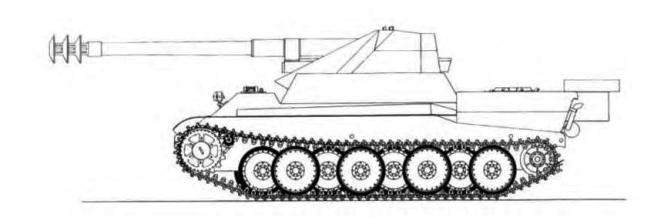
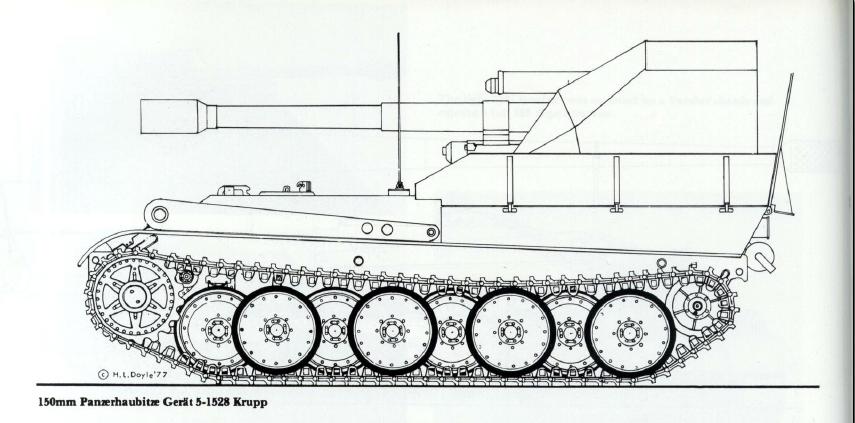
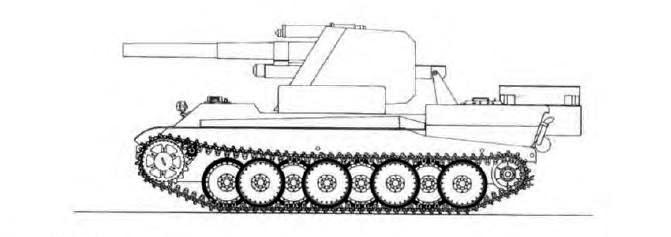
150mm Feldhouwitzer
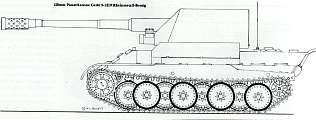

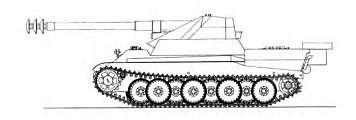
150mm Panzerhaubitze
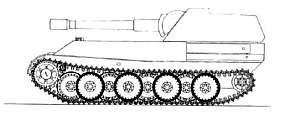
Grille 12 with 128mm K43
Mittler Waffentrager with sFH18


sFh18 on lengtened Panther parts
Heavy Fieldgun 18 - removable from chassis
Heavy Field Howitzer 43 on Panther Parts

Email to HenkofHolland:
Note:
This website is an extension of my modeling hobby and serves to inform only.
It is NOT possible to order merchandise directly from me.
I do not own a (web-)shop. You will find some reliable vendors in the "links" page.
 E-mail to HenkofHolland
Note: To become a valid e-mail address, replace in email address (at) with @